Blog
What Is Dialogic Reading: what is dialogic reading and why it boosts literacy
Discover what is dialogic reading and how it boosts your child's comprehension and love of reading with engaging, practical discussion prompts.
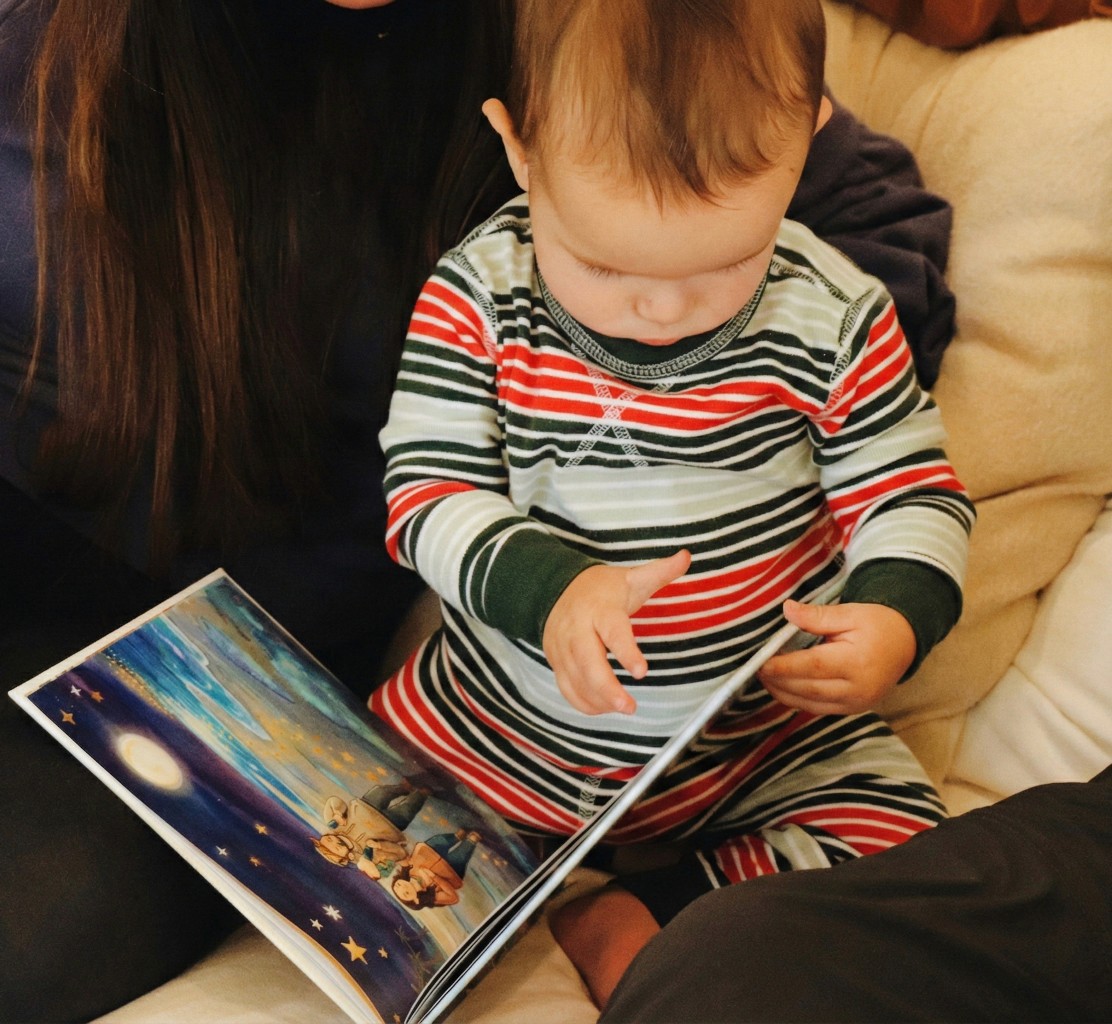
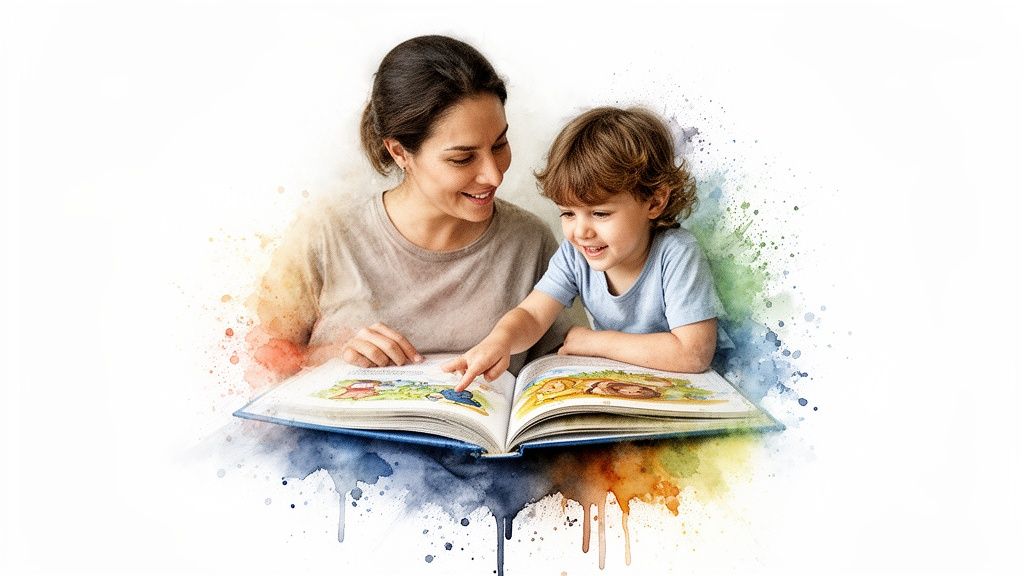
Picture this: you're sitting with your child, a colorful book open on your lap. Instead of you simply reading the words on the page to them, what if they became part of the story? What if they were the co-narrator?
That’s the simple, powerful idea behind dialogic reading. It’s a way of reading together that’s less of a performance and more of a conversation.
What Is Dialogic Reading Explained Simply
Think of traditional storytime like watching a movie. Your child is the audience, listening as the plot unfolds. It’s a cozy, passive experience.
Dialogic reading, on the other hand, hands your child the director's megaphone. You're not just reading at them; you’re inviting them in with questions and little prompts. They get to point things out in the pictures, guess what happens next, and connect what the characters are feeling to their own big feelings.
This one little switch—from passive listener to active storyteller—is everything. It’s the difference between just hearing a story and truly understanding it. The goal is to get them talking, thinking, and wondering right alongside you.
This back-and-forth approach gives kids a sense of agency, much like a reader who gets to master choose your own adventure writing by taking the driver's seat. It's not just about learning words; it’s about building the confidence to use them.
Traditional Reading Versus Dialogic Reading At A Glance
To see this shift in action, let's look at the two approaches side-by-side. It helps clarify how a few simple changes can completely transform your reading routine.
Aspect | Traditional Reading | Dialogic Reading |
|---|---|---|
Child's Role | Passive Listener | Active Participant |
Adult's Role | Reader/Narrator | Facilitator/Questioner |
Focus | Finishing the story | Exploring the story |
Dialogue | One-way (Adult reads to child) | Two-way (Conversation) |
Goal | Story completion | Language & comprehension |
As you can see, the dialogic approach isn’t about getting through the book faster. It's about deepening the experience and using the book as a launchpad for connection and learning.
A Quick Peek At The Research
This isn’t just a new trend. The idea of dialogic reading has been around since the late 1980s, when researchers started noticing that how parents read with their kids mattered just as much as how often.
Early studies showed that this conversational style gave kids a major leg up, significantly boosting both the words they could understand (receptive vocabulary) and the words they could use (expressive vocabulary).
Instead of just hearing words, they were practicing them, asking about them, and connecting them to the world around them. This shared dialogue does more than just build a bigger vocabulary; it strengthens comprehension, critical thinking, and that special bond you share during storytime. (You can learn more about the general benefits of reading aloud to children in our related guide.)
Ultimately, it turns a simple activity into one of the most powerful tools you have for your child's development.
The Science Behind Why Dialogic Reading Works
Dialogic reading is so much more than a cozy way to share a book; it's a powerful brain-building activity, grounded in some pretty amazing cognitive science. When you shift from simply reading to your child to reading with them, you're lighting up key neural pathways that are absolutely essential for language.
This back-and-forth conversation transforms story time from a passive listening session into a genuine mental workout. Every question you ask prompts your child to dig into their memory, organize their thoughts, and try to put them into words. It's this very process that strengthens their verbal fluency and helps turn abstract ideas on a page into something they truly understand.
Building The Foundations Of Literacy
The magic of this interactive style plugs directly into core literacy skills. Research consistently shows that children who experience dialogic reading build bigger, more interesting vocabularies. Think about it: when your toddler points and says, "truck!" and you expand on it—"Yes, that's a big, noisy, yellow dump truck!"—you're not just agreeing. You're actively wiring new words into their long-term memory.
This method directly supports what experts call narrative skills—the ability to understand and tell stories. By asking something as simple as, "What do you think will happen next?" you're teaching them about cause and effect, sequencing, and prediction. These are the very skills they'll need for reading comprehension down the road.
This approach also nurtures print awareness, which is the understanding that those little squiggles on the page actually mean something. Pointing to words as you read helps your child make that critical connection. On top of that, the give-and-take nature of dialogic reading is fantastic for cognitive development, especially for skills like working memory. For those interested, you can find great strategies for improving working memory that complement this process.
Fostering Emotional Bonds and a Love for Reading
Beyond all the cognitive gains, dialogic reading is a powerful tool for connection. That shared experience creates a warm, safe space where your child feels heard and valued. It beautifully associates reading with comfort, joy, and togetherness—the exact feelings that spark a lifelong love of books.
These conversations are also a huge part of emergent literacy, a term that covers all the skills a child picks up before they officially learn to read and write. You can dive deeper into what is emergent literacy and see how it paves the way for success in school.
Ultimately, dialogic reading works because it turns learning into a shared adventure, not just a lesson.
Using The PEER Sequence To Start The Conversation
So you understand the "why" behind dialogic reading. Now, let's get into the "how." The simplest way to dive in is with the PEER sequence, a straightforward, four-step framework that turns any book into a conversation.
Think of it as your cheat sheet for creating those little interactive moments during story time.
The acronym PEER stands for: Prompt, Evaluate, Expand, and Repeat. This little tool guides you through a natural back-and-forth that builds on what your child notices, boosting their language skills with every turn of the page. It’s the engine that makes dialogic reading work in real life.
A Practical Example Of PEER In Action
Let's say you're reading a book about farm animals, and you land on a page with a picture of a dog. Here’s how the PEER sequence would look:
Prompt: You kick things off by asking a question to get your child talking. Pointing to the picture, you ask, "What is that?"
Evaluate: Your child shouts, "Doggy!" You affirm their answer with a warm, enthusiastic tone. "That's right! It is a doggy." That simple praise is a huge confidence booster.
Expand: Next, you add a little something extra—a new word or a bit more detail. "It's a big, fluffy doggy with brown spots."
Repeat: Finally, you circle back by repeating the new, richer phrase and encouraging them to try it too. "Can you say, 'big, fluffy doggy'?"
This quick exchange might seem small, but it's incredibly powerful. You’ve just taken a single word your child knows and helped them turn it into a more descriptive phrase, all while reinforcing new vocabulary in a positive, fun way.
This simple flow shows how a conversation sparks deeper thinking, which in turn strengthens your emotional bond.
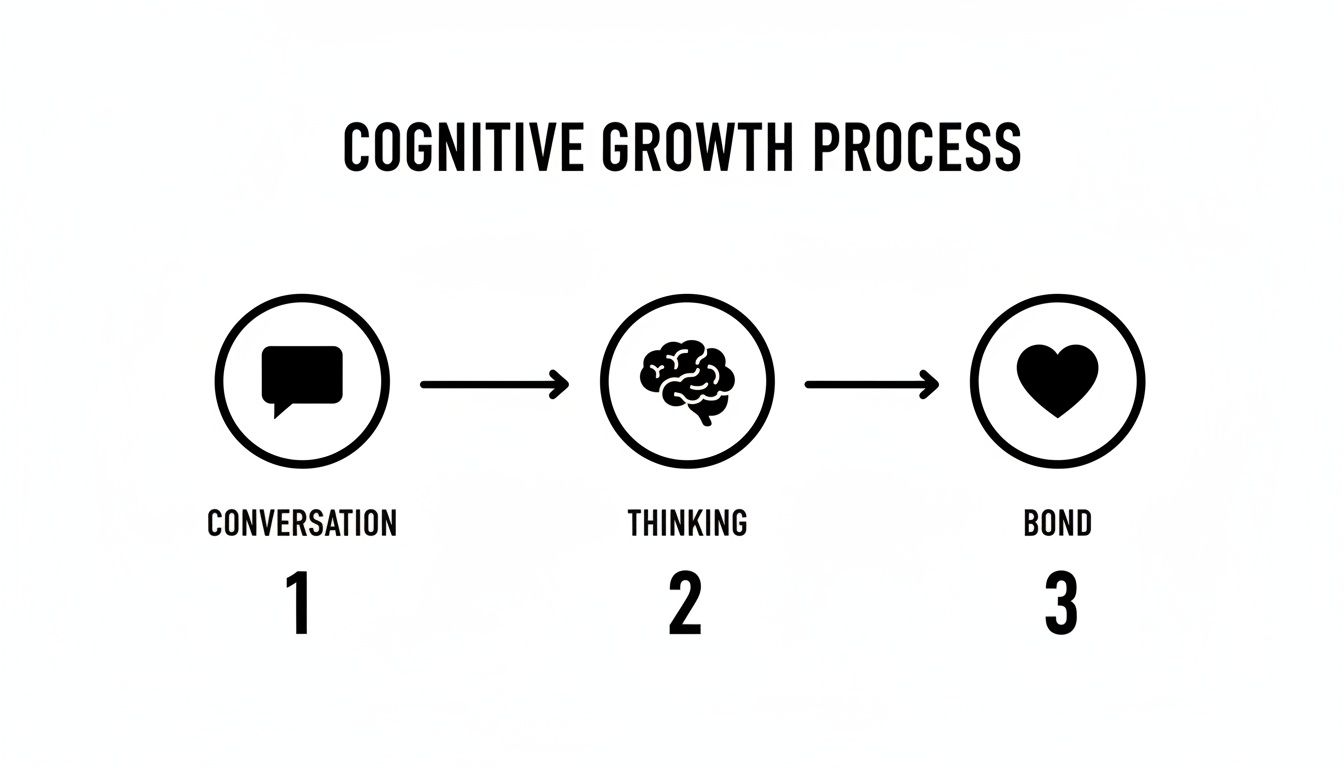
Each step builds on the last, turning a simple observation into a memorable learning moment that sticks.
The real beauty of the PEER sequence is how simple and flexible it is. It doesn't require special books or a ton of prep. You can use it with any picture book, at any time, to make your reading sessions more interactive and so much better for your child's developing mind. It’s a foundational technique for anyone just learning what dialogic reading is and how to get started.
Mastering CROWD Prompts For Deeper Story Engagement
Okay, so we have the PEER sequence as our conversational blueprint. Now, how do we ask the right kinds of questions to get the conversation flowing? That’s where CROWD comes in.
Think of CROWD as your toolkit of five specific prompt types. Each one is designed to get your child thinking and talking in a slightly different way. Learning these helps you move past just pointing and naming things, and into rich conversations that build vocabulary, memory, and critical thinking skills. It’s the secret sauce that turns a passive story into a dynamic, back-and-forth chat.
This isn't a new fad—the CROWD method has been around since the 1980s, refined over decades to help kids unlock deeper comprehension. The research is clear: this approach helps narrow literacy gaps by encouraging kids to do everything from completing sentences to connecting the story with their own lives. You can read more about how this proven method works by checking out these insights on dialogic reading.
C Is For Completion Prompts
These are pure gold, especially for younger toddlers who are just getting the hang of things. You start a sentence from a familiar book and just… stop. Let them fill in the blank. It works like a charm with rhyming books or any story they’ve heard a dozen times.
Example: "The little pig cried, 'Not by the hair of my...'" (and wait for that triumphant "chinny chin chin!")
Why it works: It feels like a fun game, not a pop quiz. It gives them a successful role in telling the story, which is a huge confidence booster.
R Is For Recall Prompts
Just like it sounds, you’re asking your child to remember something that happened earlier in the story. This simple act is a workout for their memory and helps them grasp the idea of a story having a beginning, middle, and end.
Example: "Wait, can you remember what the caterpillar ate on Monday?"
Why it works: It builds narrative skills. You're teaching them to track a story's plot, a skill they'll need for the rest of their lives as readers.
By asking children to recall details, you’re helping them build the mental framework needed to understand how stories are constructed. This is a foundational skill for later reading comprehension.
O Is For Open-Ended Prompts
These are my personal favorite. You point to an illustration and invite your child to tell you what’s going on. The best part? There’s no single right answer. It’s all about encouraging observation and letting them use their own words.
Example: "Wow, look at this page. Tell me what’s happening in this picture."
Why it works: It hands the microphone over to your child. They get to be the narrator, explaining the story from their unique point of view.
W Is For Wh- Prompts
These are your classic "who, what, where, when, and why" questions. They focus on the concrete details right there on the page. Point to a picture and ask, "What is that?" or "Who is riding the bike?" These are fantastic for building vocabulary fast.
Example: "Where is the little mouse hiding?"
Why it works: These questions directly teach new words for objects, characters, and actions in a really clear, straightforward way.
D Is For Distancing Prompts
This is the most advanced prompt, but it’s where the real magic happens. A distancing prompt asks your child to connect the story to their own life. It bridges the gap between the world in the book and their own world, building empathy and abstract thinking.
Example: "This bear is sad because he lost his toy. Have you ever felt sad like that?"
Why it works: It helps your child see that stories are about real feelings and real-life situations, making reading a more personal and meaningful experience.
Making Storytime a Real Conversation
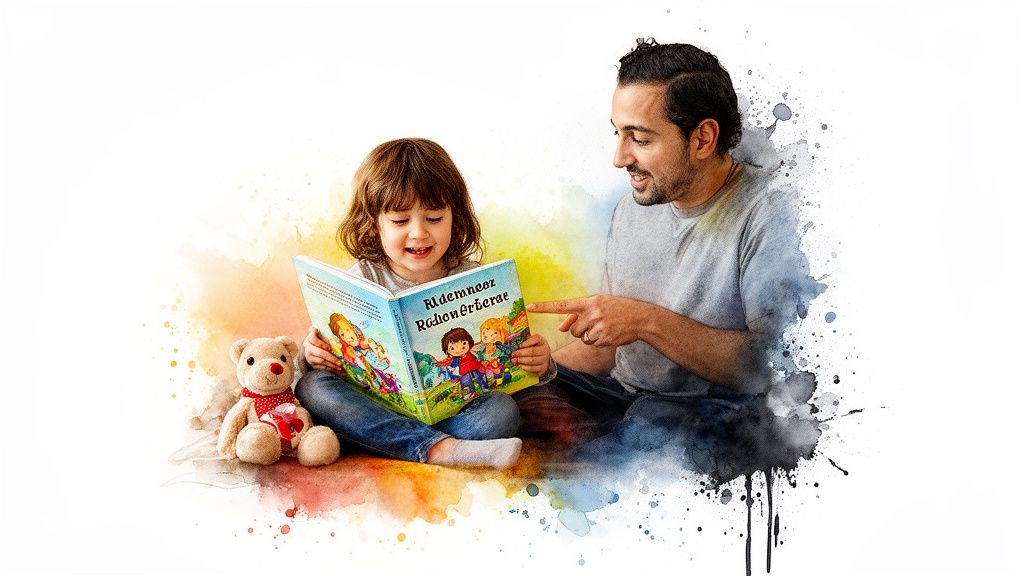
While you can practice dialogic reading with almost any book on the shelf, the right story can elevate your chat from a simple Q&A into a truly memorable connection. Books packed with rich, detailed pictures and characters your child can relate to are the perfect launchpad.
Think of the illustrations as built-in conversation starters. A busy farmyard scene or a character with a huge, expressive grin naturally begs for "What do you see?" or "I wonder why he's so happy?" These visual hints do half the work for you, giving your little one plenty to point to, describe, and get curious about.
Picking Books That Spark Connection
The goal is to find stories that resonate with your child’s own world. When a book mirrors their experiences, using the PEER prompts feels less like a quiz and more like a natural, exciting chat.
Here are a few things to look for at the library or bookstore:
Detailed Illustrations: The more there is to see, the more there is to talk about. Simple is good, but busy is better for conversation.
Relatable Problems: Stories about learning to share, being afraid of the dark, or making a new friend are perfect for Distancing prompts.
Repetitive or Rhyming Text: These are fantastic for practicing Completion prompts, letting your child joyfully fill in the blanks.
Clear Emotional Arcs: A character who goes from sad to happy helps your child identify and talk about big feelings.
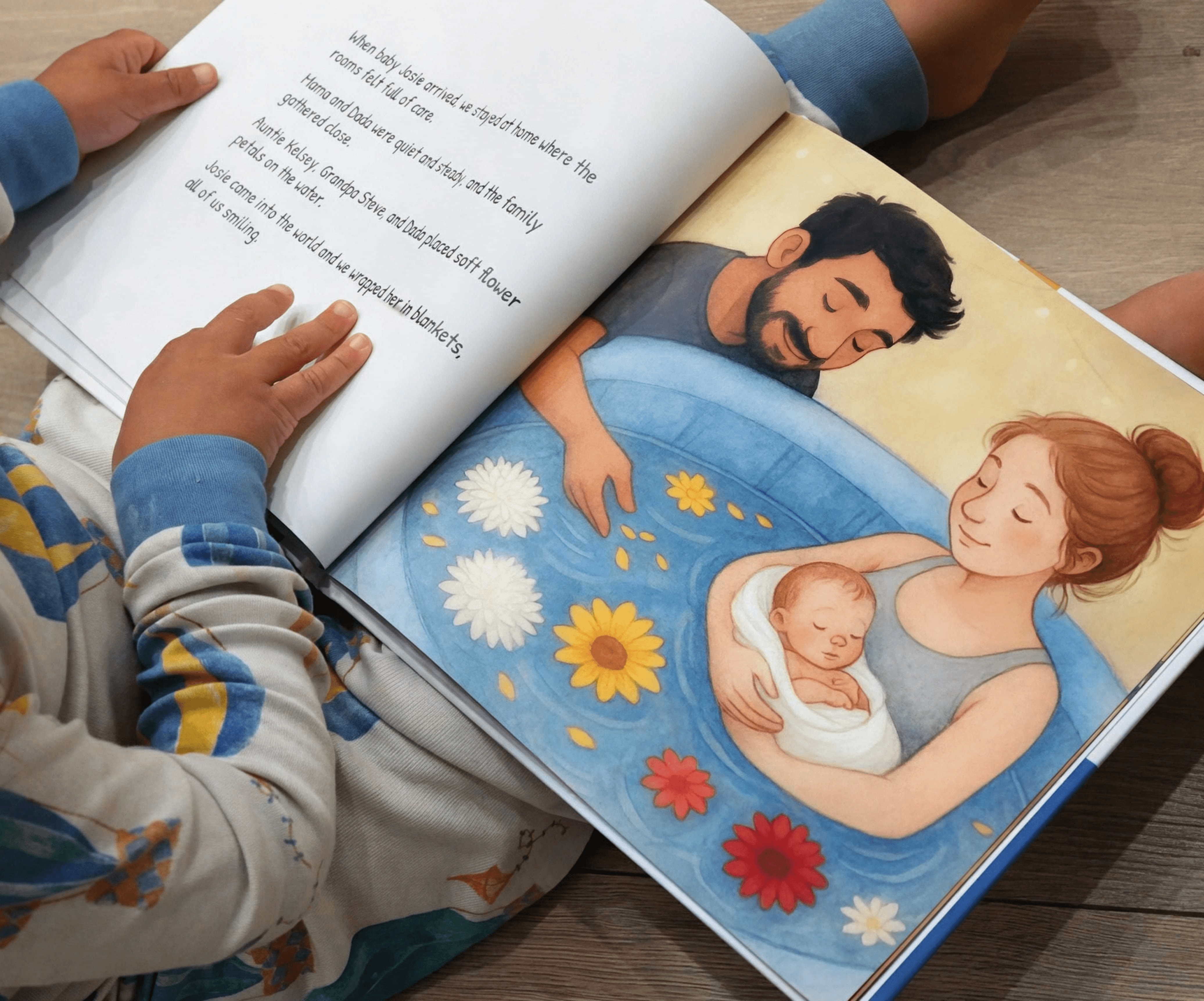
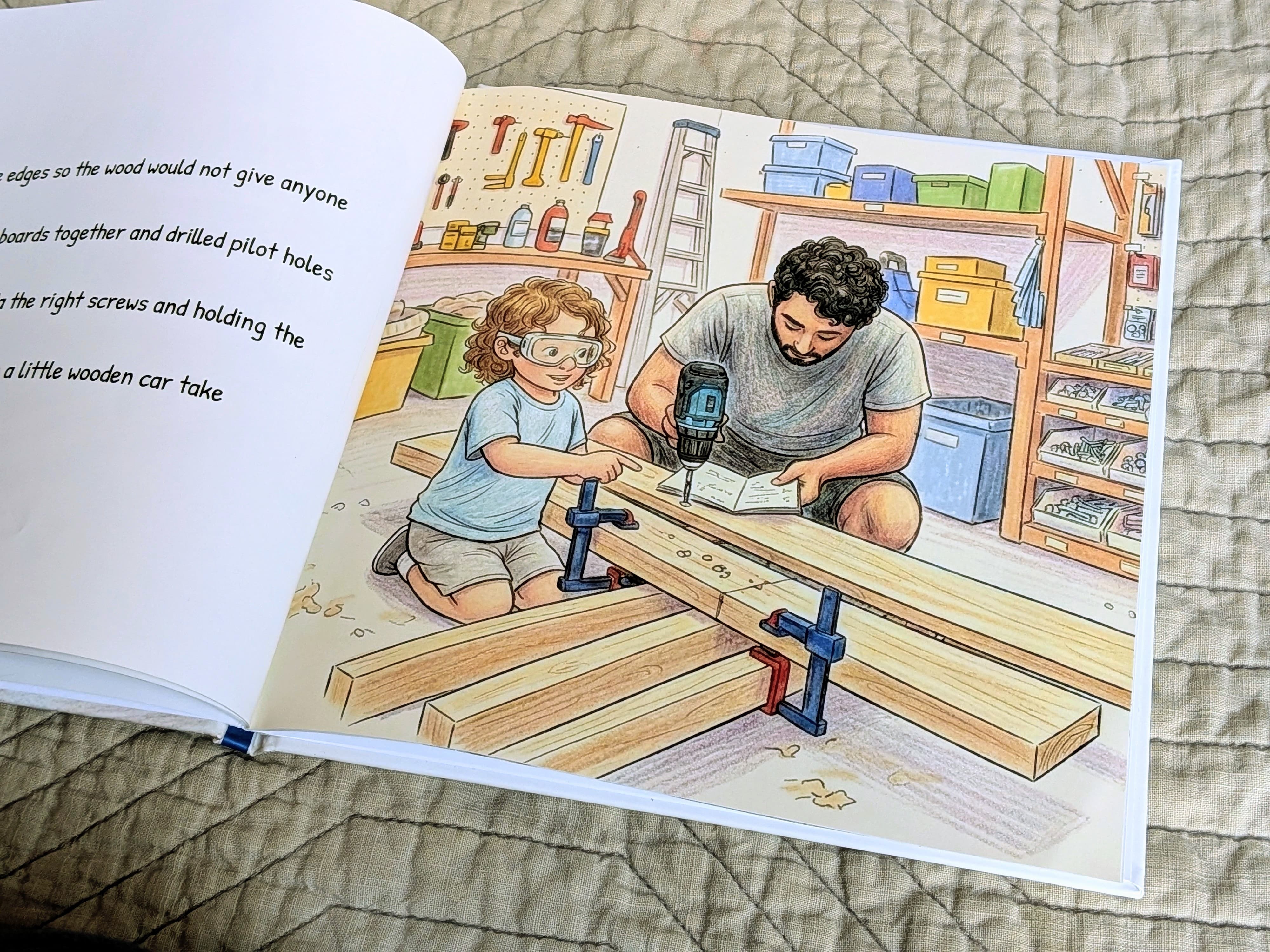
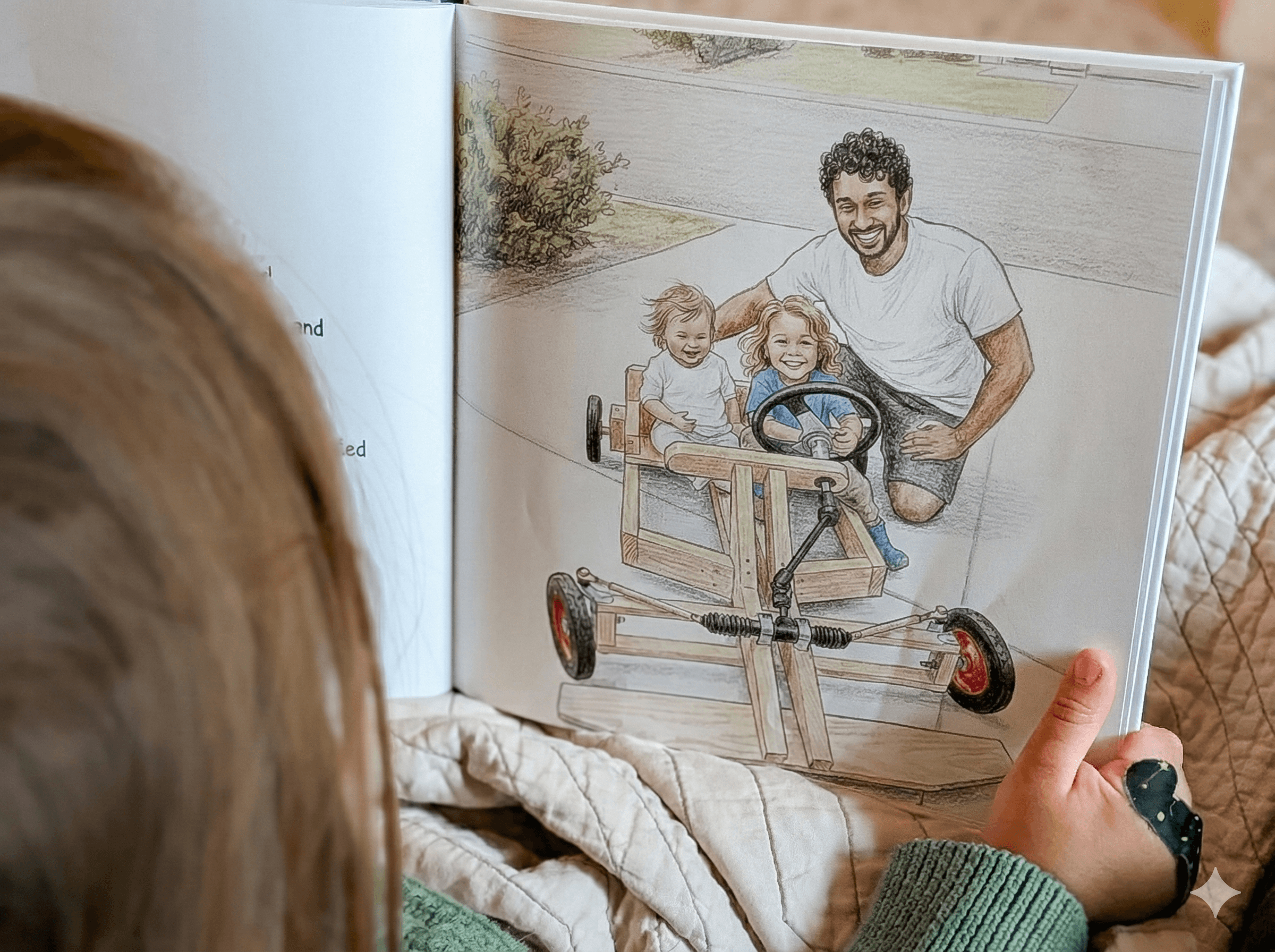
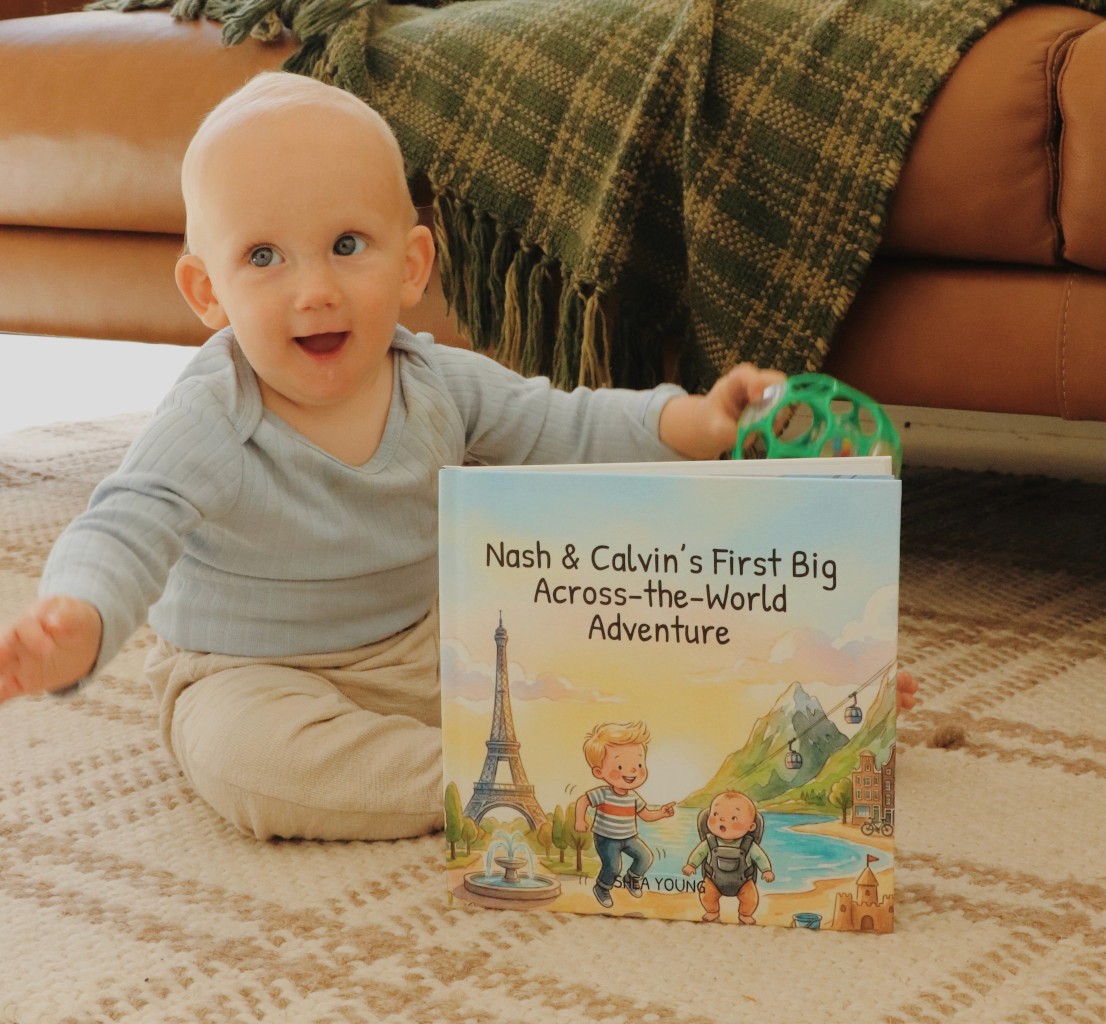
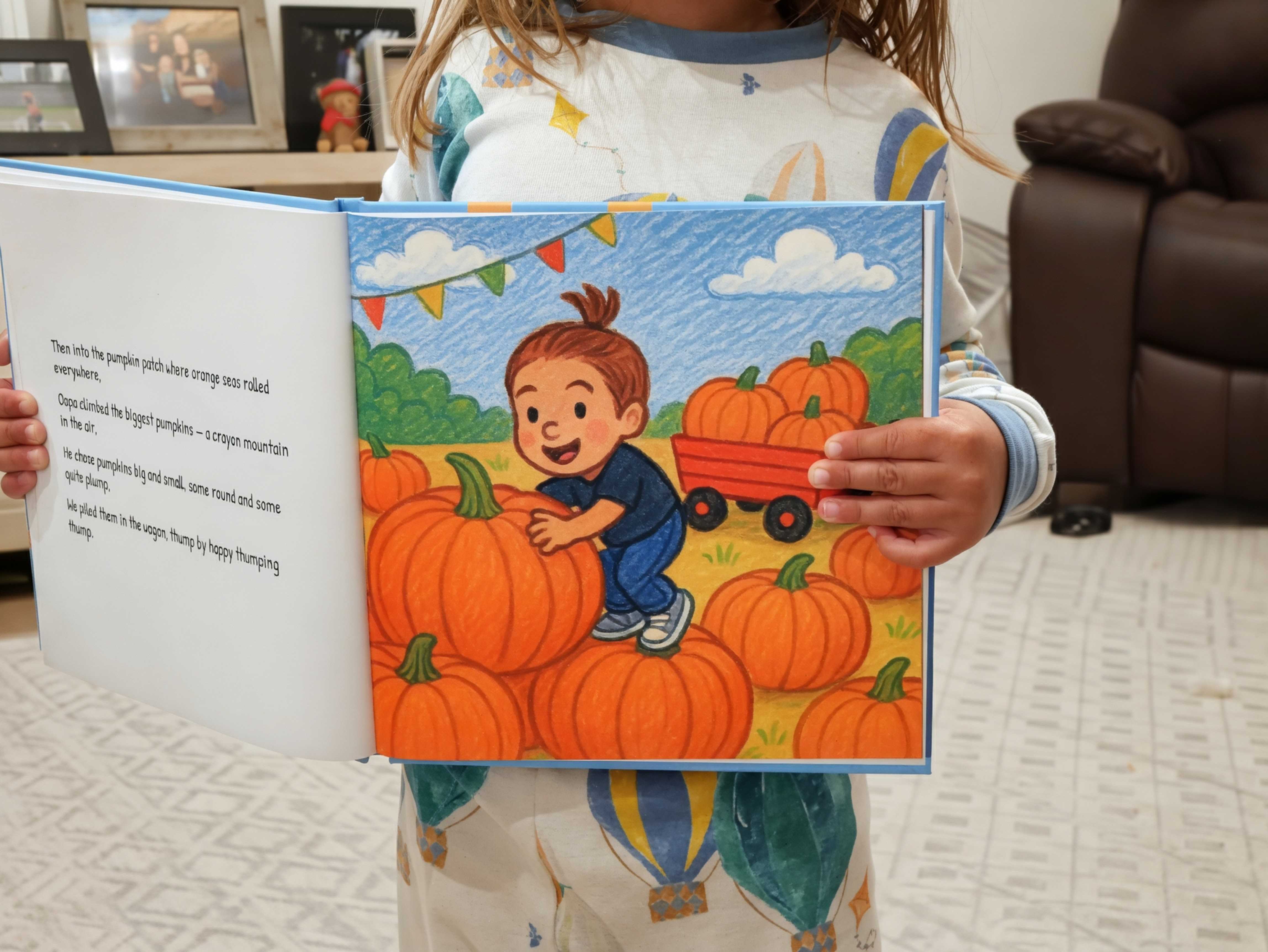
The most powerful tool for making dialogic reading meaningful is a story that feels personal. When a child sees themselves in the narrative, the connection deepens, and their motivation to participate skyrockets.
This is where a personalized book shines. A story that features your child’s name and reflects their own memories makes those Distancing prompts incredibly powerful. Connecting the book to their life—"Remember when we went to the beach just like the girl in this story?"—becomes effortless and genuinely moving.
This personal link transforms reading from a simple activity into a cherished experience, boosting both the literacy benefits and the emotional bond you’re building together. If you're looking for more ways to make storytime special, check out our guide on how to make reading fun for the whole family.
Got Questions? Let's Talk About Dialogic Reading
Even with the best intentions, trying something new like dialogic reading can feel a little fuzzy at first. That's perfectly normal! Let's walk through some of the most common questions I hear from parents, so you can feel confident turning storytime into a fun, chatty adventure.
Remember, the goal is always connection, not perfection.
When Should I Start? What Age is Best?
You can start sprinkling in the simplest bits of dialogic reading when your little one is around 18-24 months old. At this stage, it’s all about the basics. Stick to simple "Wh-" questions ("What's that?") and playful fill-in-the-blanks ("The cow says... moo!"). It’s more of a game than a lesson.
As they grow into their preschool years (ages 3-5), you can start layering in the more complex prompts. This is when you can introduce questions that ask them to recall details, share their own big ideas, or connect the story to their own life. You're gently guiding them from pointing at pictures to telling their own stories.
What if My Child Doesn't Answer My Questions?
First off, take a deep breath. This happens all the time, especially when you're just getting started. It’s a conversation, not a quiz. If you ask a question and get silence, just answer it yourself in a warm, relaxed way.
For example, you could point and ask, "I see a big, shiny apple! What color is it?" If they don't respond, you can just say cheerfully, "It's a bright red apple. Yum!" Keep the tone light and fun. The more they see you modeling it, the more comfortable they'll feel jumping in when they're ready.
The most important part is creating a positive, pressure-free space. Your child's engagement will blossom when reading feels like a joyful, shared activity, not a test. A little patience and consistency go a long way.
Do I Have to Do This Every Single Time We Read?
Oh, definitely not! It’s all about balance. Sometimes, your child just wants to snuggle up and listen to the rhythm of your voice as you read. That kind of quiet, cozy storytime is just as important for connection and building a love of books.
Think of dialogic reading as one of your go-to parenting tools. Try to pull it out a few times a week, especially when your child seems alert, chatty, and ready to engage. Let their mood be your guide.
Ready to make your child the hero of their own story? With Once Upon A Memory Books LLC, you can turn your family’s photos and memories into a beautiful, personalized book. It’s the perfect way to make dialogic reading even more personal and create a keepsake your child will treasure forever. Start creating your personalized storybook today.