Blog
Benefits of Reading Aloud to Children You Need to Know
Discover the incredible benefits of reading aloud to children. From boosting brain development to strengthening family bonds, learn why this simple act matters.
There are few things as simple, yet as powerful, as reading a story aloud to a child. This one small habit quietly builds the foundation for their future—accelerating language skills, nurturing a curious mind, and deepening the bond between you. Think of it as planting seeds for a lifetime of learning, one bedtime story at a time.
The Life-Changing Power of Reading Aloud
Every time you open a book together, you’re doing so much more than just reading words on a page. You’re introducing them to new ideas, far-off places, and characters who feel like friends. You're building a rich inner world for them to explore.
This isn’t just about learning the alphabet; it’s about constructing the very architecture of their developing brain. The steady rhythm of your voice, the shared giggles over a silly plot twist, and the quiet moments snuggled close create a profound sense of security and love. These moments are everything.
Why This Simple Habit Matters So Much
The payoff for this daily practice is huge and goes way beyond just learning to read. Even a short session can make an incredible difference. The main benefits of reading aloud to children really boil down to a few key areas:
A Boost for Language and Listening: Children soak up new words like little sponges. Hearing stories introduces them to complex sentences and the natural flow of language, helping them become better communicators and more attentive listeners.
Sharper Thinking Skills: Following a story improves memory, sparks imagination, and teaches them to think critically. They learn to guess what might happen next and start to understand why characters do the things they do.
A Stronger Emotional Connection: Reading together creates a special, screen-free bubble just for the two of you. Stories also give you a safe way to talk about big feelings like sadness or bravery, helping your child develop empathy.
Research shows that just 15 minutes of reading aloud each day can build a child’s knowledge, strengthen family bonds, and set them on a path toward long-term success in school.
This small investment of time pays off in massive ways. It helps kids see books as a source of joy, not a chore. As they listen, they’re absorbing not just the words, but the feeling and rhythm behind them—key ingredients for becoming a strong, confident reader. You can find more great info on how reading boosts literacy from the child health experts at the University of Rochester.
Key Benefits of Reading Aloud at a Glance
To put it simply, making time for a daily story touches every part of your child's development. Here’s a quick look at the biggest wins.
Benefit Area | Key Impact |
|---|---|
Language & Literacy | Expands vocabulary and builds foundational skills for learning to read. |
Brain Development | Stimulates imagination, memory, and critical thinking. |
Social-Emotional | Strengthens parent-child bonds and fosters empathy. |
Attention & Behavior | Improves focus and establishes a calming, positive routine. |
It's clear that these sessions aren't just about entertainment; they're about giving your child a holistic head start in life.
How Reading Builds a Richer Vocabulary
Imagine your child’s vocabulary is a box of Lego bricks. Every new word is another piece they can use to build sentences, share big ideas, and make sense of their world. Sure, you can hand them a few bricks with flashcards, but reading a story aloud gives them the blueprint—it shows them how all those pieces click together to create something incredible.
When you read a story, you’re not just listing words; you’re showing them in action. A child hears “enormous” not as a definition, but as the sound of a giant’s footsteps thudding through a forest. They understand “brave” by watching a small character stand up for a friend. It's this context that makes new words stick, turning them from abstract sounds into real tools they can use.
The Million Word Gap
The difference this makes is staggering. A landmark study revealed a jaw-dropping gap in word exposure between kids who are read to daily and those who aren't. Children who hear five stories a day are exposed to roughly 1.5 million more words by age five than their peers.
This chasm, known as the "million-word gap," has a massive ripple effect on language development and later success in school. You can dive into the full findings on the incredible impact of reading aloud.
And it isn't just about the sheer number of words. It's about the quality. The language found in books is often far richer and more complex than the words we use in everyday chit-chat.
Hearing sophisticated words woven into a story helps children naturally absorb their meaning without needing a formal lesson. This process builds a strong, diverse vocabulary that becomes the foundation for everything they'll learn later.
This infographic gives a great visual of how reading aloud nurtures not just language, but cognitive skills and emotional bonds, too.
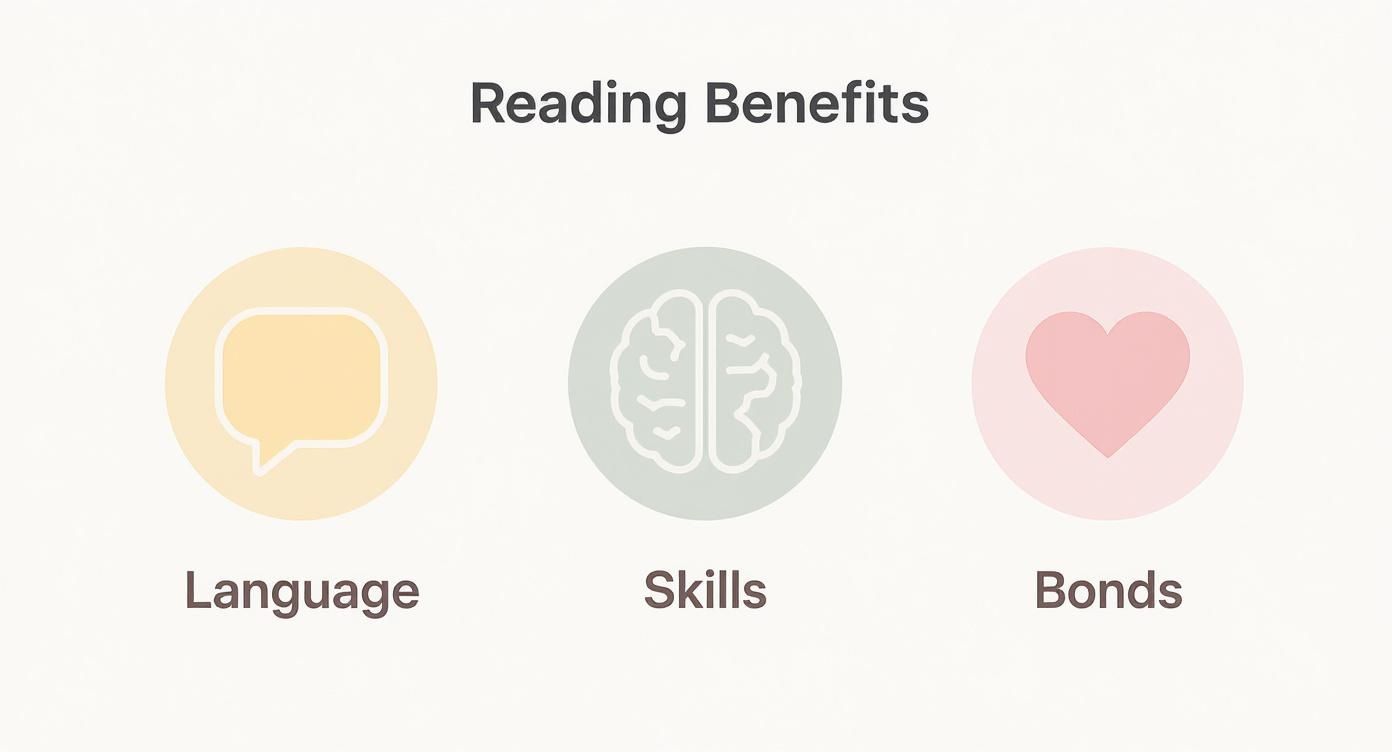
As you can see, the benefits are all connected. A richer vocabulary sharpens thinking skills and deepens the connection you share during storytime.
Different Books Build Different Skills
Just like a varied diet nourishes the body, a diverse bookshelf nourishes a child's vocabulary. Each type of story offers unique linguistic building blocks that contribute to a well-rounded understanding of language.
Rhyming and Repetitive Books: These are perfect for the littlest listeners. The predictable, sing-song patterns help them anticipate what’s coming next, making it easier to learn and remember new words. Think of it as a fun verbal game.
Narrative Storybooks: Classic fairy tales and modern picture books introduce plot, character, and descriptive language. They expose kids to words for emotions, actions, and settings that they might not bump into in their daily routine.
Non-Fiction and Informational Books: Reading about dinosaurs, outer space, or trucks introduces specialized vocabulary. This expands their knowledge and gives them the precise words to talk about their favorite topics with confidence.
By mixing up the genres, you’re providing a rich and varied "word diet." This is one of the most powerful benefits of reading aloud to children—it continuously expands their mental library, getting them ready to communicate, learn, and imagine with greater ease.
Nurturing Brain Development and Cognitive Skills
While a growing vocabulary is one of the most obvious rewards of reading, something even more profound is happening beneath the surface. Every story you share is like a workout session for your child's developing brain, building crucial cognitive muscles that will support them for life.
Think of it as a mental gym where listening is the main exercise.
Following a plot, remembering what happened on the last page, and guessing what might happen next are all powerful exercises for memory and sequencing. When a child listens, their brain is actively working to piece together the narrative, strengthening the neural connections responsible for memory.
This process does more than just help them remember the story; it builds the foundational architecture for learning in all other areas, from recalling math facts to following multi-step instructions in a classroom.
This mental workout is one of the most significant long-term benefits of reading aloud to children, preparing their minds for more complex learning down the road.
Sparking Imagination and Critical Thought
Stories are pure fuel for a child's imagination. As you read the words aloud, their mind gets to work creating the visuals—the towering castle, the spooky forest, the brave hero. This act of visualization is a critical cognitive skill, one that lays the groundwork for creativity and problem-solving.
Reading together also gently nudges them to think more deeply. You can prompt this with simple, open-ended questions that build critical thinking skills:
"Why do you think the little bear was sad?"
"What do you think will happen on the next page?"
"If you were the main character, what would you have done?"
These little questions turn passive listening into an active, engaging mental exercise. Stories become a safe playground for exploring cause and effect, empathy, and decision-making without any real-world consequences.
Building Focus and Attention Span
In a world full of notifications and quick-cut videos, the ability to concentrate is a superpower. Reading aloud, consistently, helps lengthen your child's attention span. At first, they may only sit still for a few minutes, but over time, they learn to focus for an entire story.
That quiet, focused time trains their brain to pay attention—a skill that translates directly to listening in the classroom and tackling homework on their own.
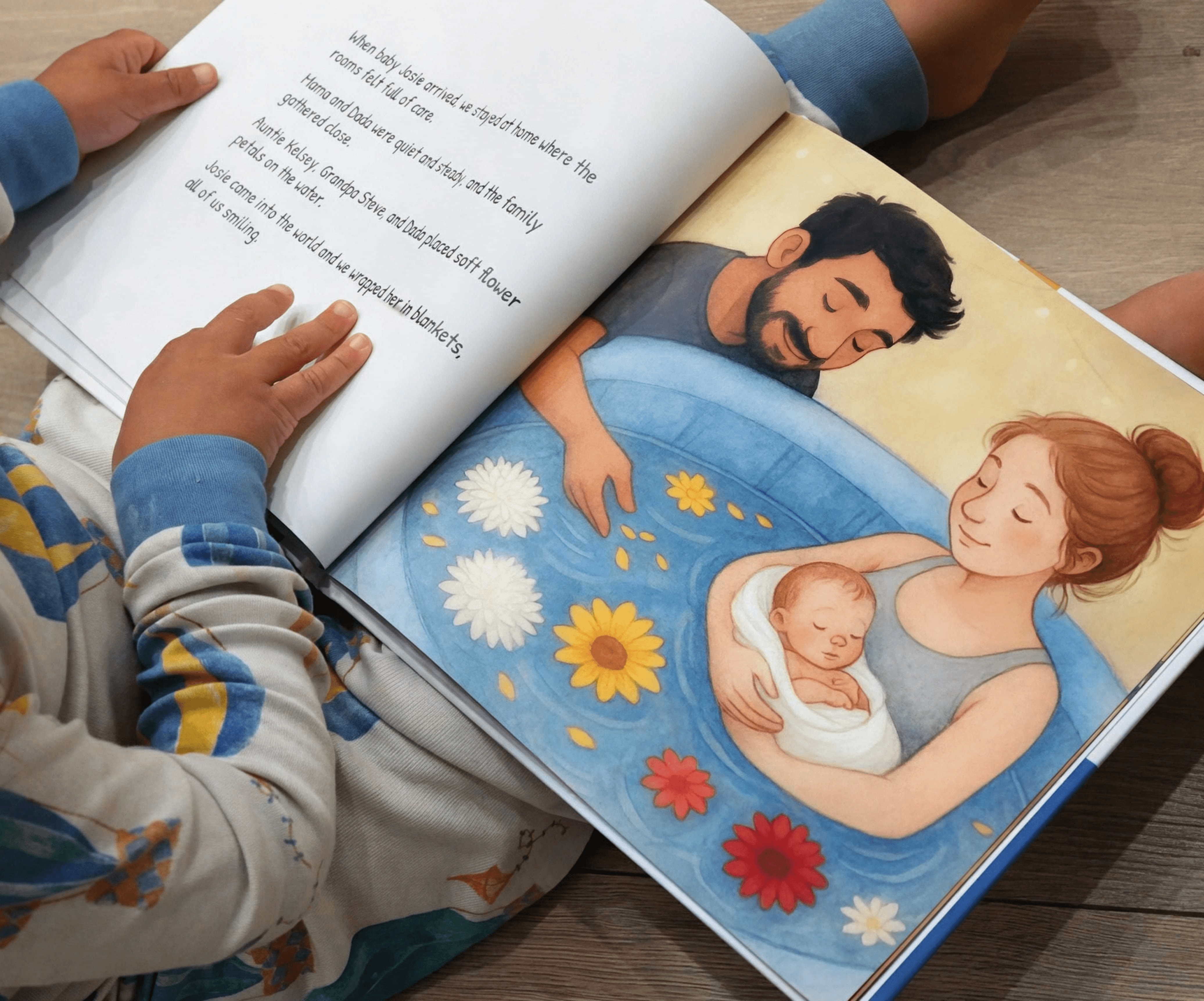
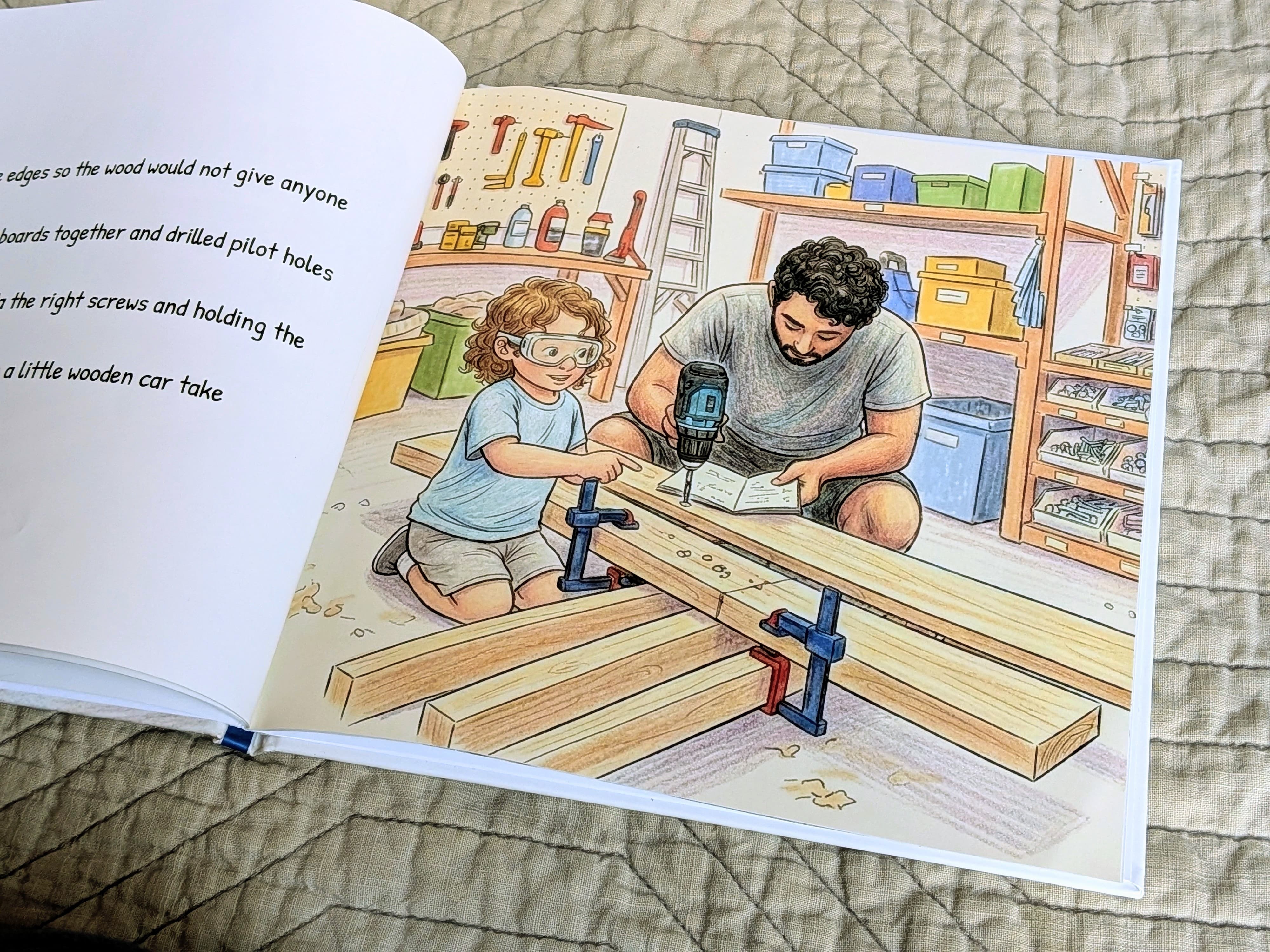
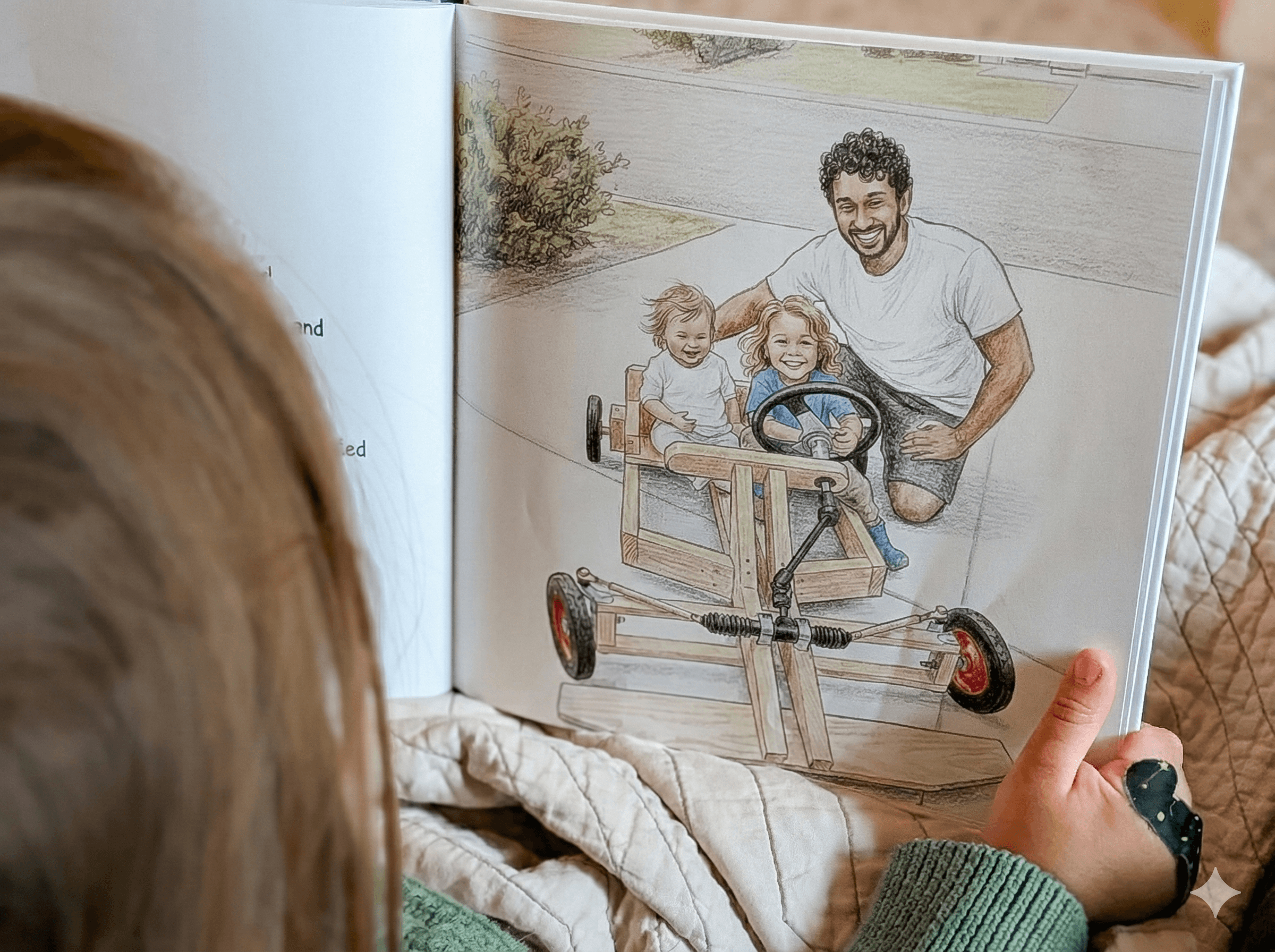
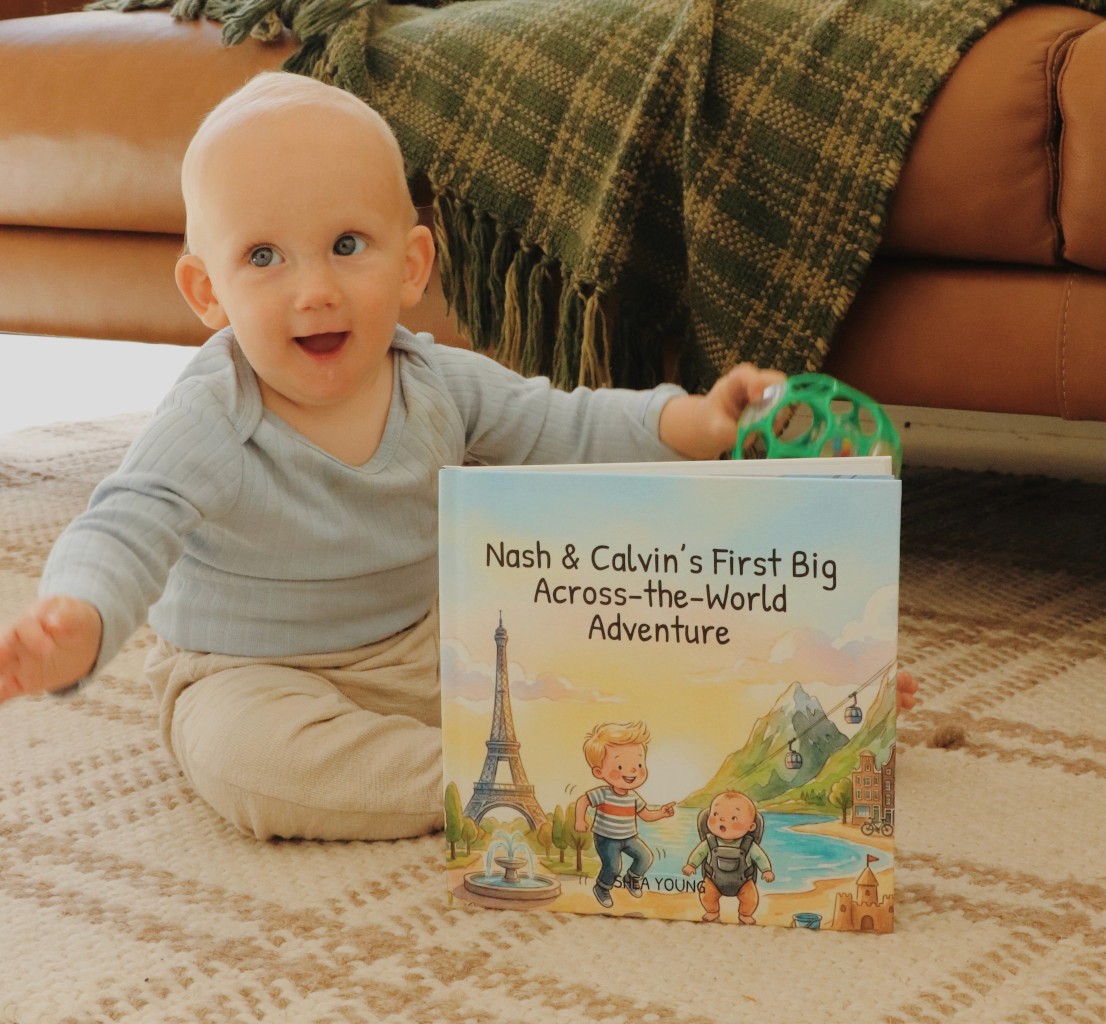
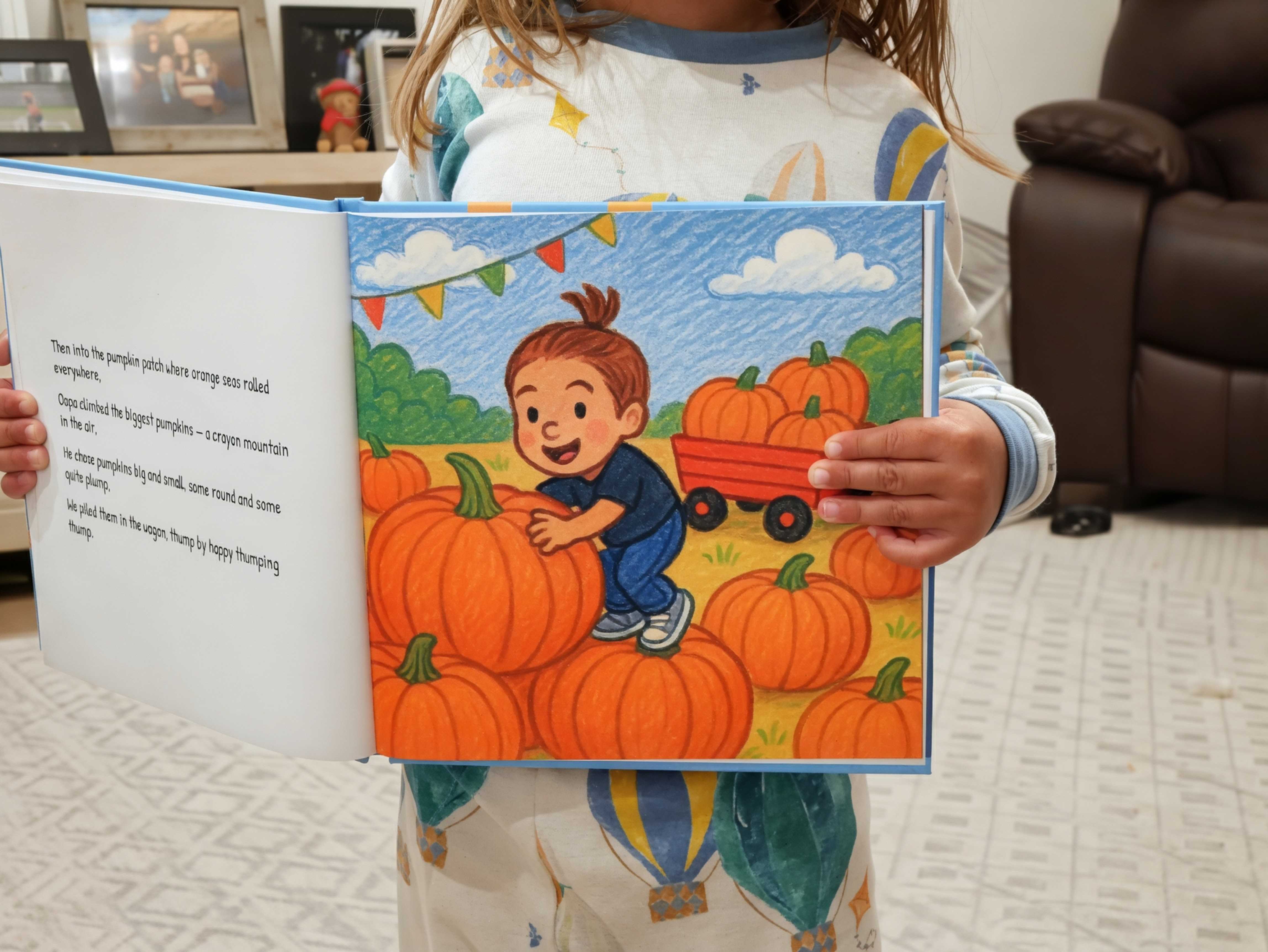
One of the best ways to capture and hold their focus is to make them the star of their own story. Learning more about the magic of personalized story books for kids can show you how to make reading an even more captivating experience, strengthening these vital cognitive skills one page at a time.
Strengthening Emotional Bonds and Fostering Empathy
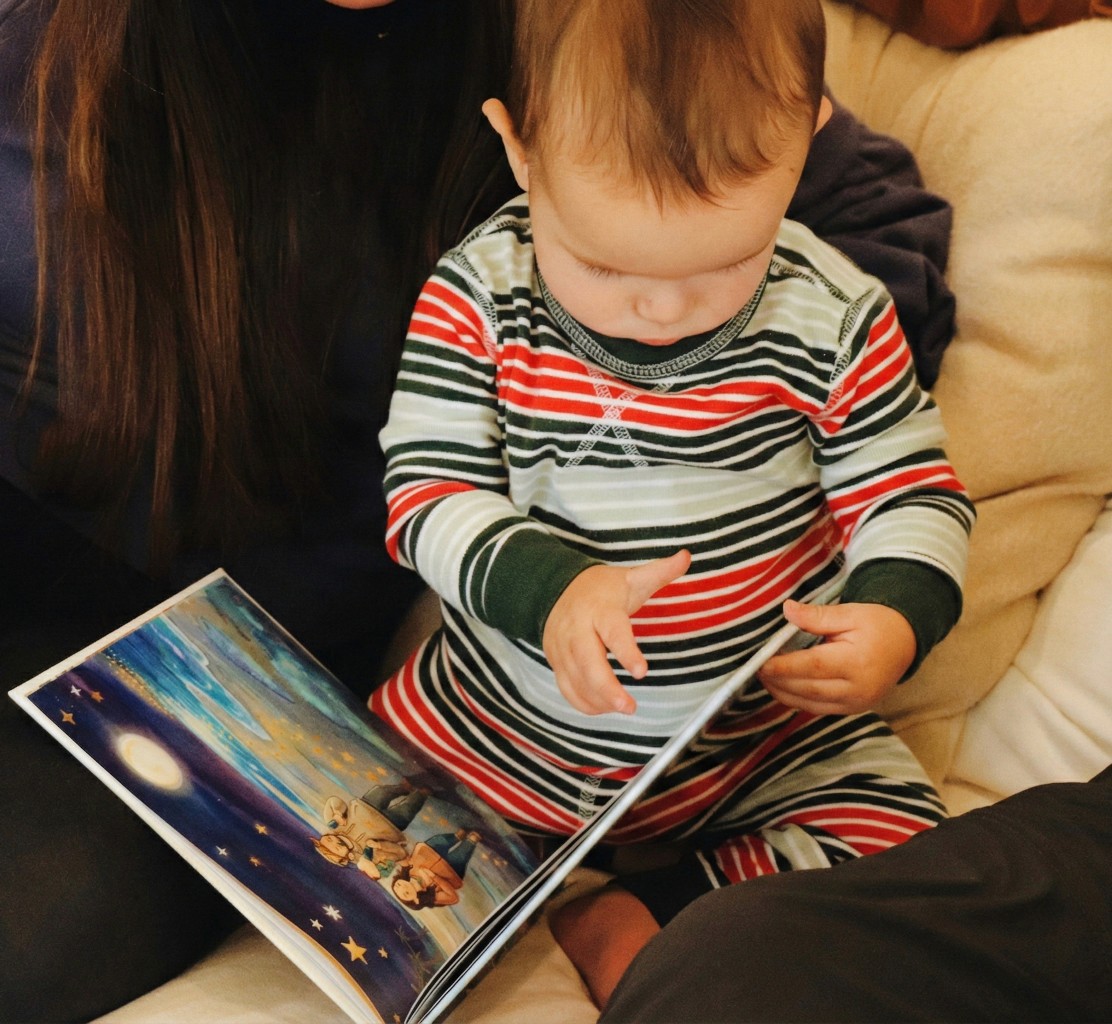
Beyond just building a sharper mind, the simple act of reading together builds a stronger heart. When you cuddle up with a book, you create a unique, screen-free sanctuary where the only thing that matters is the story and the time you share. This quiet, focused attention sends a powerful message of love and security, strengthening the parent-child bond in a way few other activities can.
In these moments, a book is so much more than just paper and ink; it becomes a bridge between your hearts. The shared giggle over a silly character or the collective gasp at a surprising plot twist forges a special kind of connection. This consistent, positive time together builds a deep well of trust and affection, making story time a cherished ritual that truly nourishes your relationship.

A Safe Space to Explore Big Feelings
Stories offer a safe, gentle way to introduce kids to complex emotions. When a character in a book feels sad, scared, or overjoyed, it gives your child a chance to see those feelings from a distance. This is one of the most powerful benefits of reading aloud to children—it builds their emotional vocabulary, helping them find the words for their own big feelings.
Books can act as both a mirror, reflecting a child's own experiences, and a window, offering a glimpse into the lives and feelings of others. By following a character's journey, children learn that it's okay to feel all sorts of emotions and they get to see healthy ways to navigate them.
Stories are empathy-building machines. By stepping into a character's shoes, a child learns to understand perspectives different from their own, a foundational skill for kindness, compassion, and emotional intelligence.
Starting Important Conversations
Have you ever struggled to talk about a tough topic like sharing, the first day of school, or even loss? Books can be the perfect icebreaker. A thoughtfully chosen story provides a natural opening to discuss these tricky subjects in a way that feels supportive, not scary.
For instance, reading a story about a character who is afraid of the dark can gently lead to a conversation about your child's own nighttime fears. This process helps them feel seen and understood, giving you the perfect opportunity to offer comfort and reassurance. By using stories as a springboard for dialogue, you show them that you are a safe person to talk to about anything, building a foundation of open communication that will last a lifetime.
How to Make Reading Aloud a Cherished Routine
Knowing all the amazing benefits is one thing, but actually turning storytime into a joyful, consistent habit? That’s something else entirely. The goal isn’t perfection; it’s connection. You want to make reading together a special, predictable part of the day your child genuinely looks forward to.
It all starts with making it easy. Keep books everywhere, not just tucked away on a high shelf. A basket by the sofa, a few in the car, and a stack by their bed makes it simple to grab a story whenever a quiet moment pops up. This sends a clear signal: reading isn't a formal event, it's just a normal, wonderful part of life.
Consistency beats duration every time. A dedicated 10-15 minutes each day is far more powerful than one long, random session. Bedtime is a classic for a reason—it’s a natural winding-down point that helps calm the mind and body, linking books with comfort and security.

Go Beyond Just Reading the Words
To really get the most out of storytime, think of yourself less as a narrator and more as a co-explorer. Reading shouldn't be a monologue. This active, shared experience is what truly cements all those incredible cognitive and emotional benefits we've talked about.
A few simple tricks can completely transform your read-alouds:
Do the Voices: You don’t need to be a professional actor! A squeaky voice for a mouse or a deep rumble for a giant brings the story to life and helps your child understand emotion and tone. It's about fun, not performance.
Ask “What If” Questions: Pause and ask things like, "What do you think will happen next?" or "Why do you think the wolf did that?" This gets their little gears turning, building critical thinking skills and making them a true participant in the adventure.
Point to the Pictures: Connect the words you’re saying to the illustrations on the page. It’s a simple action that helps build vocabulary and reinforces word recognition for tiny future readers.
Interactive reading turns passive listening into active engagement. When children are invited to ask questions, make predictions, and discuss the story, they build deeper comprehension and a much more personal connection to books.
This kind of engagement is also a powerful motivator. In fact, research shows that kids who actively participate in read-alouds are more likely to become frequent, independent readers down the road. You can find more insights on how these habits shape future readers in this Scholastic report.
Overcoming Common Hurdles
What if your toddler just won't sit still? That's completely normal, I promise. Don't try to force them into being motionless. Let them wiggle, play with a quiet toy, or even act out the story while you read. They are still listening and absorbing every word. The goal is a positive association with books, not rigid obedience.
And for older kids who can already read on their own? Keep reading aloud! Pick chapter books that are just a little above their independent reading level. This introduces them to more complex plots and richer vocabulary, bridging the gap between what they can listen to and what they can read themselves. Plus, this shared experience keeps the door open for conversations about bigger, more mature themes as they grow.
Ultimately, building a reading routine is about finding what works for your family. For more ideas and strategies, check out our guide on how to raise a reader and encourage a love of books. The most important thing is to make it a time of warmth and enjoyment, creating positive memories that will last a lifetime.
Overcoming Common Reading Challenges
Even with the best intentions, some days, storytime just doesn't happen. Life gets chaotic, little bodies get wiggly, and sometimes a child is simply not in the mood for a book. If you’ve ever felt discouraged by this, please know: these hurdles are completely normal, and you’re not alone.
The goal isn't perfect attendance; it's about fostering a warm, joyful connection to reading. This isn't about forcing a rigid schedule. It’s about being flexible. If they’re too antsy for a long story, grab a shorter one. If they want to play with Legos while you read, let them. They're still listening, still soaking in the rhythm and the words.
Tackling Common Misconceptions
One of the biggest myths I hear is that you should stop reading aloud once your child can read on their own. Honestly, this couldn't be further from the truth. Reading to an older child is a completely different kind of magic.
You get to introduce them to books with more complex plots, richer vocabulary, and deeper emotional themes than they could handle by themselves. This bridges the gap between what their brain can understand and what their eyes can decode, supercharging their literacy skills.
Another big one is navigating a world overflowing with screens. It’s tough to compete with the instant buzz of a tablet or TV. Finding a healthy balance is key. For some practical ideas on this, check out our guide on screen time vs. story time.
Practical Solutions for Busy Families
Finding the time can feel like the biggest obstacle of all. But reading doesn't have to be a grand, 30-minute production every night. Weaving tiny reading moments into the nooks and crannies of your day can be just as powerful.
Here are a few simple strategies that work for us:
Read during meals: A picture book over breakfast or a chapter during dinner can be a surprisingly calm and connecting part of the day.
Keep books in the car: Turn that waiting time at school pickup or in a doctor's office into a mini storytime.
Let them choose: This is a game-changer. Giving your child ownership over what you read dramatically boosts their excitement and engagement.
When you reframe these challenges as opportunities to get creative, you keep the magic of reading alive. Trust me, the incredible benefits are well worth navigating these common bumps in the road.
Your Questions, Answered
As parents, we all have questions when we're trying to build a new habit. Getting clear on the little details helps you move forward with confidence, knowing every storytime is making a difference. Let's tackle some of the most common ones we hear.
At What Age Should I Start Reading to My Child?
The simple answer? From day one.
Newborns might not follow the plot of Goodnight Moon, but they absolutely benefit from the rhythm of your voice and the quiet, cozy time together. This early exposure isn't about comprehension; it's about connection and building the neural pathways that are the very first stepping stones to language.
Grab some high-contrast, simple board books. Your goal right now is to associate your voice, your warmth, and books with comfort and love.
What if My Child Is Too Active for Stories?
This is probably the most common worry I hear, especially from parents of toddlers. First, let's reframe this: a wiggly child isn't a child who isn't listening. They're just absorbing the story in a way that works for their busy little body.
Don’t force them to be perfectly still. Instead, try a few of these tricks:
Keep it short and sweet. A few focused minutes are more powerful than a 20-minute battle of wills.
Pick interactive books. Anything with flaps to lift, textures to touch, or sounds to make keeps their hands just as engaged as their ears.
Read during calm-down moments. Storytime can be a great wind-down after a bath, or a nice distraction while they’re strapped into their high chair for a snack.
Should I Stop Reading Aloud When They Can Read Alone?
Please don't! This is a golden opportunity. Continuing to read aloud to an independent reader is one of the most powerful things you can do for their literacy journey.
Why? Because you can introduce them to chapter books with far more complex plots, richer vocabulary, and deeper themes than they could manage on their own.
Think of it this way: their listening comprehension is often years ahead of their independent reading level. Reading aloud bridges that gap, pulling their reading skills up while keeping the door wide open for incredible conversations about the story.
Ready to turn your family's favorite memories into a story they'll ask for again and again? At Once Upon A Memory Books LLC, we create beautiful, personalized storybooks that make your child the star. Create your custom book today and make storytime unforgettable.