Blog
What Is Emergent Literacy and Why It Matters for Your Child
Discover what is emergent literacy and how to support your child's natural journey to reading with simple activities, key milestones, and practical tips.
If you think learning to read starts in a classroom, I have some wonderful news for you. The real journey begins the moment you bring your baby home.
It’s called emergent literacy, and it’s the beautiful, natural unfolding of skills that a child develops long before they ever learn their ABCs. Think of it less like a formal lesson and more like the way a child learns to talk—not through flashcards, but through constant, loving immersion in a world of sound and connection.
This isn’t about pushing phonics on a toddler. It’s about recognizing the magic in the small moments: the babbling, the pointing, the scribbling. Those are the true building blocks of a reader.
The Journey to Reading Begins at Birth
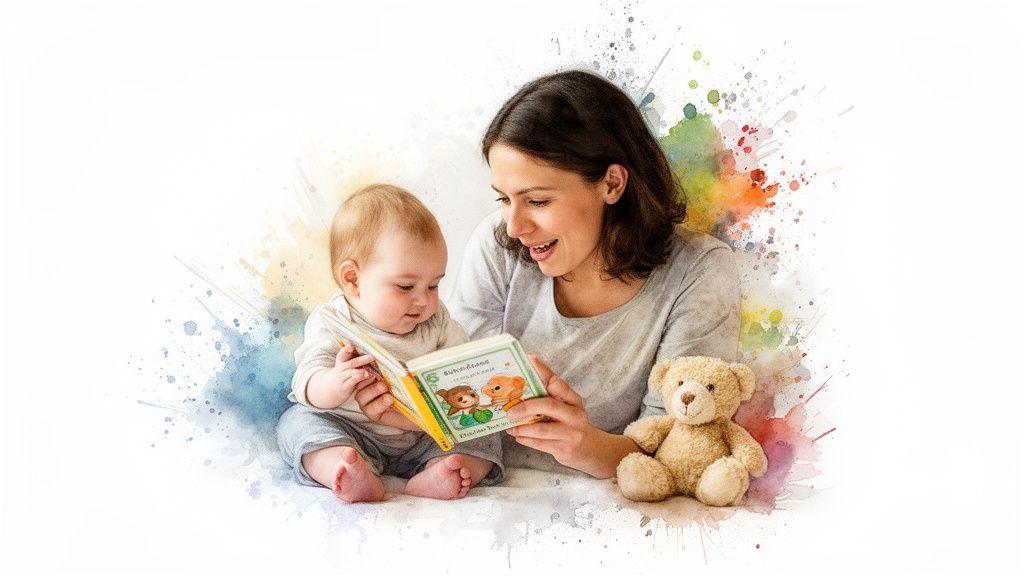
The path from birth to preschool is where all the groundwork is laid for future reading and writing success. Experts call this phase the intersection of spoken language and the very first steps toward understanding how books work and how words sound. You can find more great insights into this early learning process from the South Dakota Community Foundation.
It’s about creating a rich, playful environment where stories and language are sources of joy, not pressure.
What Does Emergent Literacy Look Like?
So, what does this look like in real life, with a busy toddler and a pile of laundry? It’s simpler and more intuitive than you might think.
Emergent literacy shows up in countless small, everyday interactions:
Babbling and Cooing: These aren't just cute noises! They're a baby's first experiments with language, learning the rhythm and turn-taking of conversation.
Handling Books: When your toddler grabs a board book (even if it's upside down) and chews on the corner, they're learning that books are objects with a purpose.
Scribbling with Crayons: Those wild, colorful squiggles are your child's first attempts at writing. They’re discovering that marks on a page can mean something.
Singing Rhyming Songs: Clapping along to "Twinkle, Twinkle, Little Star" is a powerful lesson in phonological awareness—the ability to hear the sounds and rhythms in language.
The most powerful takeaway for parents is this: you are already your child's most important literacy teacher. Every song you sing, every story you tell, and every conversation you have is nurturing their ability to read.
This simple shift in perspective takes all the pressure off. The goal isn’t to raise the earliest reader on the block. It’s to foster a lifelong love for stories and communication.
By simply talking, singing, and sharing books in a warm, loving home, you’re giving your child the greatest head start possible.
The Five Core Skills Every Future Reader Develops
So, what does it actually take for a little one to learn to read? It’s not a single switch that flips on. Instead, think of it as a beautiful recipe with five core ingredients that blend together over time.
These skills don’t develop in a straight line or all by themselves. They weave together, with a little progress in one area often giving a huge boost to another. When you know what to look for, you start to see this incredible learning happening in the simplest, most ordinary moments.
These five areas are the foundation that turns everyday chatter and playtime into the ability to read for life. For anyone wanting to dig into the research, these summaries on emergent literacy from EBSCO are a great starting point.
Let’s break down what these five skills really look like in a way that feels practical, not academic.
Print Awareness: The ‘Aha!’ Moment
The first big step is Print Awareness. This is that magical moment when a child realizes the squiggles on a page—or a cereal box, or a street sign—actually mean something. It’s the growing understanding that print is all around us and it has a purpose.
This is where they learn the basic rules of the road for reading:
Book Handling: Knowing how to hold a book right-side up.
Directionality: Figuring out that in English, we read from left to right and top to bottom.
Print Has Meaning: Realizing the words on the page tell the story, not just the pictures.
Ever seen a toddler hold a book upside down and "read" you the story from the pictures? That’s it! They’re getting the big idea that books are for storytelling, and that’s a huge first step.
Phonological Awareness: Tuning In to Sounds
Next up is Phonological Awareness. This is all about hearing and playing with the smaller sounds in spoken language. It has absolutely nothing to do with seeing letters on a page—it's 100% an auditory skill.
Think of the simple joy of realizing "cat" and "hat" rhyme, or clapping out the syllables in a word like "wa-ter-mel-on." This big umbrella skill covers a lot of ground:
Rhyming: Noticing words that sound the same at the end.
Alliteration: Catching words that start with the same sound ("Silly Sally sells seashells...").
Syllable Segmentation: Breaking words into their "beats" or parts.
Think of phonological awareness as a child’s superpower to tune their ears into the music of language. It's a playful skill that forms the bedrock for later decoding words.
As kids get better at this, they start developing phonemic awareness, which is the most advanced part of this skill—the ability to hear and work with individual sounds. For parents looking to support this crucial step, our guide on how to teach phonemic awareness has tons of simple, effective activities.
Letter Knowledge: Connecting Squiggles to Sounds
While phonological awareness is all about hearing, Letter Knowledge is all about seeing. This is when kids start to recognize that the alphabet is a special set of symbols, and that each of those symbols has a name and makes a sound.
It usually starts with recognizing the letters in their own name and slowly grows from there. When a child points to a stop sign and yells, "S!", they're putting this skill into action. It’s the bridge that connects the spoken sounds they’ve been hearing to the written symbols on a page.
Vocabulary: Building a World of Words
Quite simply, Vocabulary is the collection of words a child knows and understands. The more words a child hears through stories and everyday conversations, the bigger their mental dictionary gets. And a rich vocabulary is one of the single biggest predictors of reading comprehension later on.
A child with a large vocabulary doesn't have to pause to figure out what a word means; they can focus on what the story is actually about. Just narrating what you’re doing at the grocery store or describing the clouds in the sky is an incredibly powerful way to build their word bank.
Narrative Skills: The Art of Storytelling
Finally, there are Narrative Skills—a child's ability to understand and retell a story. This means they’re starting to grasp the basic structure of a story: that it has a beginning, a middle, and an end, with characters and a clear sequence of events.
When you ask your child, "What did you do at the park today?" and they string together a simple series of events, they're practicing their narrative skills. Reading books together is the absolute best way to model this, as stories naturally show them how to organize ideas into a tale that makes sense.
Your Child’s Reading Journey from Birth to Age Five
The path to reading isn't a race with a finish line; it’s a beautiful, unfolding story. Every coo, every scribble, and every pointed finger is a new chapter building on the last. When you know what to look for, you can celebrate each tiny victory and see how your everyday chats and cuddles are laying the groundwork for a lifetime of reading.
Let's forget the clinical timelines for a minute. Think of this journey in three acts: the sensory explorations of infancy, the joyful discoveries of the toddler years, and the imaginative creations of the preschooler.
The First Chapter: The World of the Baby (0-12 Months)
In that first year, learning is all about the senses. Babies are soaking up the world through sounds, sights, and touch. Long before they can say "mama," their brains are wiring themselves for language.
You see it when your baby turns their head at the sound of your voice. That simple reflex is actually one of the very first signs of phonological awareness. They're learning to pick your voice out from all the other noises, connecting it with comfort and love.
Vocal Play: Those babbles and coos aren't just cute noises. They're practice! Your baby is experimenting with the rhythms and tones of speech, mimicking the musical patterns they hear when you talk.
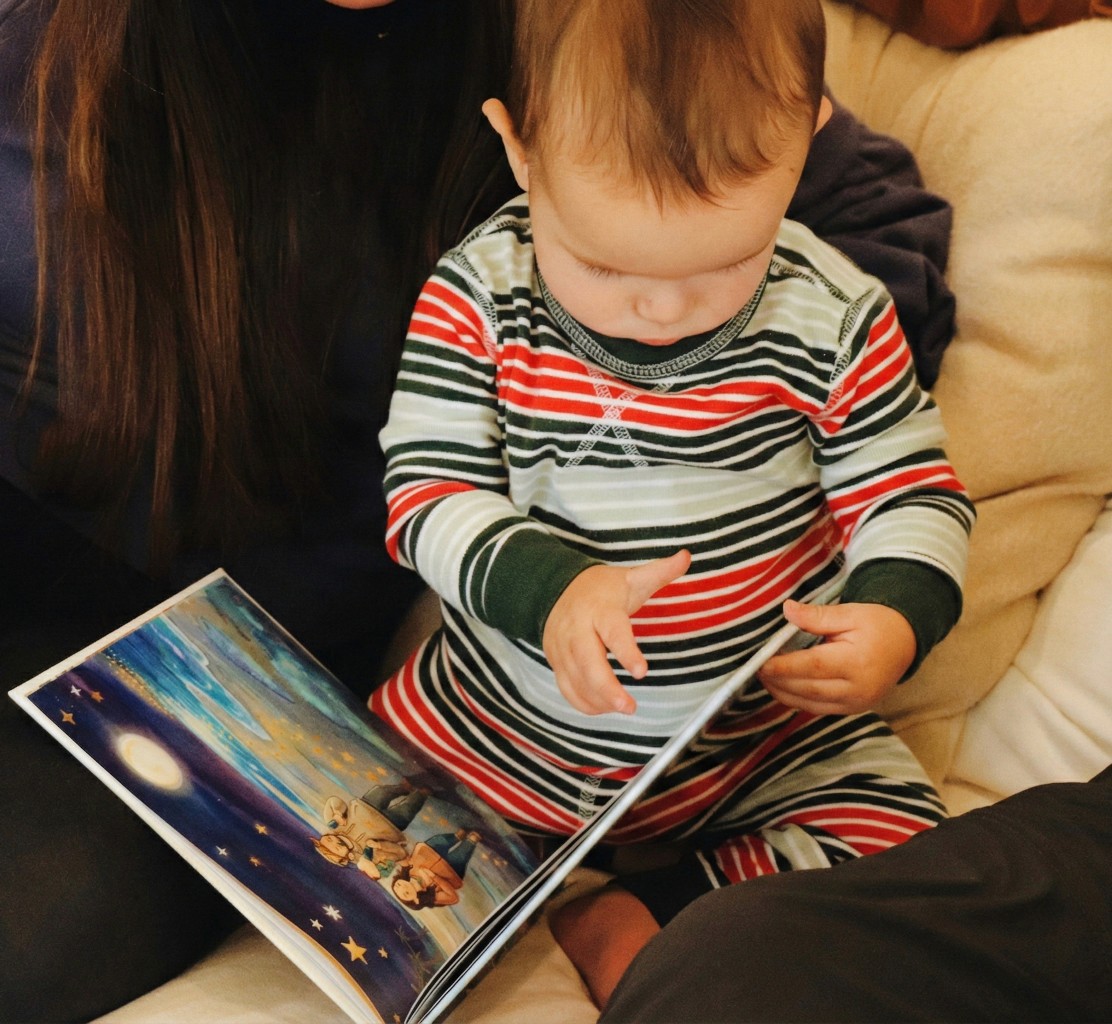
Book Exploration: At this stage, a board book might get chewed on, patted, or dropped. This is perfect. This physical interaction is teaching them that books are interesting, hands-on objects.
Gesture and Response: When a baby points at a toy or lifts their arms to be picked up, that's communication. They're learning that actions have meaning—a foundational concept for all language.
The most important thing during this stage is the warm, loving sound of your voice. Every nursery rhyme you sing, every story you read, and every gentle "hello" strengthens your bond while literally building your baby's brain for language.
The Second Chapter: The Toddler’s World of Discovery (1-3 Years)
This is the age of explosion. Toddlers aren't just absorbing language anymore; they're using it with purpose and a whole lot of personality. This is when their understanding of stories and print starts to click in exciting (and often hilarious) ways.
You’ll see them start to "read" their favorite books from memory, using the pictures as clues. They might not get the words exactly right, but they've grasped a huge concept: the pictures on the page tell the story.
This timeline shows just how beautifully these skills flow from one to the next, building a strong foundation for reading.
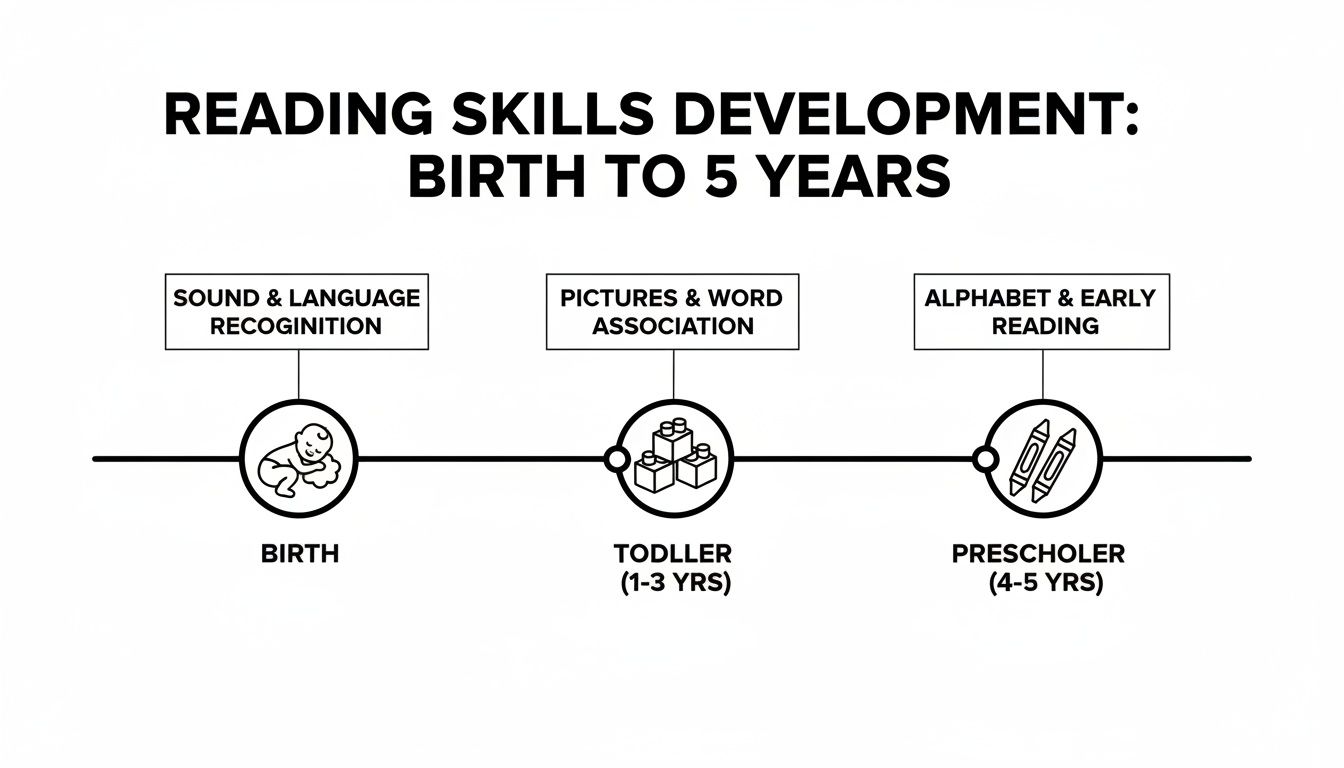
It’s not about checking off boxes but about seeing how listening to sounds as a baby helps them understand words as a toddler, which in turn helps them recognize letters as a preschooler.
Key Milestones for Toddlers
As toddlers find their footing, their literacy skills become much more obvious and interactive.
Finishing Sentences: Pause while reading a familiar book, and your toddler might just shout the last word. This shows they're picking up on language patterns and developing early narrative skills.
Naming Objects: They'll point to pictures in a book and proudly yell, "Doggy!" or "Ball!" This builds their vocabulary and cements the idea that pictures and words represent real things.
Purposeful Scribbling: Their scribbles start to have intention. A toddler might make a mark on a page and tell you, "That's daddy," showing they get that marks on a page can carry meaning.
The Third Chapter: The Preschooler’s World of Imagination (4-5 Years)
Preschoolers are becoming confident storytellers. Their grasp of language is more complex, and they’re finally starting to connect spoken words with the actual letters on a page. This is where all those foundational skills really start coming together.
One of the most thrilling developments is their growing print awareness. They might recognize the golden arches of McDonald's or point out the first letter of their own name on a sign. This is a massive leap—they're connecting abstract symbols to specific meanings out in the real world.
Preschoolers also begin telling their own stories, often with a clear beginning, middle, and end. These imaginative tales, filled with dragons or talking pets, are a direct result of their developing narrative skills. They're learning to structure thoughts in a logical sequence, a skill absolutely essential for understanding books later on.
Other signs you might notice include:
Letter Recognition: They can identify many letters of the alphabet, especially the ones in their own name.
Rhyming Fun: They actively enjoy rhyming books and might even start making up their own silly rhymes—a fantastic sign of phonological awareness.
Interest in Writing: They'll try to write their name or other familiar words, even if the letters are backward or all jumbled up.
From the first gurgle to a self-told story, every single step on this journey is a win. By recognizing and celebrating these milestones, you can feel confident that you're nurturing a happy, successful future reader.
Turning Daily Routines into Literacy Adventures
Here’s the beautiful thing about emergent literacy: you don’t need a curriculum or scheduled “learning time.” Your home is already a rich learning environment, and your daily routines are the perfect chance to nurture the skills your child needs to become a reader.
You can put away the flashcards and special apps. A real love for language happens naturally during trips to the grocery store, while making dinner, or even during a simple car ride. It's all about turning those mundane moments into playful, language-filled adventures.
The key is to be intentional but keep it fun, weaving conversation and observation into the things you’re already doing. This makes learning feel like a game, not a chore, and builds positive feelings around words and stories right from the start.
At the Grocery Store
Think of the grocery store as a vibrant, real-world classroom filled with letters, colors, and words. Instead of rushing through the aisles, you can transform your shopping trip into an exciting literacy game that builds several core skills at once.
Play “I Spy” with Letters: Challenge your little one to find the first letter of their name on a cereal box or a can of soup. It’s a simple game that makes letter knowledge tangible and exciting.
Talk About the List: As you add items to the cart, narrate what you’re doing. “Okay, next we need apples. Apples start with the letter A.” This connects spoken words to written print and gives their vocabulary a boost.
These small interactions reinforce a huge idea: print is everywhere, and it has a purpose.
In the Kitchen
The kitchen is the heart of the home, and it’s a fantastic place for storytelling and building vocabulary. Cooking and preparing snacks naturally follow a sequence of steps, which is the perfect way to practice narrative skills without even trying.
When you talk through how to make a sandwich, you're modeling how stories work. "First, we get two slices of bread. Next, we spread the peanut butter. Finally, we put them together!" This simple act teaches the concepts of beginning, middle, and end.
Every recipe is a story, and every shared meal is a conversation. By inviting your child into these moments, you're not just making food—you're feeding their growing mind and building their understanding of how language works.
During Car Rides
Car rides can feel long for little ones, but they also give you a captive audience for sound play and rhyming games. These activities are powerful tools for developing phonological awareness—the ability to hear the individual sounds in language.
Silly Rhyming Songs: Make up rhymes about the things you see out the window. "Look at that big, red truck! I hope it doesn't get stuck!"
Sound Hunts: Pick a sound, like /b/, and have your child point out things that start with it. "I see a blue car! Blue starts with /b/!"
These games tune your child’s ear to the music of language, a critical skill for sounding out words later on. There are so many ways to make reading playful, and you can find more great tips in our guide on interactive storytelling ideas for toddlers.
At Bedtime
The bedtime routine is perhaps the most classic and powerful literacy adventure of all. Cuddling up with a book creates a warm, secure, and positive connection with reading that can last a lifetime.
It's a time for bonding and building a rich world of words. When you read together, you introduce new vocabulary, model what fluent reading sounds like, and explore the structure of stories. Let your child turn the pages and point to the pictures, making it an interactive, shared experience. This daily ritual tells them that stories are special, valuable, and a wonderful way to end the day.
Why Personalized Storybooks Make Such a Big Difference
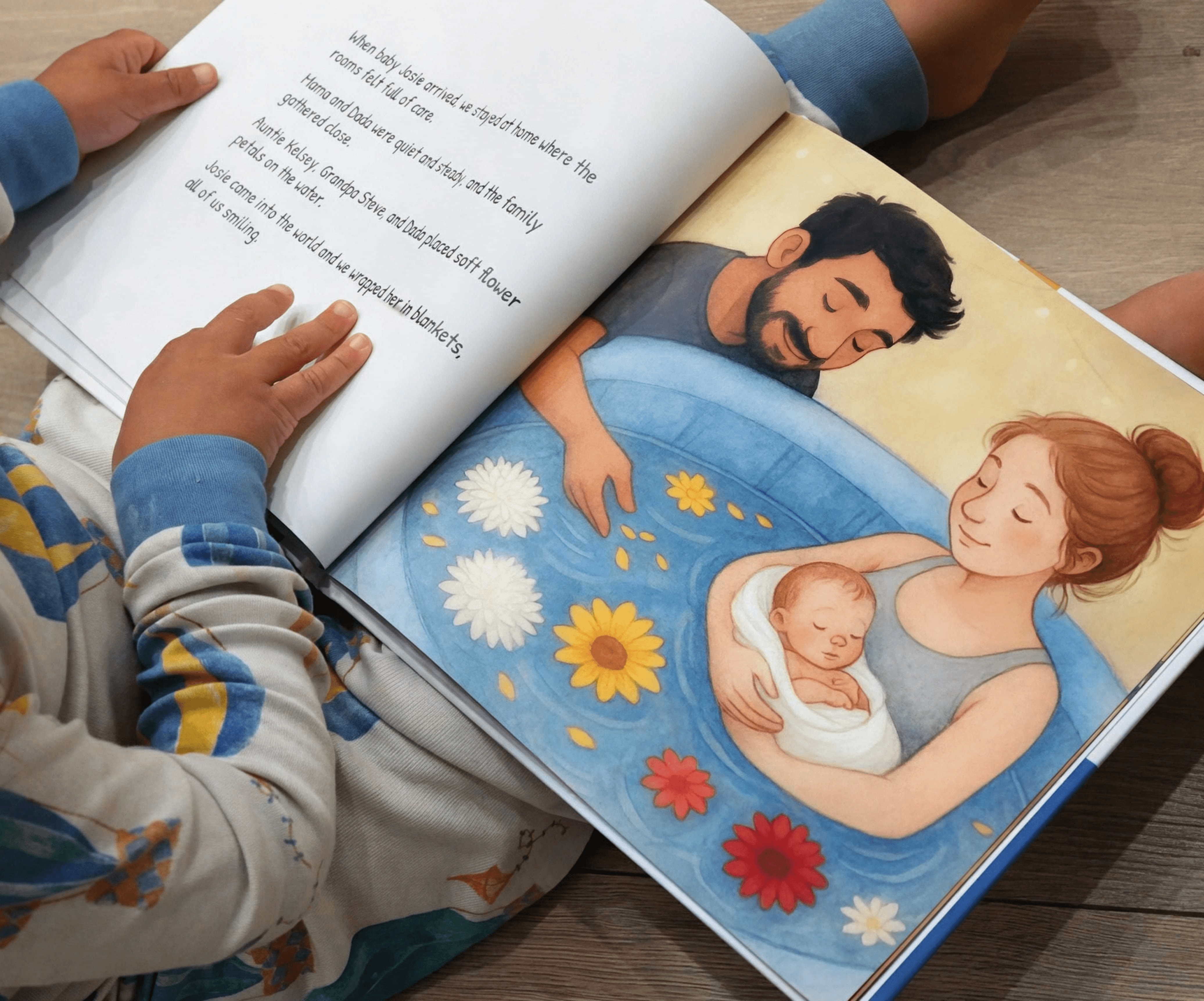
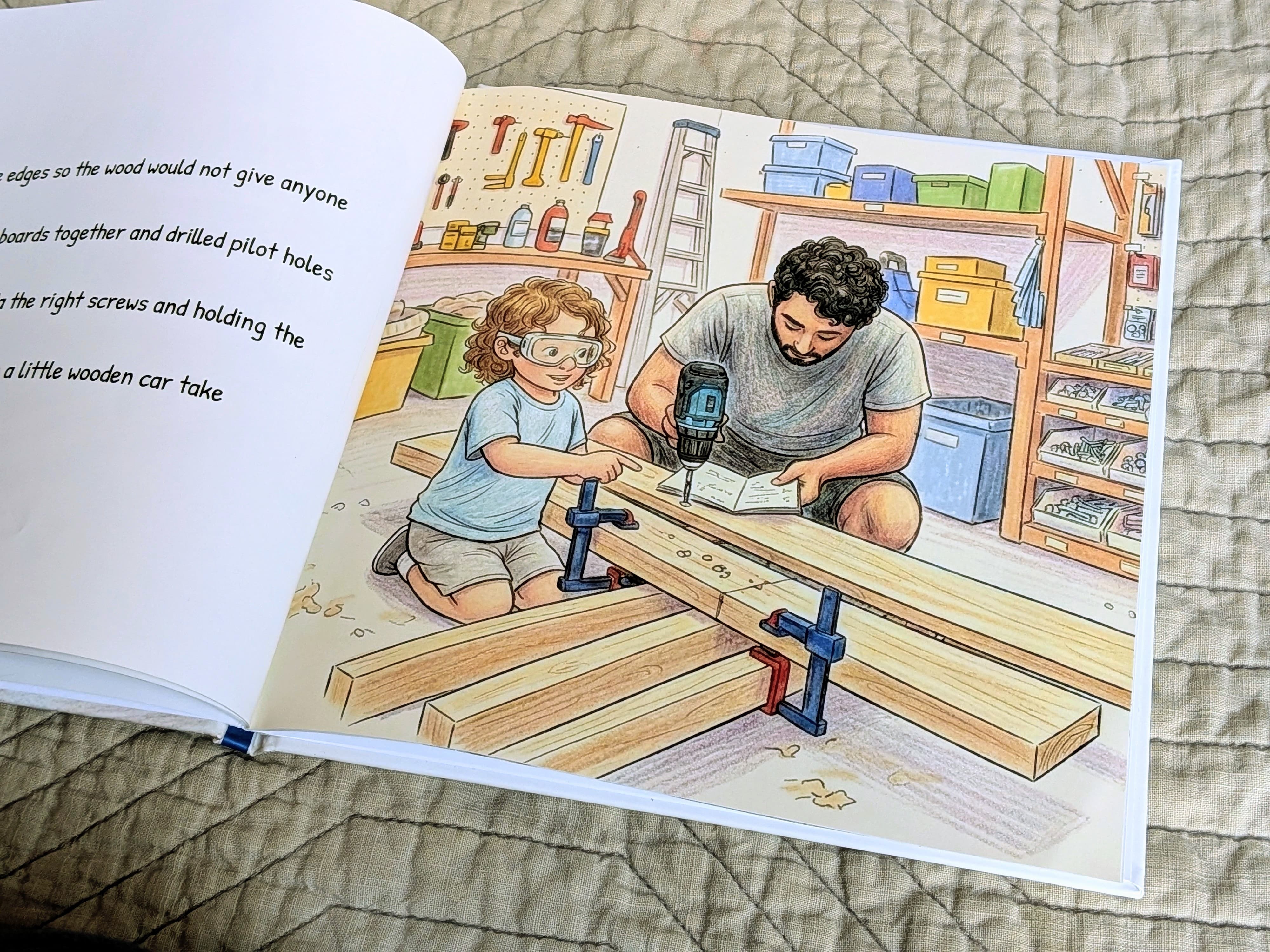
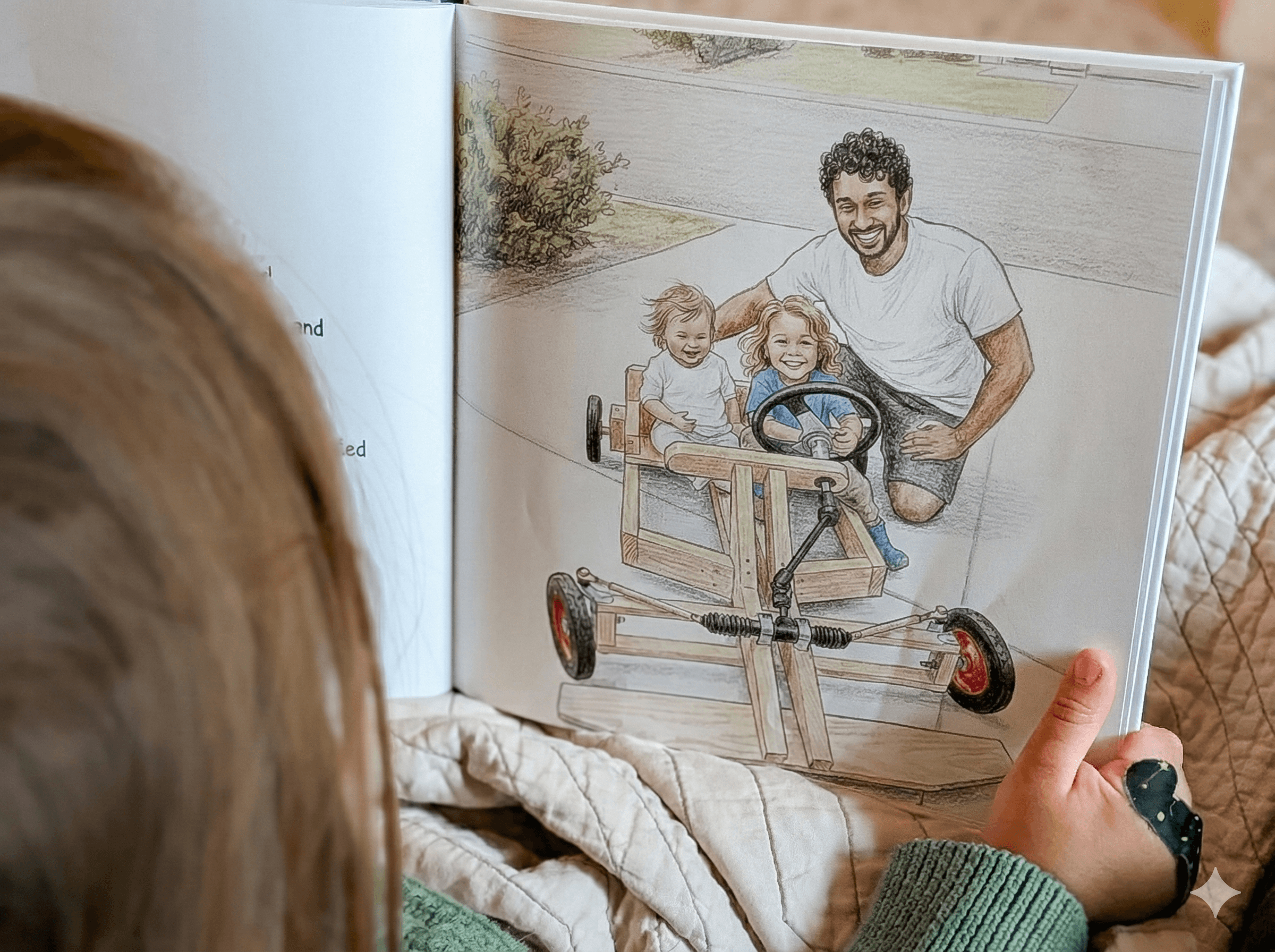
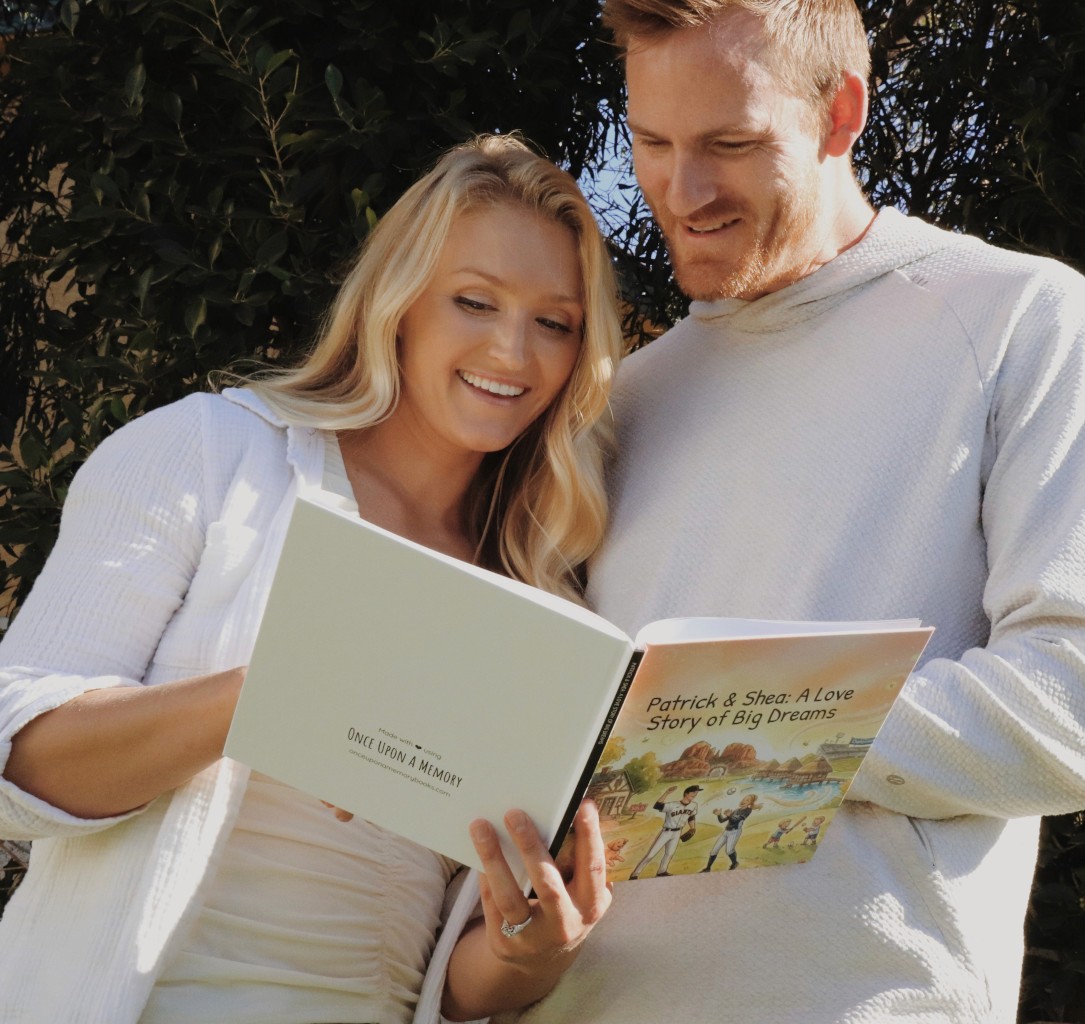
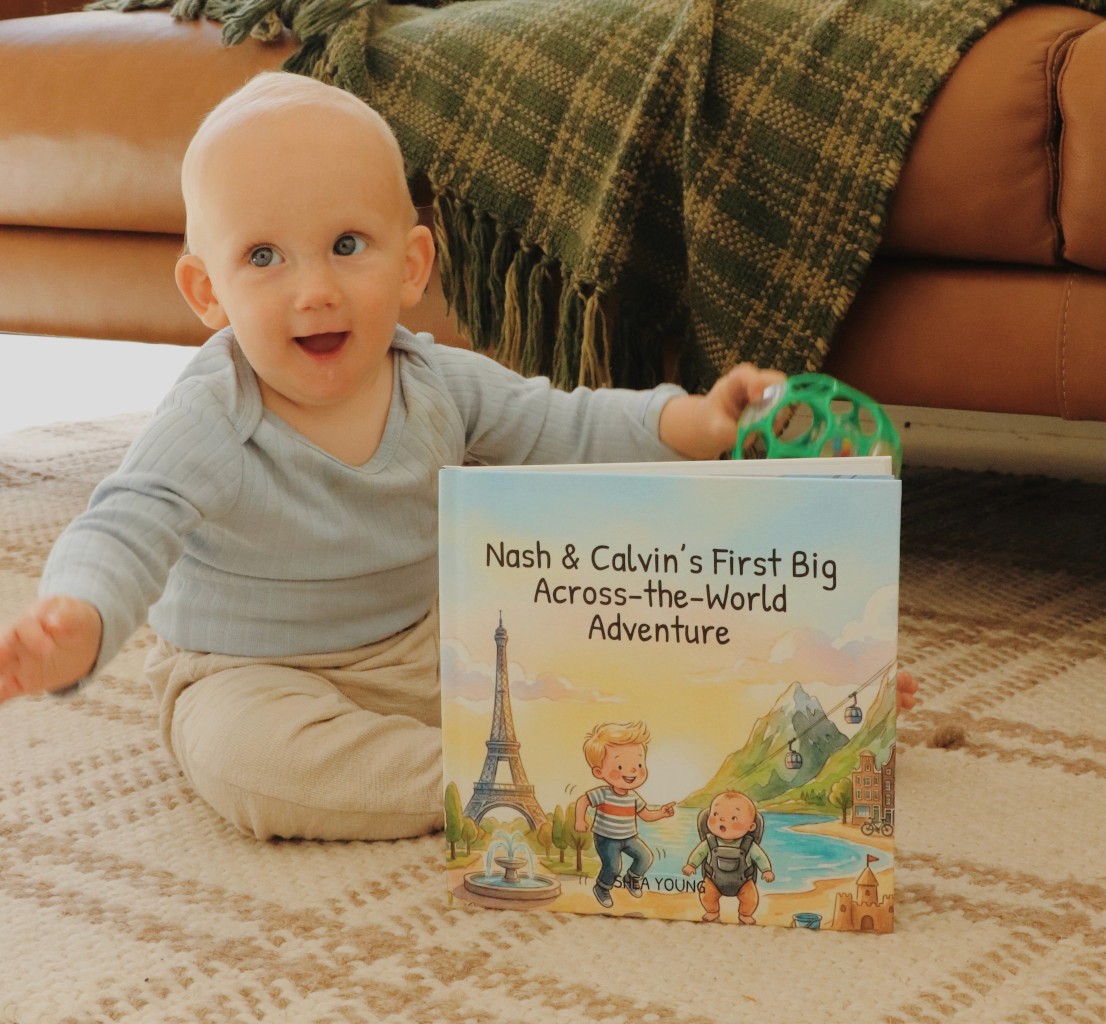
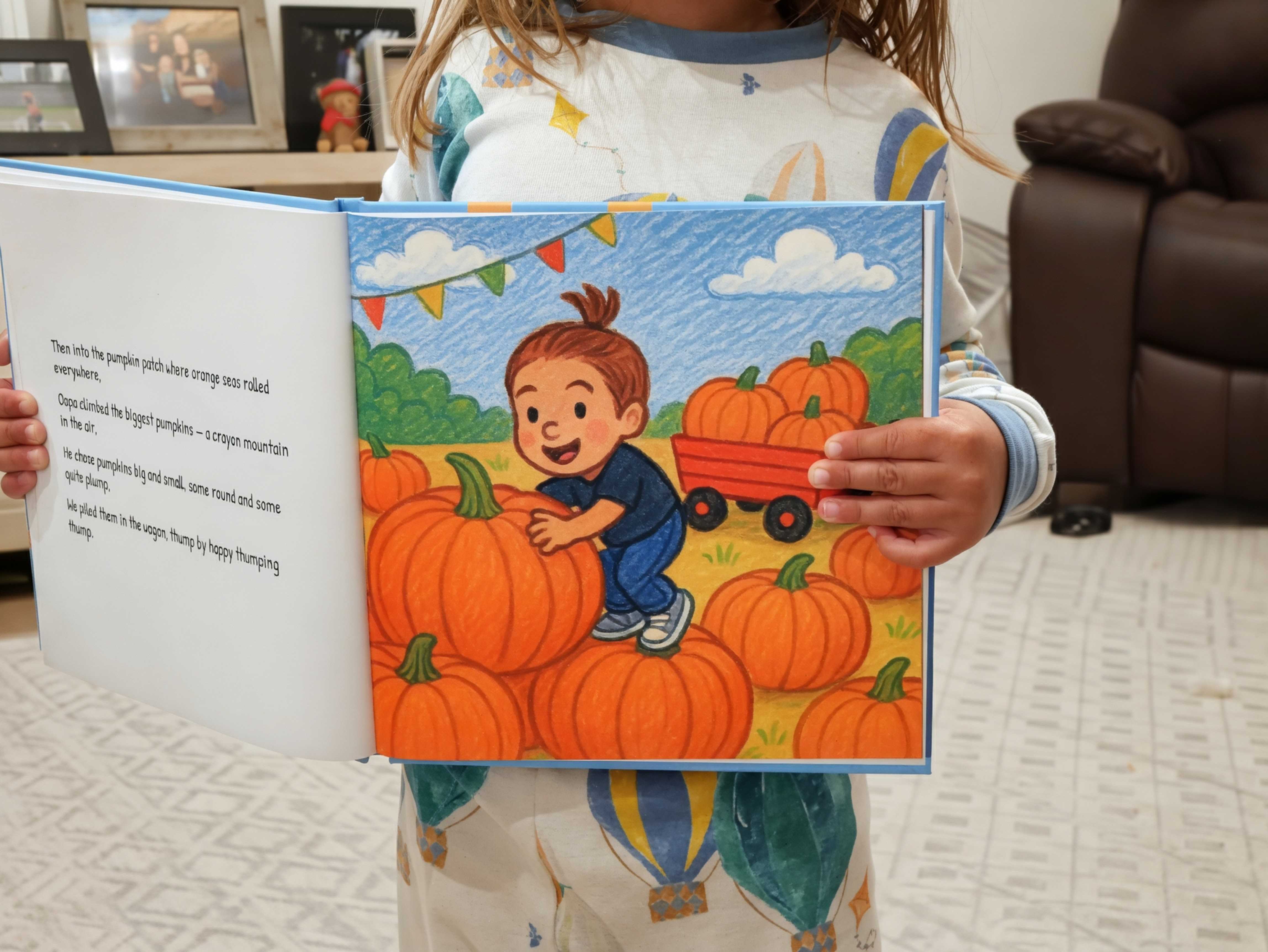
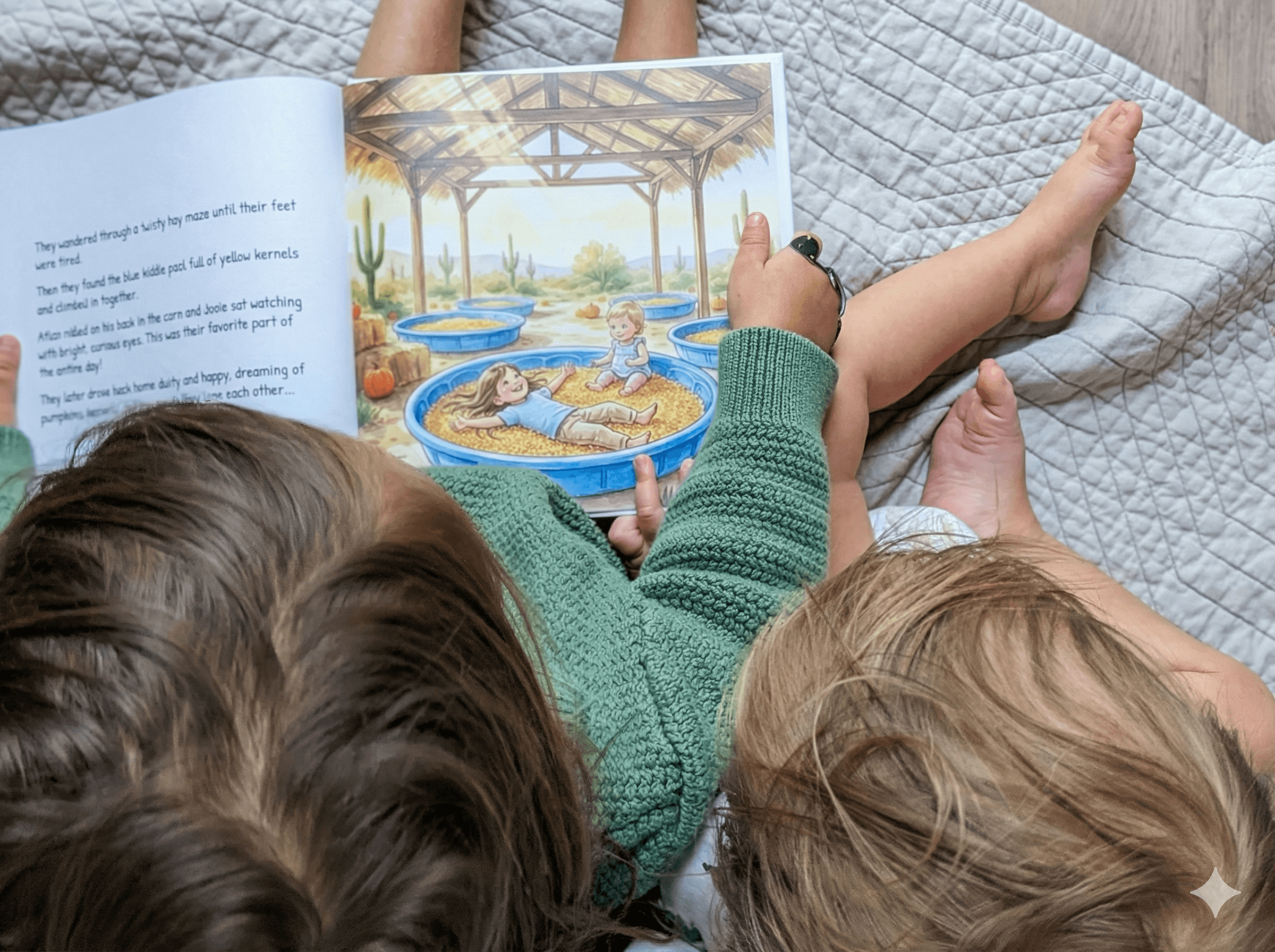
While everyday routines are packed with learning moments, some tools can really kick things into high gear. Personalized storybooks—where your child is the star of their own tale—are an especially powerful way to nurture emergent literacy. They shift reading from a passive activity into an adventure that’s all about them.
When a child sees their own name, photos, and life experiences printed in a real book, it creates a spark. Abstract ideas suddenly feel real and personal. This isn't just a story about any trip to the zoo; it's the story of their trip, which makes every word hit a little closer to home.
That personal connection is everything. It grabs their attention, makes them want to turn the page, and frames all those foundational literacy skills as something fun and relevant.
Making Print Awareness Personal
One of the biggest first steps in learning to read is print awareness—the lightbulb moment when a child understands that those squiggles on a page actually stand for spoken words. It’s a huge mental leap. Personalized books act like a sturdy bridge to get them there.
Seeing their own name in print is often a child’s first truly meaningful interaction with text. It’s not just a random word; it's their word. This makes the link between a symbol and its meaning feel immediate and exciting, sparking a curiosity that naturally spreads to the other words on the page.
When a child points to their name in a book and says, “That’s me!” they are having a profound emergent literacy moment. The book has become a mirror, showing them that print is directly connected to their world.
Boosting Vocabulary and Storytelling Skills
Personalized stories also naturally speed up the development of other key skills. Because the story revolves around familiar people, places, and events, your child already has the context for any new words they encounter.
Think about a book made from your family’s beach vacation. It might introduce words like "seashell," "waves," and "sandcastle." Your child soaks up this new vocabulary effortlessly because it’s tied to a happy, real-life memory.
This approach also strengthens narrative skills. The book shows them how to tell a story with a beginning, middle, and end, using events from their own life. It gives them a blueprint for organizing their own thoughts and experiences into a clear sequence. Essentially, personalized books hand them a script for their own memories.
Deepening Bonds and Building Confidence
Beyond the learning skills, personalized storybooks create a special kind of emotional connection. Reading a story where you and your child are both characters deepens your bond, turning storytime into a sweet celebration of your shared history. There are so many wonderful personalized story books for toddlers out there that can help create these special moments.
Ultimately, seeing themselves as the hero of a story is a huge confidence booster. It sends a powerful message: your story matters. That feeling of being seen and celebrated builds a positive, joyful association with reading that can last a lifetime, setting the stage for a child who doesn't just know how to read, but loves to.
How Early Literacy Shapes Future Success
Those small, joyful moments—singing a silly rhyming song, reading the same favorite book for the tenth time—are so much more than just sweet memories. They’re powerful investments in your child’s future, laying the groundwork for a lifetime of learning and happiness. Every simple, everyday activity you do together pays off in big ways down the road.
Research has shown time and time again that early language exposure and shared reading are two of the strongest predictors of how well a child will do in school. Kids who walk into kindergarten with a bigger vocabulary and a better feel for the sounds in words (phonological awareness) have a much easier time learning to read. That early win boosts their confidence across every single subject.
The Ripple Effect on Learning and Life
Getting off to a strong start creates a positive ripple effect. Good early readers are more likely to excel in school, have higher graduation rates, and even report greater emotional well-being as they grow up. The connection is simple: when kids feel successful early on, they learn to love challenges and develop a genuine curiosity about the world.
The time you spend talking, playing, and reading with your child isn’t just about teaching them letters. It's about building their brain, nurturing their spirit, and setting them up for a bright future.
This isn’t just a local trend; it's a global one. Major international studies confirm that strong early literacy skills are a key ingredient for academic success worldwide. For example, the International Early Learning Study (IELS) looks at how 5-year-olds develop emergent literacy and self-regulation skills through play, creating a global benchmark for kindergarten readiness. You can learn more about these international findings and see just how much these early years matter.
More Than Just Good Grades
The benefits go far beyond the report card. The simple act of snuggling up with a story builds crucial social and emotional skills that last a lifetime.
A Stronger Bond: Cuddling with a book creates a secure, loving attachment. It sends a clear message: "You are safe, you are loved, you are important."
Emotional Intelligence: Stories are a safe place to explore big feelings. They help children understand different perspectives, building the empathy and social awareness they’ll need to navigate friendships and life.
Problem-Solving Skills: Asking a simple question like, "What do you think will happen next?" is huge. It teaches kids to think critically, make predictions, and reason their way through a problem.
In the end, every conversation, every story, and every shared laugh is a building block. These simple, loving moments are the surest way to help your child not only learn to read but also grow into a confident, curious person who is ready to thrive in school and in life.
Got Questions About Emergent Literacy? You're Not Alone.
As you start this adventure with your little one, it’s only natural for questions to come up. Understanding what emergent literacy is feels like step one, but knowing how to handle those day-to-day moments is where the real confidence comes from.
Here are a few of the most common worries I hear from parents, along with some reassuring, practical answers. The goal isn’t to follow some rigid script, but to create a warm, joyful space where your child can fall in love with stories at their own pace.
At What Age Should My Child Start Learning to Read?
This is a big one! But here's the secret: emergent literacy isn't about pushing your child to read early. It’s about building that strong, sturdy foundation of skills naturally, right from birth.
Focus on the happy stuff—cuddling up with a book, singing silly songs, and just chatting about your day. Most children are ready for more formal reading instruction around ages 5 to 7, but the fun of building those deep roots? That starts on day one.
My Toddler Is Not Interested in Books. What Should I Do?
First, take a deep breath. It’s completely normal for a busy toddler to prefer running and climbing over sitting still with a book! Don't worry. The key is to make books just one of many fun, no-pressure options available.
Here are a few things to try:
Go Interactive: Think lift-the-flap, touch-and-feel, or sound books. Anything that invites play is a win.
Let Them Lead: Let them turn the pages, even if it's too fast or backward. The goal is creating a positive feeling around books, not a perfect read-through.
Make It Personal: This one is a game-changer. A personalized storybook where they are the main character can spark instant interest. Suddenly, the story is about them, and that's incredibly exciting.
Are Physical Books Better Than Ebooks for Young Children?
While digital books have their place, physical books offer some really special benefits for little learners. They create a shared, tactile experience without the glowing screens and potential distractions that come with a tablet.
Turning real pages helps develop fine motor skills and teaches a child how print works—like the simple but powerful idea that we read from left to right. A physical book becomes a special object for bonding, creating a focused, screen-free moment of connection between you and your child.
Ready to make your child the hero of their own story? Once Upon A Memory Books LLC turns your family's favorite moments into a beautiful, personalized storybook that nurtures a lifelong love for reading. Create your unique book today.