Blog
How to Make Reading Fun for Toddlers and Preschoolers
Discover how to make reading fun for your little one. Our guide offers practical tips, games, and routines to transform reading into a joyful adventure.
The secret to making reading fun? Stop thinking of it as a lesson and start treating it as a shared adventure.
It’s all about connection and play. It’s the silly voices, the cozy snuggles, and the simple ritual of sharing a story that builds a positive, happy feeling around books. When you do that, reading becomes a joy your child will actually look forward to every single day, not just another box to check.
Why Making Reading Fun Matters Now More Than Ever
In a world buzzing with tablets, cartoons, and endless distractions, carving out a few quiet moments for a book can feel like an uphill battle. But the simple act of reading together does so much more than teach letters and words—it builds a foundation for curiosity, empathy, and a lifelong love of learning.
When a child associates reading with warmth, laughter, and your undivided attention, it becomes a cherished activity. The goal isn't to create an academic prodigy overnight. It’s about showing your child that stories are magical portals to new worlds and that they hold the key. That emotional connection is powerful. It teaches them that books are a source of comfort and excitement, a lesson that will serve them long after they've learned to read on their own.
The Declining Joy of Reading
Unfortunately, that simple pleasure of getting lost in a book is becoming less common. Recent findings paint a pretty stark picture: the number of kids who read for fun is dropping at an alarming rate.
According to the National Literacy Trust's 2025 Annual Literacy Survey, only 32.7% of 8- to 18-year-olds enjoy reading in their free time. This marks a staggering 36% decrease since 2005—the lowest level recorded in two decades. The decline is especially sharp among younger children, with daily reading habits falling to just 18.7% overall.
This isn't just a statistic; it's a wake-up call. It highlights a critical need to actively nurture a love for reading right from the very beginning. By making it fun, we're not just encouraging a hobby; we're safeguarding a vital skill against a rising tide of digital noise.
Your Roadmap to a Fun Reading Journey
So, how can you turn this trend around in your own home? This guide is your roadmap, filled with simple, actionable strategies you can start using tonight. We’ll cover everything you need to know about how to make reading fun and meaningful for your little one.
Here's a quick peek at what's ahead:
Creating a Reading Ritual: We'll walk through how to build a simple, cozy routine that makes story time the best part of the day.
Interactive Storytelling: Discover easy techniques to bring books to life, turning you into a captivating performer. The benefits of reading aloud to children are huge, and making it interactive amplifies them.
Playful Learning: We’ll explore games and activities that reinforce literacy skills without ever feeling like a lesson.
Personalized Adventures: See how making your child the hero of their own story can ignite their imagination and get them excited to read.
Crafting Your Family's Reading Ritual
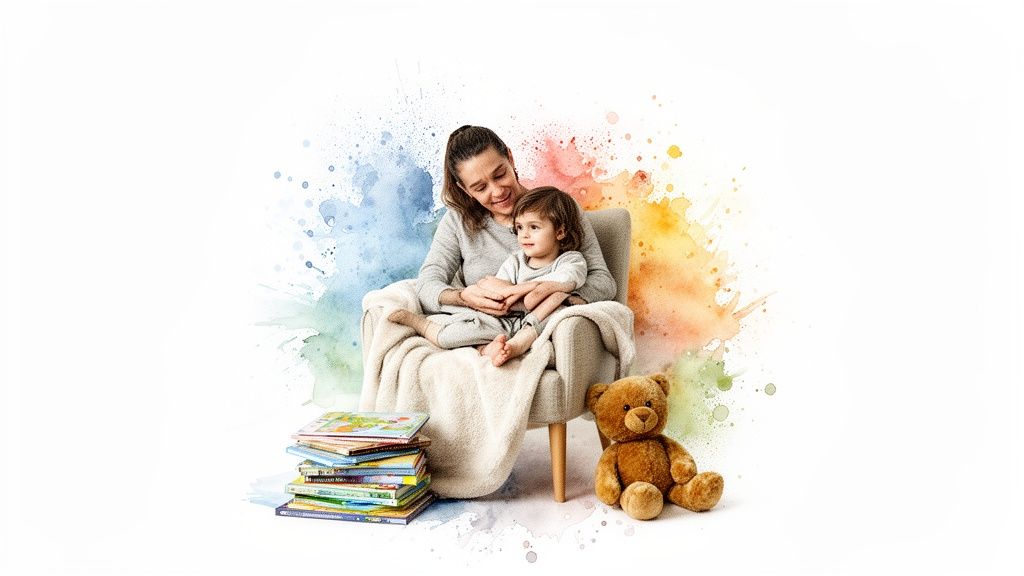
If there’s one secret ingredient to making reading a beloved habit, it’s consistency. Creating a simple, predictable reading ritual signals to your child that it’s time to wind down, connect, and get lost in a story together.
This isn't about enforcing a rigid schedule. It’s about building a positive, warm feeling around books—something that feels like a hug at the end of a busy day. It’s a dedicated, screen-free moment where the only thing on the to-do list is to enjoy each other’s company with a good story. By creating this loving environment, you’re not just reading a book; you’re making a memory.
Build a Cozy Reading Nook
You don’t need a dedicated library to create a little magic. A "reading nook" can be as simple as a pile of pillows in the corner, a comfy armchair, or even a designated spot on the sofa. The only real requirement is that it feels comfortable and inviting.
Toss in a few soft blankets and maybe a favorite stuffed animal who can "listen" to the story, too. We keep a small basket of books nearby so everything is always within arm's reach. This small effort transforms a regular spot into an exciting destination where stories come to life.
The magic of a reading nook isn't in the furniture—it's in the feeling. It tells your child, "This is our special place for stories," creating a powerful cue that builds excitement and anticipation for your daily ritual.
Let Your Child Take the Lead
One of the easiest ways to get a child genuinely excited about reading is to give them a sense of control. For a toddler or preschooler, letting them choose the book for story time is a huge deal. It validates their opinions and shows them that what they want matters.
Try framing the choice in a way that builds anticipation. Instead of a flat, "Pick a book," you could ask:
"Which adventure should we go on tonight?"
"Who do you want to read about, the silly bear or the brave knight?"
"Show me which story you're most excited to hear!"
This simple shift in language turns a task into an exciting choice, making them an active partner from the get-go. And if they pick the same book for the 10th night in a row? Go with it! Repetition is how they learn and find comfort.
Beyond just being fun, you can explore how reading can also be a calming ritual that helps them settle down for the night, making it an essential part of their wind-down routine.
Bringing Stories to Life with Interactive Reading
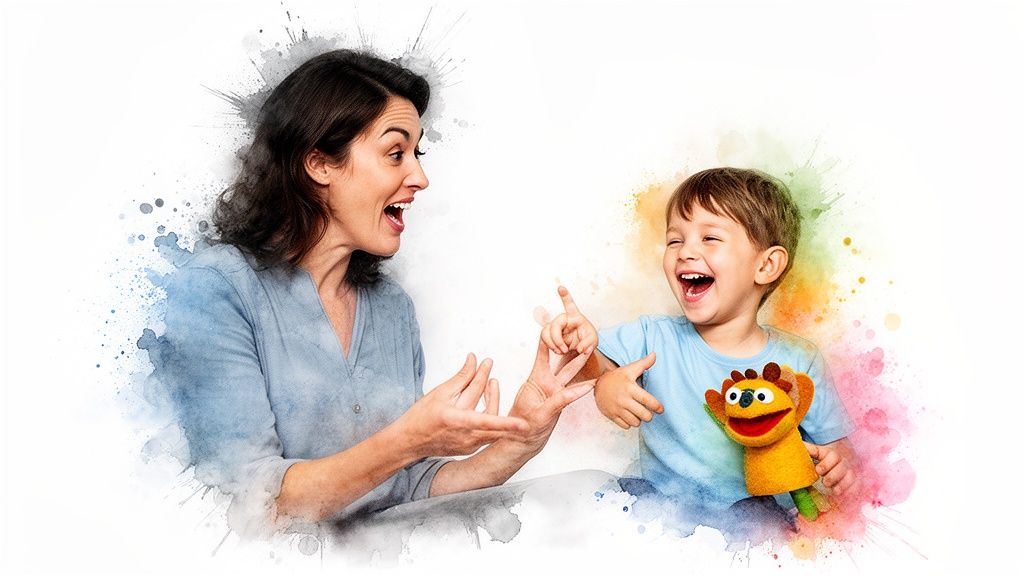
Okay, you’ve got your cozy reading nook ready. Now it’s time to shift from just reading the words to actually performing the story. Your energy is contagious. When you’re having fun, they’re having fun. It’s the single biggest tool you have for pulling your child into the world of the book, turning them from a quiet listener into part of the action.
This is your official permission to be silly. Don't worry about reading every single word perfectly. The real goal is to make the story jump right off the page, creating a memory they’ll want to relive over and over.
Become the Character
The absolute easiest way to make reading more dynamic? Use different voices. You don't need to be a professional voice actor—even tiny changes make a huge difference.
Let the giant’s voice get deep and boomy. Give the little mouse a high, squeaky voice. Whisper when things get suspenseful and get a little louder when the hero saves the day. These simple shifts in tone and volume help your child track the story’s emotions and tell all the characters apart.
Don’t forget to use your body, too. Act out little scenes with your hands or make funny faces that match what the characters are feeling. If the bear is stomping through the forest, stomp your feet together. If the bird is soaring, let your hands fly through the air. For wiggly toddlers and preschoolers, this physical connection is pure magic.
The Power of the Pause
One of the most effective tricks in the storyteller’s playbook is the simple, dramatic pause. Right before a big surprise or a funny line, just stop for a second. That little bit of silence builds so much anticipation and gives your child a moment to wonder, what’s going to happen next?
Use these pauses to ask questions that invite them into the story. This turns reading into a two-way conversation, a technique called dialogic reading, which has been proven to boost language skills and understanding.
Instead of just reading the text, dialogic reading creates a back-and-forth conversation about the book. It shifts the child from a passive listener to an active storyteller alongside you, sparking their imagination and deepening their understanding of the plot.
Here are a few easy prompts to get you started:
Prediction Questions: “Oh no, the wolf is at the door! What do you think he’s going to do?”
Observation Questions: “I see a little red bird on this page. Can you find it?”
Connection Questions: “This little girl looks sad. Do you ever feel sad like that?”
There are no right or wrong answers here. The point is to get them thinking, imagining, and connecting with the story on their own terms. And of course, choosing books that spark their interest is half the battle. If they're obsessed with dragons, for example, finding the perfect dragon children's book is a surefire way to grab their attention from the very first page.
You can also keep the magic going long after the book is closed. For more ideas on this, check out our guide full of engaging storytelling activities for preschoolers.
Playing with Words Beyond the Book
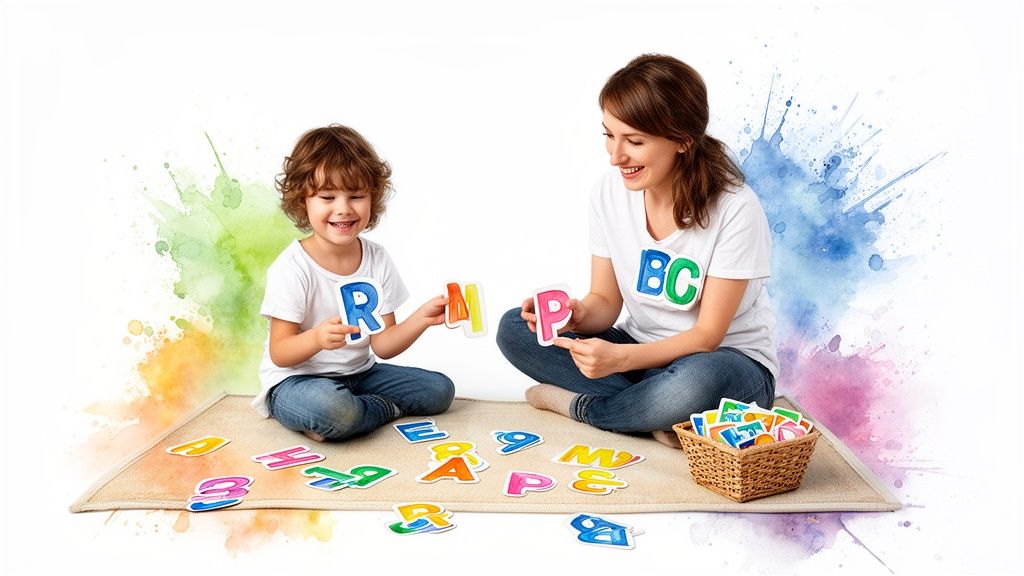
The magic of a great story doesn't have to end when you close the book. In fact, that’s often just the beginning. The best way to build those foundational literacy skills is to weave them into everyday play, turning learning into a game your child won't even realize they're playing.
It’s all about showing them that letters and words are everywhere—not just on a page. This takes the pressure off and makes reading feel like a natural, fun part of their world. No fancy flashcards or structured lessons required.
Turn Your Day Into a Word Playground
Your house, the park, the grocery store—these are all incredible classrooms. When you connect letters and sounds to real-world objects, abstract concepts suddenly become concrete and exciting. The goal is just to be silly and have a little fun with language.
For example, after reading a book about farm animals, you can spend the afternoon making animal sounds together. If the story featured the letter 'B' for bear, go on a hunt for other things that start with 'B' around the house. Ball, banana, book, blue!
Here are a few simple games you can play anytime:
Rhyme Time: Get lyrical while getting dressed or making lunch. "Can you find a sock that rhymes with rock?" or "Let's put this hat on our little cat!"
"I Spy" with Letters: Instead of colors, spy objects that start with a certain letter sound from your story. "I spy with my little eye, something that starts with the 'tuh' sound, just like train!"
Letter Hunt: Hide a few magnetic or foam letters around the room and have your child go on a treasure hunt to find them, shouting out the letter's name when they do.
These small, playful interactions are more powerful than they seem. They help your child develop phonological awareness—the ability to hear and play with the sounds in spoken language. This is one of the single most important pre-reading skills they can learn.
Extend the Story with Creative Play
Letting your child physically engage with a story helps them process the narrative and make it their own. Acting things out or creating something with their hands makes the characters and plot feel more real and memorable.
This is where you can tap into their natural creativity. If you just read a story about building a fort, grab some pillows and blankets and build one together. If the characters went on a picnic, pack a snack and have a picnic right on the living room floor.
Puppet Show: Make simple puppets of the book's characters using paper bags or even just drawings taped to craft sticks. Let your child retell the story in their own words—it's amazing what they remember.
Act It Out: Pick a favorite scene from the book and act it out together. This is a lifesaver for energetic toddlers who need to get the wiggles out.
Art Station: Get out some crayons, play-doh, or paint and ask them to create their favorite part of the story. You can also ask, "What do you think happens next?" and let them draw it.
Age-Appropriate Reading Games
To help you get started, here's a quick cheat sheet of games perfect for toddlers and preschoolers. The key is to keep it light and fun!
Game | Skills Developed | How to Play |
|---|---|---|
Alphabet Soup | Letter Recognition | Drop foam letters into a pot of water. Let your toddler "fish" them out with a slotted spoon and name each one. |
Story Sound Effects | Listening, Engagement | As you read, pause and have your child make the sounds. A "moo" for a cow, a "choo-choo" for a train, or a "splash" for a puddle. |
Name That Character | Comprehension, Memory | After a story, play a guessing game. "I'm thinking of someone small and gray with a long tail who loves cheese." |
Rhyming Ball Toss | Phonological Awareness | Gently toss a ball back and forth. You say a word ("cat"), and they say a word that rhymes ("hat"). Silly words count! |
Story Stones | Sequencing, Storytelling | Draw simple pictures from a favorite book on flat rocks. Let your child arrange them in order to retell the story. |
These games take just a few minutes, but they build a powerful association in your child's mind: words are fun, and stories are for playing. That’s the foundation for a lifetime of loving to read.
Making Your Child the Hero of Their Own Story
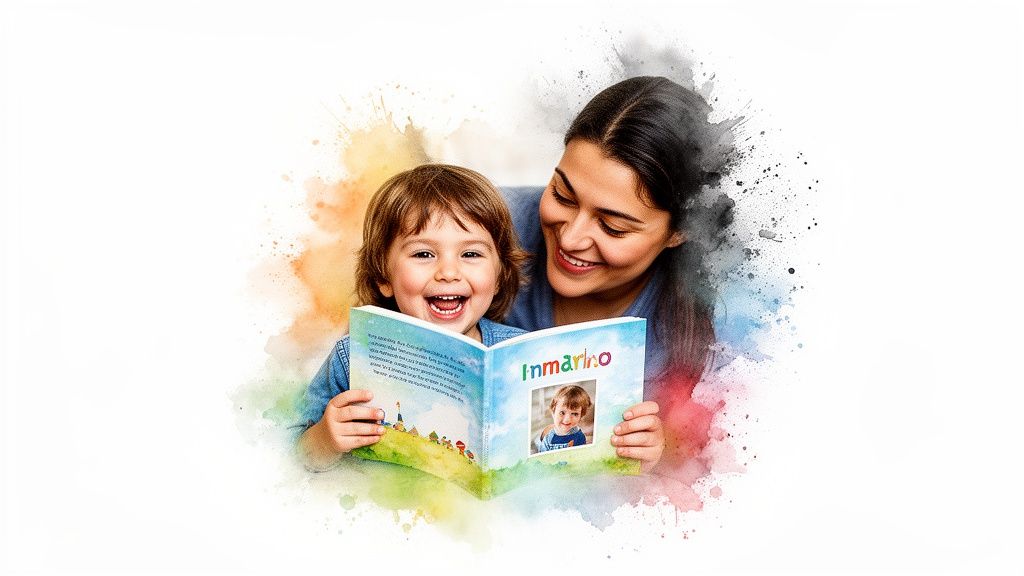
What’s the single most powerful way to guarantee your child’s attention during storytime? Easy. Make the story all about them.
This one little trick can turn a fidgety, reluctant listener into a wide-eyed, enthusiastic fan. Suddenly, reading isn't something they have to do—it's a thrilling personal adventure they get to lead.
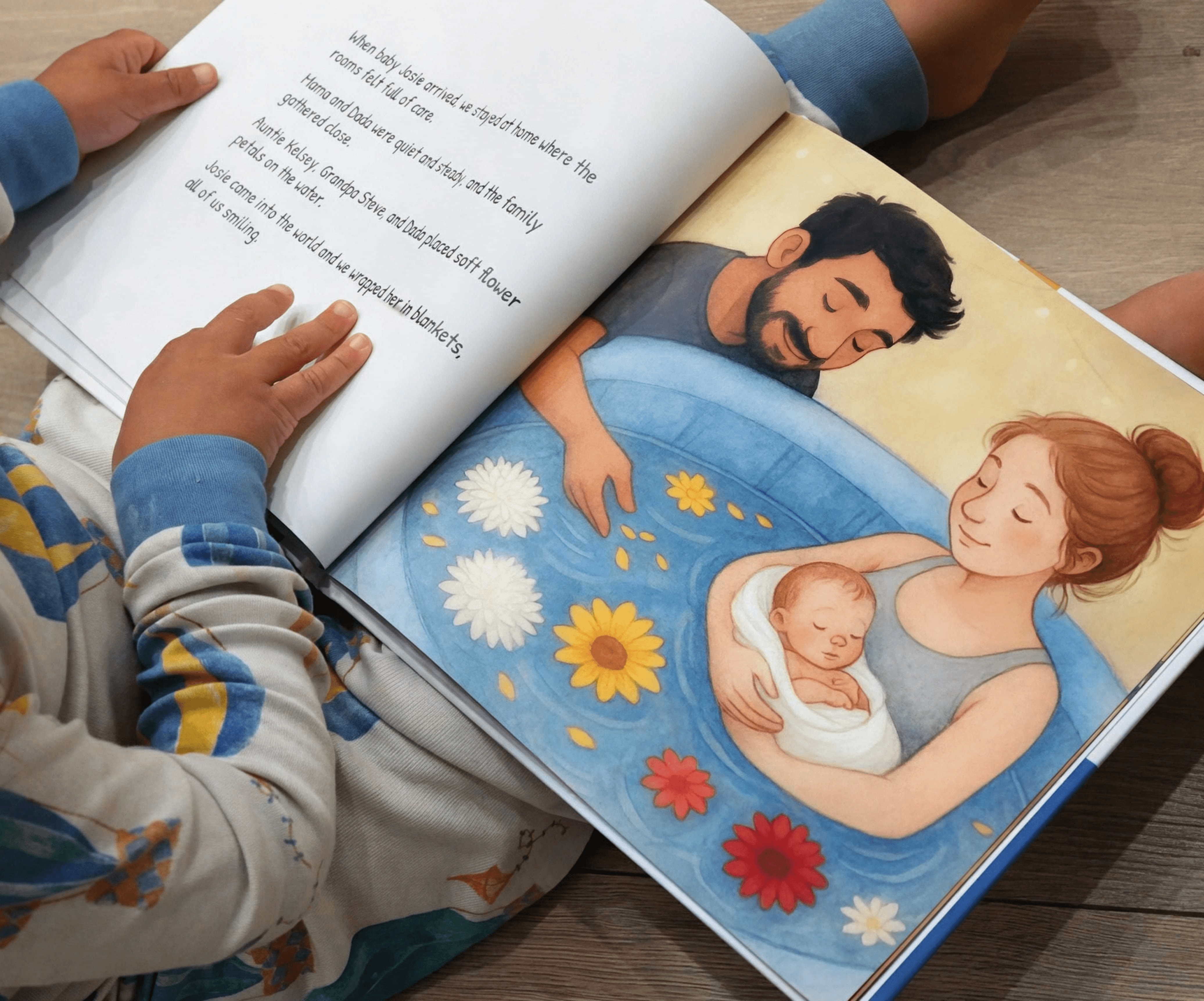
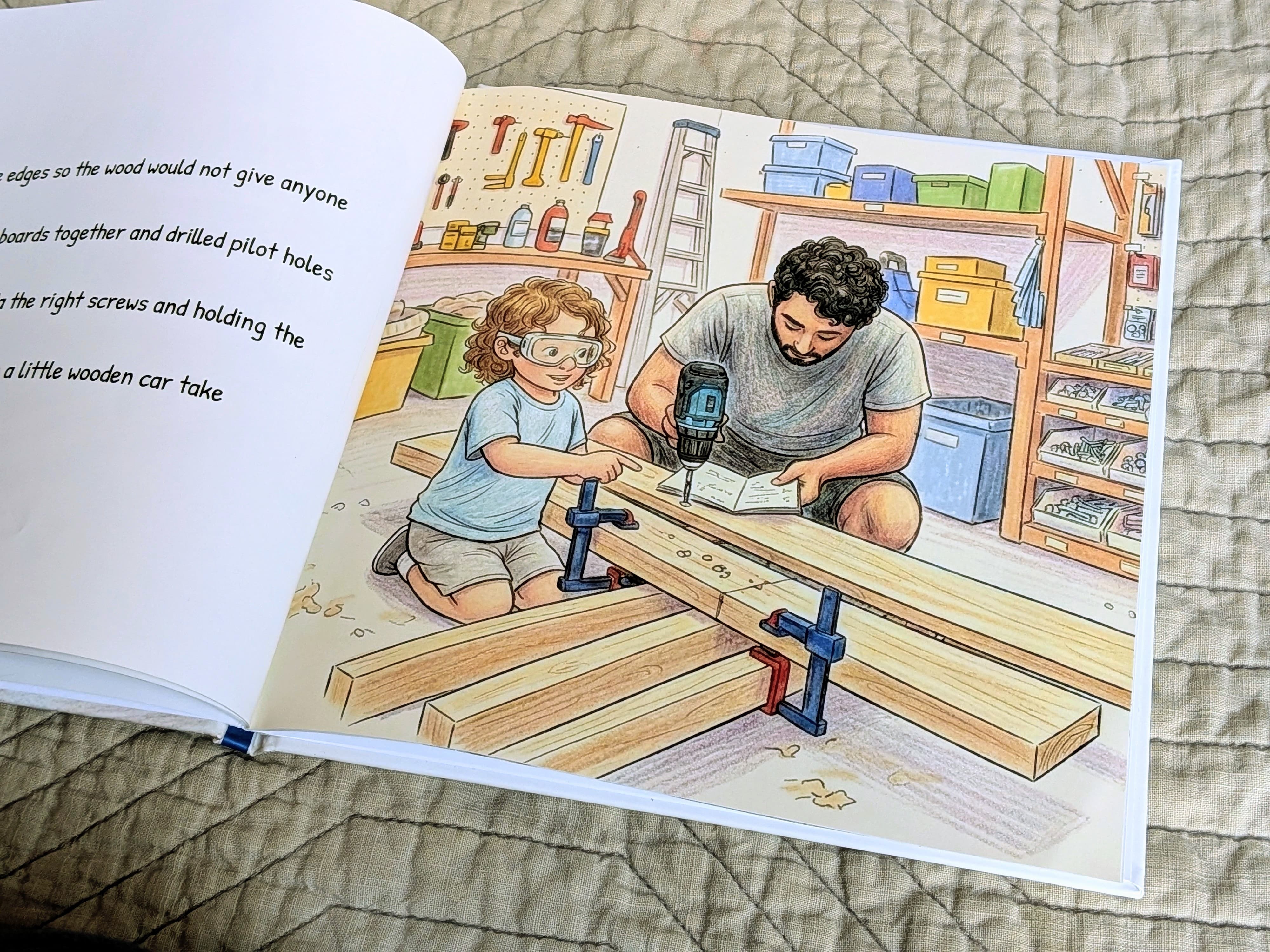
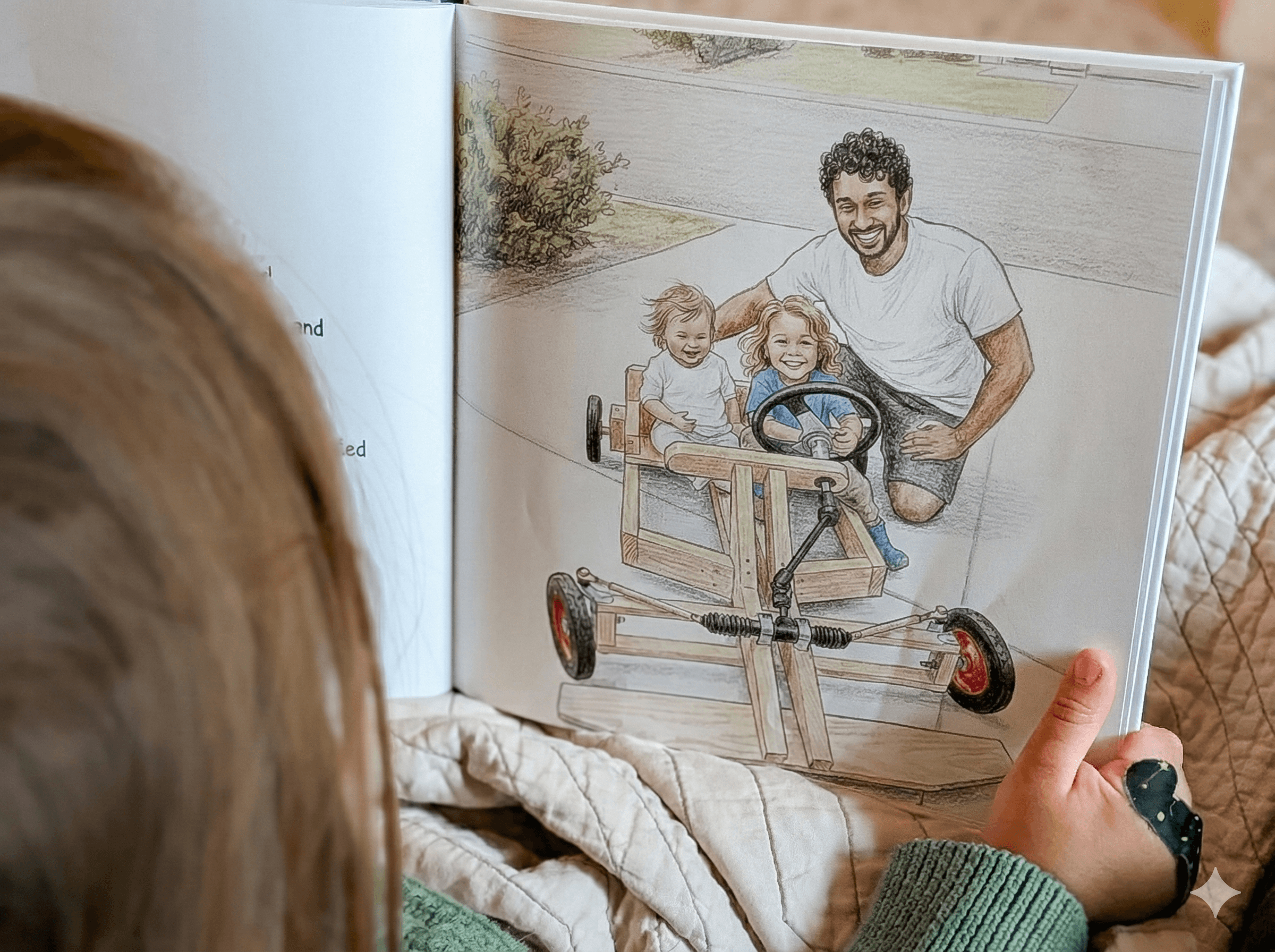
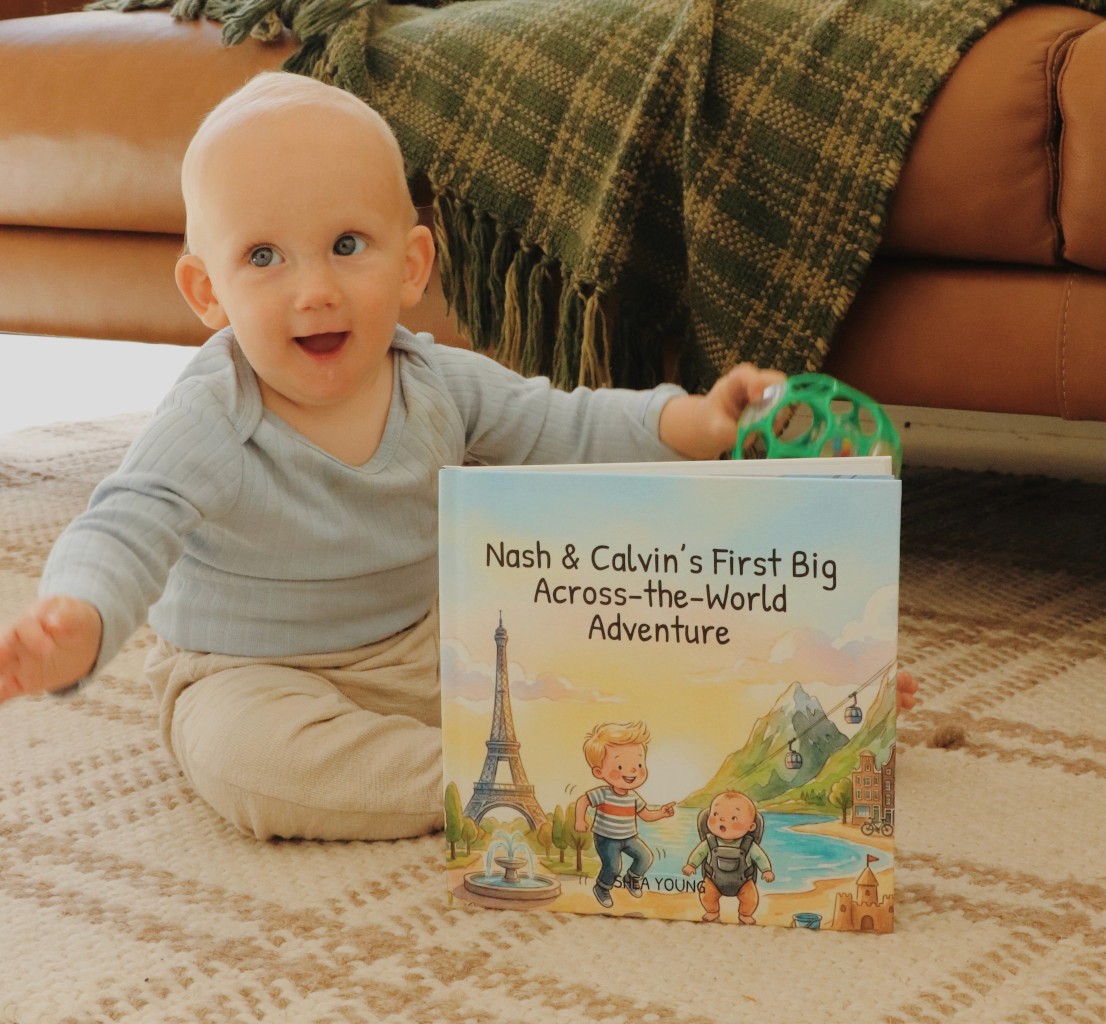
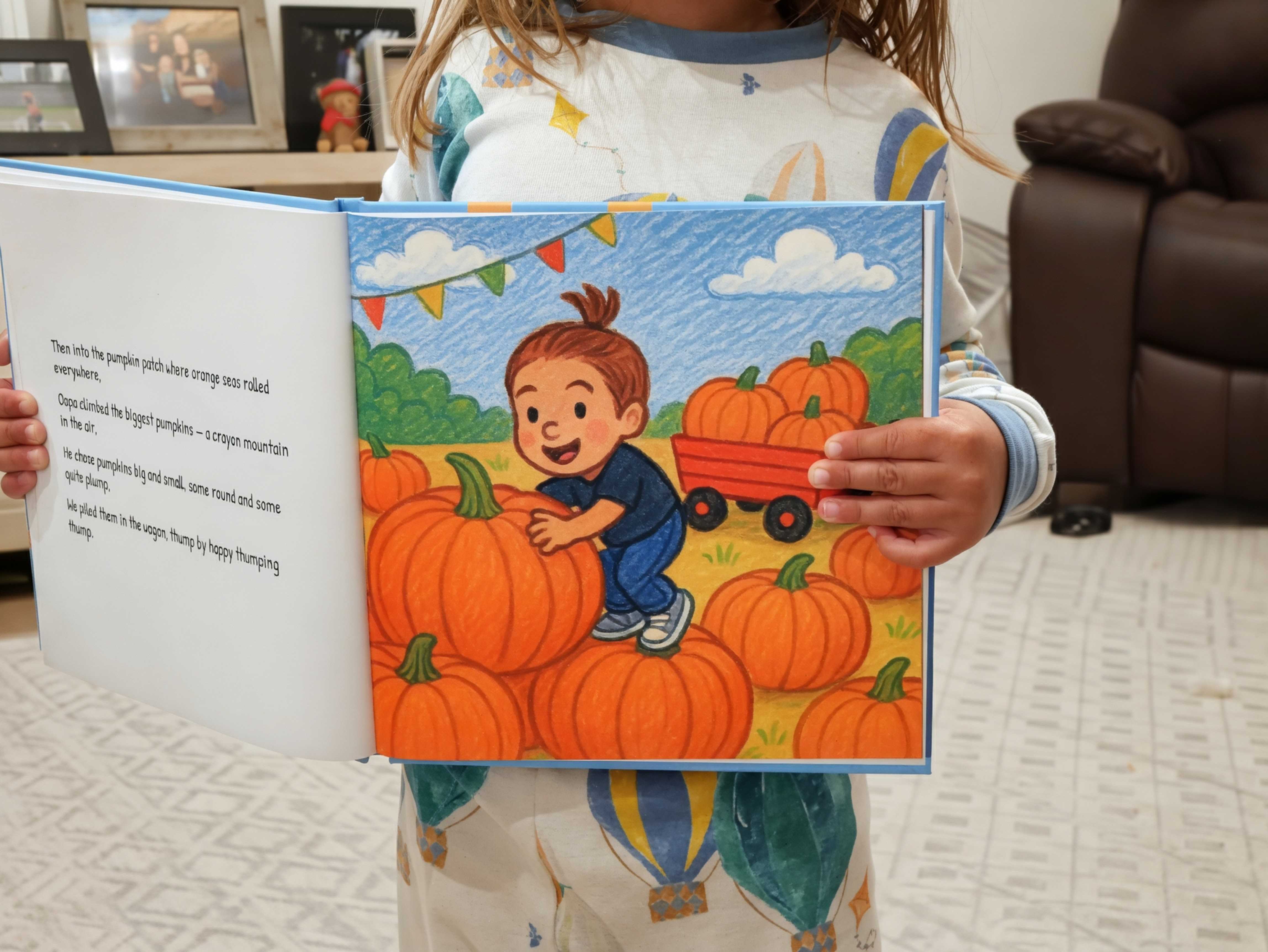
Imagine their face lighting up when they see their own name, their photo, and familiar things from their life woven right into a beautiful story. It’s an instant, magical connection. The hero climbing that giant beanstalk or exploring a magical forest isn't some random character anymore. It’s them. And that changes everything.
The Magic of Seeing Themselves in Print
Personalization works so well because it taps directly into a young child’s world. For toddlers and preschoolers, their own experiences are the center of the universe. When a book reflects that little world back at them, it feels incredibly validating and exciting.
But it does more than just grab their attention. It builds a genuine sense of self-worth. Seeing themselves as the hero of a story sends a powerful, unspoken message: your life is important, and your stories deserve to be told. This little boost in self-esteem creates a positive loop, making them eager to come back to that book—and to reading in general—again and again.
By placing a child directly into the story, you turn abstract ideas into real-life experiences. A lesson about sharing becomes so much more meaningful when it’s them sharing their favorite red ball with their brother, making the concept personal and much easier to grasp.
Creating a Connection That Lasts
A personalized book isn’t just a story; it quickly becomes a cherished keepsake. It captures a little snapshot of their childhood—that family trip to the beach, the first day of preschool, or a silly afternoon with the dog—and preserves it forever.
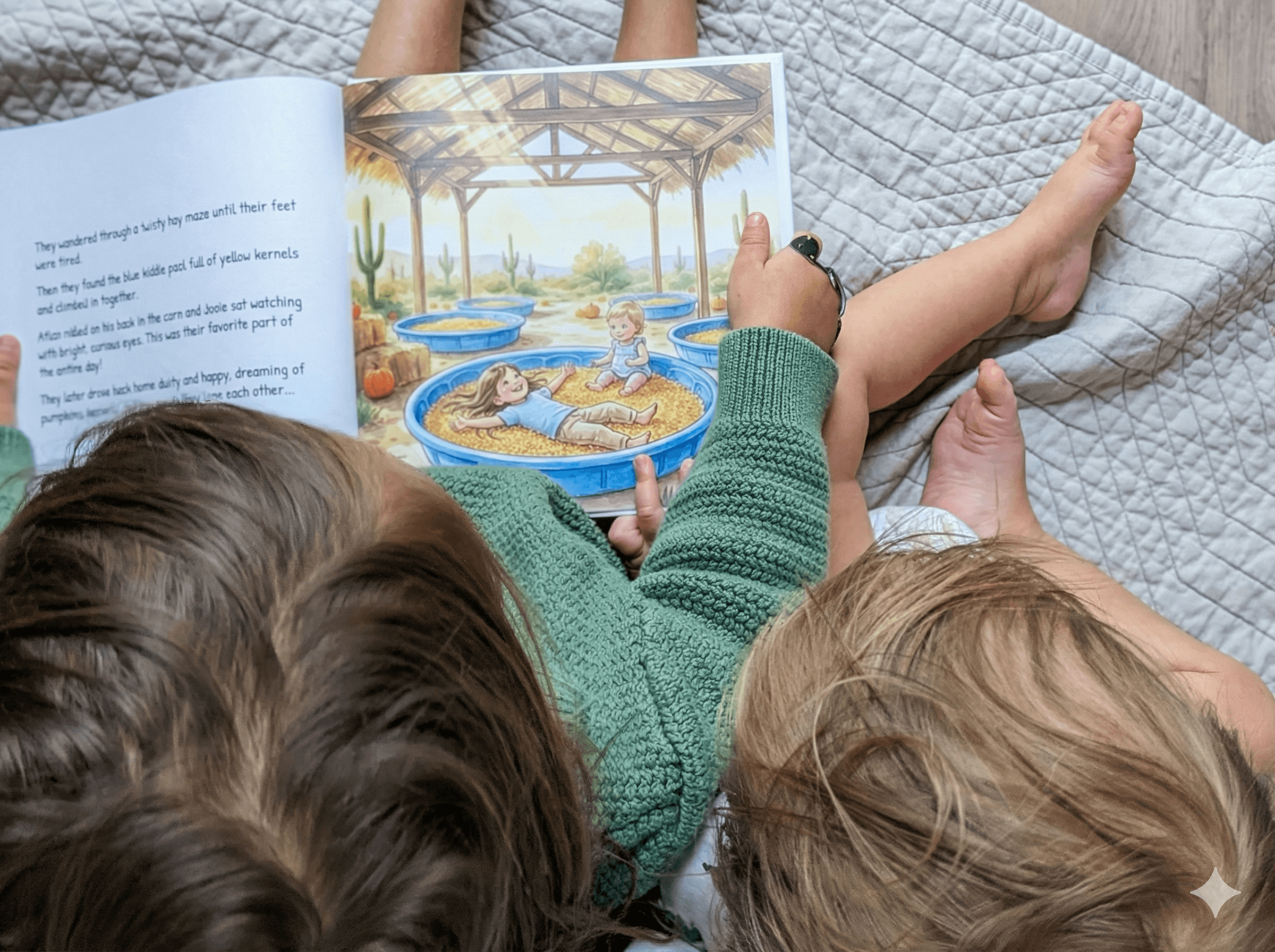
This deep, personal connection creates a special bond with the book itself. They'll want to hold it, trace their name on the cover, and point out their own face on every page. This hands-on interaction is a huge step in building comfort and familiarity with books, laying the foundation for a lifelong love of reading.
If you’re ready to create one of these one-of-a-kind adventures, exploring personalized story books for kids is a fantastic way to start turning your family's memories into a story they'll beg to read every single night.
What If They Just Won’t Sit for a Story?
Let’s be real. Even with the coziest nook and your best silly voices, some days, reading with a toddler feels less like a warm hug and more like wrestling an octopus.
If that sounds familiar, take a deep breath. You’re not alone. Every parent hits these little bumps in the road, but they are often so much easier to navigate than they seem.
Instead of getting discouraged, I try to see these moments as my child communicating a need. A little resistance is rarely about the book itself. It’s usually about their energy levels, their mood, or their fierce desire for a little independence. Knowing how to pivot can turn a frustrating moment into a sweet one.
Common Hurdles and How to Hop Over Them
Here’s a quick guide to some of the most frequent challenges I hear about (and have lived through myself).
"My child won't sit still!" This is, by far, the most common one. And it's completely normal! My advice? Embrace the wiggles. Don't fight them. Choose short, interactive books with flaps to lift, textures to feel, or sounds to make. Let them act out the story—if the frog hops, let them hop! The goal is engagement, not stillness. A story can be absorbed just as well upside down on the couch as it can be sitting perfectly still.
"They want the same book. Again. And again." While it might test the limits of your patience (I see you, parents on your 50th reading of Goodnight Moon this week), repetition is one of the most powerful learning tools for young children. It builds their vocabulary, their confidence, and their understanding of story structure. To keep it fresh for you, try focusing on different details in the pictures each night. "I never noticed that tiny mouse before, have you?"
"They just seem...bored." If your go-to stories aren't landing like they used to, it might just be time for a change of pace. Try introducing a silly rhyming book that makes you both giggle, a colorful non-fiction book about something they love (trucks, dinosaurs, bugs!), or even a wordless picture book where you get to make up the story together. Follow their lead and their little sparks of interest. When you find what clicks, you'll know.
Your Reading Questions, Answered
Even with the best intentions, little questions and worries can pop up. Let’s tackle some of the most common concerns I hear from parents trying to make reading a joy for their little ones.
When Is the Right Time to Start Reading to My Child?
The simplest answer? Right now. It is truly never too early.
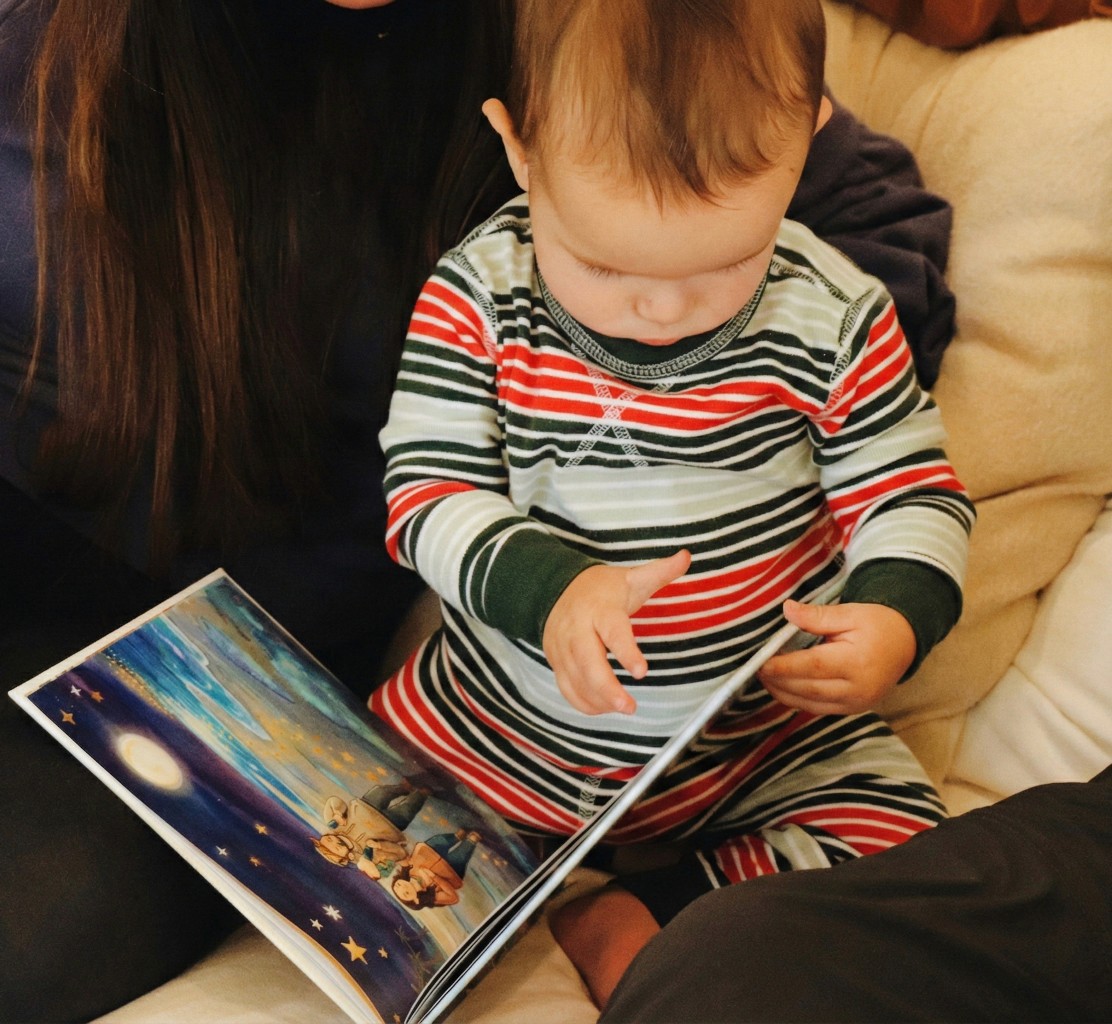
Even a newborn snuggled on your chest benefits from the rhythm and melody of your voice as you read aloud. For babies, it's all about connection and sound. For toddlers and preschoolers, it blossoms into stories, pictures, and interaction.
Don’t get caught up in whether they understand every single word. The real goal is to build a warm, positive feeling around books from day one.
What if My Child Wants Nothing to Do With Books?
First, take a deep breath. Don't panic and definitely don't force it. The moment reading feels like a chore, we’ve lost. Instead, put on your detective hat and observe what does light them up.
Got an action-oriented kid? If they love to run, jump, and wiggle, find books you can act out together. Think We’re Going on a Bear Hunt and make a real adventure of it.
Is yours a tactile learner? Try interactive books with different textures, sounds, or chunky flaps to lift. The "That's Not My..." series is a classic for a reason.
Are they completely obsessed with one thing? Lean into it! Whether it's dinosaurs, garbage trucks, or sparkly unicorns, find every book you can on that topic.
Often, a child’s disinterest just means the book in their lap isn’t a good match for their personality or developmental stage right now. A little bit of observation goes a long way.
How Much Should We Be Reading Every Day?
Forget the magic number. Consistency is so much more important than duration.
A happy, focused five minutes of reading every single day is infinitely more valuable than a stressful, 30-minute power-session once a week.
Start small. Aim for just one or two short books as part of a daily routine, like right before bed. As your child’s attention span naturally grows, you can add more. Just let their engagement be your guide.
At Once Upon A Memory Books LLC, we believe the most captivating stories are the ones your child stars in. Turn your family's precious moments into a beautiful, personalized storybook they'll treasure forever. Create your child's custom adventure today.