Blog
Evidence Based Reading Interventions: evidence based reading interventions work
Discover evidence based reading interventions that actually work with science-backed strategies and practical activities to boost your child's literacy.
So, what exactly is an evidence-based reading intervention? It’s a fancy term for a simple idea: using teaching strategies that have been scientifically proven to help kids learn to read.
Instead of crossing our fingers and hoping for the best, this approach uses methods that researchers have rigorously tested and confirmed actually work. The whole point is to target specific reading challenges with precision, backed by real data.
What Are Evidence Based Reading Interventions?
Imagine your child has an ear infection. You’d want the doctor to prescribe a proven antibiotic, not just a generic wellness tonic, right? The doctor targets the exact problem with a solution they know works.
Evidence based reading interventions do the same thing for reading. They aren't one-size-fits-all programs. They are specific, structured methods designed to strengthen the exact skill a child is struggling with, whether it's sounding out letters or understanding a story.
This approach intentionally moves away from popular but unproven trends. It focuses squarely on what cognitive science tells us about how the brain actually learns to read. It's about identifying a child's area of weakness and applying a strategy with a solid track record of success.
The Foundation: The Five Pillars of Reading
To really get it, think of reading as a building held up by five essential pillars. If even one of them is wobbly, the whole structure can feel shaky. Evidence-based interventions are designed to make each pillar strong and steady.
Phonemic Awareness: This is all about sound. It’s the ability to hear, identify, and play with the individual sounds (phonemes) in spoken words. Think of it as tuning into the tiny building blocks of language before even looking at a single letter.
Phonics: This is where we connect those sounds to actual letters. It's the critical decoding skill that lets a child look at "c-a-t" and sound out the word cat.
Fluency: This is reading with accuracy, at a good pace, and with natural expression—not like a robot. When a reader is fluent, their brain is free to focus on what the story means instead of getting stuck on individual words.
Vocabulary: You can't understand a story if you don't know what the words mean. A strong vocabulary is absolutely essential for making sense of what’s on the page.
Comprehension: This is the ultimate goal—understanding and interpreting the text. It’s the pillar that relies on all the others working together seamlessly. (You can learn more about how this journey starts in our guide on what is emergent literacy.)
Why Guesswork Is Not Enough
For decades, different ideas about teaching reading have come and gone. But not all of them are created equal. Some popular methods, like encouraging kids to guess words from pictures, have been shown to be ineffective and can even create bad reading habits. An evidence-based approach takes the guesswork out of the equation.
This isn’t just a small-scale issue; it's a global one. The literacy crisis has reached staggering levels, with reports showing that around 70% of children in low- and middle-income countries can't read and understand a simple story. Researchers point to the failure to use evidence-based reading instruction as a major driver of this problem, which makes it urgent that we use strategies we know work. You can dig into this more in the World Bank's 2022 report.
By focusing on strategies validated by research, educators and parents can provide support that is both efficient and effective. This means less frustration for the child and a more direct path to building the confidence and skills needed for a lifetime of successful reading.
Understanding The Science of Reading
To really get why evidence-based reading interventions work so well, we have to pop the hood and see how the brain actually learns to read. Here’s a surprise for many parents: our brains aren’t naturally wired for reading the way they are for speaking. Reading is a skill we have to build, piece by piece, by forging brand-new pathways in the brain. The "Science of Reading" isn't some trendy program or passing fad; it's a huge body of research that shows us exactly how to build those pathways successfully.
Think of it like building a car engine. You can't just toss a bunch of parts in a box and hope they magically assemble themselves. You need a detailed blueprint and a step-by-step process to make sure every gear, piston, and wire connects perfectly. The Science of Reading is that blueprint for the reading brain.
This is exactly why some popular but unproven methods—like encouraging kids to guess words from pictures—can actually set them back. Those strategies teach children to look away from the text, preventing them from building the very connections they need to decode words efficiently. A systematic, proven approach isn't just helpful; it's essential.
The Essential Components of Reading
The research is clear: there are five core components that have to be taught directly and systematically. Each one is a critical gear in the reading engine. For a child to become a skilled, confident reader, all five have to work together smoothly.
Phonological and Phonemic Awareness: This is all about sound. It’s the ability to hear, identify, and play with the sounds in spoken language. Before a child can read the word "cat," they first need to be able to hear the individual sounds /k/, /a/, and /t/. You can go deeper on this foundational skill in our article on how to teach phonemic awareness.
Phonics: This is the decoder ring for reading. Phonics directly connects the sounds we speak to the letters we see on the page. Good phonics instruction teaches kids the code of written English, empowering them to sound out words they've never seen before.
Fluency: This is where reading starts to sound like talking. It’s the ability to read with accuracy, at a good pace, and with natural expression. When a reader is fluent, their brain isn’t struggling with decoding, which frees up precious mental energy to focus on what the story actually means.
Vocabulary: This is a child’s mental dictionary. A reader can sound out a word perfectly, but if they don't know what it means, they can't understand the sentence. A rich vocabulary is the fuel for comprehension.
Comprehension: This is the ultimate goal—to understand and connect with what is being read. It’s the grand finale that depends on all the other components working in perfect harmony.
When these components are taught correctly, the results are targeted, scientific, and incredibly effective.
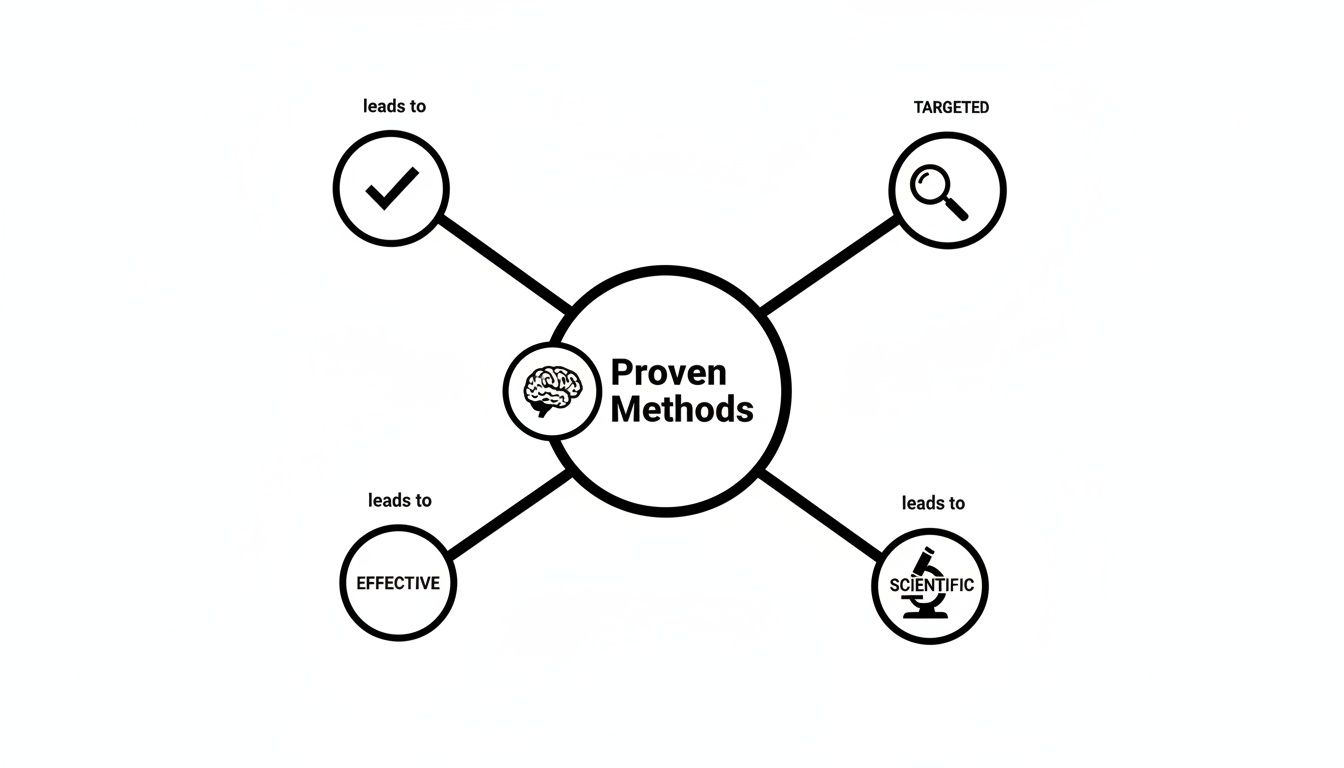
This shows how proven interventions aren't just a shot in the dark. They are targeted, scientifically-backed approaches that lead to real, measurable results.
Why We Urgently Need a Scientific Approach
This isn't just a theoretical debate; it's a real-world crisis. For decades, reading proficiency in the U.S. has been stubbornly low. Data from the National Assessment of Educational Progress (NAEP) has consistently shown that around 65% of fourth graders and 64% of eighth graders are not proficient readers. This isn't a new problem—it's a pattern that has barely budged over time, proving that many traditional approaches have simply not worked at scale. This makes the case for evidence-based interventions more urgent than ever.
The Science of Reading gives us a clear path forward. It shifts reading instruction from a philosophy based on guesswork to a practice grounded in solid evidence, making sure every child gets the kind of teaching they need to become a reader.
It's also important to remember that every child's journey is unique. Understanding the different types of dyslexia, for example, highlights why a one-size-fits-all approach fails so many kids. It underscores why targeted, explicit instruction is so critical for turning struggling students into successful readers.
Practical Reading Interventions You Can Do at Home
Knowing the science behind reading is one thing, but turning that knowledge into action is where the real magic happens. The good news? You don’t need a fancy classroom or expensive tools to create powerful, evidence-based reading moments. Many of the best strategies can be woven right into your daily routine, turning playtime and storytime into amazing learning opportunities.
The trick is to keep it playful. Forget about rigid drills that feel like a chore. The goal is to make these interactions so fun that your child doesn't even realize they're building foundational reading skills. These simple activities tap directly into the core components of reading, helping you see the "why" behind the play.
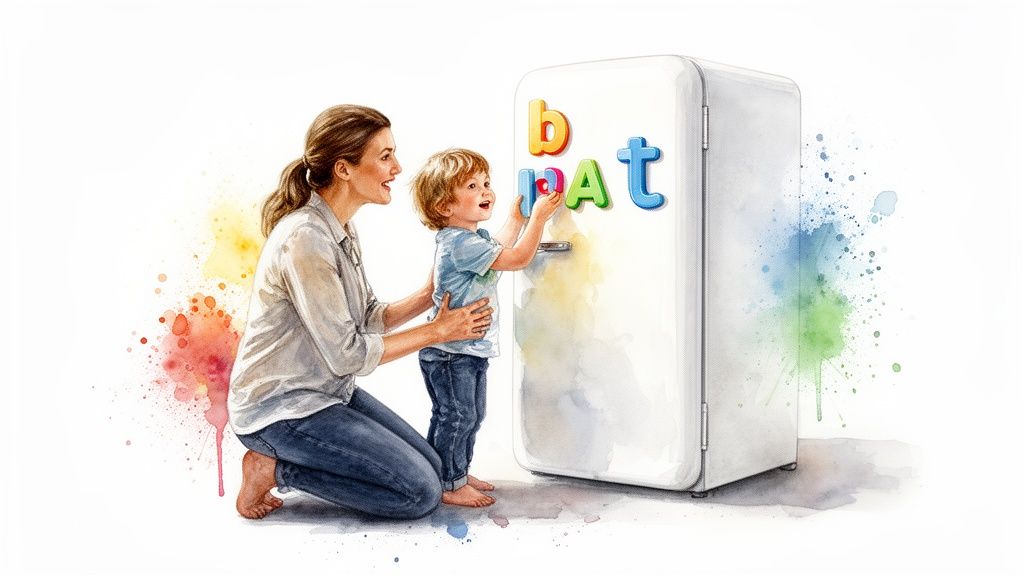
Here's a breakdown of simple, evidence-based reading activities you can try at home, perfectly suited for toddlers and preschoolers.
Age-Appropriate Reading Intervention Activities
Core Reading Skill | Activity for Toddlers (Ages 2-3) | Activity for Preschoolers (Ages 4-5) |
|---|---|---|
Phonological Awareness | Sing rhyming songs like "Twinkle, Twinkle, Little Star." Clap out the syllables in family members' names (Ma-ma, Da-da). | Play "I Spy" with sounds instead of colors: "I spy something that starts with the /b/ sound." |
Phonics | Point to the first letter of their name everywhere you see it—on blocks, in books, on signs. Say the letter and its sound. | Use magnetic letters on the fridge to spell their name, then simple CVC (consonant-vowel-consonant) words like cat or dog. |
Vocabulary | As you read a picture book, name everything you see on the page: "Look at the big, red ball!" Use rich, descriptive words. | Ask "what" and "where" questions during storytime: "What is the monkey holding?" or "Where is the boat going?" |
Comprehension | After reading a familiar book, ask them to point to their favorite character or part of the story. | Ask simple "why" questions or make predictions: "Why do you think the bear is sad?" or "What might happen next?" |
These small, consistent moments of playful learning add up over time, building a strong foundation without any pressure.
Boosting Phonemic Awareness Through Play
Before a child can read a word, they have to be able to hear the individual sounds that make it up. That skill is called phonemic awareness, and it’s a huge first step. You can build it with simple sound games that just feel like fun.
Think about the classic game "I Spy." Instead of spying something with a certain color, try spying something that starts with a specific sound. "I spy with my little eye, something that starts with the /mmmm/ sound." This nudges your child to tune their ears into the starting sounds of words like milk, mat, or monkey.
Rhyming is another powerhouse activity. Sing rhyming songs, read rhyming books, and make up silly rhymes together. Ask, "What word sounds like cat?" and celebrate their answers, whether they say hat, bat, or even a nonsense word like zat. This playful practice helps their brain start to recognize and play with the sound parts of our language.
Making Phonics Hands-On and Fun
Phonics is all about connecting sounds to written letters—the very foundation of learning to read. You can make this abstract concept concrete and interactive using things you already have at home. A simple set of magnetic letters on the refrigerator is a fantastic tool.
Start with the letters in your child's name. As you put the letters up, say the sound each one makes. From there, you can move on to simple three-letter words like "cat" or "sun." Change just the first letter to see what new word you can make ("cat" becomes "bat," then "mat"). This hands-on approach shows them how words are built and changed, one sound at a time.
For parents looking for more creative ideas, you can find valuable resources with these effective tips for teaching your little one to read. The goal is to make letters and sounds a tangible, friendly part of their world.
Transforming Story Time with Dialogic Reading
Reading together is one of the most powerful things you can do, but you can supercharge it with a technique called dialogic reading. It sounds complicated, but it just means turning storytime into a fun, two-way conversation instead of a one-way lecture.
Dialogic reading isn't about quizzing your child. It's about inviting them into the story, encouraging them to think, predict, and connect the narrative to their own life. This simple shift can dramatically boost vocabulary and comprehension.
So, how do you do it? As you read, just pause and ask open-ended questions.
Prompt them to complete a sentence: "I see a big, red..." (and let them shout "balloon!").
Ask recall questions: "What did the little bear eat for breakfast?"
Use 'wh-' questions: "Why do you think the dog looks so sleepy?" or "What do you think will happen next?"
Relate it to their life: "This reminds me of when we went to the beach. Do you remember building that big sandcastle?"
This conversational approach helps children go from being passive listeners to active participants. They learn new words in a meaningful way and start thinking more deeply about the stories they hear, laying an incredibly strong foundation for reading comprehension down the road.
How Personalized Storybooks Amplify Learning
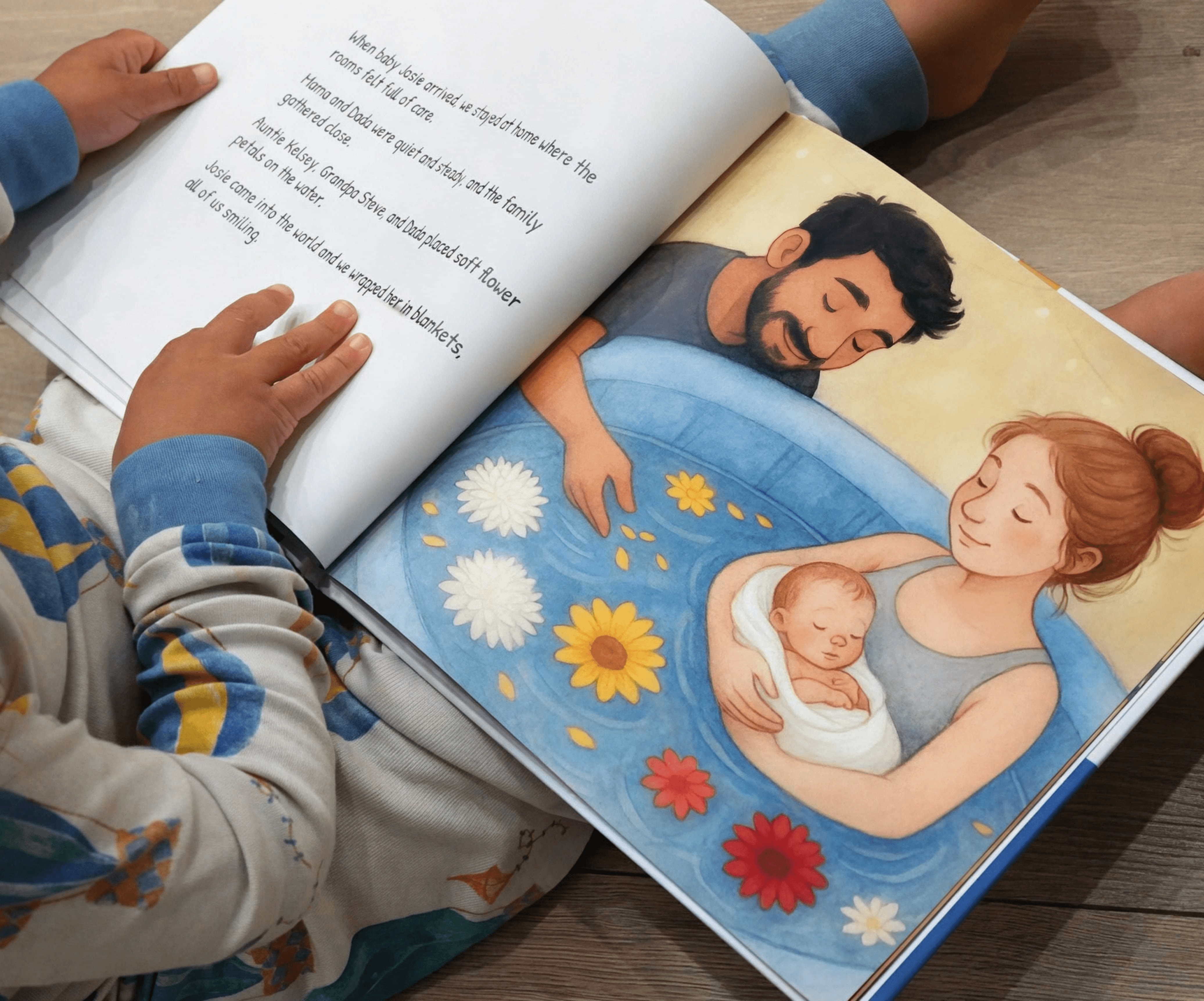
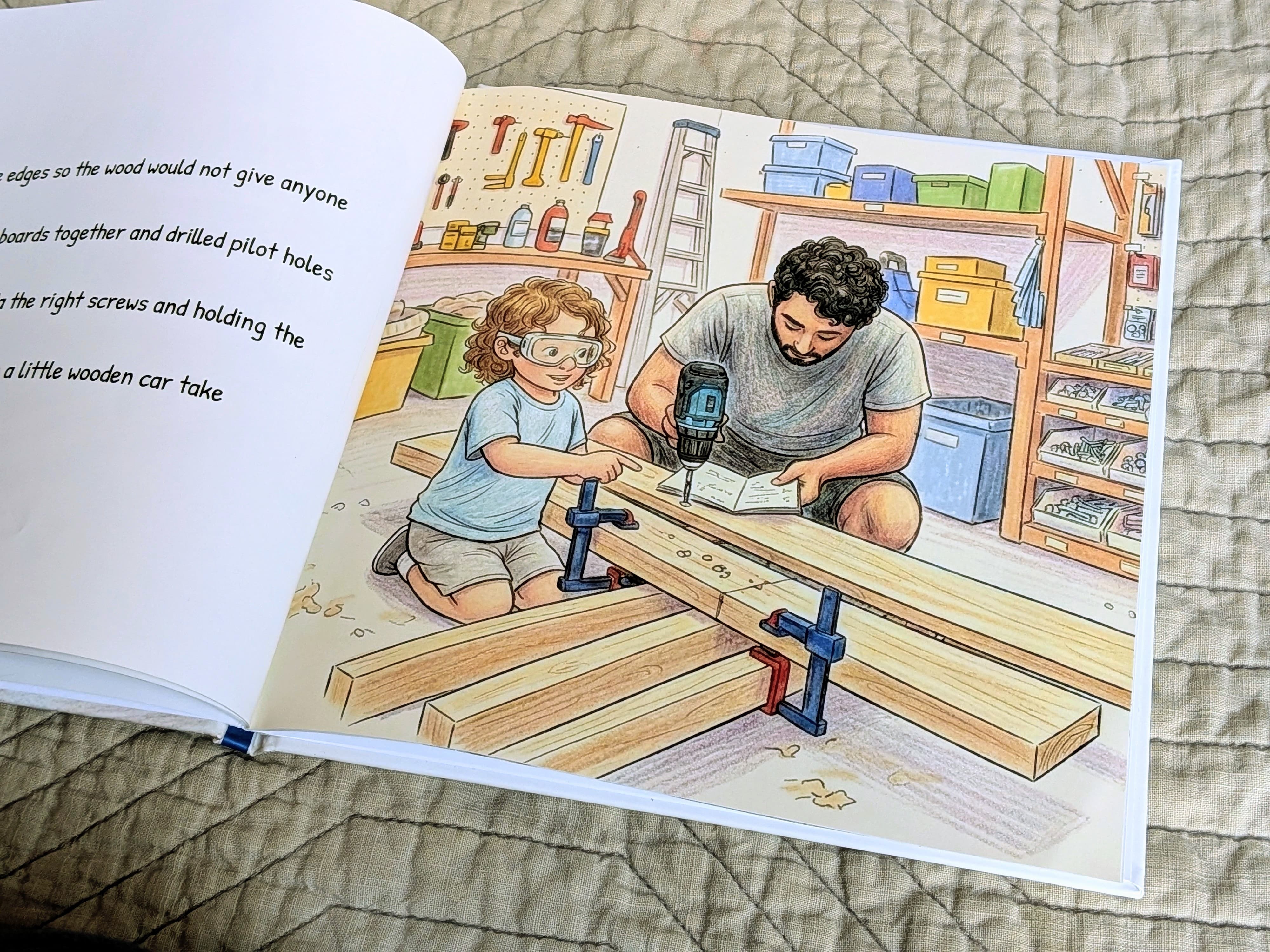
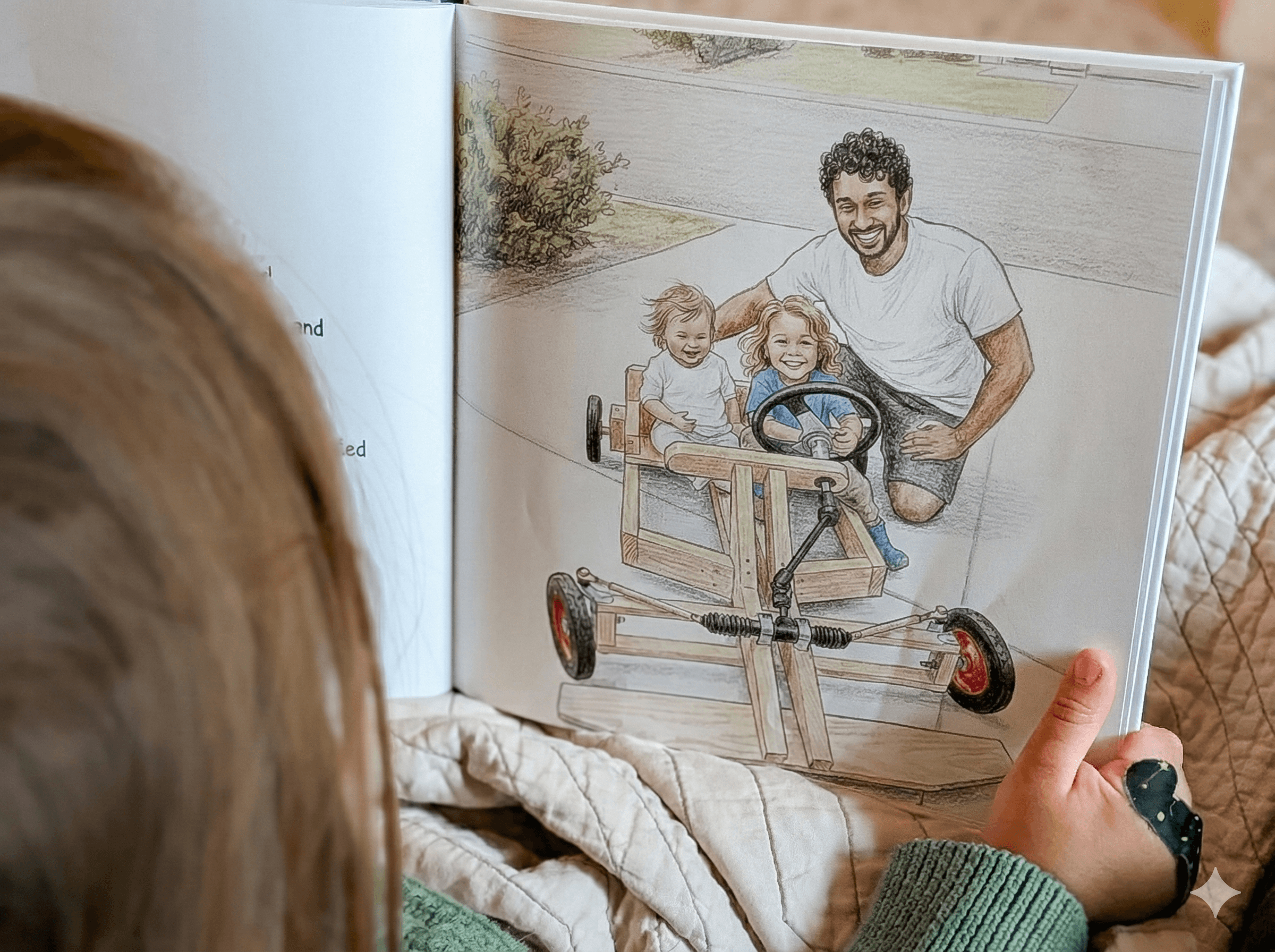
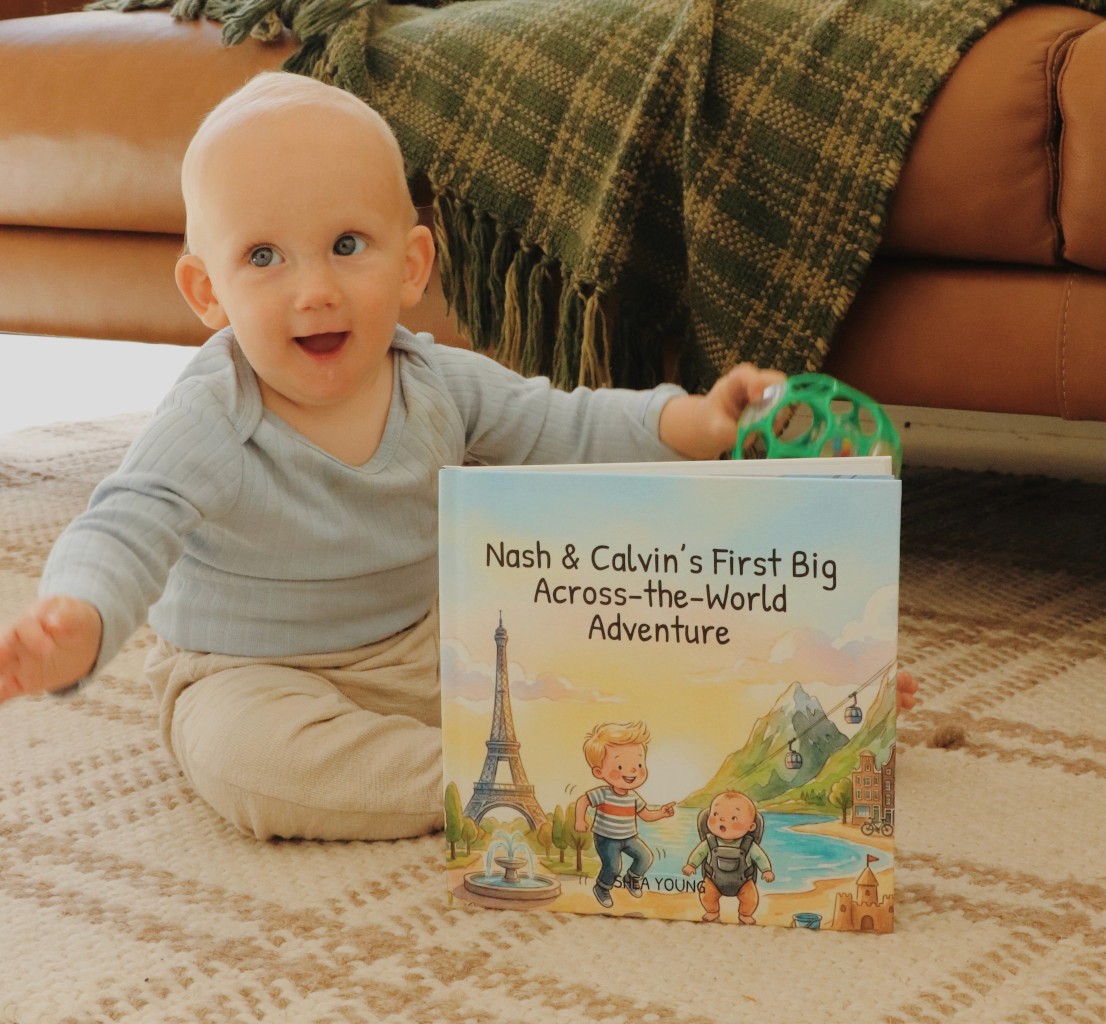
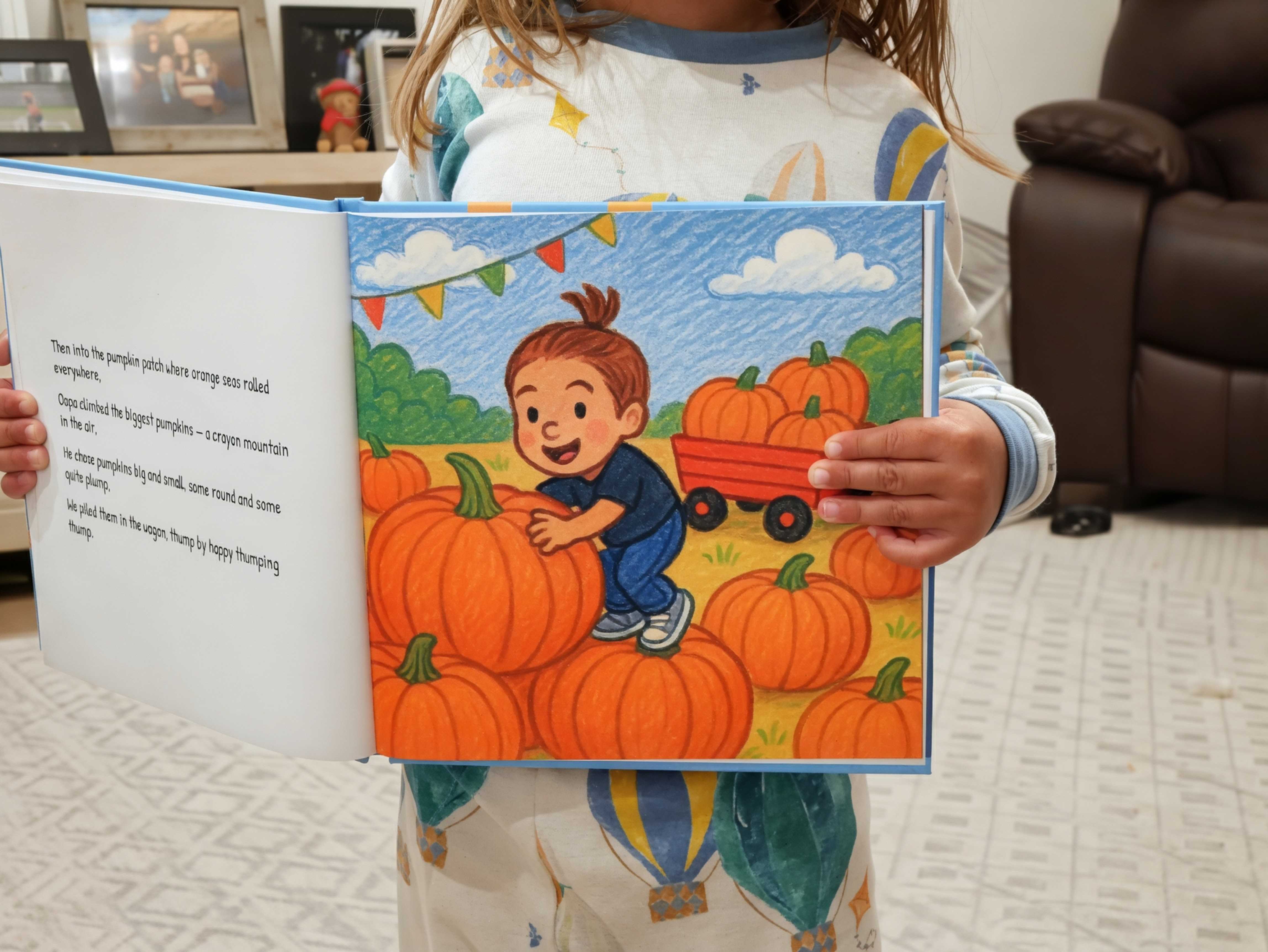
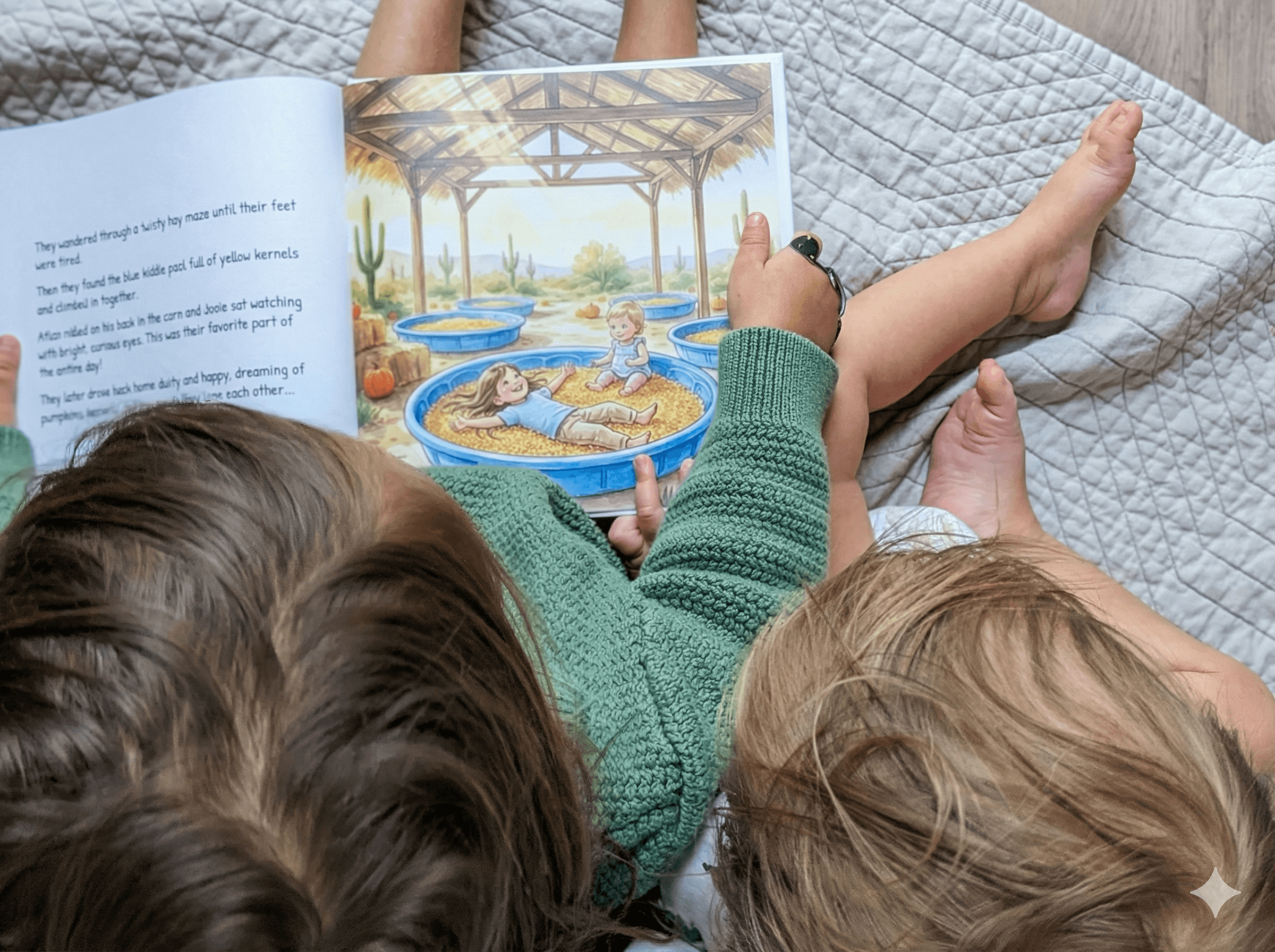
Imagine a reading tool so engaging your child actually asks for it, again and again. That’s the unique power of a personalized storybook. When we talk about evidence-based reading interventions, motivation is a huge piece of the puzzle, and this is where personalization truly shines. It can turn reading practice from a chore into a treat.
Seeing their own name in print, looking at photos of themselves, and reading about familiar family adventures creates a deep, immediate connection. That personal hook is a powerful motivator, encouraging the very repetition kids need to build reading fluency. When the story is about them, the practice doesn't feel like practice at all. It just feels like fun.
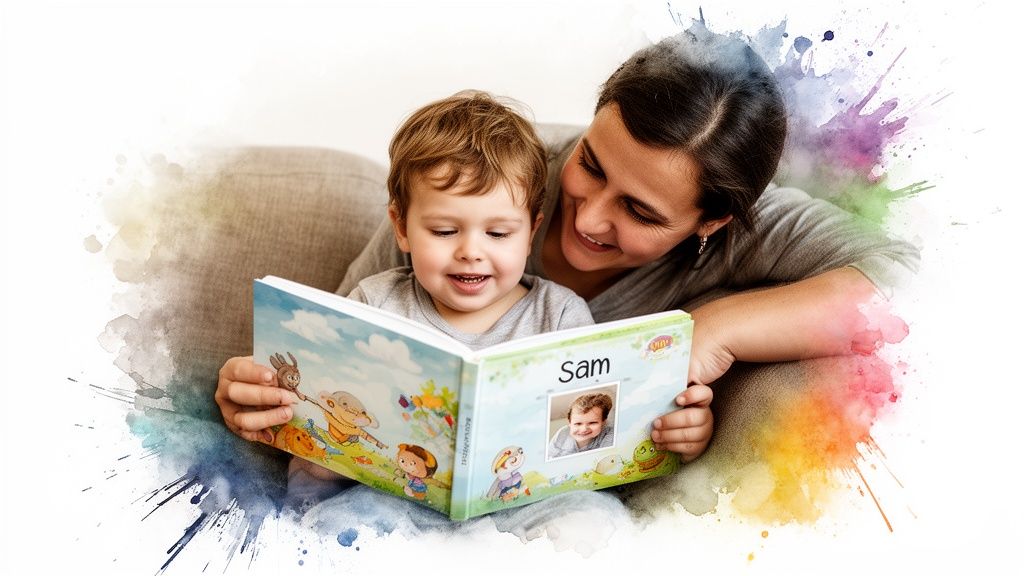
Making Learning Meaningful
One of the biggest hurdles in early reading is making abstract concepts stick. A personalized book creates a rich, natural context for building those core literacy skills because the content is already deeply meaningful to the child. The characters are their family members, the settings are their home or favorite park, and the plot is their own life.
This built-in familiarity helps in a few key ways:
Boosts Vocabulary: When a child learns a new word in the context of their own experience—like reading “adventure” in a story about their own trip to the zoo—that word is far more likely to stick.
Strengthens Comprehension: Understanding a story is much easier when you already have the background knowledge. A personalized book gives them the ultimate foundation, letting them focus on connecting the words on the page to memories they already hold.
Encourages Engagement: Kids become active participants, not just passive listeners. They are eager to point out pictures, talk about the events, and guess what happens next because the story belongs to them.
Personalized storybooks are a powerful supplement to structured, evidence-based reading strategies. By tapping into a child's own life and motivation, they make the hard work of learning to read feel effortless and joyful.
Connecting Personalization to Proven Strategies
Let’s be clear: personalized books aren't a replacement for explicit instruction in phonics or phonemic awareness. But they are a fantastic amplifier.
Think of a phonics lesson where a child is learning the sound for the letter 'B'. That lesson becomes so much more powerful when they later read a story about "Bobby's Big Balloon Birthday," featuring a photo from their own party. The abstract concept suddenly becomes concrete, personal, and memorable.
This approach lines up perfectly with the principles of effective instruction. You can learn more about making reading a joyful part of your routine by exploring guides on personalized story books for toddlers.
By weaving these books into your reading time, you create an environment where your child feels seen, celebrated, and excited to learn. It’s a simple way to foster a positive emotional connection to reading—one of the most important predictors of long-term literacy success. Making learning relevant isn't just a nice idea; it's a smart strategy that supports the foundational goals of any good reading intervention.
Building a Reading-Rich Environment for Your Child
A child's reading journey isn’t something that starts and stops with a 20-minute story before bed. The best evidence-based reading interventions are woven into the fabric of daily life, creating a supportive "literacy ecosystem" right at home. It’s all about turning everyday moments into quiet, powerful learning opportunities.
This ecosystem isn’t built with grand gestures or expensive tools. It’s the small, consistent habits that matter most—making books, words, and stories a visible, celebrated part of your family’s culture. You are your child’s first and most important reading champion, and these little efforts are what add up to the biggest wins.
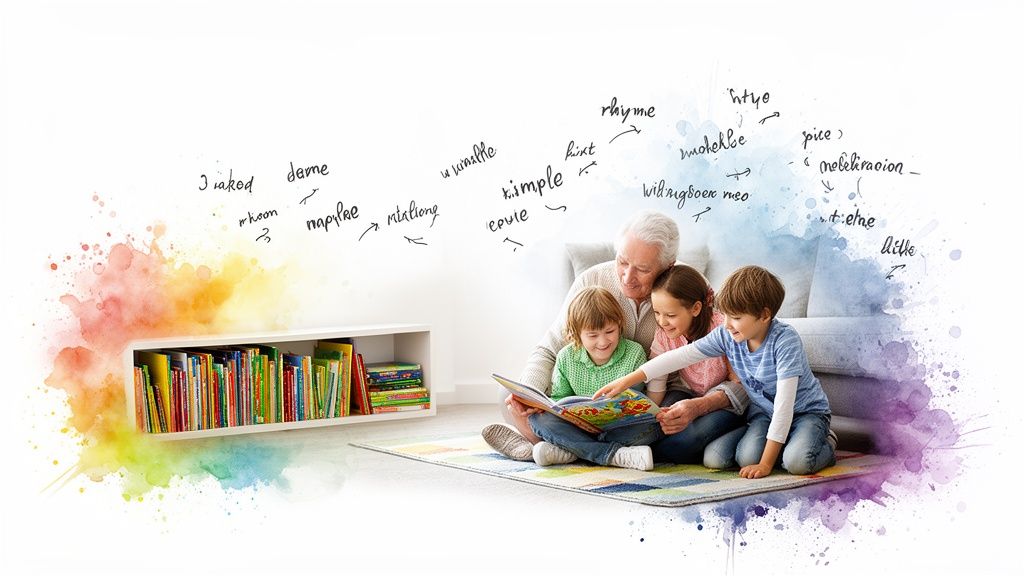
Weaving Literacy Into Your Daily Routine
Think about your day. How many little chances are there to point out a letter, talk about a word, or play with a sound? Probably way more than you realize. The trick is to be intentional about these moments without making them feel like a pop quiz.
Here’s how you can sprinkle literacy learning throughout your day:
On Errands: Point out the big red letters on a "STOP" sign. At the grocery store, ask your child to find a food that starts with the /b/ sound, like bananas. This builds print awareness and phonological skills in a really natural way.
In the Car: Sing rhyming songs or listen to an audiobook together. Talk about what you see out the window, using rich, descriptive language to build their vocabulary without them even noticing.
At the Dinner Table: Just talk about your day. Ask open-ended questions that encourage your child to tell their own little stories. This helps them understand how narratives work, from beginning to middle to end.
These simple interactions show your child that language is all around them—and that it’s useful, interesting, and fun.
The Power of a Print-Rich Home
A home where reading is valued is a home where books and letters are easy to find. When a child sees words as a normal part of their environment, they’re far more likely to engage with them curiously and confidently.
Consider these simple ways to enrich your home with print:
Create a Cozy Reading Nook: It doesn’t have to be fancy. A few pillows in a quiet corner with a small bookshelf makes reading feel like a special, inviting escape.
Keep Books Everywhere: Have little baskets of books in the living room, their bedroom, and even the car. Easy access encourages them to pick one up whenever the mood strikes.
Label Everyday Items: Put simple labels on things like "toys," "door," or "chair." This helps your child make that critical connection between a written word and the object it represents.
This approach makes reading and print feel completely normal—just another part of their world.
A reading-rich environment sends a clear message: Reading isn’t just a school subject. It’s a source of joy, a tool for discovery, and a central part of our family’s life.
Engaging the Whole Family and Community
Building this supportive ecosystem isn't a one-person job. When the whole family gets involved—siblings, grandparents, aunts, and uncles—the value of reading is reinforced from every direction. Encourage an older sibling to read to a younger one, or ask a grandparent to share stories from their childhood.
This community approach has a proven impact. Research on literacy programs shows that interventions work best when they involve families, not just schools. A randomized controlled trial in Rwanda found that students in a program combining teacher training with family engagement read more fluently than 62% of students in the control group. It’s a powerful reminder that family involvement is a critical ingredient for real progress. You can explore more of these findings on early reading improvement.
Ultimately, by creating an environment where language is explored, books are cherished, and stories are shared, you provide the most foundational intervention of all: a deep and lasting love of reading.
Common Questions About Reading Interventions
Diving into the world of evidence-based reading interventions can feel a little overwhelming. As a parent, you're juggling a million things, and it’s natural to feel a mix of hope and "Am I doing this right?" This section is here to answer your biggest questions—not with complex jargon, but with clear, reassuring advice from one parent to another.
Think of this as your friendly troubleshooting guide. The goal is to feel empowered, not pressured. You already have everything you need to be your child's best champion.
How Do I Know If My Child Needs a Reading Intervention?
This is usually the first question on every parent’s mind, and it’s a great one. The key is to look for consistent patterns, not just a single off day. Every child learns at their own pace, so a little patience and gentle observation are your best friends.
For preschoolers, some soft signs might look like:
Rhyming Roadblocks: Consistently having trouble hearing or making rhymes during songs and games.
Letter Blindness: A lingering lack of interest in the letters of their own name, even with friendly exposure.
Storytime Squirmies: Frequently resisting being read to or just not seeming to enjoy it.
It’s so important to remember that these are just little flags, not diagnoses. Think of home-based interventions as a fun, supportive boost that can help any child. They're about building skills through play. If you're still worried, a chat with your child's teacher or pediatrician is always a wonderful next step.
Is 20 Minutes of Reading Each Day Really Enough?
We’ve all heard the classic "read for 20 minutes a day" rule. It's a fantastic start, but it's only one piece of the puzzle. A much more powerful way to think about it is to see all the tiny literacy moments that are already happening in your day. When you start looking for them, you’ll realize you’re doing far more than you think.
True literacy isn’t a scheduled event; it's a thread woven into the fabric of your life.
The real magic happens not in one timed session, but in the cumulative effect of many small, joyful interactions with words and sounds all day long. It’s about creating a home where curiosity about language is just part of the air you breathe.
Singing rhyming songs in the car? That's building phonological awareness. Talking about the items on your grocery list? You're expanding their vocabulary. Pointing out the letters on a "Stop" sign? That's print awareness right there.
For busy families, the secret is being intentional about these tiny moments. They add up to way more than 20 minutes and create a constant, low-pressure learning environment where skills can just... blossom.
Could I Harm My Child’s Progress by Doing the Wrong Thing?
This is such a common and understandable fear. We worry that if we don't do an activity perfectly, we might mess things up. Please, let me put your mind at ease: your positive encouragement is the most important ingredient. You can’t get that wrong.
The only real harm to a child's reading journey comes from creating an atmosphere of stress, pressure, or frustration. The goal should always, always be connection and joy.
If an activity starts to feel tense for either of you, just stop. Put it away. Try something else, or come back to it another day. Your job is to be their cheerleader, not their drill sergeant. Celebrate their effort and their curiosity—not just their performance. A child who feels happy, safe, and connected is a child who is perfectly set up for success.
Where Can I Find More Reliable Reading Resources?
The internet is a sea of parenting advice, and frankly, not all of it is good. When you're looking for trustworthy information to support your child, it’s best to turn to established organizations grounded in the actual science of reading.
These sources can help you feel confident you're on the right track, steering you away from fads and toward practical, proven advice.
Here are a few of my absolute favorites:
Reading Rockets: A national project offering a treasure trove of free, research-backed articles, videos, and parent-friendly activities.
The National Center on Improving Literacy (NCIL): This group provides fantastic resources to help families understand and support their children’s literacy development.
The Reading League: A nonprofit dedicated to promoting evidence-aligned reading instruction. Their resources for parents are clear and incredibly helpful.
These organizations are all about giving you reliable guidance, backed by the same research that informs the most effective evidence-based reading interventions.
At Once Upon A Memory Books LLC, we believe learning sticks when a child feels seen, loved, and celebrated. Our personalized storybooks turn your family’s own memories into a reading experience your child will beg for, making them the hero of their own adventure. By blending the joy of their world with foundational reading principles, we help you create a literacy tool they’ll cherish forever.
Start creating your child’s unique storybook today and make reading their favorite adventure!