Blog
A Parent's Guide to Literacy Development in Early Childhood
Discover key milestones and practical strategies for literacy development in early childhood. Nurture a lifelong love of reading from birth to age five.
When we talk about "literacy," it’s easy to picture a kid already sounding out words in a book. But the real work of learning to read and write starts long before that—from the moment a baby is born.
Literacy development in early childhood is the beautiful, messy, and incredible process of building all the skills a child needs to one day make sense of those squiggles on a page. Every song you sing, every conversation you have, every story you share—it's all tilling the soil for learning to take root.
What Early Literacy Really Means
Think of it like building a house. You wouldn't just start throwing up walls and a roof, right? You’d need a strong, solid foundation first. Early literacy skills are that foundation.
Every little interaction is a brick in that structure. A baby cooing back and forth with you is learning the rhythm and flow of conversation. A toddler pointing to a picture of a dog in a book is making a powerful connection between a symbol and a real-world thing.
These aren't just sweet moments; they are the genuine, hands-on work of building a brain that can communicate. This whole pre-reading journey is what experts call emergent literacy. You can take a deeper dive into what is emergent literacy in our detailed guide.
It’s More Than Just Books
Literacy development isn't a checklist of academic tasks. It’s a whole web of experiences that have to work together to get a child’s mind ready for the complex job of reading.
Here are the key ingredients that mix together to create a strong reader:
Oral Language: This is simply the ability to listen and speak. It’s built through everyday chats, singing silly rhymes, and just talking about what you’re doing as you make breakfast.
Phonological Awareness: A fancy term for a simple idea: hearing and playing with the smaller sounds in words. Clapping out the syllables in a name (Li-ly!) or reading rhyming books are fun, no-pressure ways to build this.
Print Awareness: This is the lightbulb moment when a child understands that print on a page means something. Pointing to a stop sign and reading the word "STOP" is a perfect, real-world lesson that those letters carry a message.
Vocabulary: The more words a child hears, the more they’ll know and use. A big vocabulary makes it so much easier to understand stories they hear and, later on, the ones they read themselves.
It's amazing what a difference this early support makes on a global scale. Between 1975 and 2023, the global youth literacy rate for ages 15-24 skyrocketed from just 77% to an incredible 92.84%. That giant leap shows just how much setting a strong foundation in the early years contributes to a lifetime of success.
Mapping Your Child's Literacy Journey From Birth to Five
Every child’s path is their own, but there are common signposts along the road to literacy. Think of these milestones less like a checklist and more like a friendly roadmap—a way to celebrate your child’s progress and offer the right support without any pressure. This journey isn't a race; it's a natural unfolding of incredible skills.
From your baby’s first gurgles to your preschooler’s wild, imaginative stories, you can appreciate the small but powerful steps they take every single day.
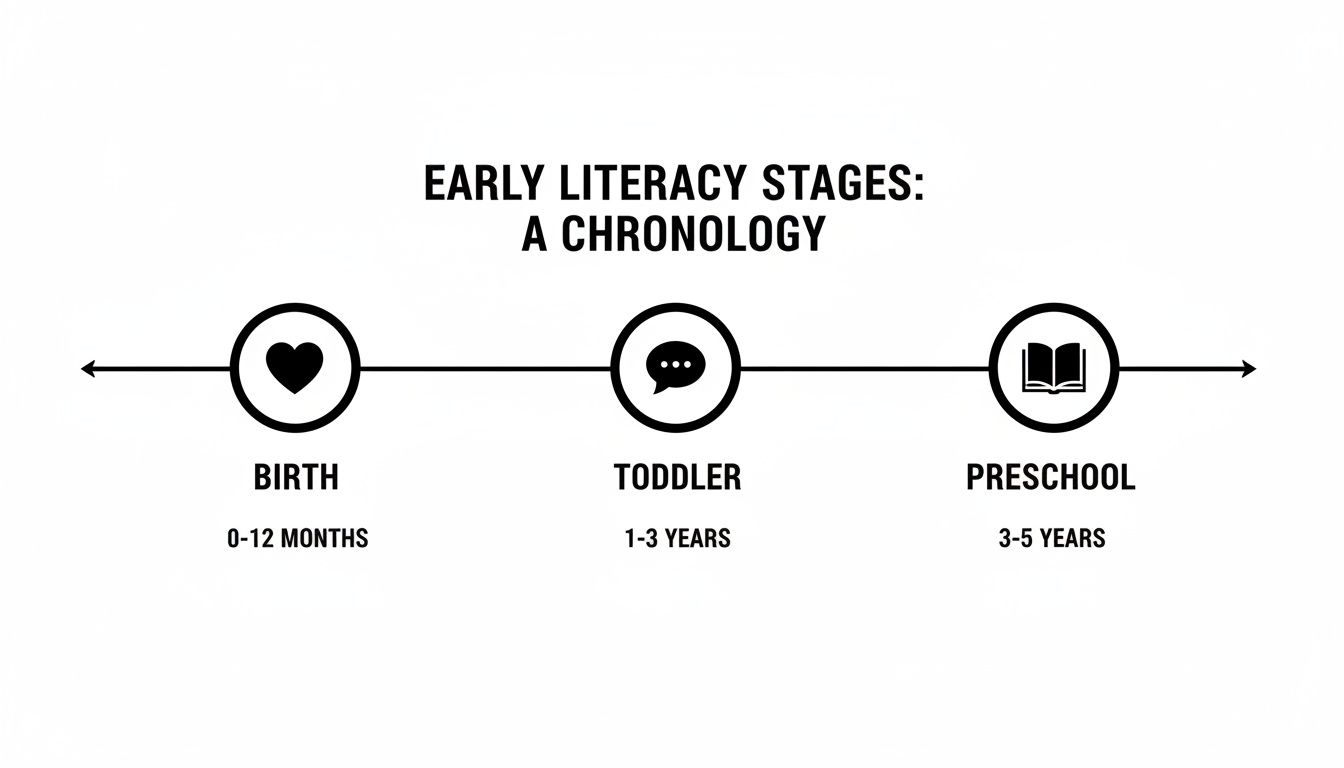
This visual shows how skills build on one another, starting with pure sensory input at birth and blossoming into expressive language and, eventually, an understanding of print.
Let's break down what these stages really look like at home.
The First Year (Birth to 12 Months)
In the very beginning, literacy is all about connection and sound. A baby’s brain is wired to tune into the voices of their caregivers. This isn't just passive listening; it's the very first step in learning the rhythm and melody of language.
During this phase, you’ll probably see your baby:
Turning their head toward your voice or a familiar sound.
Cooing and babbling, experimenting with sounds like "ba-ba" or "da-da."
Showing interest in colorful board books, especially those with faces or high-contrast images.
Responding with gestures like waving or clapping to songs and rhymes.
These early interactions are the true foundation of communication. When you respond to their babbles as if you're having a real conversation, you're teaching them the fundamental back-and-forth of language.
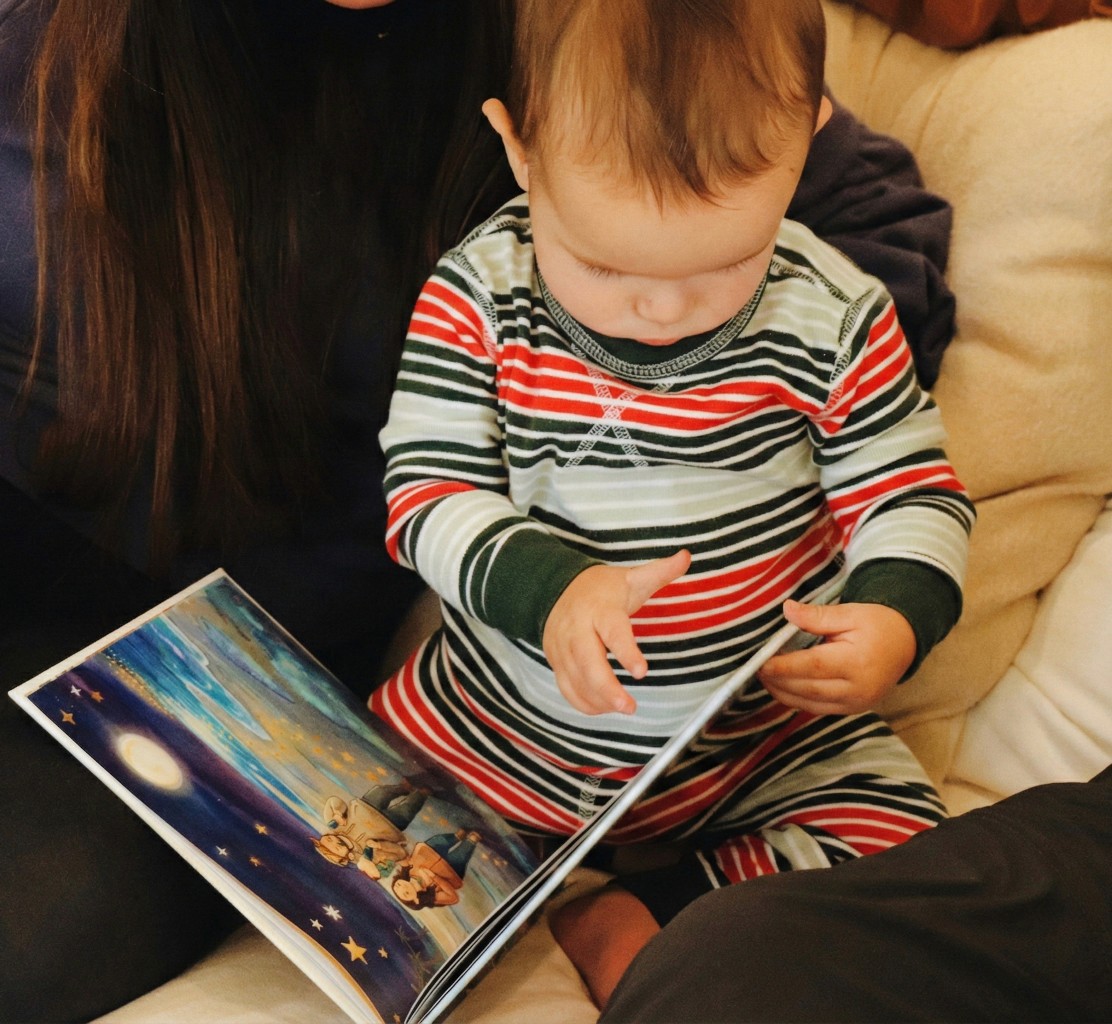
Every cuddle while sharing a soft cloth book, every nursery rhyme sung during a diaper change, is a powerful literacy lesson. You are laying the neurological groundwork for a lifelong love of stories.
The Toddler Years (1 to 3 Years)
This is an explosive period for language. Toddlers go from simply understanding words to using them to express their own thoughts, wants, and needs. Their vocabulary can grow from just a handful of words to several hundred in a remarkably short time.
Literacy skills become much more interactive and visible. They aren't just absorbing anymore; they are actively using language to make sense of their world.
Now, you’ll start to see your child:
Pointing to pictures in a book and naming familiar objects.
Finishing sentences in well-loved, rhyming stories ("Twinkle, twinkle, little...").
Holding a book the right way up and turning the pages (even if it's a few at a time).
Asking "What's that?" on a loop, showing a deep curiosity about the words we use to describe everything.
This stage is all about making reading a fun, shared activity. Don't worry if they won't sit still for the whole story. Let them lead, talk about the pictures, and keep it joyful.
The Preschool Years (3 to 5 Years)
As kids hit the preschool years, their literacy skills get much more complex. They begin to understand that the squiggles on a page represent spoken words—a huge cognitive leap known as print awareness. This is where the pre-reading skills really start to click into place.
They are connecting the dots between spoken language and the written word. You’ll notice them developing more sophisticated abilities that directly pave the way for learning to read.
Here’s a look at what to expect during this exciting time:
Recognizing Letters: They might start to recognize the letters in their own name or on familiar signs like "STOP."
Storytelling: They can retell a simple story in their own words or make up wonderfully imaginative tales.
Rhyming and Sound Play: They might enjoy playing with words, pointing out words that rhyme, or clapping out the syllables in names.
Early Writing: Their scribbles will start to look more intentional, and they may try to "write" their name or a story.
This phase is so important for fostering a love of reading that can last a lifetime. By creating a playful and print-rich environment, you empower them to see themselves as readers and writers long before they've mastered the mechanics.
To make it even easier, here’s a quick summary of the key milestones to watch for on your child’s literacy journey.
Literacy Milestones At A Glance: Birth to Five
This table breaks down some of the key skills and behaviors you can look for at different stages, along with simple ways to encourage them.
Age Range | What You Might See (Key Milestones) | Simple Ways to Encourage Growth |
|---|---|---|
Birth–12 Months | Turns head to sounds, coos & babbles, enjoys looking at board books, responds to songs with gestures. | Talk, sing, and read to your baby daily. Respond to their sounds to teach conversation. Use soft cloth or board books. |
1–3 Years | Points to and names objects in books, finishes familiar phrases in stories, turns pages, vocabulary explodes. | Read rhyming, repetitive books. Ask "Where is the...?" questions. Let them turn the pages. |
3–5 Years | Recognizes letters (especially in their name), retells simple stories, plays with rhyming words, scribbles look more like writing. | Point out letters on signs. Ask them to tell you a story about their day. Sing the alphabet song. Have crayons and paper readily available. |
Remember, every child develops at their own pace. This is simply a guide to help you notice and celebrate the amazing progress your little one is making every day.
Simple Strategies to Nurture a Love of Reading
Knowing the milestones is one thing, but putting that knowledge into action is where the real joy begins. This is your invitation to step into the story, creating a world so rich with words and wonder that learning feels just like play. The goal isn't just to teach skills, but to spark a genuine, lifelong love for reading.
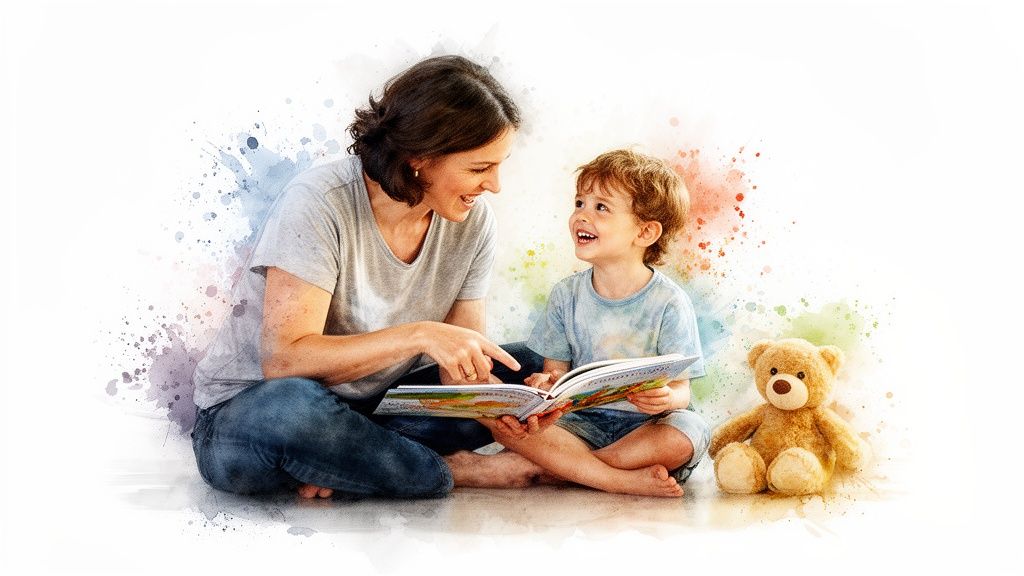
You don’t need fancy flashcards or expensive programs to make a difference. The most powerful tools are already woven into the simple, everyday moments you share with your child.
Turn Storytime into a Conversation
Ever find yourself just reading the words on the page while your little one sits passively? A simple shift can turn this one-way street into a dynamic, brain-building conversation. It’s a technique called dialogic reading, and it’s less about reading to your child and more about reading with them.
Think of yourself as a story facilitator, not just a narrator. The book becomes a launchpad for connection.
Here’s how to give it a try:
Ask “What” Questions: Instead of just reading, pause and point. “What is that puppy doing?” or “What color is that big balloon?” It encourages them to look closer and pull out their own words.
Expand on Their Answers: If they say, “Doggy!” you can build on it. “Yes, it’s a big, fluffy doggy! He looks so happy, doesn’t he?” This models richer language.
Connect it to Their World: Try to link the story to their own life. “Look, she’s eating an apple. Remember when we picked out red apples at the store yesterday?” This makes the story stick.
This back-and-forth is a workout for their language skills, building vocabulary and comprehension far more effectively than just listening ever could.
Weave Literacy into Everyday Life
Some of the best literacy-building activities don't involve books at all. Your daily routines are absolutely packed with opportunities to build a strong language foundation. Just think of yourself as a tour guide for their world, narrating the interesting things you see and do together.
A trip to the grocery store, for example, can be a literacy goldmine. You can talk about the colors of the fruits, point out letters on signs, and ask them to help you find items from your list. It shows them that words are all around us, and they have a real purpose.
The key is to make language and print a visible, useful part of their daily environment. When a child sees that words help us navigate the world—from finding their favorite cereal to reading a street sign—they understand the power and purpose behind learning to read.
The Secret Weapon: Personalized Storybooks
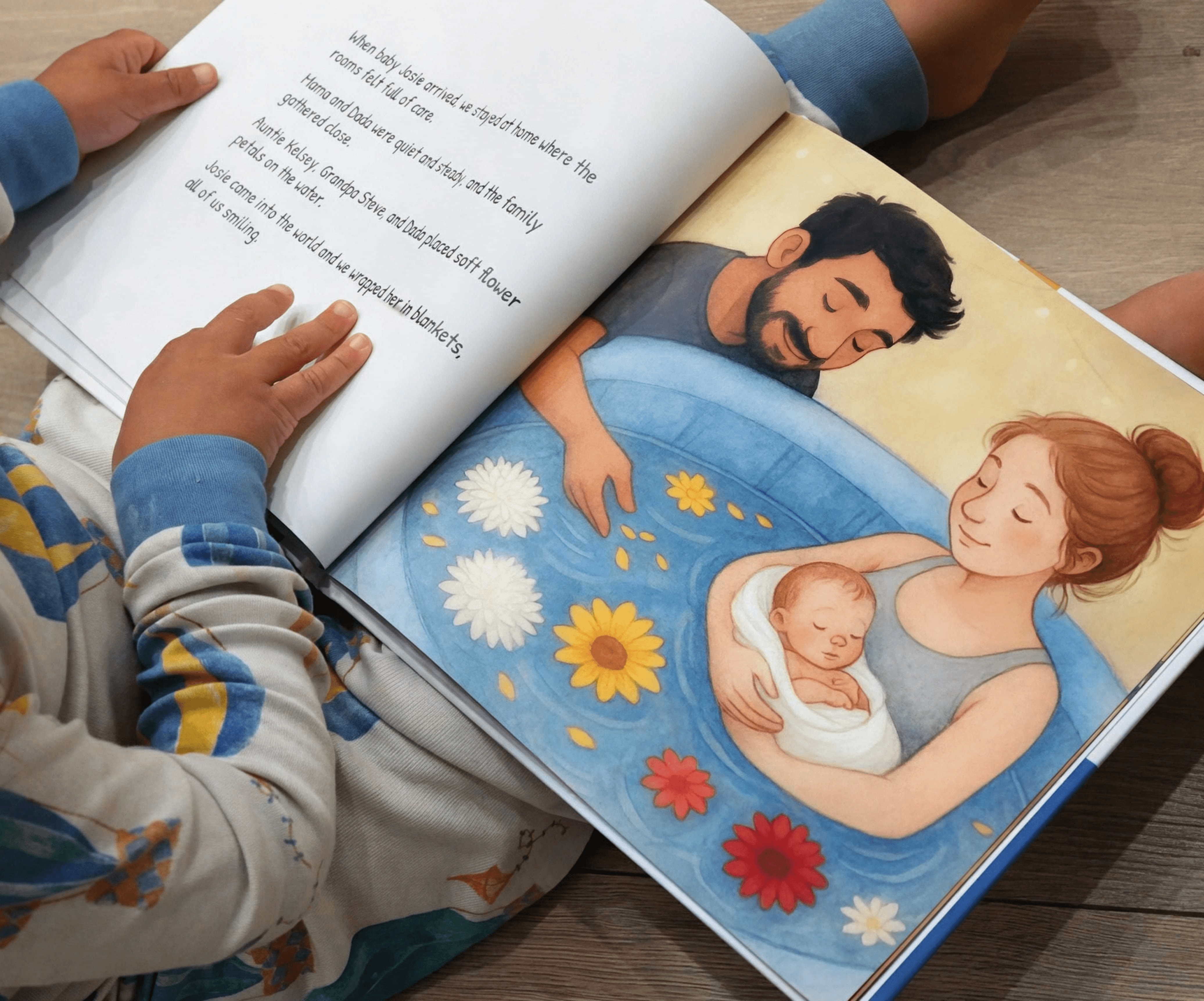
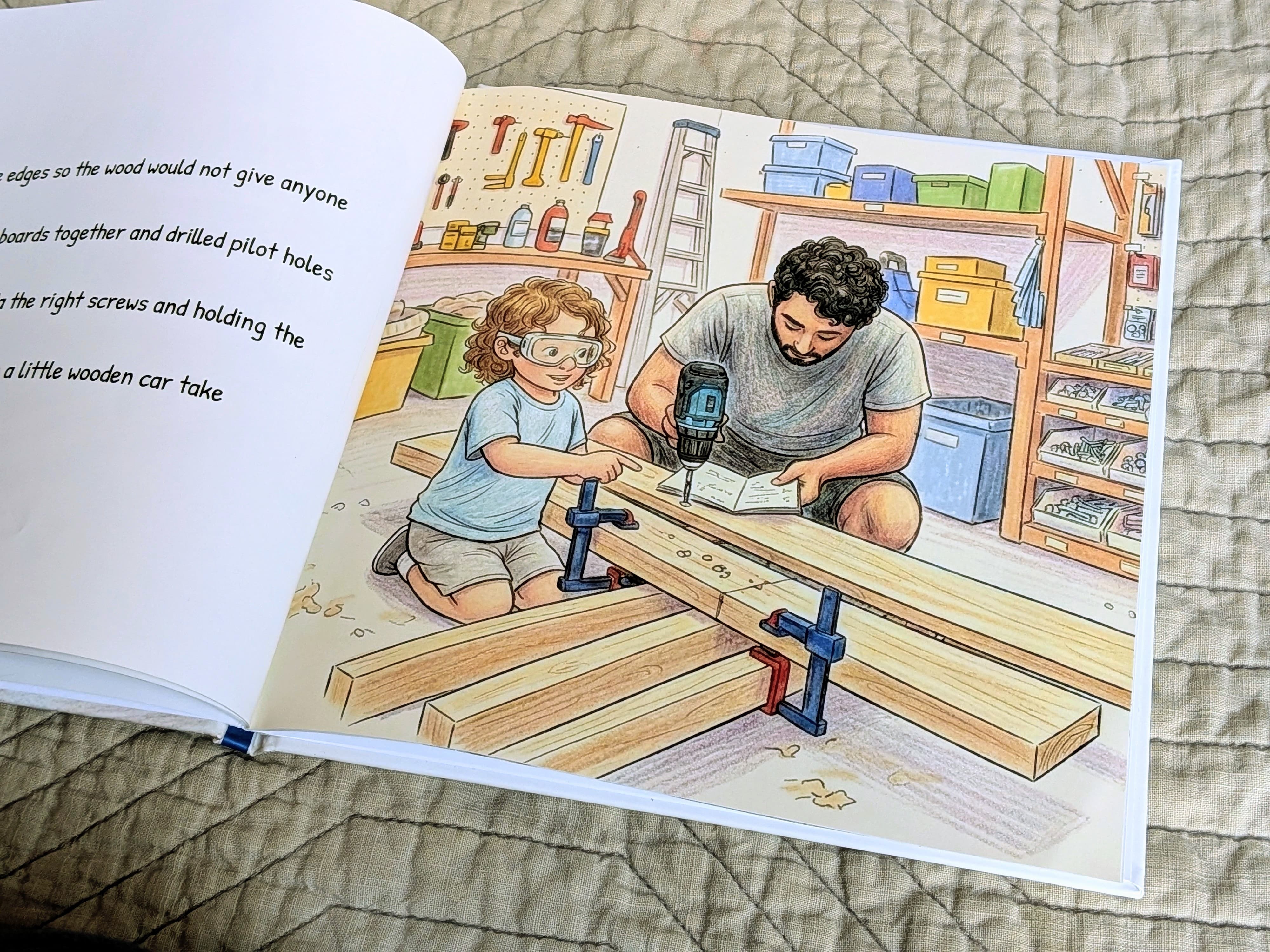
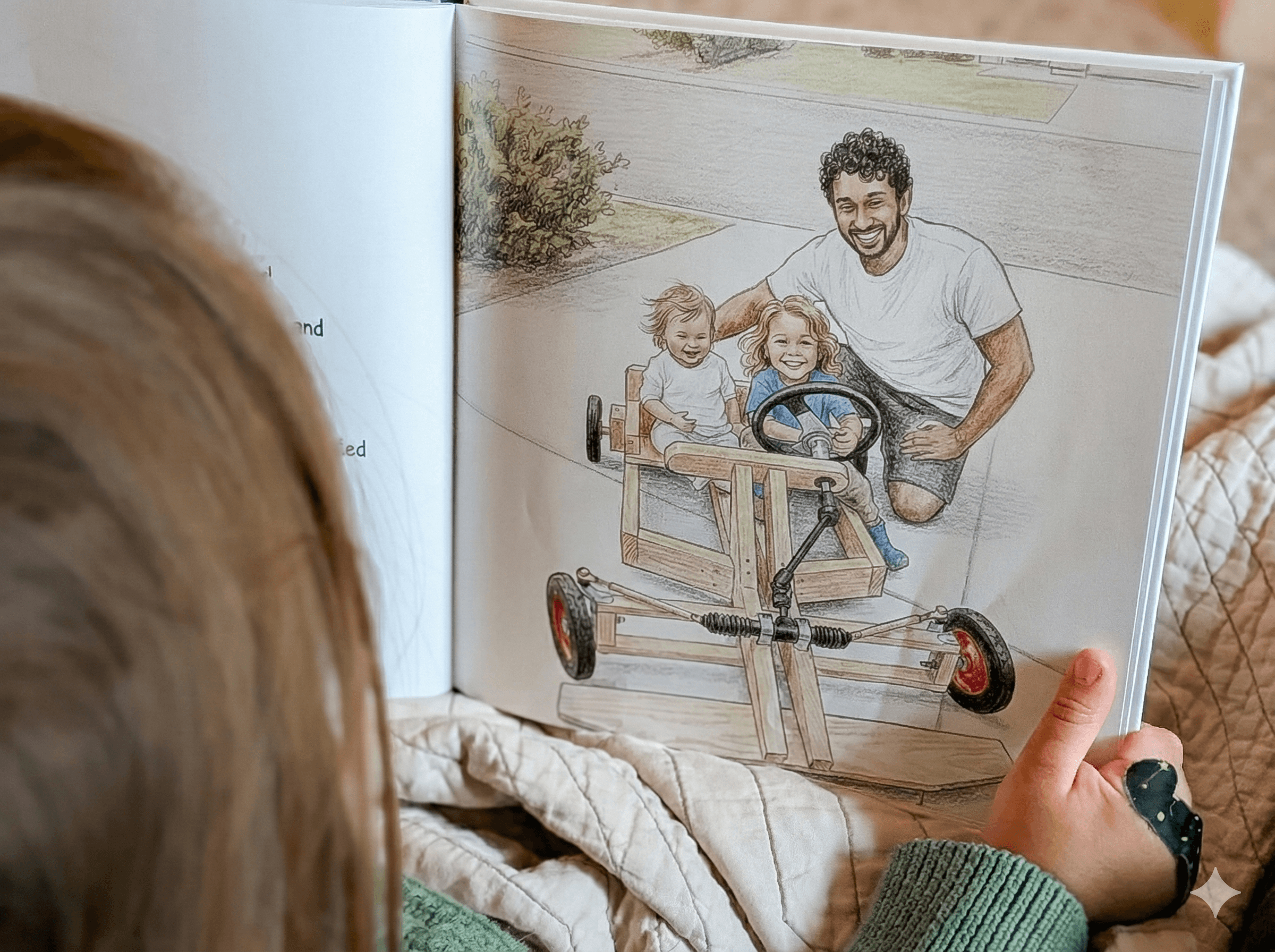
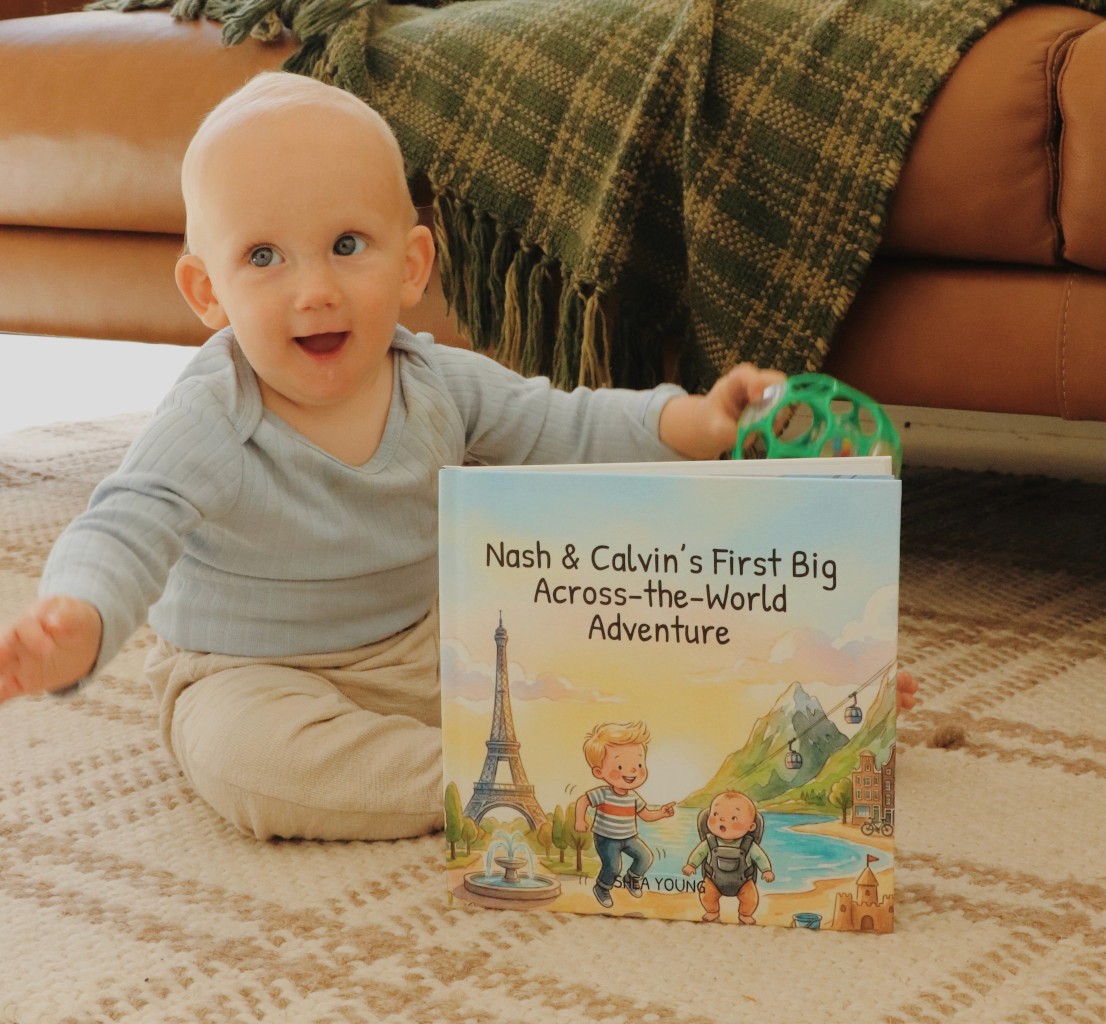
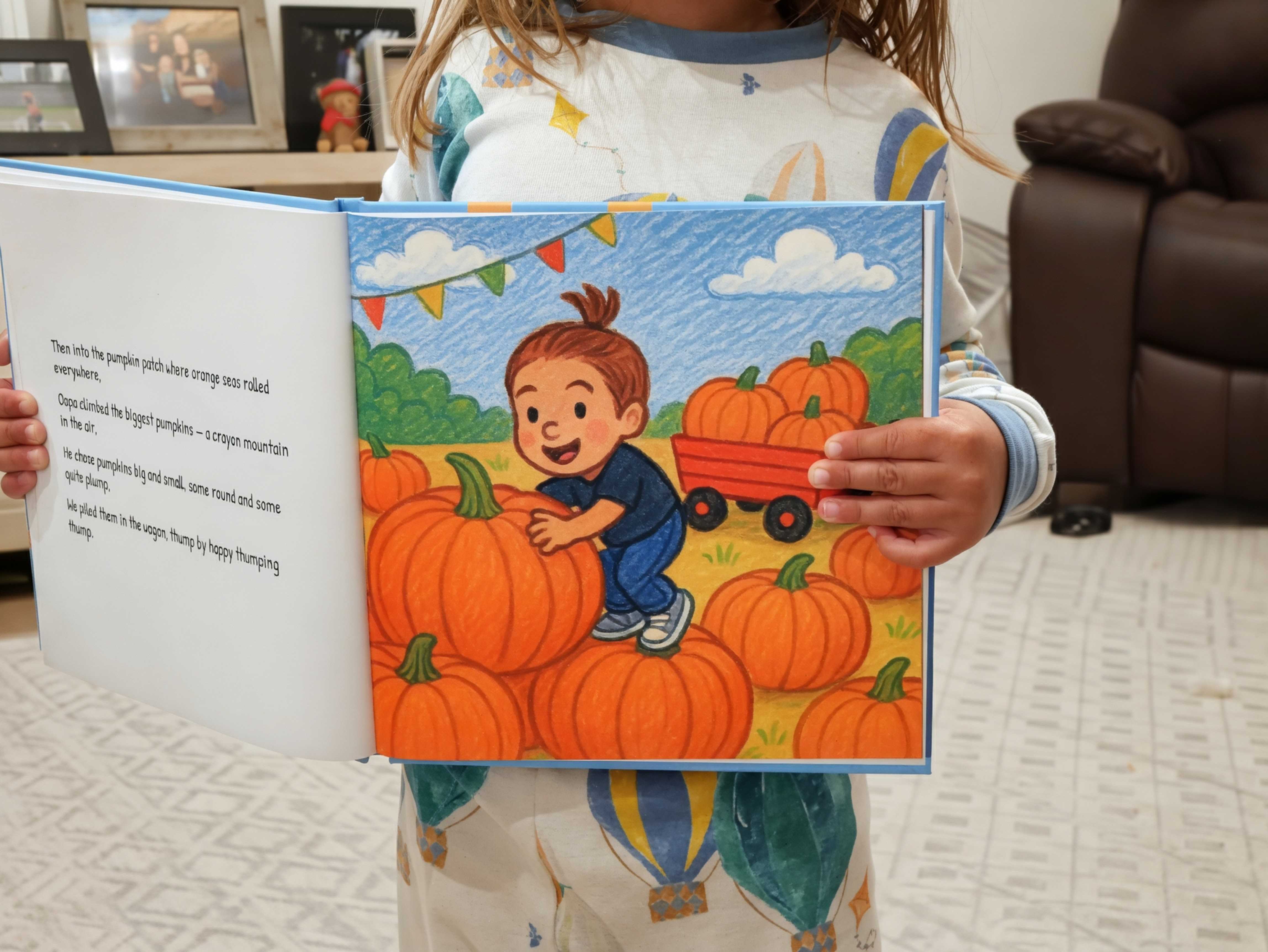
One of the most powerful ways to ignite a child’s interest in reading is to make them the star of the show. Personalized storybooks, where your child is the main character, are a complete game-changer for engagement. When kids see their own name, photo, and life experiences woven into a story, it creates an instant, magical connection.
This isn't just a fun gimmick; it taps into a deep human need for relevance. The story is no longer about some stranger—it's about them. Reading transforms from a passive activity into an exciting adventure they are personally invested in. It’s a wonderful strategy, and you can find more early literacy tips for parents in our other guides.
Make Music and Rhyme a Daily Habit
Singing songs and chanting nursery rhymes are incredibly important for phonological awareness—the ability to hear and play with the smaller sounds in words. This skill is one of the strongest predictors of future reading success. Clapping along to a song, finishing a rhyming phrase, or just being silly with sounds are all fun ways to train their ears for reading.
You can easily sprinkle this into your day:
Sing songs in the car.
Chant rhymes during bath time.
Make up goofy words that rhyme.
These playful moments build a crucial piece of the literacy puzzle without ever feeling like a lesson. By making reading, talking, and singing a joyful part of your family culture, you’re giving your child the greatest gift: an enthusiastic start to their literacy journey.
The Power of Personalized Stories and Bedtime Routines
Beyond everyday chatter and pointing out letters on a sign, two specific strategies can absolutely transform a child’s journey with reading: personalized stories and a solid bedtime reading routine.
These aren't just "nice things to do." They turn reading from an activity into a cherished ritual, building an emotional connection to books that can last a lifetime. It’s how storytime becomes a powerful moment of connection.
When a child sees themselves as the hero of a book, something magical happens. The story is suddenly real, engaging, and unforgettable. It's more than just seeing their name on the page; it’s a deep sense of validation. A story about their own birthday party or a trip to Grandma's house connects the world of books directly to their own life.
This personal link makes abstract ideas like plot and character feel concrete and relatable. It's a huge confidence booster, showing them that their own stories matter enough to be written down.
Why Personalized Books Are a Game-Changer
Placing your child at the center of the narrative does more than just hold their attention. It actively strengthens key parts of early literacy.
Boosts Engagement: A child is far more likely to stay focused on a story starring them, their family, and their own experiences. That sustained attention is gold for developing comprehension skills.
Strengthens Print Awareness: Seeing their name in print over and over helps them recognize it and understand that those specific squiggles of letters mean something incredibly important—them!
Expands Vocabulary: The story can be filled with words relevant to their world, making it much easier to learn and remember new words in a meaningful way.
This kind of deep engagement is more critical than ever. A recent report uncovered a tough trend: in 2023, only 28% of kids aged 8-18 said they read daily for fun, a steep drop from 38.1% in 2005. For busy parents, making reading personal and fun with personalized books and bedtime rituals can be a powerful way to bring that joy back. You can dig into the full research on reading enjoyment trends from the National Literacy Trust.
Crafting a Calming Bedtime Reading Routine
A consistent bedtime routine is one of a parent’s greatest tools. It signals to a child’s body and mind that it's time to wind down, creating a bubble of safety and predictability. When you weave reading into this ritual, it becomes a treasured moment of connection.
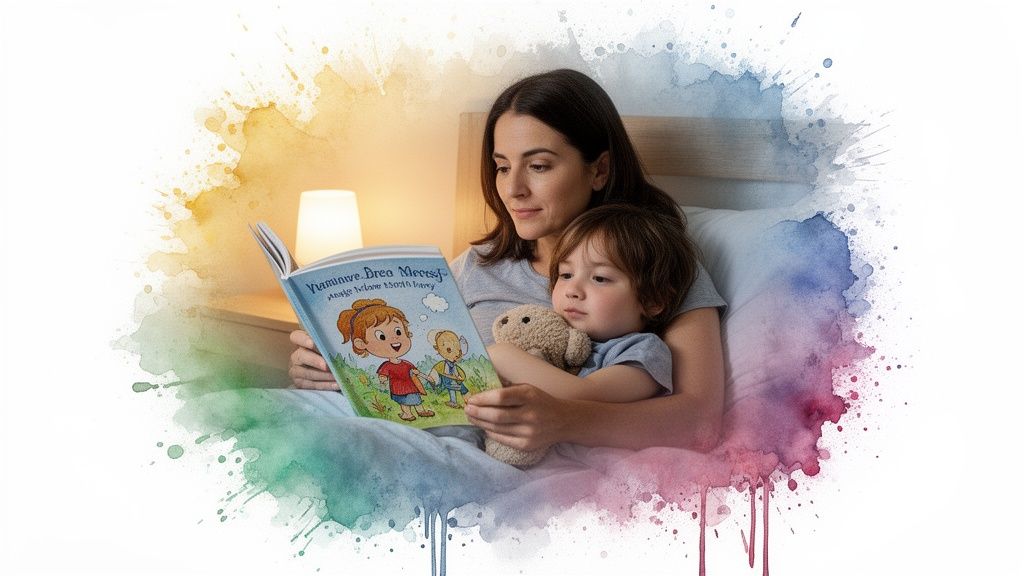
This isn’t about just getting through a book; it's about creating an atmosphere. Dim the lights, cuddle up, and let the busy day fade away. This quiet, focused time together strengthens your bond and builds a powerful, positive association with books. Your child learns that reading feels like comfort, love, and security.
The goal of a bedtime story is twofold: to share a narrative and to share a moment. It's in this calm, connected space that a child's love for reading can truly blossom, free from the distractions of the day.
This daily practice reinforces the idea that reading is a relaxing and enjoyable activity, not a chore. It’s a peaceful, predictable end to the day that both of you can look forward to. If you need some inspiration, you might want to explore our guide on the best bedtime stories for toddlers to find the perfect fit for your nightly routine.
By combining the unique magic of personalized stories with the comforting predictability of a bedtime ritual, you’re creating the perfect environment for literacy to flourish. You're not just teaching your child how to read; you're showing them why we read—for joy, for connection, and for the simple magic of a shared story.
How to Spot Delays and Find the Right Support
It’s completely natural to wonder if your child is on track. Every child blossoms at their own pace, but that little nudge of intuition you feel as a parent? It’s a powerful tool.
If you have a persistent feeling that something isn’t quite clicking with your child’s communication or pre-reading skills, it’s always worth exploring. Trusting that instinct is the first and most important step. This isn't about looking for problems—it's about being a proactive, supportive guide on their journey. The goal is to replace any anxiety you might feel with a clear, confident action plan.
Common Signs to Look For
While these aren't a definitive diagnosis, certain patterns might suggest it’s time for a conversation with a professional. Think of these signs as gentle invitations to look a little closer at your child’s literacy development in early childhood.
Keep an eye out for these potential red flags at different ages:
By 12-15 Months: Your baby isn’t babbling with a variety of sounds or doesn’t consistently respond when you say their name.
By 2 Years: They have a very limited vocabulary (fewer than 50 words) or aren't starting to combine two words together, like "more juice" or "go car."
By 3 Years: Speech is very difficult for strangers to understand, or they show little interest in looking at books or being read to.
By 4-5 Years: They struggle with rhyming games, can't recognize some letters in their own name, or have a hard time retelling a simple story you just read.
Seeing one of these signs doesn't automatically mean there's a serious issue. But catching things early can make a world of difference for children who just need a little extra help to thrive.
This early awareness is more critical than ever. The Progress in International Reading Literacy Study (PIRLS) 2021 found that in 71% of comparable countries, more 4th graders fell below minimum reading proficiency post-school closures than in 2016. Recognizing potential hurdles early helps ensure children get the support they need.
Your Action Plan for Getting Answers
If you have concerns, figuring out who to talk to can feel overwhelming. The good news is, you already have a supportive team ready to help. Start with the professionals who already know and care for your child.
Your first steps can be simple and straightforward:
Talk to Your Pediatrician: At your child's next check-up, bring a list of your specific observations. Your pediatrician can perform developmental screenings and rule out any underlying medical issues, like hearing problems, that could be getting in the way.
Connect with Their Educator: Preschool and daycare teachers have a ton of experience with child development. They see how your child interacts and learns in a group setting and can offer valuable insights into how they're doing compared to their peers.
Request an Evaluation: If your concerns persist, ask your doctor or school for a referral to a specialist, such as a speech-language pathologist or a developmental pediatrician. They can provide a more in-depth assessment.
For instance, if your child is struggling with reading and has trouble with focus, it might be helpful to understand more about the link between ADHD and dyslexia. Getting clear, professional guidance empowers you to find the right strategies for your child’s unique needs, ensuring they have every opportunity to succeed.
Your Questions on Early Literacy Answered
It's one of the biggest questions we carry as parents and caregivers: Am I doing this right? When it comes to our kids and reading, it’s easy to get lost in a sea of milestones and expectations. You wonder if you’re doing enough, focusing on the right things, or seeing the progress you should.
You're not alone in asking. Every parent wants to give their child the best possible start, and understanding the "why" behind early literacy is a huge part of feeling confident on this journey. Let's tackle some of the most common questions I hear from parents.
At What Age Should My Child Start Learning to Read?
This is the big one, and the answer is wonderfully simple: there is no magic age! Real literacy development begins the day your child is born, with every song you sing, every conversation you have, and every cozy cuddle on the couch. The skills of listening and speaking are the true bedrock of reading.
Formal reading instruction usually starts around age five or six in school, but all the years leading up to that are for building a rich, joyful foundation. The goal isn't to create an early reader; it's to nurture a future lover of reading.
Focus on the pressure-free good stuff:
Read Aloud Daily: Make it a warm, fun time to connect.
Talk and Sing: Narrate your day while you make breakfast or sing silly songs in the car. It’s all language-building.
Play with Sounds: Clap out the syllables in their name ("Sa-man-tha!") and share rhyming books to train their ears for the patterns in words.
Every child blooms on their own unique timeline. The most powerful thing you can do is celebrate their individual pace and keep the whole idea of books and stories positive and encouraging.
How Does Screen Time Affect Literacy Development?
In a world full of screens, this is such a valid concern. While high-quality, educational apps and shows can have their place, they’re best used in moderation and, ideally, together. The American Academy of Pediatrics recommends co-viewing for kids aged 2-5, which turns passive watching into an interactive chat.
The key is balance. A screen just can't replicate the rich, back-and-forth magic of sharing a physical book. That shared experience—pointing at pictures, asking questions, laughing together, the warmth of a cuddle—is irreplaceable for building the deep language and emotional connections that fuel literacy.
What if My Toddler Won’t Sit Still for a Whole Book?
First, congratulations! You have a perfectly normal, healthy toddler. They are wired to be active explorers, and their attention spans are naturally short. Trying to force a child to sit still for a story can accidentally create a negative feeling around reading, which is the last thing any of us want.
Instead of fighting their wiggles, adapt to their energy.
Try interactive books with flaps to lift, textures to touch, or sounds that invite them to participate.
Keep it short and sweet. Several two-minute reading sessions sprinkled throughout the day are just as powerful as one 20-minute block.
Let them lead. It's totally okay if they want to flip the pages out of order or just talk about the one picture of a puppy they love.
The goal is simply to make reading a fun, low-pressure part of their world. If they see books as a source of joy and connection, they'll naturally want to engage more as they grow.
How Can Personalized Books Help a Reluctant Reader?
Personalized books are an incredible tool because they tap directly into a child's natural self-interest. It's pure magic for them. When your child is the hero of the story—seeing their own name, photo, and life experiences on the pages—the book instantly becomes relevant and exciting.
This one simple shift changes everything. It transforms reading from something they have to do into a personal adventure. It validates their world and shows them that their own stories are important enough to be written down. For a reluctant little reader, that feeling can be the spark that ignites a lifelong love for books.
At Once Upon A Memory Books LLC, we turn your family's cherished moments into beautiful, custom storybooks that put your child at the center of the adventure. Create a one-of-a-kind keepsake that builds literacy skills and captures memories forever. Start creating your personalized storybook today!