Blog
Finding the Best Bedtime Stories for Toddlers
Discover the best bedtime stories for toddlers. This guide shares proven tips for creating a calming routine and choosing books that help your little one sleep.
The magic of a great bedtime story isn't just in the book itself—it’s in the quiet, cozy ritual you build around it. A consistent, calming routine is what really signals to your toddler's brain that it's time to wind down. This is what fosters that deep sense of security, turning story time into the most cherished, sleep-inducing part of the day.
Building a Calming Bedtime Reading Ritual
The real power of a bedtime story unfolds long before you even read the first page. It’s found in the predictable little steps that gently guide your toddler from the whirlwind energy of playtime to the peaceful state they need for sleep. Creating this ritual doesn’t require anything elaborate, just a little bit of consistency.
Think of it as setting the stage for slumber. Your goal is to create a series of gentle cues that your child’s body and mind start to associate with rest. Over time, these simple actions become powerful anchors in their evening.
Find Your Family's Story Spot
Where you read really matters. Try to designate a specific, cozy corner as your official "story spot." This could be a comfy armchair in their room, a pile of pillows on the floor, or snuggled up right in their bed. The only rule is to be consistent.
When you always read in the same place, your toddler starts to connect that spot with relaxation and one-on-one time with you. It becomes their little safe haven, free from the distractions of toys or the TV. This simple act of returning to the same spot each night is a huge first step in building your ritual.
Set the Mood with Light and Sound
It’s tough for little ones to switch from a bright, noisy day to quiet time. You have to help them make the shift. About 10-15 minutes before you plan to read, start dimming the lights. Turn off those bright overhead fixtures and switch on a small, warm lamp. This subtle change actually helps trigger the body's natural production of melatonin, the sleep hormone.
At the same time, lower the volume of your home. Turn off the television, quiet the music, and start speaking in a softer voice. This sensory shift communicates that the exciting part of the day is over and the calm part is beginning.
The goal isn't just to read a story; it's to create an atmosphere of tranquility. Your gentle voice, the soft lighting, and the physical closeness all work together to soothe your toddler's nervous system, preparing them for a restful night.
Master the Art of the Calm Transition
We've all been there—trying to move a toddler from one activity to another can feel impossible. Instead of an abrupt, "It's story time!" announcement that ends their fun, use gentle, predictable transitions. A simple phrase like, "Five more minutes with your blocks, then we’ll get cozy for our story," gives them a heads-up and helps them feel a little more in control.
If this part of the evening feels like a battle, we have a whole guide with more tips on how to make bedtime easier for everyone.
By making the transition smooth and expected, you turn story time into something they look forward to, not something that stops their play. It’s this thoughtful routine that transforms a simple story into a powerful cue for sleep.
Decoding a Great Toddler Bedtime Story
Ever notice how not every picture book works for bedtime? Some stories are perfect for a sleepy wind-down, while others leave your toddler hyped up and ready to play. The difference isn't accidental—the very best bedtime stories for toddlers share a few key ingredients that actively help a child's brain shift into sleep mode.
The real secret lies in simplicity and predictability. Books with rhyming text or repetitive phrases are incredibly calming for little minds. They create a gentle, sing-song rhythm that’s naturally soothing. Plus, that repetition helps toddlers anticipate what’s coming next, which builds a huge sense of security right when they need it most.
Gentle Themes and Calming Illustrations
When you're picking a book, aim for stories with gentle themes centered on love, comfort, and security. Tales about animal families snuggling down for the night, a parent expressing their boundless love, or even simple daily routines are absolutely perfect. It's best to steer clear of stories with high stakes, scary monsters, or complex problems that might leave their minds buzzing long after the lights are out.
And don't forget the pictures! The illustrations are just as important as the words. A book can be beautifully drawn, but if the art is too busy, chaotic, or filled with jarringly bright colors, it can be overstimulating. Look for illustrations with soft, muted color palettes and clear, simple images that echo the calm feeling of the story.
A truly great bedtime story acts as a gentle transition. It doesn't just entertain; it guides your child from the active engagement of their day to a state of quiet relaxation, making the journey to sleep a little smoother.
Timeless Classics and Modern Favorites
Certain stories have become bedtime staples for a reason—they just work. Think of those timeless classics that often feature the simple, repetitive structures toddlers crave. At the same time, many incredible modern books are crafted with a deep understanding of child development, focusing on social-emotional themes in a really reassuring way.
Interestingly, both standalone classics and enduring series capture families' hearts. A recent analysis found that Roald Dahl’s 'Matilda' was the most searched-for bedtime story globally, followed closely by the long-running 'Mr Men' series. You can learn more about these popular bedtime story trends and see what other books made the list.
Figuring out which type of book will resonate with your child can be a bit of trial and error. This quick table might help you narrow down the options based on what your little one responds to best.
Choosing the Right Story Type for Your Toddler
Book Type | Best For | Key Features | Example Theme |
|---|---|---|---|
Board Books | Younger Toddlers (1-2 years) | Durable pages, simple concepts, often tactile elements. | Learning colors or animal sounds. |
Rhyming Books | Soothing and Predictable Routines | Rhythmic, lyrical text that's easy to memorize. | A bunny saying goodnight to the moon. |
Picture Books | Visual Learners and Older Toddlers (2-3 years) | Richer narratives and more detailed illustrations. | A little bear getting ready for bed. |
Interactive Books (Lift-the-Flap) | Wiggly Toddlers (with supervision!) | Encourages participation, but choose calming themes. | Finding a sleepy animal behind a leaf. |
Ultimately, the best book is the one that brings a sense of peace to your child. Whether it's a classic you loved as a kid or a brand new find, the goal is always connection and calm.
The chart below offers a simple path to follow for the practical side of your bedtime ritual—from setting the scene to using that perfect, soothing storyteller voice.
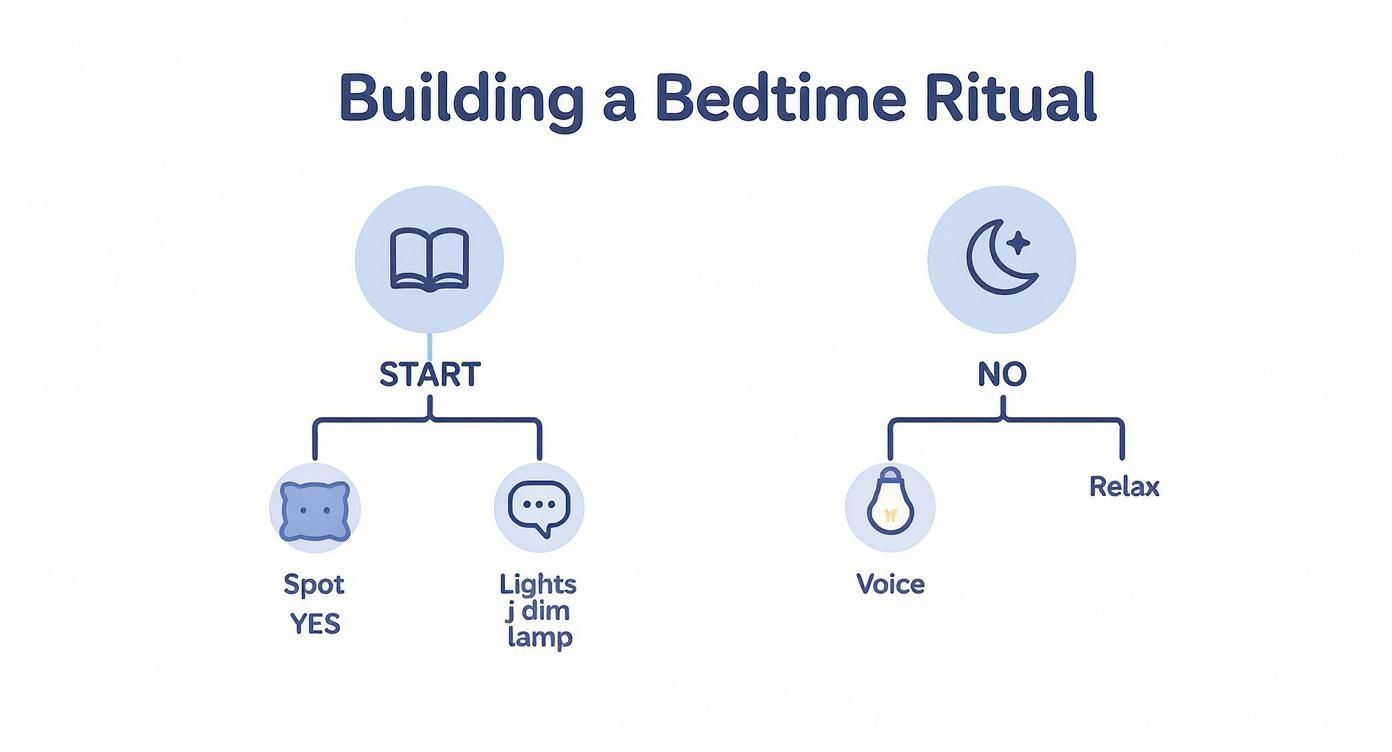
This visual guide is a great reminder that the cozy environment you create is just as important as the story you choose. It's all part of the magic.
By keeping these elements in mind—simple text, calming themes, and gentle illustrations—you can confidently build a bookshelf full of perfect pre-sleep reads. You’ll have a whole collection of stories that soothe rather than excite, turning story time into a cherished and effective part of your evening together.
Making Story Time an Interactive Experience

Reading to your toddler is powerful, but reading with them is where the real magic happens. It’s easy to fall into the habit of just reciting the words on the page, but transforming story time into a shared adventure is what truly deepens their love for books and boosts their development in incredible ways.
These small interactions are what turn passive listening into active engagement. By making the story a two-way conversation, you invite your toddler into the world on the page, making the whole experience more memorable, fun, and meaningful.
Bring the Story to Life
The easiest way to start is by simply using your voice. You don’t need to be a professional voice actor; just a little variation is more than enough to capture a toddler’s full attention.
Vary Your Voice: Try a deep, rumbly voice for the big bear or a high, squeaky voice for the tiny mouse.
Add Sound Effects: Make the whoosh of the wind, the ribbit of a frog, or the choo-choo of a passing train.
This simple act of animating the story helps your toddler understand emotion and context, and honestly, it’s just more fun for both of you.
Encourage Physical Participation
Toddlers are hands-on learners. Giving them a small "job" during story time helps them focus and feel a sense of ownership over the routine.
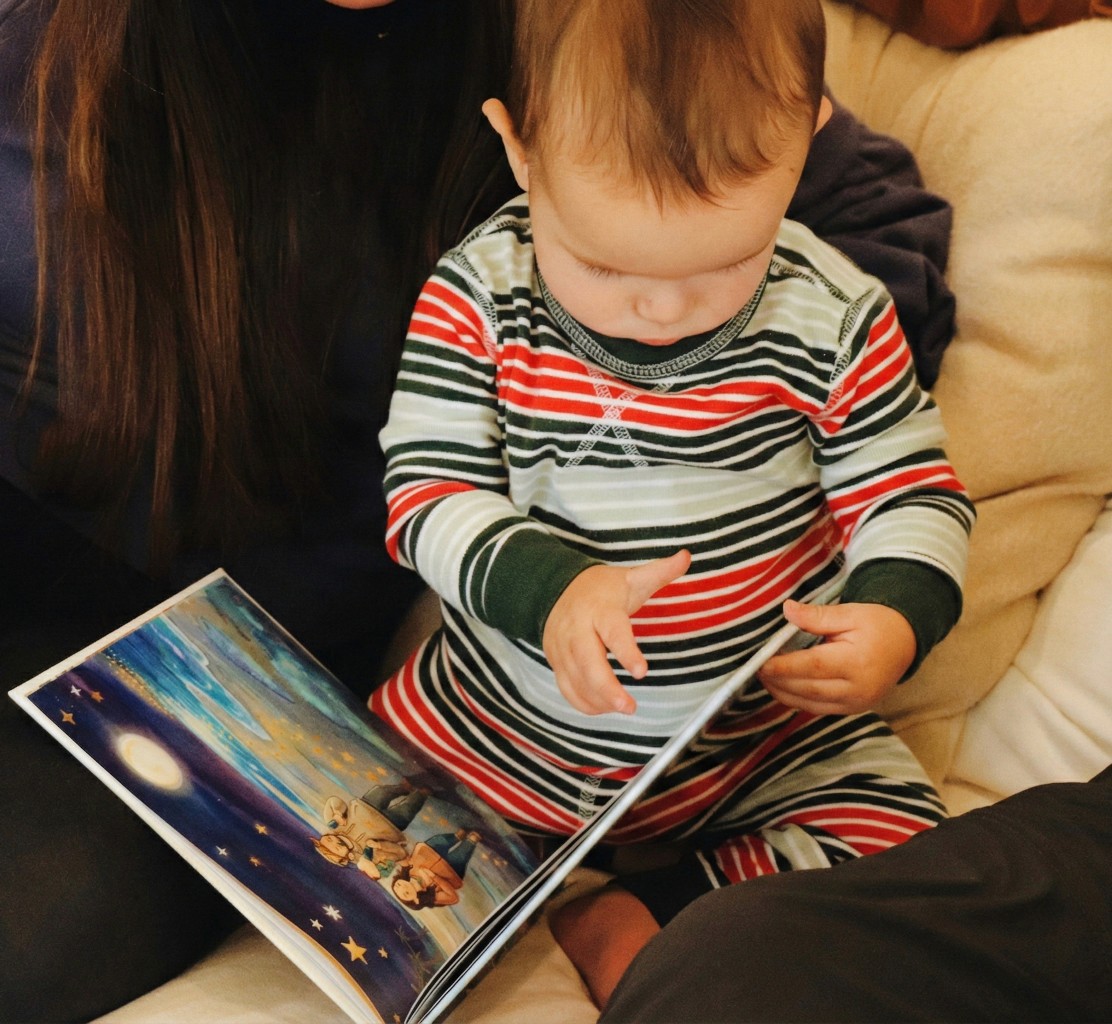
Let them be the official page-turner. Board books are perfect for this, as their sturdy pages are easy for little hands to manage. This simple task builds fine motor skills and teaches them the mechanics of how a book works.
Pointing is another fantastic tool. As you read, point to the objects you're naming. Before you know it, you can start asking them to find things: "Where is the little yellow duck?" This builds their vocabulary and strengthens object recognition.
Key Takeaway: The goal of interaction is connection, not performance. Simple actions like pointing to a picture or making a silly animal sound create shared moments that make your toddler feel seen, heard, and involved in the story.
Ask Simple, Engaging Questions
Asking questions is a fantastic way to check their comprehension and get their little minds working. You can keep it very simple and tied directly to what’s happening on the page.
Here are a few easy prompts you can try tonight:
"What color is that big balloon?"
"How many bunnies do you see?"
"What do you think will happen next?"
Even if they don't have the "right" answer, you're modeling curiosity and critical thinking. For even more ideas on how to engage your little one, check out our guide on making reading fun with interactive storytelling ideas for toddlers. These small questions turn a monologue into a dialogue, laying the foundation for a lifelong love of stories.
Making Up Your Own Bedtime Stories
Some of the most powerful bedtime stories you’ll ever tell aren't on a bookshelf—they’re the ones you make up on the spot.
I know, stepping into the role of family storyteller can feel a little intimidating. But trust me, it’s one of the best ways to connect with your toddler and help them drift off to sleep. You don’t need to be a great writer; you just need to know your child.

A simple, made-up tale that stars your toddler as the hero can be way more comforting than any classic. When you weave in familiar details from their world—their favorite stuffed animal, the name of their best friend, that funny thing the dog did—the story feels safe, personal, and deeply reassuring.
It’s an act of co-creation that boosts their imagination and makes them feel seen, right before they close their eyes.
The Simple Formula for a Made-Up Tale
The best made-up stories follow a gentle, comforting rhythm. We’re aiming for a soft narrative arc, not a dramatic plot with twists and turns.
Here’s a simple framework that always works:
The Hero: Your toddler, always.
The Sidekick: Their favorite teddy bear, the family pet, or even that beloved yellow dump truck.
The Setting: A familiar, safe place like your house, the playground down the street, or Grandma’s kitchen.
The Gentle Adventure: Just recount a happy moment from the day. It could be as simple as splashing in the bath or building a tall block tower.
The Happy Ending: Always, always end with the hero feeling safe, loved, and tucked into their own cozy bed, ready for sleep.
This structure is predictable in the best way. It gives your toddler’s mind a calm, familiar path to follow as they relax.
Easy Prompts to Get You Started
Staring at a blank canvas can be tough, I get it. The easiest place to start? Just tell the "story of our day." The material is already there, ready to go.
You could begin with something like, "Once upon a time, there was an amazing little girl named Maya. Today, Maya went on a big adventure to the grocery store with Daddy..."
Or, if you’re feeling a bit more creative, try a simple fantasy prompt:
"What if Teddy the bear wanted to have a tea party on the moon?"
"Remember that little squirrel we saw at the park? Let's tell a story about where he was going."
"Let’s imagine our cat, Mittens, could talk! What would she tell us about her day?"
The beauty of these stories is in their imperfection. Your toddler isn't critiquing your plot twists. They just want to hear the sound of your voice telling a story made just for them.
It turns out, most of us are already doing this. A 2010 Ipsos survey found that 74% of parents make up their own bedtime stories, and 35% said those homemade tales were their child’s absolute favorite. It just goes to show how much a personal story matters.
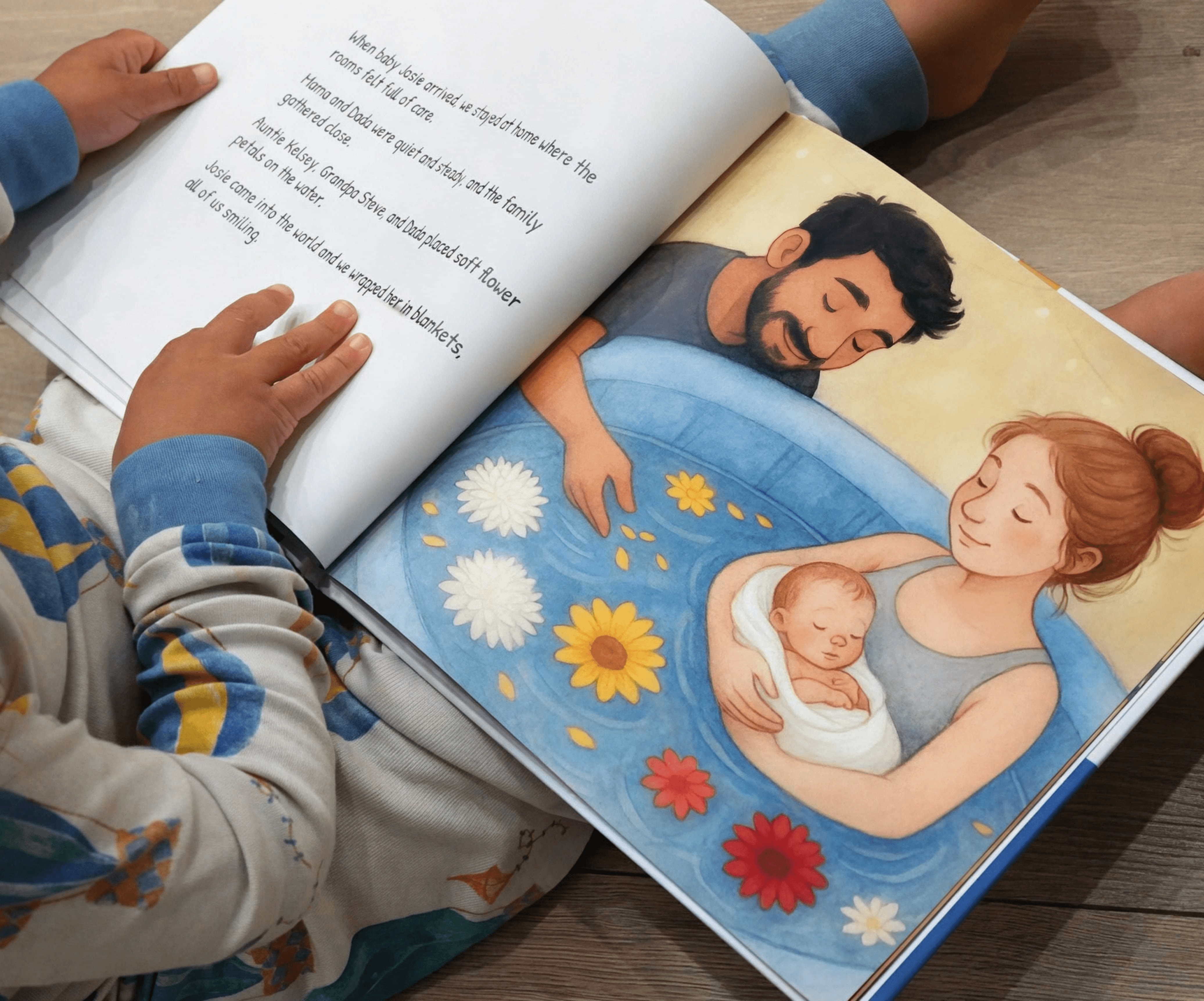
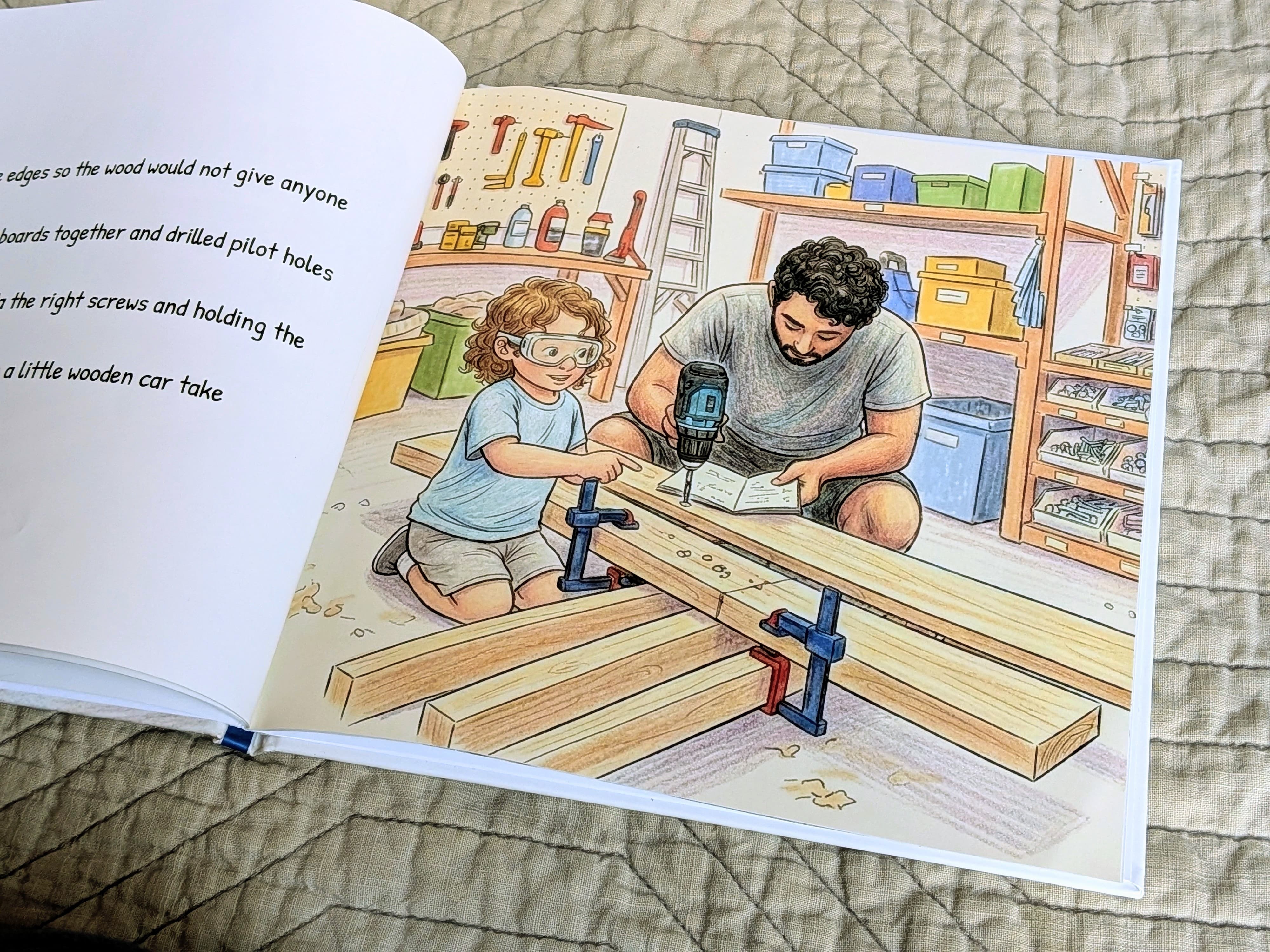
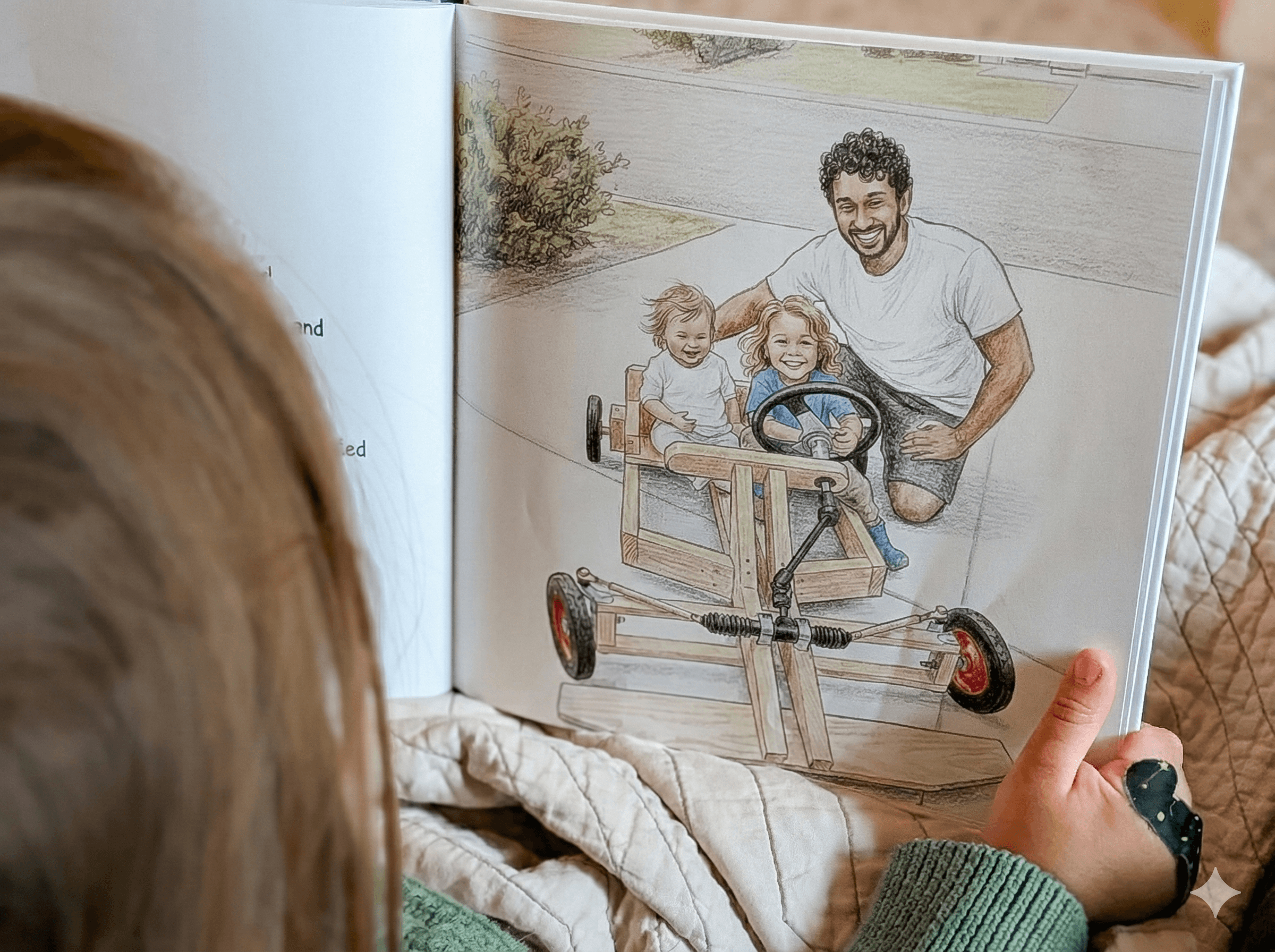
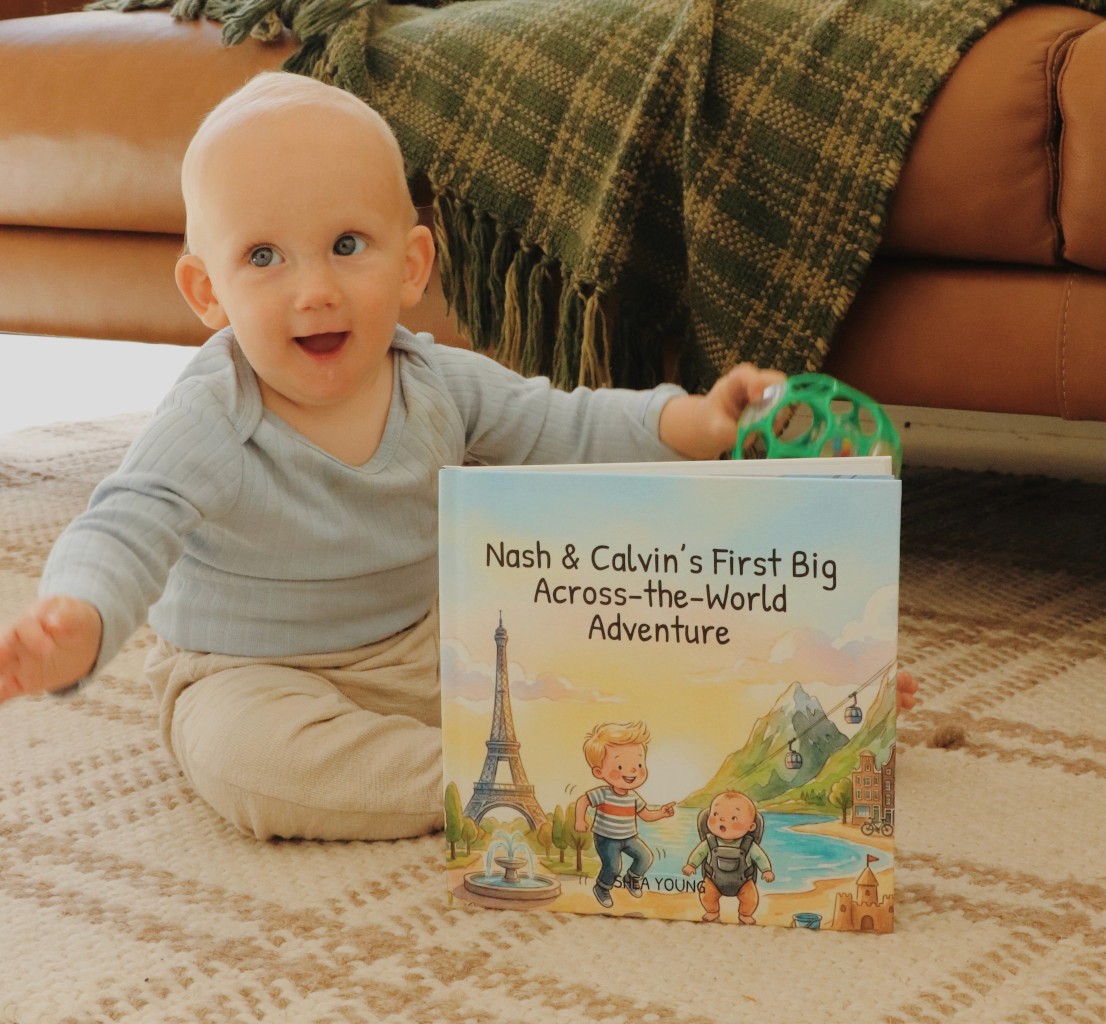
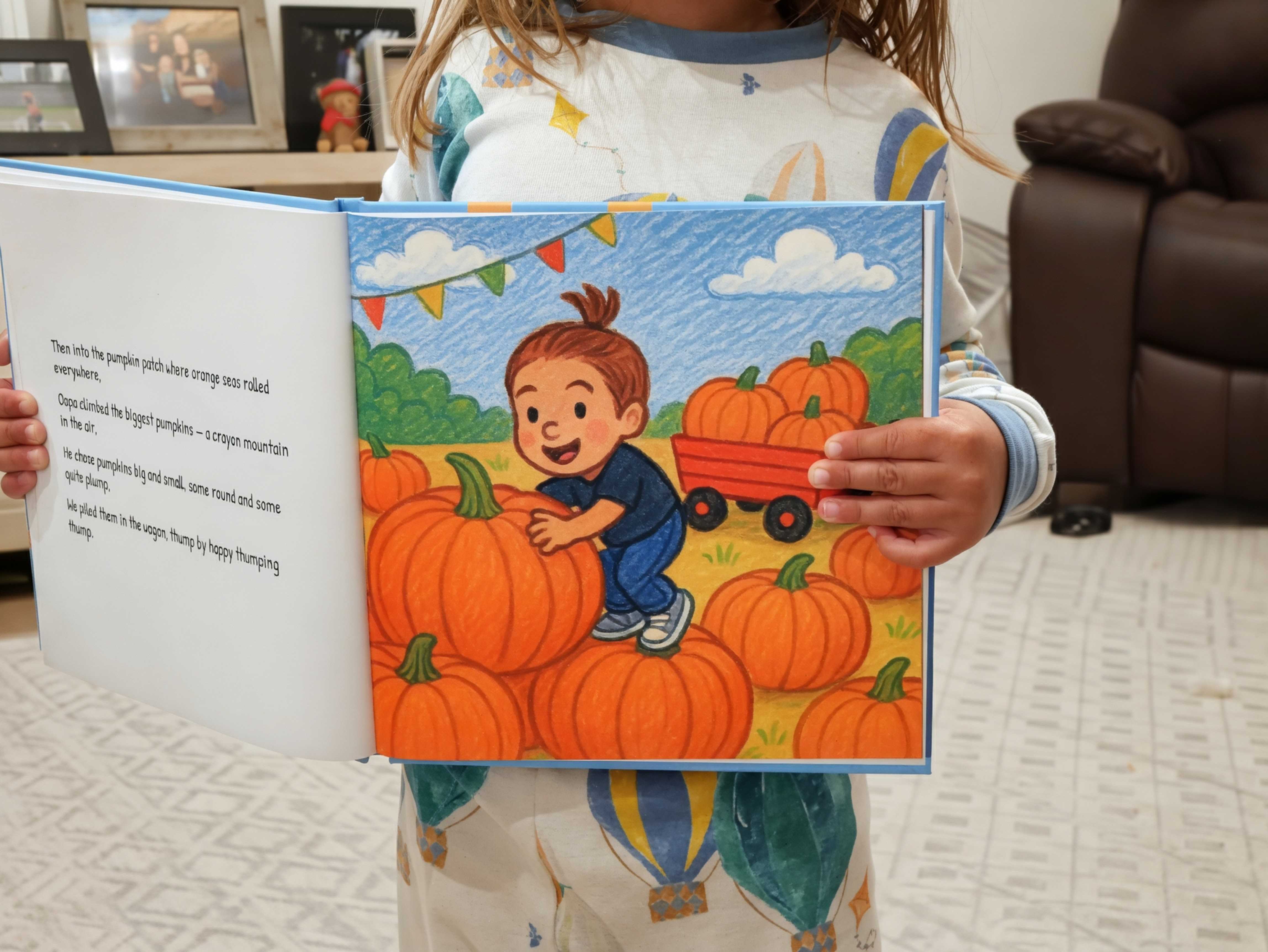
These little narratives are more than just entertainment; they’re affirmations of your child’s life. For parents who want to capture that magic, creating personalized story books for toddlers can turn these fleeting moments into keepsakes, cementing your child’s place as the hero of their very own tale.
Using Bedtime Story Apps the Right Way
In a world full of screens, it’s only natural that story time would go digital. Story apps can be a fantastic tool, offering a library bigger than you could ever fit on a bookshelf. But using them at bedtime requires a little thoughtfulness. The goal is to make them a part of your calming ritual, not a source of overstimulation.
https://www.youtube.com/embed/umWp07Os9ys
The key is to treat the app experience just like you would a physical book: a shared, cozy activity. Sit together, hold the device together, and talk about the story. This isn't a time for your toddler to passively watch a screen alone; it's a moment for connection.
Setting the Right Digital Environment
Before you even launch an app, a few simple device settings can make a huge difference in protecting your toddler’s sleep. The blue light from screens can mess with the production of melatonin, the hormone that tells our bodies it's time to rest. It's a real biological thing.
To counter this, always use your device's built-in "night mode" or "blue light filter." This shifts the screen to a warmer, amber tone that’s much easier on sleepy eyes and less likely to disrupt those delicate sleep patterns.
Also, be firm with time limits. Decide on one or two stories and stick to it, just as you would with physical books. An app with an endless library can easily lead to "just one more" requests that push bedtime later and later. We’ve all been there.
A story app should be a tool for connection, not a distraction. When used mindfully, it can supplement your routine, but the core principles of a shared, calming experience remain the most important part of any bedtime story.
Choosing a Sleep-Friendly Story App
Not all apps are created equal, especially when bedtime is the goal. The market for these apps is exploding—the global market for kids' bedtime story apps was valued at around USD 1.12 billion in 2024 and is projected to keep growing. You can read the full analysis on the bedtime story app market if you're curious about the trend.
With so many options, here’s what I always look for:
Calm Narration: A soft, soothing voiceover is everything. Avoid apps with loud, boisterous characters whose energy is the opposite of sleepy. The narrator's tone should be gentle and rhythmic.
Minimal Interactivity: Bedtime is not the time for games. Steer clear of apps with tappable surprises, loud sound effects, or mini-games that encourage active play. The best bedtime apps have simple, slow-moving animations or even just beautiful, static illustrations.
Ad-Free Experience: This is a non-negotiable for me. Always opt for paid, ad-free versions. Pop-up ads are jarring and can completely derail a calm, sleepy mood in a single second.
Offline Access: An app that lets you download stories is a game-changer. It prevents notifications from popping up mid-story and ensures you’re not scrambling if the Wi-Fi is spotty.
By being selective and intentional, you can make story apps a genuinely helpful part of your modern bedtime routine, ensuring the digital tales support your ultimate goal: a peaceful night's sleep for your toddler.
Answering Your Top Bedtime Story Questions
Even with the perfect stack of books, toddler bedtime can be a wild card. Every parent I know has faced the same challenges, from wiggly listeners to the hundredth request for that one book. Let’s get into the most common questions and find some simple, real-world answers you can use tonight.
What If My Toddler Won’t Sit Still for a Story?
First off, take a deep breath. This is completely, totally normal toddler behavior! We’re aiming for connection, not perfect stillness. Forcing a busy little body to sit can make reading feel like a chore, and that’s the last thing we want.
Instead, let’s adapt the story to them.
Try ultra-short board books they can hold themselves. Let them stand next to you, wiggle on the floor, or act out the story with a stuffed animal while you read. Sometimes, a successful storytime is just one minute long, and trust me, that’s a huge win.
My best advice? Remember they are still listening and absorbing the story, even if they're not sitting perfectly still in your lap. The sound of your voice and the rhythm of the words are what really matter for winding down.
How Do I Handle Requests for the Same Book Every. Single. Night?
Lean into it! I know it can feel a little mind-numbing, but repetition is a core part of how toddlers learn. More importantly, it’s how they build a sense of security. Knowing exactly what’s coming next in a story is incredibly comforting—it’s a small, predictable part of their big, unpredictable world.
If you find yourself getting a little bored with the same tale, here are a few things that have worked for my family:
The "Two-Book" Deal: Let your toddler pick their favorite, and then you get to pick a second, different book to read afterward. It’s a simple compromise.
Become an Illustrator Detective: Challenge yourself to find one new detail in the pictures each time you read it. You’d be surprised what you can spot on the fiftieth read-through!
Change Up Your Performance: Use different voices for the characters or add new, silly sound effects. It keeps things fresh and engaging for both of you.
Are Scary Stories Ever Okay for Toddlers?
For bedtime, my answer is a firm no. It’s best to steer clear of anything that could even hint at being scary. A toddler’s imagination is incredibly powerful, and they don’t yet have a firm grasp on the difference between make-believe and reality.
A story with a grumpy monster, a character getting lost, or even just a dark, spooky forest can plant seeds of anxiety right when they need to feel their safest. Stick to gentle themes of friendship, family, love, and comfort for your bedtime reads. Save the more adventurous or dramatic tales for daytime, when you can talk through any big feelings that come up.
When Should I Start a Bedtime Story Routine?
You can start from day one! Newborns are soothed by the rhythmic sound of your voice, and it’s a wonderful bonding experience. But if you haven't started a routine yet, please don't worry—now is the perfect time.
It is never, ever too late to begin building this beautiful connecting habit. Just pick a simple book tonight, cuddle up, and start your new tradition. Keep it short, sweet, and completely stress-free.
Ready to create a story that's guaranteed to be their favorite every single night? With Once Upon A Memory Books LLC, you can turn your family's own precious moments into a beautiful, personalized bedtime story your child will treasure. Start creating your custom book today!