Blog
7 Unforgettable Storytelling Activities for Preschoolers in 2026
Discover engaging storytelling activities for preschoolers! Our guide offers 7 creative, low-prep ideas to boost language, creativity, and bonding.
Storytelling is far more than just reading words from a book; it's a dynamic, interactive process that builds entire worlds, strengthens family connections, and truly unlocks a preschooler's boundless imagination. For young children, these shared narratives are the fundamental building blocks for language development, emotional intelligence, and a lifelong passion for learning. The real question is, how do we move beyond the beloved classic bedtime story into activities that genuinely captivate their busy minds and hands?
This comprehensive guide is your answer. It provides a detailed roundup of powerful, play-based storytelling activities for preschoolers, each designed to transform ordinary moments into extraordinary adventures. Inside, you'll discover a curated list of over 20 unique ideas that cater to different learning styles, family routines, and developmental stages. We cover everything from technology-enhanced personalization using your own family photos to timeless, screen-free classics that have been cherished for generations.
These activities are not just about telling tales; they are about fostering creativity and self-expression. To complement verbal storytelling and encourage visual expression, exploring engaging, hands-on activities such as these fun painting activities for preschoolers can further enrich their creative journey. Whether you're an educator searching for fresh classroom inspiration or a parent aiming to create lasting memories, this listicle provides the actionable tools you need to help your child become the confident, creative hero of their very own story. Let's dive into the activities that will spark their imagination.
1. Personalized Photo-Based & Technology-Enhanced Storytelling
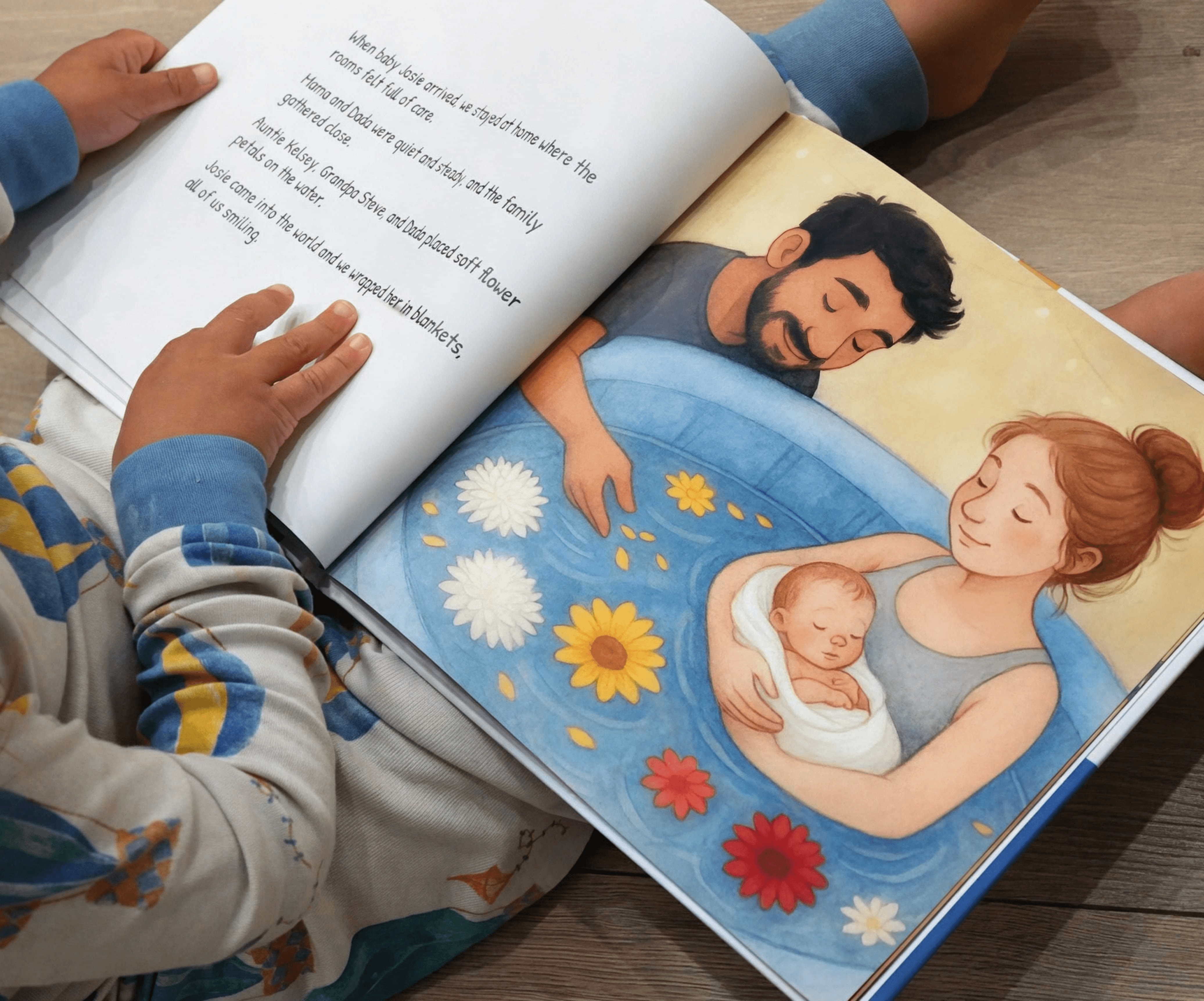
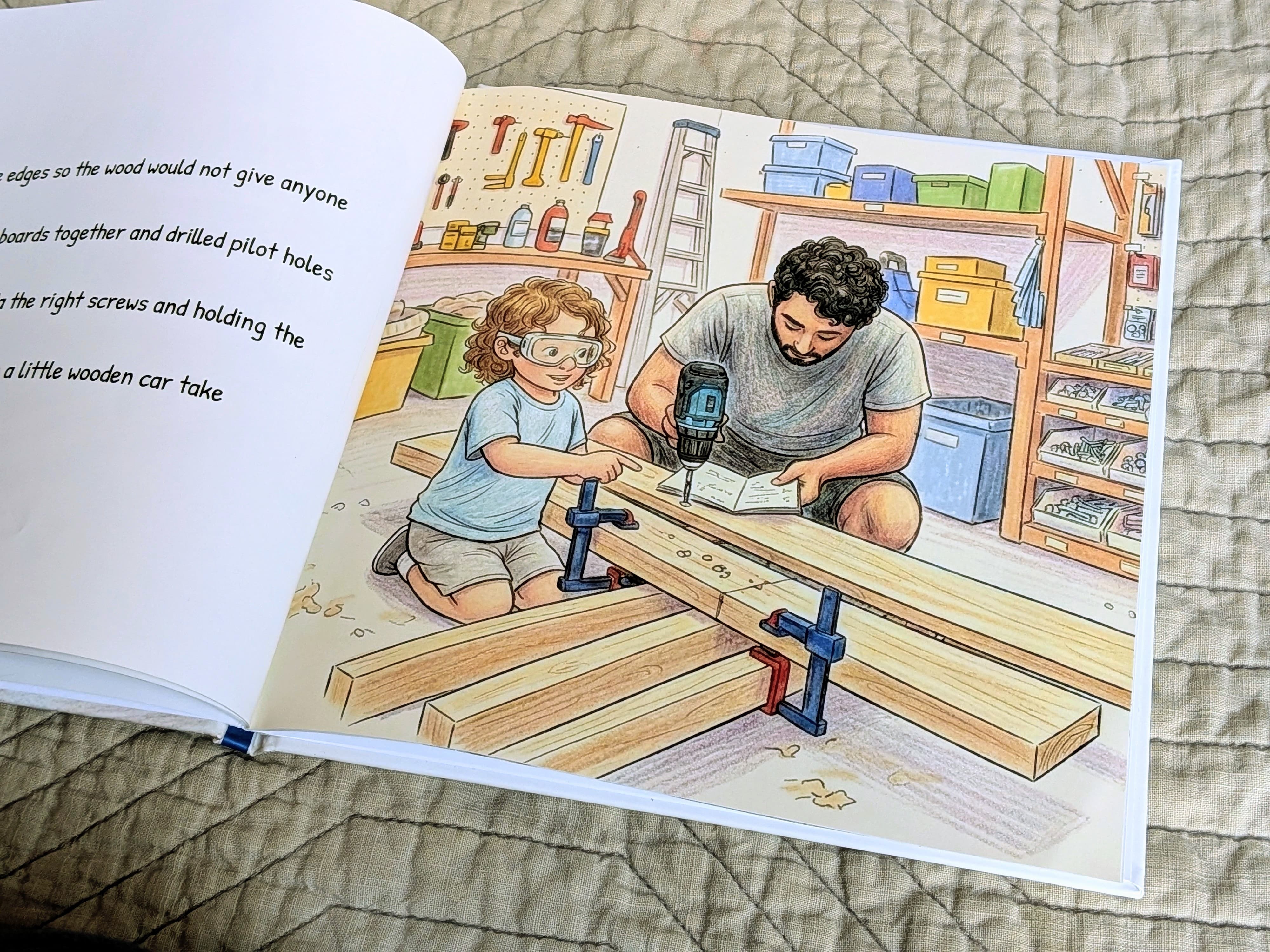
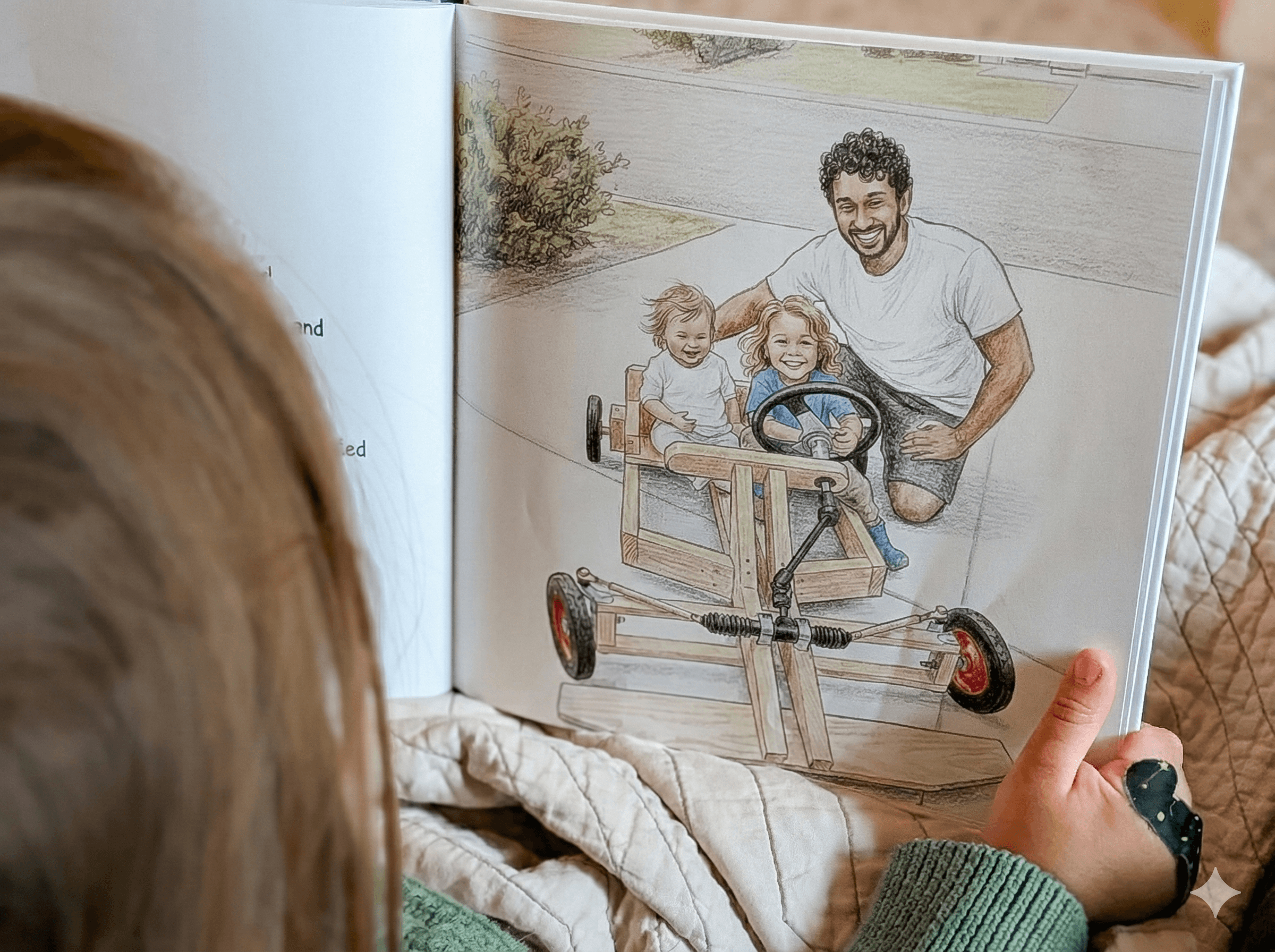
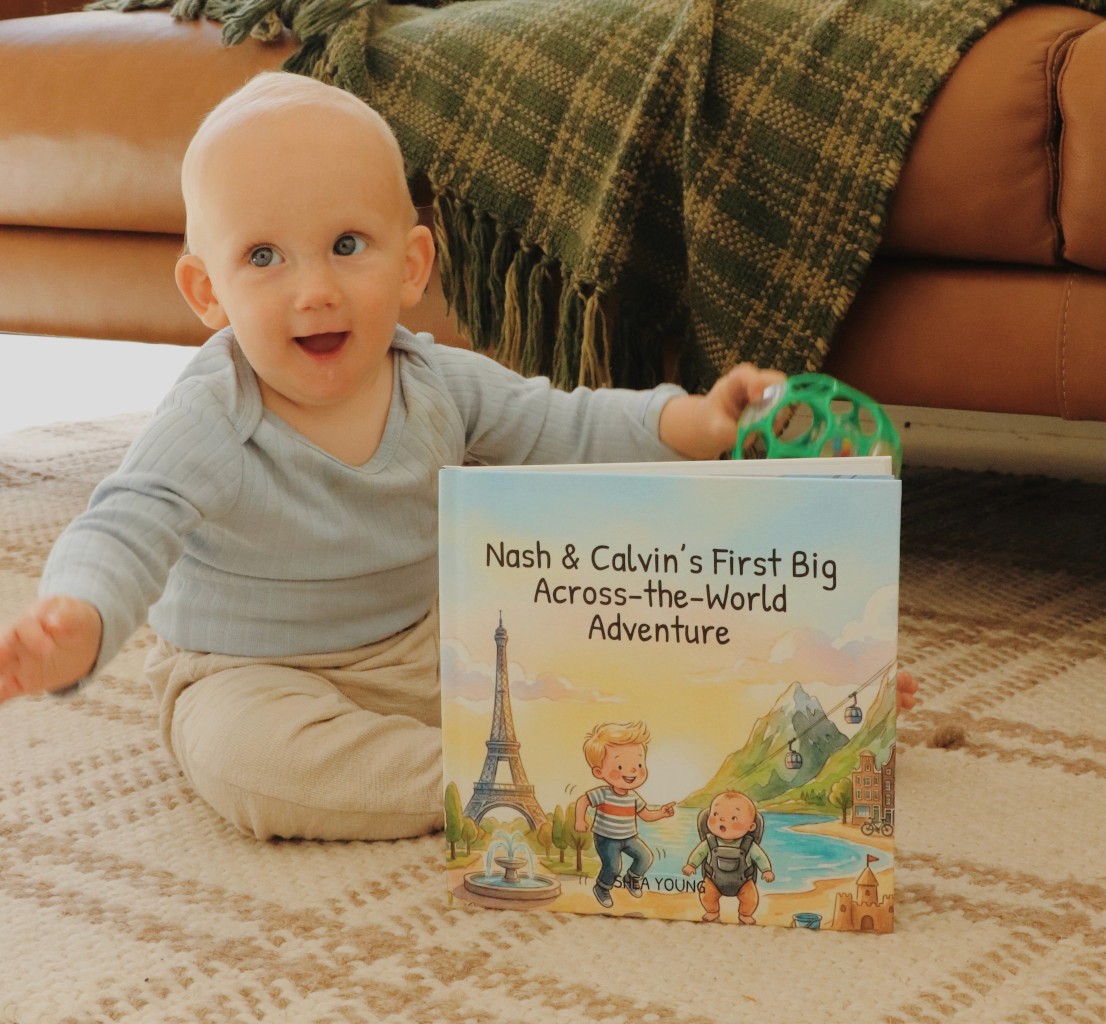
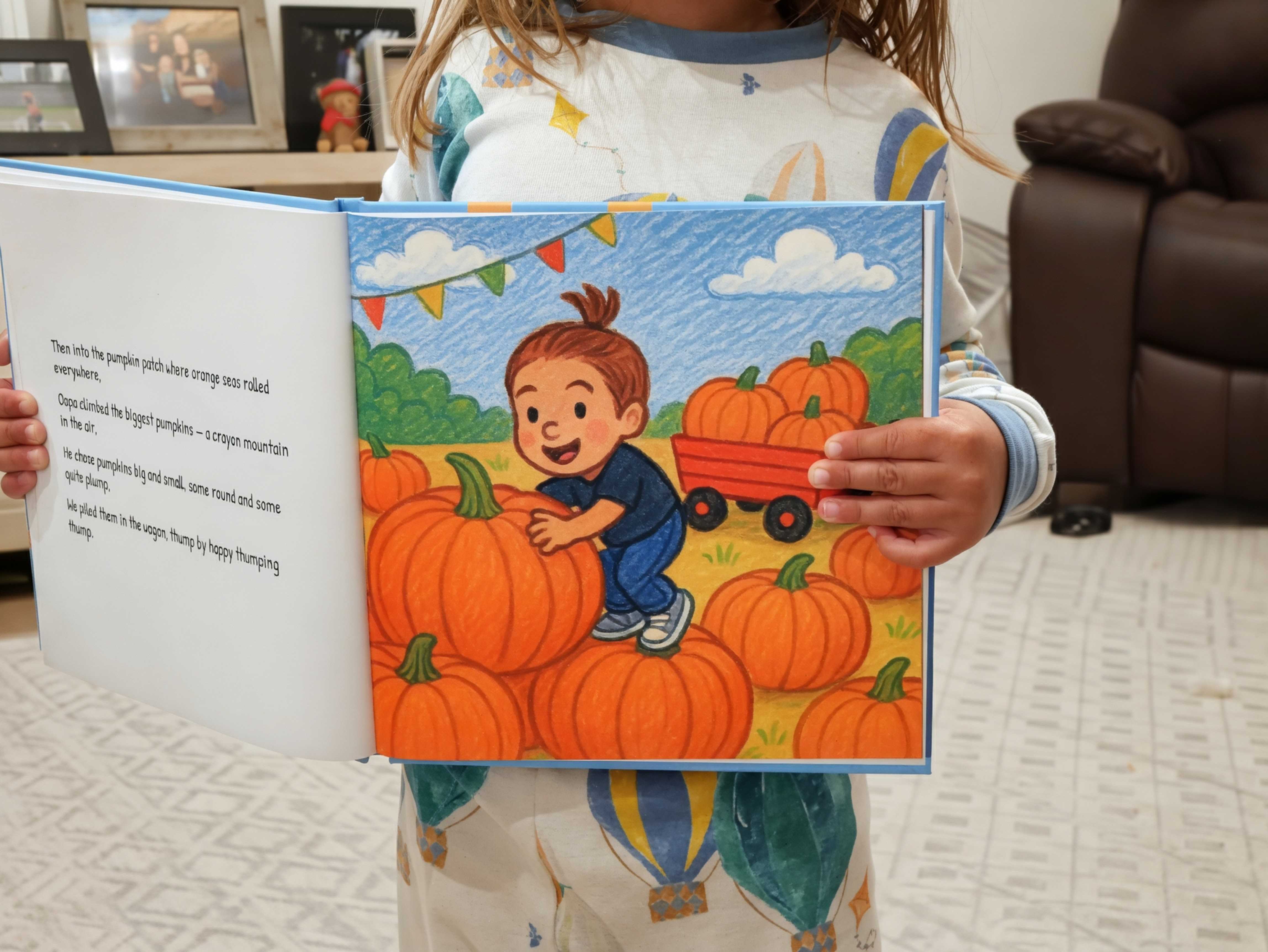
Imagine a story where your preschooler is the brave knight, the curious astronaut, or the hero of their own daily adventure. This activity leverages technology to place your child directly into the narrative using your own family photos, creating a powerful and deeply engaging storytelling experience. By combining meaningful personal images with digital tools, you can craft unique stories that resonate on a personal level, boosting confidence and a love for reading.
Platforms like Once Upon A Memory Books specialize in transforming your treasured photos into professionally printed, illustrated storybooks. You provide the images, and they help you build a narrative around them. Similarly, AI-assisted tools like Shelf Cloud can generate story drafts based on your prompts, which you can then edit and personalize. This blend of personal content and modern technology makes creating a custom book more accessible than ever.
How to Get Started
Select Your Photos: Choose 8-10 high-quality, expressive photos. Focus on images that capture a specific memory, emotion, or milestone, such as a first trip to the zoo, a birthday party, or a quiet moment building blocks. The goal is quality and narrative potential, not quantity.
Choose a Platform: Decide between a service that helps you co-create a story from scratch or an AI-assisted tool that generates a first draft. Consider your creative energy and time commitment.
Craft the Narrative: Center the story around your child. Use their name and describe what’s happening in the photos. For example, a picture of them on a swing becomes, "Ava soared higher and higher, giggling as she flew toward the clouds!"
Review and Refine: If using AI, carefully review the generated text. Edit for age-appropriateness, tone, and accuracy. Ensure the story's voice sounds authentic and loving.
Key Insight: The magic of this activity lies in its ability to validate a child's experiences. Seeing themselves as the protagonist in a real book reinforces their sense of self-worth and makes the concept of storytelling tangible and exciting.
Benefits and Best Practices
This method is one of the most effective storytelling activities for preschoolers because it directly connects reading to their own life.
Learning Benefits: Enhances language development by linking words to familiar images and events. It builds vocabulary, narrative skills, and print awareness. Emotionally, it fosters a strong sense of identity and belonging.
Adaptation: For younger toddlers, focus on simple, repetitive sentences. For older preschoolers, introduce more complex plots, dialogue, and feelings.
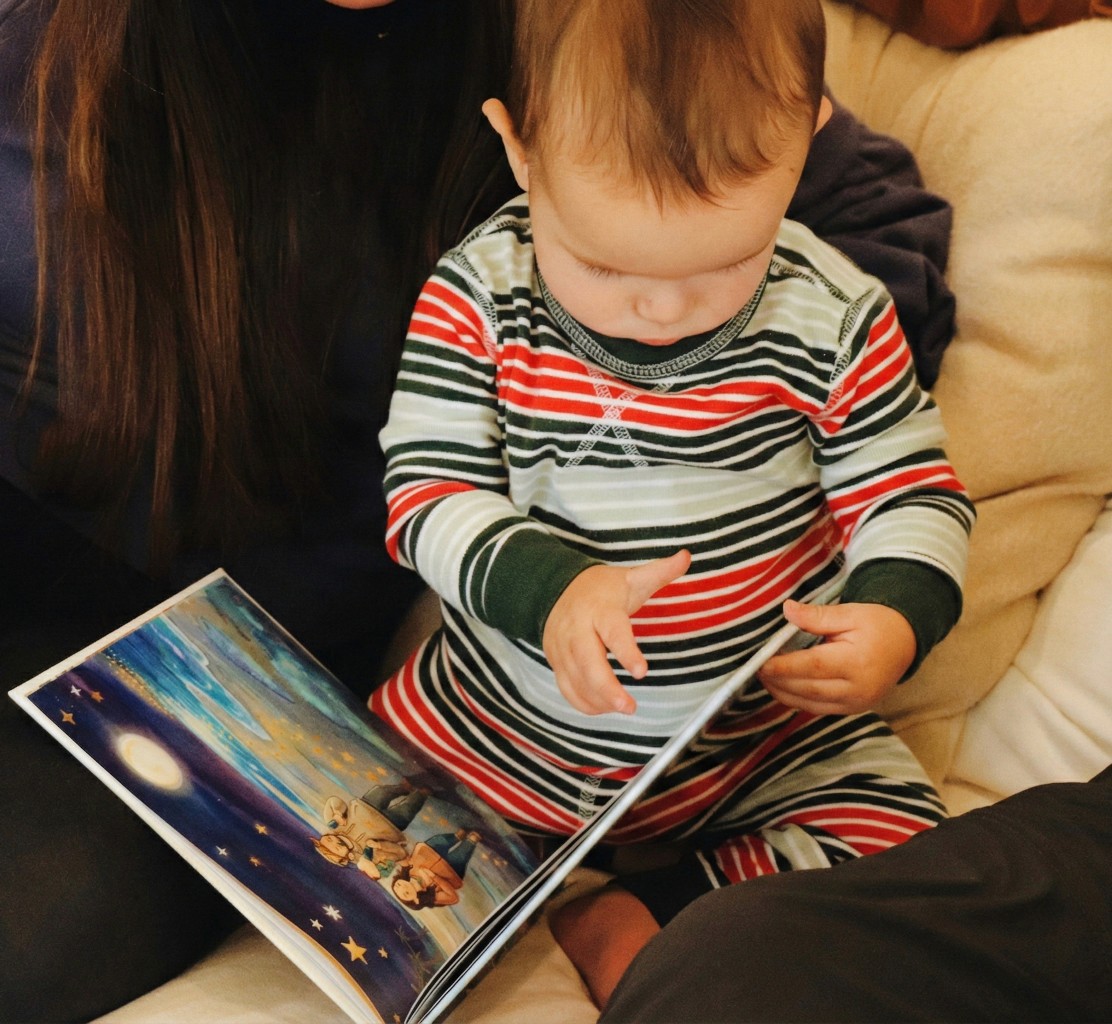
Pro Tip: Pair the digital creation process with offline reading rituals. Snuggling up to read the finished, printed book at bedtime creates a cherished routine and strengthens family bonds.
These personalized books also make exceptional gifts for milestones like birthdays or starting school. To explore how to select the best images and craft compelling narratives, you can learn more about creating family picture books on onceuponamemorybooks.com. By preserving these memories in a story format, you are giving your child a keepsake they can return to for years to come.
2. Interactive Props and Puppet Storytelling
Transform story time into a dynamic, hands-on theater experience where your child doesn't just listen but actively participates. This activity uses tangible objects like puppets, felt figures, and simple props to bring narratives to life. By giving preschoolers something to hold, move, and interact with, you turn them from a passive audience into co-creators of the story, making the experience more memorable and engaging.
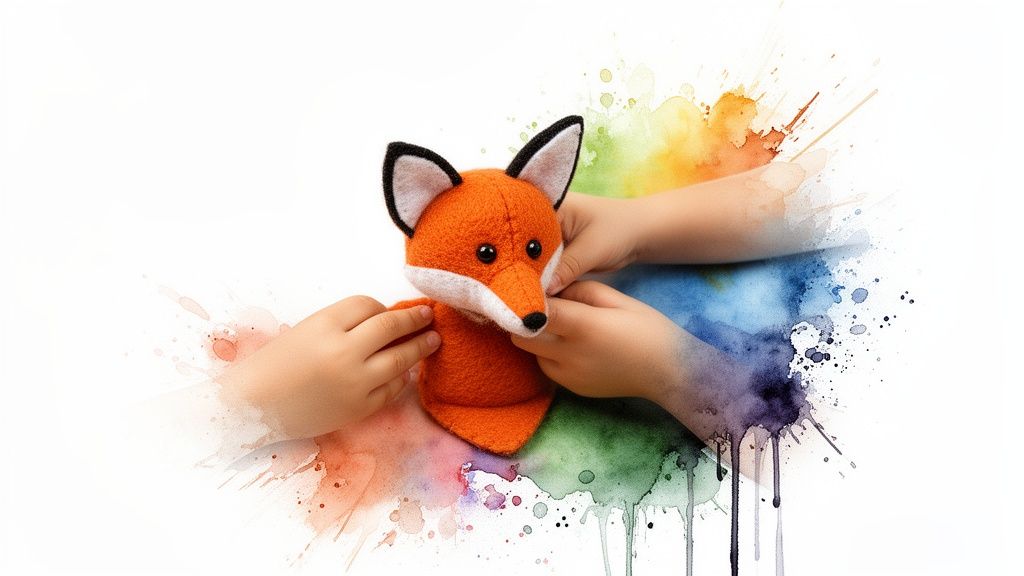
This method is a classic in early childhood education, famously used by icons like Fred Rogers on Mr. Rogers' Neighborhood with characters like Daniel Tiger, and perfected by innovators like Jim Henson. You can find it in action at library story hours with felt boards or in speech therapy sessions where puppets encourage communication. The goal is to make abstract story elements concrete, helping children grasp concepts like character, action, and emotion.
How to Get Started
Gather Your Props: You don’t need a professional puppet. Start with what you have: stuffed animals, socks with button eyes, finger puppets, or even small toys. For visual stories, a felt board with simple cut-out shapes works wonders.
Choose a Simple Story: Pick a familiar tale with clear characters and actions, like "The Three Little Pigs" or "Goldilocks and the Three Bears." Repetitive phrases are perfect for encouraging participation.
Assign Roles: Give your child a puppet or prop representing a main character. You can control the narrator or other characters. Encourage them to move their puppet when it's their turn to "speak" or act.
Narrate with Action: Use distinct voices and physical movements. Make the wolf puppet "huff and puff" dramatically. When you read, "the little pig ran away," have your child make their pig puppet scurry behind a cushion.
Key Insight: The power of this activity comes from its multi-sensory nature. When a child can physically manipulate a character while hearing the story, they build stronger neural connections between language, action, and meaning, deepening their comprehension.
Benefits and Best Practices
Using props is one of the most effective storytelling activities for preschoolers because it engages their motor skills and imagination simultaneously.
Learning Benefits: This method boosts narrative comprehension, sequencing skills (what happens first, next, last), and expressive language. Socially, it teaches turn-taking and collaborative play. Fine motor skills are also refined as children manipulate the puppets.
Adaptation: For young toddlers, use a single, simple puppet to maintain focus. Older preschoolers can manage multiple props, create their own dialogue, and even invent entirely new stories.
Pro Tip: Create a "story basket" with a rotating collection of puppets and props. Having it easily accessible encourages spontaneous, child-led storytelling where they can become the director of their own shows.
3. Dramatic Play and Role-Playing Storytelling
Imagine a bustling kitchen corner where your preschooler is the head chef or a makeshift clinic where they are the caring doctor tending to a sick teddy bear. Dramatic play transforms a simple space into a living story, allowing children to physically step into a narrative. This activity involves acting out stories, taking on character roles, and improvising within a themed environment, using props and costumes to internalize narrative elements through embodied experience.
This method is a cornerstone of early childhood education models like the Reggio Emilia approach and the Creative Curriculum, which recognize that children learn and process the world by doing. By becoming a character, a child explores motivations, solves problems, and practices social interactions in a low-stakes, imaginative setting. This isn't just "playing pretend"; it's a dynamic form of storytelling where the child is both the author and the actor.
How to Get Started
Set the Stage: Designate a corner of a room as your dramatic play area. You don’t need elaborate sets; a few key props are enough to spark imagination. A play kitchen, a box turned into a rocket ship, or a blanket fort can all serve as a backdrop for countless stories.
Provide Open-Ended Props: Offer materials that can be used in multiple ways. Scarves can become capes, bandages, or rivers. Blocks can be phones, food, or building materials. Simple hats, bags, and cardboard tubes encourage more creativity than hyper-specific, single-use toys.
Introduce a Story Prompt: Connect the play to a familiar experience or a book you've recently read. After reading a story about a trip to the farm, you might ask, "Let's pretend we are farmers. What do we need to do first?"
Observe and Support: Watch the narrative unfold without taking over. Ask open-ended questions like, "Oh no, the baby doll has a cough! What happens next?" to encourage problem-solving and plot development. Document their stories through photos or notes.
Key Insight: Dramatic play is where stories come to life. Children don't just hear a narrative; they feel it, speak it, and live it. This embodied experience solidifies their understanding of sequence, character, and emotion in a way passive listening cannot.
Benefits and Best Practices
This approach is one of the most powerful storytelling activities for preschoolers because it engages the whole child: mind, body, and emotions.
Learning Benefits: Enhances social-emotional skills like empathy, cooperation, and conflict resolution. It builds vocabulary as children adopt character-specific language and boosts narrative skills by requiring them to create a coherent plot.
Adaptation: For younger toddlers, keep the themes simple and based on daily routines like bedtime or meals. For older preschoolers, introduce more complex scenarios with multiple characters and problems to solve, like running a veterinarian's office.
Pro Tip: Rotate the theme of your dramatic play area monthly to sustain interest and introduce new vocabulary and concepts. One month it can be a post office, the next a space station, and then a garden. This keeps the storytelling fresh and exciting.
To further connect this play to personal identity, consider creating a photo book with Once Upon A Memory Books that documents one of their dramatic play adventures. A story titled "The Great Adventure of Chef Leo" featuring photos of your child in their play kitchen becomes a treasured keepsake that validates their creative world.
4. Wordless and Picture-Driven Storytelling
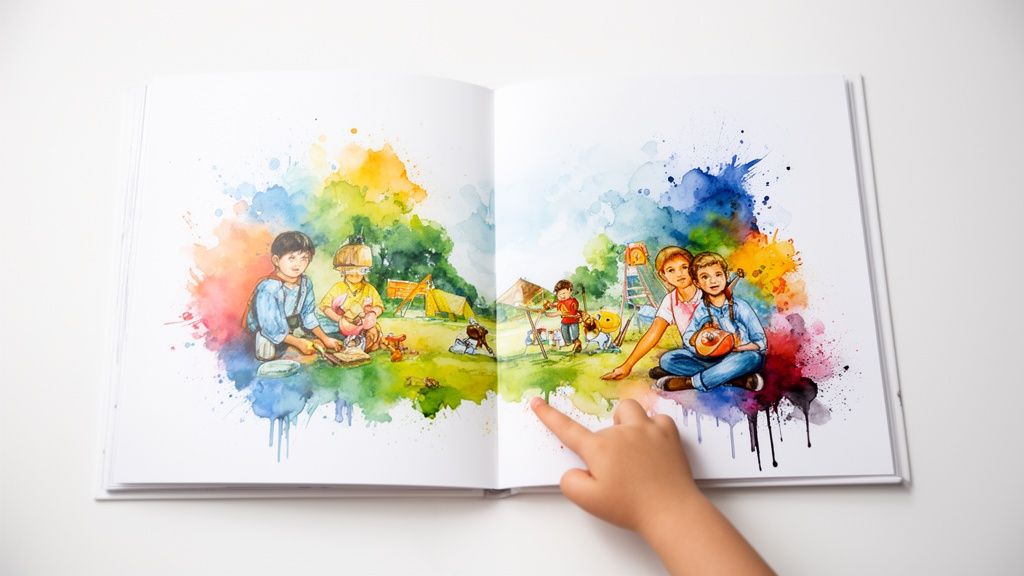
Imagine a story that unfolds without a single word, where your preschooler becomes the narrator, guided only by vibrant illustrations. This activity leverages wordless books and picture-driven narratives to empower children to create their own meaning. By removing text, you open a space for interpretation, encouraging kids to develop crucial visual literacy, inference skills, and narrative confidence.
Wordless picture books like Journey by Aaron Becker or Flotsam by David Wiesner are masterpieces of this genre, using intricate art to convey complex plots. The beauty of this approach is its inclusivity; it transcends reading levels and language barriers, inviting every child to participate. Even personalized photo books, stripped of text, can serve as powerful prompts for co-creating a family story based on shared memories.
How to Get Started
Select a Wordless Book or Photos: Choose a visually engaging wordless book or a sequence of personal photos that suggest a clear beginning, middle, and end. A series of pictures from a day at the park or a baking session works perfectly.
Invite Your Child to "Read": Settle in a cozy spot and present the book. Say something like, "This book has no words, so we get to be the storytellers! What do you see happening on this page?"
Ask Open-Ended Questions: Guide the narrative with gentle prompts. Ask, "What do you think the character is feeling?" or "What might happen on the next page?" These questions encourage prediction and emotional literacy.
Embrace All Interpretations: There are no wrong answers. If your child sees a friendly dragon where you see a cloud, go with it. Validating their interpretation builds creative confidence and shows that their voice matters.
Key Insight: The power of wordless storytelling lies in shifting the dynamic from passive listening to active creation. It teaches children that stories are not just found in words but are also built from observation, imagination, and personal experience.
Benefits and Best Practices
This method is one of the most versatile storytelling activities for preschoolers because it adapts to each child’s unique developmental stage and imagination.
Learning Benefits: Drastically improves visual literacy and the ability to make inferences, a foundational skill for reading comprehension. It also boosts oral language, vocabulary (as you model descriptive words), and sequential thinking.
Adaptation: For younger toddlers, focus on naming objects and simple actions on each page. For older preschoolers, encourage them to create dialogue for the characters and develop more complex plot points.
Pro Tip: Revisit the same wordless book multiple times. You'll be amazed at how the story evolves as your child's language and cognitive skills grow. The narrative can be different every single time, reflecting their changing perspective.
To create a truly personal experience, use a custom photo book from a service like Once Upon A Memory Books but leave the pages text-free. This allows your child to narrate their own life events, strengthening their connection to family memories and reinforcing their central role in their own life story.
5. Sensory and Read-Aloud Storytelling Rituals
Transform everyday reading into a cherished and deeply comforting ritual by intentionally engaging your child's senses. This approach is not just about reading a book; it's about creating a predictable, multi-sensory experience that signals safety, connection, and calm. By weaving in consistent elements like a cozy blanket, dimmed lights, or a special opening song, you turn story time into a powerful anchor in your preschooler’s day, supporting emotional regulation and strengthening your bond.
This practice is rooted in the neuroscience of attachment and routine, championed by experts like Dr. Daniel Siegel and Dr. Laura Markham. Public libraries have long used this method in their story times with consistent opening songs and closing activities to help children feel secure. The repetition and sensory cues help a child's brain transition from active play to a state of focused, receptive learning, making the story's message even more impactful.
How to Get Started
Designate a Time and Place: Choose a consistent time, like right after bath or before bedtime, and a specific spot, such as a comfy armchair or a corner filled with pillows. This predictability helps children feel secure.
Gather Your Sensory Tools: Collect a few key items. This could be a "story time blanket," a soft stuffed animal to hold, a lavender-scented diffuser, or a small, quiet fidget toy. The goal is calming, not distracting.
Create an Opening Ritual: Start every session the same way. This could be singing a short, simple song, saying a silly rhyme, or dimming the lights. This signals to your child that it’s time to settle in.
Read with Intention: Use physical closeness by having your child on your lap or snuggled beside you. Read slowly, use expressive voices, and pause to look at the pictures together.
Key Insight: The power of a storytelling ritual lies in its consistency. The repetition of sensory cues and familiar stories creates a secure attachment pattern, making your child feel safe and loved, which is the optimal state for learning and memory formation.
Benefits and Best Practices
This is one of the most foundational storytelling activities for preschoolers because it builds a positive, lifelong association with reading.
Learning Benefits: Enhances emotional regulation, focus, and listening skills. The routine strengthens memory and comprehension, as predictability allows the brain to absorb narrative details more effectively. For enriching sensory and read-aloud storytelling rituals, selecting high-quality literature is paramount. Explore some of the unforgettable books to read to kindergartners to find stories that will captivate and inspire.
Adaptation: For energetic toddlers, keep the ritual short (5-10 minutes) and choose durable board books. For older preschoolers, you can extend the time and introduce chapter books read over several nights.
Pro Tip: Maintain the core elements of your ritual even when traveling or during times of change. Bringing the "story time blanket" and a favorite book on vacation can provide a comforting sense of home and stability.
By creating this intentional space, you do more than just read a story; you build a sanctuary of connection. You can learn more about the profound benefits of reading aloud to your children and how it shapes their developing minds. These daily moments of shared imagination become the building blocks for a secure, confident, and curious child.
6. Collaborative and Child-Led Narrative Building
This powerful approach positions the adult as a facilitator or scribe, empowering the preschooler to become the true author of their own story. Instead of leading the narrative, you follow your child’s lead, capturing their unique ideas, imaginative leaps, and authentic voice. This method honors their agency and creativity, transforming their spoken words into documented stories that can be cherished for years.
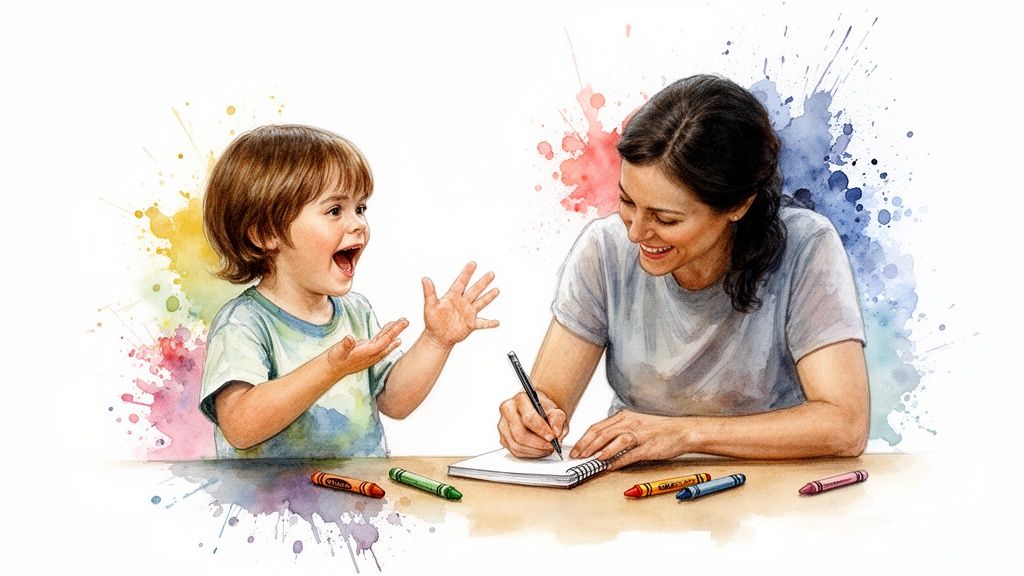
Inspired by methodologies like the Reggio Emilia approach and the work of Vivian Gussin Paley, this activity focuses on documenting a child's story exactly as they tell it. You can use a simple notebook, a voice recorder, or even an interactive app to capture their tale. The goal is to value their creative process, no matter how unconventional or whimsical their plot twists may be.
How to Get Started
Set the Stage: Find a quiet, comfortable space. Start with a simple, open-ended prompt like, "Tell me a story about a dragon who loves to bake," or "What adventure did your favorite teddy bear have last night?"
Act as a Scribe: As your child speaks, write or type their words verbatim. Don't correct grammar or rephrase their ideas. The authenticity of their voice is the most important element. Use a voice recorder if it's easier to keep up.
Use Gentle Prompts: If they pause or get stuck, ask gentle, guiding questions. Try "What happened next?" or "And how did the silly monkey feel about that?" Avoid questions that suggest a "correct" answer.
Read It Back: Once they signal the story is finished, read it back to them exactly as they told it. This validates their authorship and shows them that their words have power and permanence.
Key Insight: This activity sends a profound message to a child: "Your ideas are important, your voice matters, and you are a storyteller." It builds immense creative confidence by treating their narratives as valued works of art.
Benefits and Best Practices
This is one of the most rewarding storytelling activities for preschoolers because it directly reflects their inner world and cognitive development.
Learning Benefits: Fosters creativity, imagination, and narrative sequencing. It strengthens oral language skills and builds a foundational understanding of authorship and the connection between spoken and written words.
Adaptation: For younger toddlers, the "stories" may be just a few sentences or phrases. For older preschoolers, you can encourage more complex plots, characters, and even dialogue between characters.
Pro Tip: Turn these transcribed stories into a real book. You can illustrate it together or use a service to create a polished keepsake. Seeing their own words in print is a magical experience that reinforces their identity as an author.
To take their authentic narrative and transform it into a lasting keepsake, you can explore guides on how to create a children's book online. This process turns a simple conversation into a treasured family heirloom, celebrating your child's unique imagination at this precious age.
7. Multilingual, Cross-Cultural, & Therapeutic Storytelling
Stories can be powerful mirrors, reflecting a child’s cultural identity, home language, and emotional world. This approach intentionally weaves multilingual, cross-cultural, and therapeutic elements into storytelling, creating a space where children feel seen, valued, and emotionally supported. By celebrating diverse backgrounds and addressing feelings directly, you can foster a deep sense of belonging and resilience.
This method goes beyond simply reading diverse books; it involves actively validating a child's heritage and using stories to navigate complex emotions. For example, a dual-language program might read a story in both Spanish and English, while a child therapist might use a book like The Color Monster to help a child identify and name their feelings. The goal is to make storytelling a tool for inclusion, healing, and cultural pride.
How to Get Started
Source Diverse and Multilingual Books: Seek out stories that reflect various cultures, family structures, and languages. Visit your local library, which often has international sections, or explore online resources like the International Children's Digital Library. Prioritize books written by authors from the cultures they represent.
Invite Cultural Sharing: Encourage families in your community or circle to share stories, songs, and traditions from their heritage. This authentic exchange enriches every child's understanding of the world and validates the identities of children from those backgrounds.
Use Stories for Emotional Literacy: Select books that focus on identifying and managing emotions. Read them during calm moments and talk about the characters' feelings. Ask open-ended questions like, "How do you think the bear felt when his toy broke?" or "Have you ever felt shy like the little bunny?"
Create a Personalized Cultural Story: Use a platform like Once Upon A Memory Books to create a personalized storybook that celebrates your child’s unique cultural journey. Include photos of family traditions, relatives from different backgrounds, and special foods or celebrations. This becomes a tangible affirmation of their identity.
Key Insight: This approach transforms storytelling from a passive activity into an active practice of validation. When children hear their home language or see their family traditions in a story, it sends a powerful message: "Your story matters, and you belong."
Benefits and Best Practices
This is one of the most profound storytelling activities for preschoolers because it nurtures the whole child, building both cognitive and emotional intelligence.
Learning Benefits: Exposure to multiple languages is linked to enhanced cognitive flexibility and problem-solving skills. Cultural stories build empathy and a global perspective. Therapeutic storytelling provides children with the vocabulary to understand and express their emotions, a cornerstone of social-emotional development.
Adaptation: For younger toddlers, focus on board books with simple, bilingual text and clear facial expressions. For older preschoolers, introduce more complex narratives about cultural traditions or stories that explore nuanced feelings like jealousy or disappointment.
Pro Tip: Partner with community members or family who are fluent in other languages to be guest storytellers. Hearing their native tongue from a trusted adult can be incredibly affirming for a bilingual child and an exciting, ear-opening experience for others.
By intentionally selecting and sharing stories that embrace diversity and emotional wellness, you are equipping your preschooler with the tools to navigate a complex world with confidence, empathy, and a strong sense of self.
7-Method Comparison: Preschool Storytelling
Method | Implementation Complexity 🔄 | Resource Requirements ⚡ | Expected Outcomes 📊 | Ideal Use Cases 💡 | Key Advantages ⭐ | Primary Limitations 🔻 |
|---|---|---|---|---|---|---|
Personalized Photo-Based & Technology-Enhanced Storytelling | Medium–High: platform setup, AI tuning, co‑editing workflow | Quality photos, internet/platform fees, printing costs, editing time | Highly personalized keepsakes; improved early‑literacy engagement; digital + print artifacts | Tech‑comfortable parents; milestone gifts; memory preservation | Deep personalization; editable; interactive digital + premium print | Data/privacy concerns; higher cost; variable AI quality; screen overuse risk |
Interactive Props and Puppet Storytelling | Low–Medium: sourcing/making props and practicing manipulation | Low cost materials or purchased puppets; storage; facilitator skill | Strong attention and engagement; improved social turn‑taking and language use | Small groups, therapists, preschools, kinesthetic learners | High tactile engagement; inexpensive options; supports kinesthetic learners | Prep and storage burden; can distract some children; hard at scale |
Dramatic Play and Role‑Playing Storytelling | Medium–High: planning space and facilitation for open‑ended play | Space, costumes/props, adult facilitators, rotation of themes | Social‑emotional growth, confidence, creativity, collaborative skills | Preschools, family playdates, therapeutic settings | Builds empathy, negotiation, embodied understanding of stories | Requires space/materials; noise and conflict management; assessment is hard |
Wordless and Picture‑Driven Storytelling | Low: curate visual materials and guide interaction | Picture books or photo sequences; adult prompts; minimal materials | Improved visual literacy, inference, multilingual accessibility | Pre‑readers, multilingual learners, speech therapy contexts | Access across languages; fosters prediction and descriptive language | Needs adult scaffolding; some children prefer explicit narrative |
Sensory and Read‑Aloud Storytelling Rituals | Medium: establish and maintain consistent routines | Comfort items, calming audio/lighting, dedicated time and space | Strong attachment, emotional regulation, predictable transitions, memory formation | Bedtime routines, families managing anxiety/transitions, daycare | Predictability builds security; supports regulation and retention | Requires consistent adult presence; vulnerable to schedule disruption |
Collaborative and Child‑Led Narrative Building | Medium–High: skilled facilitation and documentation process | Time, recording/writing tools, facilitator training, iteration | Enhanced narrative skills, agency, authentic voice; publishable keepsakes | Creative children, writing development, therapy, documentation projects | Maximizes child agency; captures authentic voice; creative growth | Time‑intensive; non‑linear stories; needs skilled facilitators; hard to scale |
Multilingual, Cross‑Cultural & Therapeutic Storytelling | High: cultural/therapeutic sensitivity and coordination | Multilingual staff/partners, diverse books, culturally accurate materials, therapist input | Cultural pride, bilingual cognitive benefits, emotional processing and resilience | Multilingual families, immigrant communities, therapeutic and inclusive classrooms | Validates identity; builds language and emotional vocabulary; inclusive | Risk of tokenization; requires cultural competence and careful facilitation |
Your Next Chapter: Weaving Stories into Your Family's Routine
We've journeyed through a landscape rich with creative possibilities, exploring everything from the tactile joy of sensory bins to the high-tech magic of personalized photo stories. You've discovered how a simple puppet can unlock a shy child's voice and how a wordless picture book can ignite a universe of imagination. The array of storytelling activities for preschoolers presented in this guide is more than just a list; it's a toolkit for building a stronger, more connected, and more creative family culture.
The core takeaway is this: storytelling is not a performance. It's a conversation. It's the shared giggle during a silly role-play, the quiet moment of connection while pointing at a family photo in a custom book, and the proud gleam in your child's eye when they successfully add a new twist to a familiar tale. Each activity, whether it takes five minutes or an entire afternoon, contributes to a powerful foundation of literacy, emotional intelligence, and self-confidence.
From Inspiration to Integration: Your Action Plan
Seeing over 20 different activities can feel overwhelming, but the goal isn't to do everything at once. The goal is to do something consistently. True impact comes from weaving these moments into the natural rhythm of your daily life.
Here’s a simple, actionable plan to get started:
Choose Your "One Thing": Look back at the list. Which activity genuinely excited you? Was it the idea of a "Storytelling Jar," the simplicity of a nature walk narrative, or the tangible appeal of a personalized photo book? Pick just one to try this week.
Schedule the Story: Put it on the calendar, even if it's just a 10-minute slot. Maybe "Puppet Tuesday" becomes a new after-nap ritual, or weekend mornings are for building collaborative block tower stories. Scheduling it signals its importance and protects it from the chaos of a busy schedule.
Gather Your Tools: Spend a few minutes collecting what you need. This might mean printing a few family photos, designating a specific basket for story props, or simply bookmarking a website. Preparation removes friction and makes it easier to follow through.
Embrace Imperfection: Your first attempt at a dramatic play scene might be awkward. Your child’s "collaborative" story might just be a series of disconnected robot sounds. That’s not just okay; it’s perfect. The value is in the shared effort and the process, not a polished final product.
The Lasting Impact of a Story-Rich Childhood
By regularly engaging in these storytelling activities for preschoolers, you are giving your child a set of invaluable gifts that extend far beyond a robust vocabulary. You are teaching them how to organize their thoughts, how to understand and express complex emotions, and how to see the world from different perspectives. They learn that their voice matters, their ideas have value, and their own life is a story worth telling.
Key Insight: When a child sees themselves as the hero of their own story, whether in a custom book or a simple make-believe game, they develop a profound sense of agency and self-worth. This is the foundation upon which resilience, creativity, and a lifelong love of learning are built.
This journey isn't about raising a future novelist; it's about raising a confident communicator, a compassionate friend, and an inquisitive, joyful human being. Every story you share, every character you create, and every memory you revisit together becomes a part of their personal narrative, shaping the person they are becoming. The most enchanting stories are the ones we live day by day. Now, it's time to turn the page and start your next chapter.
Ready to make your child the star of their very own professionally crafted story? Once Upon A Memory Books LLC transforms your cherished family photos and memories into beautiful, personalized storybooks that serve as the ultimate storytelling prompt. Visit Once Upon A Memory Books LLC to see how easy it is to create a one-of-a-kind keepsake that will make your storytelling rituals truly unforgettable.