Blog
Age appropriate books for preschoolers: Top picks that spark early reading
Discover age appropriate books for preschoolers that match development and foster a love of reading.
Picking the right book for a preschooler isn't just about keeping them busy for ten minutes. It’s about handing them a key. A key that can unlock empathy, build their vocabulary, and create those cozy, curled-up moments that turn little kids into lifelong readers.
Why the Right Book Unlocks Your Preschooler's World
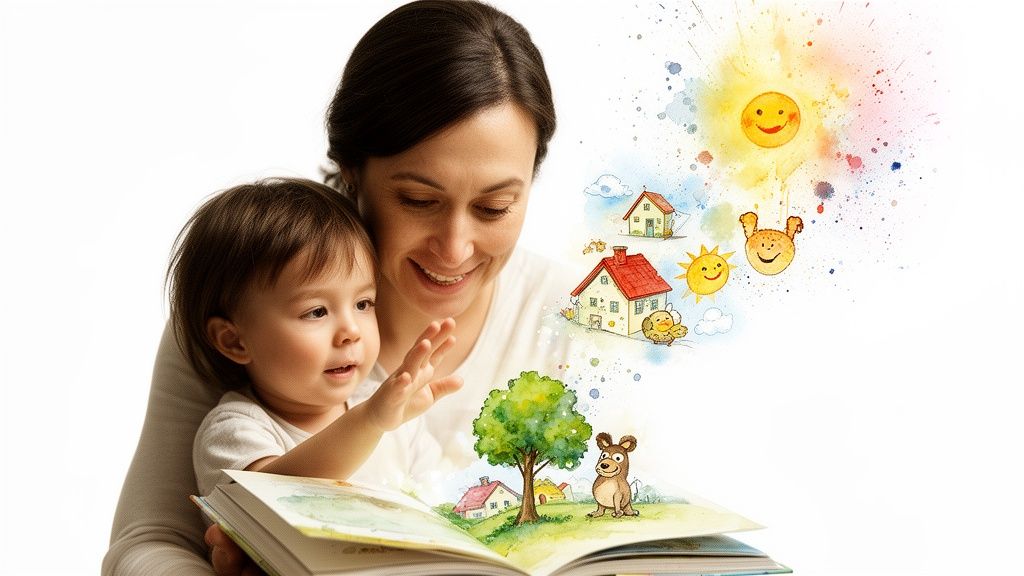
Those years between two and five are just an explosion of growth. A child's brain is wiring itself up at lightning speed, laying the groundwork for everything they'll learn later. A simple storybook isn't just a story—it’s a workout for their mind. Understanding the incredible cognitive development in early childhood helps put into perspective just how powerful the right book can be.
More Than Just Learning Letters
Sure, books help with the ABCs, but their real magic lies in helping a little person make sense of a big world. Stories give them a safe place to explore tricky emotions, figure out social cues, and see things from someone else’s shoes. When a character in a book learns to share or feels nervous about starting school, it gives your child a little roadmap for their own life.
This process builds skills that go way beyond just reading:
Empathy and Emotional Intelligence: Kids learn to put a name to feelings—in themselves and others—by following a character’s ups and downs.
Vocabulary Expansion: Books introduce new words in a way that makes sense, helping them stick far better than a flashcard ever could.
Critical Thinking: Even a simple question like, “What do you think the silly monster will do next?” gets their gears turning.
A well-chosen book acts like a mirror, reflecting a child’s own world, and a window, offering a view into experiences different from their own. This dual role is fundamental for building a child's sense of self and their understanding of others.
The Power of Personal Connection
The spark of reading truly ignites when a child sees themselves in the story. It’s a powerful moment.
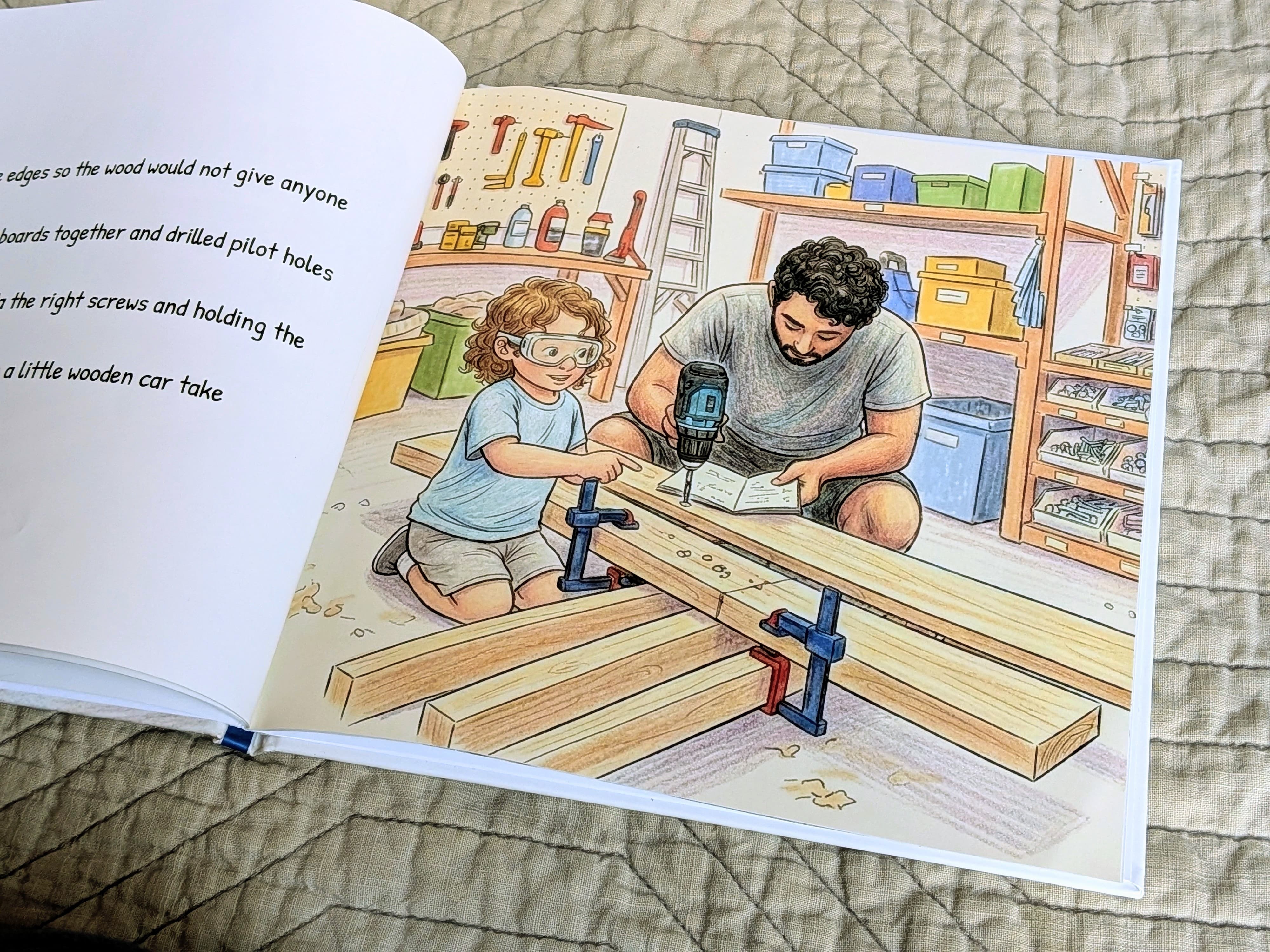
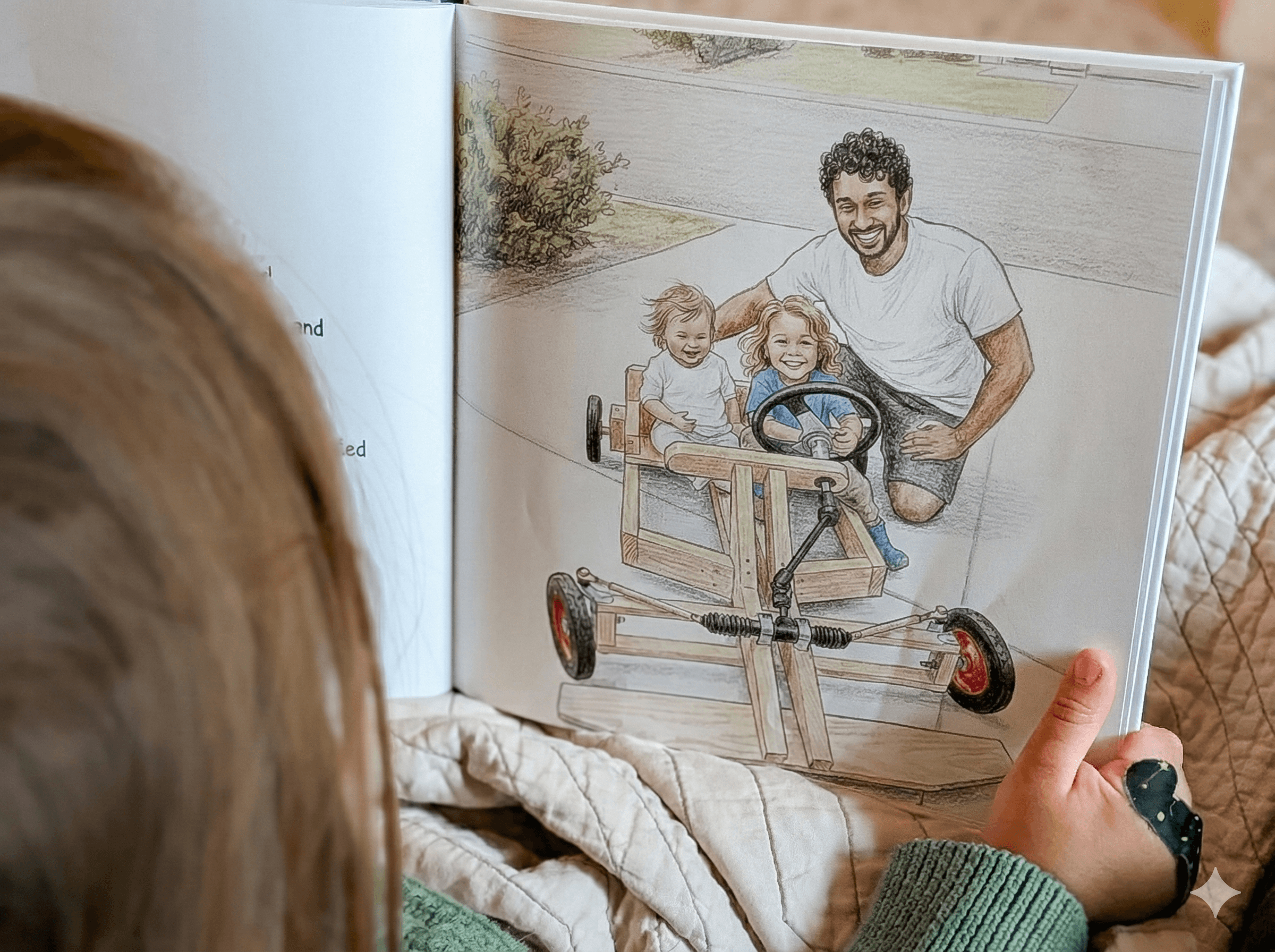
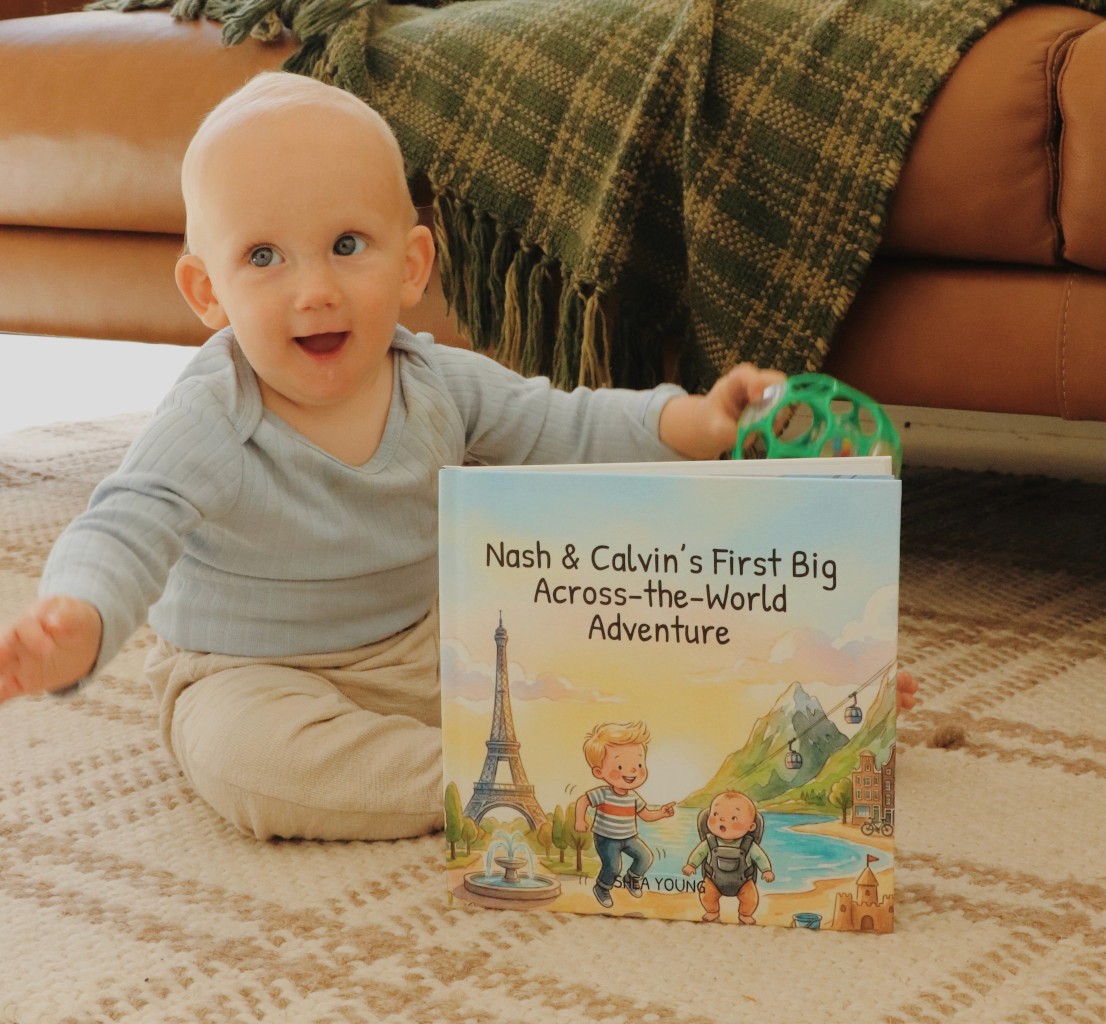
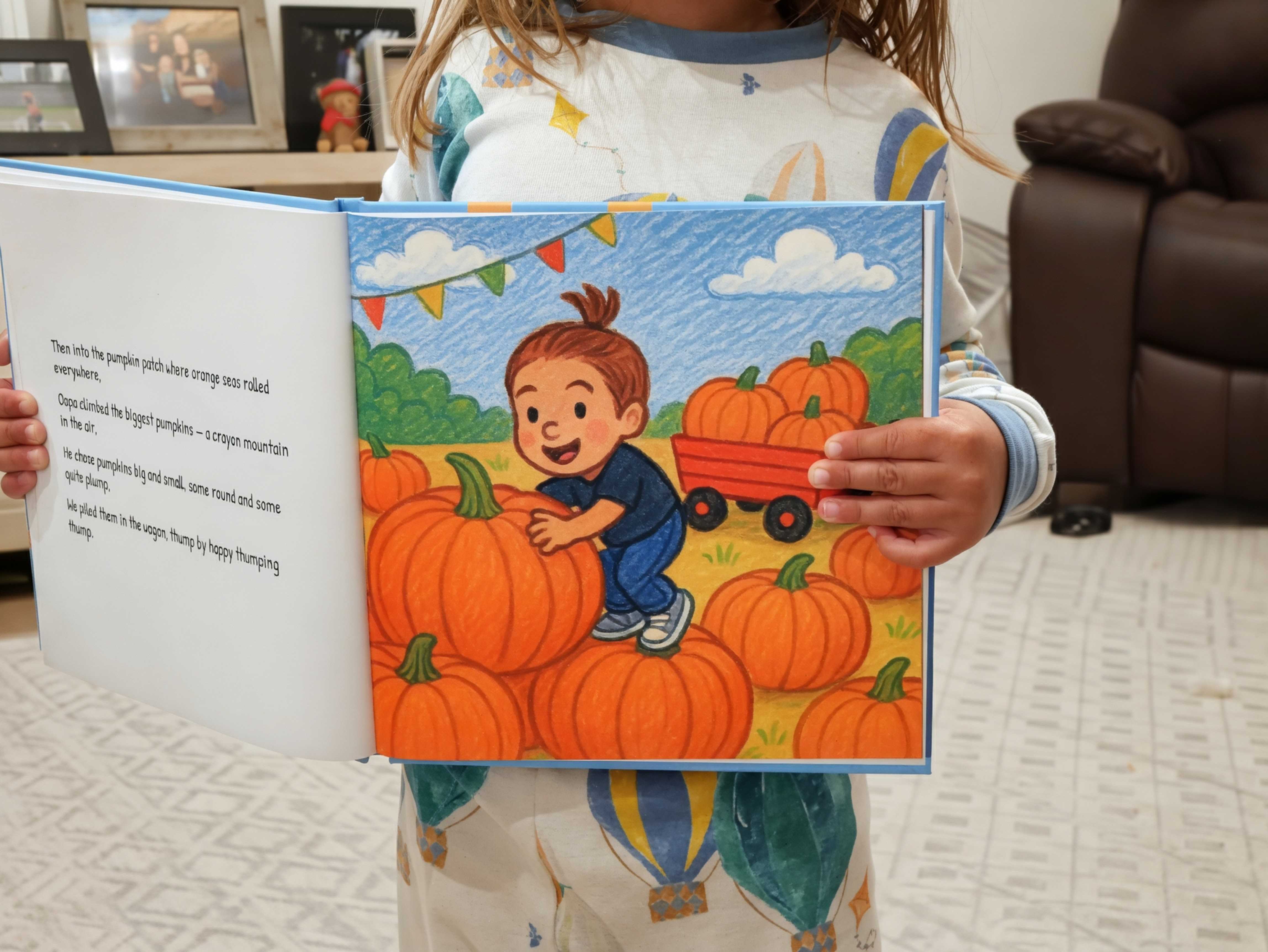
Personalized storybooks take that spark and turn it into a bonfire. Suddenly, they are the hero of the adventure. Reading goes from a passive activity to an exciting, validating experience where their own world is the setting. If you want to dive deeper, you can explore the many benefits of reading aloud to children.
This personal touch doesn't just make story time more fun. It builds real confidence and sends a clear message: their stories—and by extension, they—matter.
Matching Books to Your Child's Developmental Stage
Choosing the right book for a preschooler is a bit like helping them learn to walk. You wouldn't hand a wobbly toddler a pair of running shoes and point them toward a marathon, right? You start by holding their hands, cheering on those first Bambi-like steps, and eventually watching them take off with confidence. A child's journey with reading is exactly the same, and matching books to their developmental stage is the best way to support them.
Every child hits milestones on their own timeline, so their reading readiness will be unique. Still, we can think of the preschool years in two key phases, each with its own needs and curiosities that can guide our book choices. This helps make sure reading always feels like an exciting adventure, not a frustrating chore.
First Steps in Reading for Ages 2–3
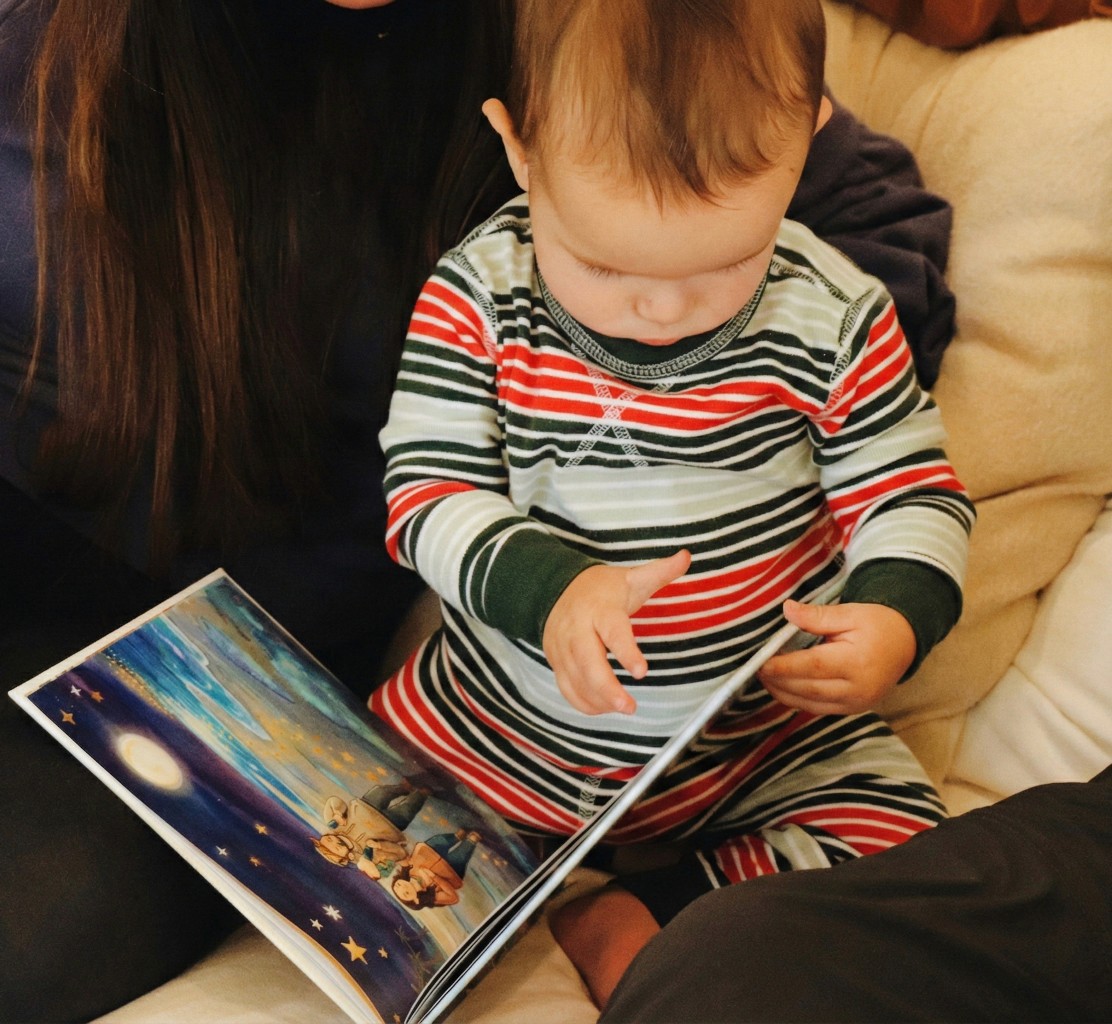
For toddlers, the world is a giant, hands-on science experiment, and their books should be, too. At this stage, they’re busy mastering basic words, pointing out familiar things (“Doggie!”), and learning the simple routines that make their day feel safe and predictable. Their attention spans are short, and their little hands are still figuring things out.
This means the best books for this crew are built for interaction and—let's be honest—durability. Look for features like:
Sturdy Board Books: These are the superheroes of the bookshelf, able to withstand chewing, grabbing, and the most enthusiastic page-turning.
Simple, Repetitive Language: Phrases and rhymes that repeat are pure gold. They help build memory and prediction skills until your little one can gleefully shout out the next line before you do.
Familiar Themes: Stories about bedtime, sharing toys, or eating snacks hit home because they reflect a toddler's own life.
Bright, Clear Illustrations: At this age, the pictures do most of the talking. Bold, simple images that clearly show what’s happening are crucial for comprehension.
Think of these books as the sturdy coffee table your toddler pulls up on to practice standing. They are foundational, reliable, and perfectly suited for building the initial strength and confidence needed for the next leap forward.
Taking Confident Strides for Ages 4–5
As kids gear up for kindergarten, their world gets so much bigger. Their attention spans stretch, letting them follow a real story with a beginning, middle, and end. They’re also developing a wild sense of imagination and a hilarious, often goofy, sense of humor.
This is when they graduate from chunky board books to paper pages. Their growing ability to grasp bigger ideas means they’re ready for stories that introduce new places, emotions, and concepts. As their language explodes, they start noticing the individual sounds inside words—a huge step toward learning to read. If you want to dive deeper, we have more tips in our guide on how to teach phonemic awareness.
Books for this stage should challenge and delight them with:
Engaging Plots: Look for simple stories where a character has a problem to solve.
Relatable Characters: Kids this age connect with characters who feel familiar emotions like excitement, jealousy, or shyness.
Imaginative and Funny Stories: Silly rhymes, surprising plot twists, and fantastical worlds are a perfect match for their growing creativity and love for anything absurd.
Richer Vocabulary: These books can introduce more descriptive words and slightly longer sentences, expanding their verbal toolkit one story at a time.
When you match the book to your child’s stage, you’re setting them up for success. You're turning storytime into a cherished part of their day where they feel capable, smart, and loved.
The Anatomy of a Perfect Preschool Book
Have you ever wondered what makes one picture book a dog-eared, well-loved favorite while another gathers dust on the shelf? It’s not magic. It’s a specific recipe of elements that click together to capture a young child's heart and mind.
Think of it like a well-balanced meal for their growing imagination. Each part serves a purpose, from sparking visual delight to nourishing their vocabulary. For a book to truly connect, it needs to hit the mark in five key areas: Illustrations, Language, Length, Themes, and Interactivity. These ingredients shift and adapt as a child grows from a curious two-year-old into an imaginative five-year-old.
Illustrations That Tell a Story
For preschoolers, pictures are just as important as words—sometimes even more so. They provide crucial context, help little ones predict what’s coming next, and capture emotions that words alone can't quite express.
For Ages 2–3: Bold, simple, and high-contrast illustrations are your best friend. Think clear outlines and bright, friendly colors that help them easily point out, "Doggy!" or "Ball!"
For Ages 4–5: At this age, their eyes are ready for more. Look for illustrations with subtle details that add layers to the story, encouraging them to lean in closer and ask, "What's that little mouse doing over there?"
Language That Sings
The words in a preschool book should be a joy to hear and say out loud. The right language builds vocabulary, introduces the rhythm of sentences, and makes reading a fun, bouncy experience.
It’s a huge market for a reason. The global children's picture book industry is projected to grow from $12.34 billion in 2025 to a whopping $21.68 billion by 2034, all driven by books that nail this blend of art and text. You can read more about the trends in children's picture books if you're curious.
This visual shows how a child's book preferences typically progress through these amazing preschool years.
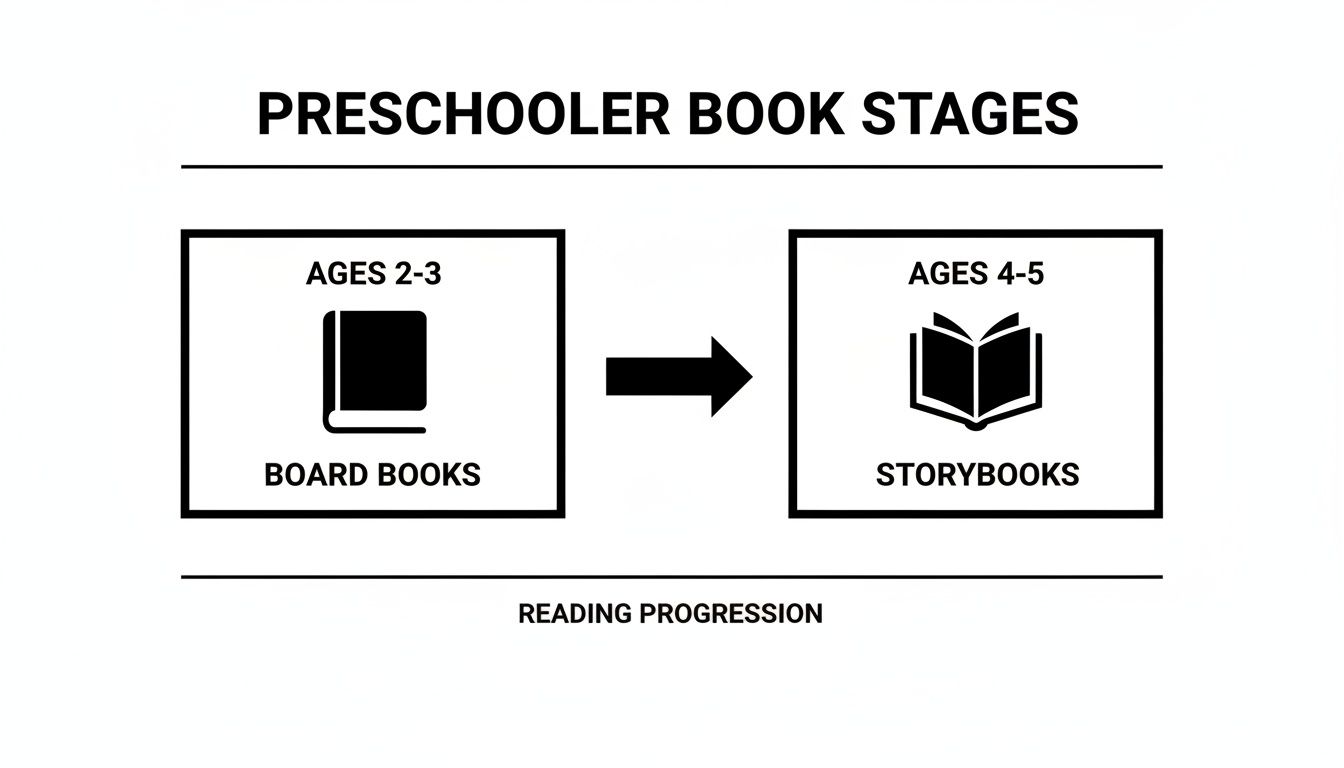
As you can see, the journey often starts with chunky, durable board books for little hands and moves toward more complex storybooks with paper pages they learn to turn with care.
The Right Length and Themes
A book’s length has to match a preschooler’s famously short attention span. A younger toddler might only sit still for a few pages, while an older preschooler can follow a complete, simple plot from beginning to end.
The themes should also feel like they’re pulled right from their own little world. Stories about making friends, sharing toys, family routines, or facing a small fear (like the dark) give them a safe place to process their own big feelings and experiences.
A great book for a preschooler should feel both familiar and fascinating. It should reflect their own life back to them while also opening a small window to a world of new ideas and possibilities.
Interactivity That Invites Participation
Finally, the best books invite children to do something. Interactive elements are the secret sauce that turns passive listening into active, joyful engagement.
This could be lifting a flap to find a hidden puppy, touching a fuzzy patch on a lamb's tummy, or shouting out a repeated phrase like, "I'll huff, and I'll puff!" These features are fantastic for building motor skills and keeping little hands and minds locked on the story.
To make it even clearer, here’s a quick breakdown of how these features change between the toddler and preschool years.
Key Book Features for Preschoolers by Age
This table breaks down the ideal features of a preschool book based on the child's specific age group, helping parents make informed choices.
Feature | Ideal for Ages 2-3 | Ideal for Ages 4-5 |
|---|---|---|
Length | Very short; 5-10 pages. Think sturdy board books that get right to the point. | Longer stories; 15-30 pages with a simple plot (beginning, middle, and end). |
Language | Repetitive phrases, simple vocabulary, and rhyming or rhythmic text. | More complex sentences, new vocabulary words explained in context, and engaging dialogue. |
Illustrations | Bold, high-contrast, and simple images with clear outlines. | Detailed scenes with more to discover, conveying emotion and adding to the narrative. |
Themes | Familiar routines, animals, colors, shapes, and basic emotions. | Friendship, problem-solving, empathy, new experiences (like starting school), and humor. |
Interactivity | Lift-the-flaps, touch-and-feel textures, and sound buttons. | Questions posed in the text, predictable refrains to join in on, and "find the..." games. |
Choosing the right book is really about matching its features to your child’s developmental stage. When you get it right, storytime becomes more than just reading—it’s connection, learning, and pure fun.
The Magic of Seeing Themselves in a Story
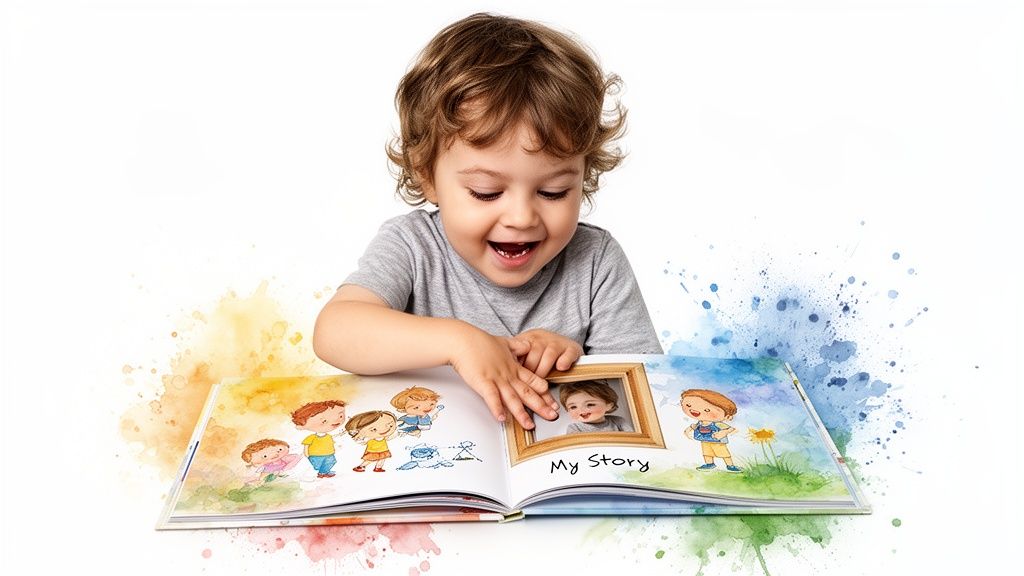
Standard age-appropriate books for preschoolers are wonderful, of course. But something truly special happens when a child sees their own name, their own face, and their own life reflected on the page.
It’s the difference between watching a movie and starring in it. Suddenly, the story becomes theirs. Reading shifts from a passive activity into an immersive, deeply personal adventure.
When a child becomes the hero of their own story, it does more than just make them smile. It sends a powerful, quiet message: your life is important, your feelings are valid, and your story deserves to be told. This kind of validation is a cornerstone for building healthy self-esteem in these formative preschool years.
Making Big Feelings Concrete
Preschoolers are navigating a world of huge emotions and brand-new experiences, but they don't always have the words for them. A personalized book can act as a bridge, making abstract feelings feel real and manageable.
Imagine a story all about their first day of kindergarten. Seeing their own picture on the page as they wave goodbye, meet a new teacher, and make a friend helps them process their own mix of anxiety and excitement. The story becomes a safe rehearsal for a major life event.
It’s the same for a book that captures a real family vacation or a trip to visit grandma. It doesn’t just preserve a memory; it helps your child understand and talk about the joy, the anticipation, and even the sadness when the trip is over. It gives them a tangible way to revisit those big emotional milestones.
Deepening the Connection to Reading
This personal connection is a game-changer for engagement. When the story is about them, children are naturally more invested. They pay closer attention to the words, ask more questions, and start connecting the narrative to their own lives.
Personalization turns reading into a mirror, not just a window. A child who sees themselves in a book is more likely to see themselves as a reader for life, building confidence and a genuine love for stories.
This shift is especially powerful for kids who might be reluctant readers. The novelty and pure excitement of a book starring them can be the perfect invitation to fall in love with reading. It’s no surprise that interactive books are booming—in North America alone, 62% of children own at least one. You can find more insights on the growth of the interactive children's book market right here.
Ultimately, by placing your child at the center of the narrative, you aren't just giving them a fun gift. You're giving them a tool that builds confidence, strengthens emotional intelligence, and fosters a profound, lasting bond with the magic of reading.
Turning Everyday Moments Into Lasting Memories
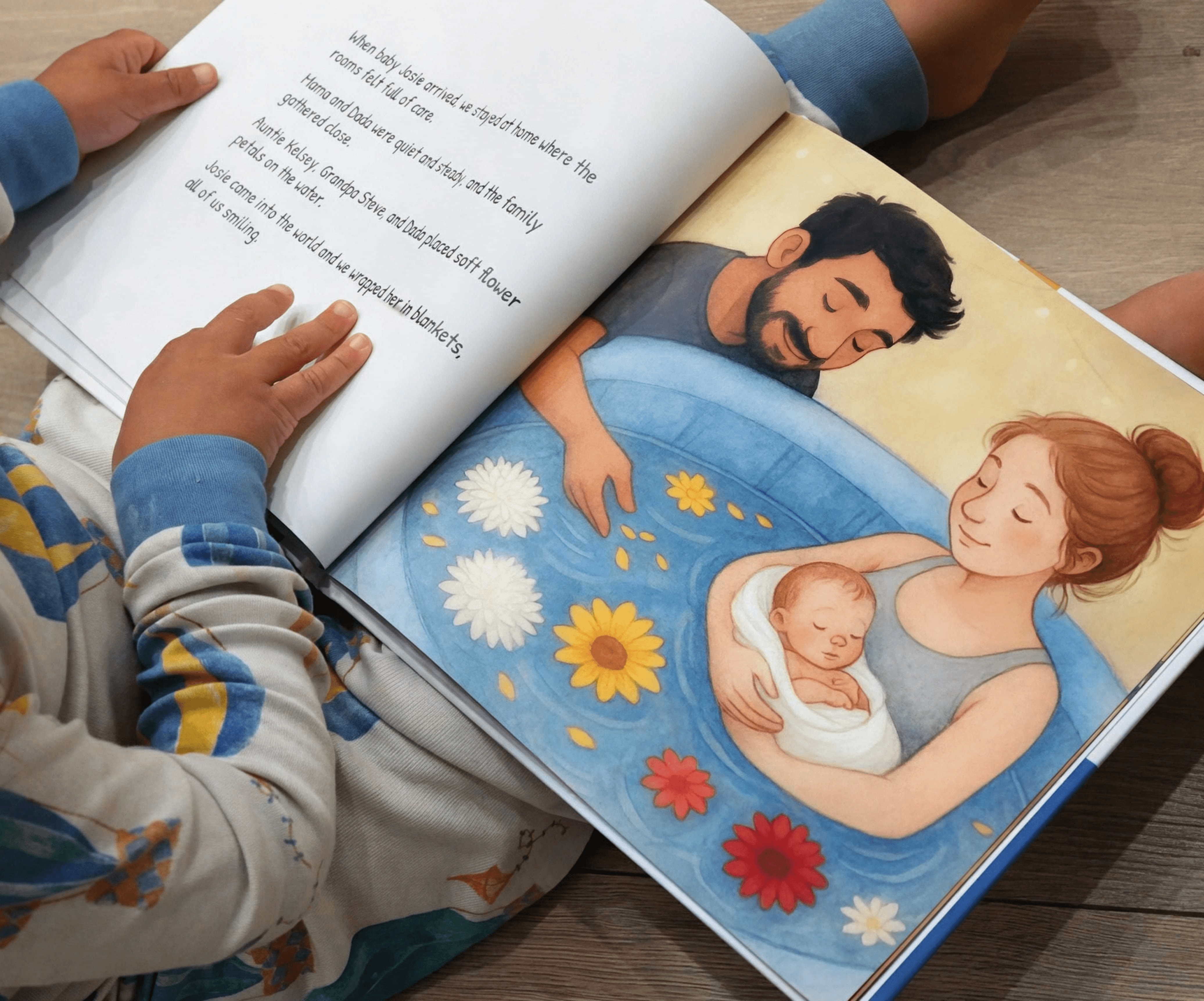
Personalized storybooks are so much more than a clever gift. They’re a way to turn those fleeting, everyday moments into something you can hold in your hands—a true family heirloom.
Think about it. Instead of just telling your child about a memory, you can show them. A book about that family beach trip doesn't just list the places you went. It captures the feeling of building a lopsided sandcastle together or the sticky sweetness of a shared ice cream cone, with your child as the star of the show.
They get to relive those moments over and over again.
Celebrating Milestones, Big and Small
Life with a preschooler is a whirlwind of firsts and big events that feel so important. Personalized books give you a unique way to celebrate these milestones, making your child feel seen, special, and loved.
Here are just a few moments that are perfect for a story:
Birthdays: You can create a story that recaps their last year of life, highlighting favorite toys, new friends, and silly moments. It becomes a beautiful little time capsule they can look back on for years to come.
Holidays: A book about your family’s specific traditions—whether it’s baking cookies with Grandma or lighting the candles—makes those customs feel even more magical and important.
Welcoming a New Sibling: A story where your child is the brave and helpful older sibling can do wonders to ease anxiety and build excitement for their new role in the family.
In every case, the story validates their experience and turns a single event into a lasting memory. These books are a fantastic way to introduce new ideas, and you can find even more inspiration with these storytelling activities for preschoolers.
A Gift That Strengthens Family Bonds
These books also make incredibly thoughtful gifts from grandparents, aunts, or uncles. Imagine a story that captures a special day spent together—it strengthens that bond, no matter how far apart you live.
It’s a beautiful way of saying, “Our time together is so important, it belongs in a book.”
It’s no surprise that parents everywhere are looking for quality, age-appropriate books. The kindergarten book market was valued at $798.65 million in 2024 and is projected to hit $1.19 billion by 2034. This global focus on early literacy shows just how much we value reading. Personalized books tap right into this by making storytime a deeply meaningful and family-centered activity. You can discover more insights about the growing kindergarten book market and its trends.
By transforming personal memories into a tangible story, you're not just creating a keepsake. You are building a bridge between generations and reinforcing the beautiful, unique story of your family, one page at a time.
Common Questions About Choosing Books for Your Preschooler
Stepping into the kids' section of a bookstore can feel overwhelming. So many choices! As a parent, you just want to find something your little one will love, and that will help them grow. I get it. Let’s tackle some of the most common questions I hear from parents, so you can feel confident you're picking the perfect books.
How Do I Know if a Book Is Too Simple or Too Advanced?
The easiest way to tell is simply to watch your child. Think of it like finding their "Goldilocks" book—not too hard, not too easy, but just right.
If they’re bored, reciting the whole story after one read, or more interested in what’s happening across the room, the book might be too simple. On the flip side, if they’re getting wiggly halfway through, seem puzzled by the story, or keep asking what basic words mean, it’s probably a bit too advanced for right now.
A great book for them will hold their attention, introduce a few new words, and get them asking curious questions about the story. A little challenge is fantastic, but the heart of the story should feel cozy and fun for them.
My Preschooler Only Wants the Same Book Over and Over. Is This Okay?
Oh, absolutely! In fact, it's more than okay—it’s a sign of amazing brain development. Rereading a favorite story is how little kids build confidence and mastery.
Each time you read that beloved book, they're locking in new vocabulary, getting familiar with how sentences flow, and digging deeper into the plot. Repetition is incredibly comforting for them in a world that often feels big and unpredictable. Keep introducing new books, of course, but never feel like you have to discourage their go-to favorite. You can keep it fresh by asking new questions or pointing out different details in the pictures each time.
What's More Important: The Pictures or the Words?
That's a great question, and the honest answer is that for preschoolers, they're a team. One isn't more important than the other; they work together to create the magic.
Kids this age are incredibly visual. The illustrations aren't just pretty decorations—they’re doing some heavy lifting.
Illustrations give them context clues to understand the words, guess what might happen next, and understand how the characters are feeling.
Words build their vocabulary, teach them the rhythm of language, and lay the groundwork for learning to read on their own.
A book with gorgeous art but a confusing story won't hold their interest for long. And a great story with unappealing or unclear pictures just won’t capture their imagination. The best age appropriate books for preschoolers are the ones where the art and the text are in perfect sync, creating an experience you can both get lost in.
Are Personalized Books Just a Fun Gimmick?
While they are definitely a special and unique gift, the benefits of personalized books go so much deeper than novelty. When children see themselves as the hero of a story, it creates a powerful emotional connection.
This sparks a whole new level of interest, making them more receptive to the book’s themes and lessons. It’s also a huge boost to their self-esteem, sending a clear message: your story matters. For hesitant readers, seeing their own name and photo on the page can be the very thing that transforms reading from a chore into an adventure, lighting a fire for stories that can last a lifetime.
Ready to make your child the star of their own story? At Once Upon A Memory Books LLC, we help you turn your family’s special moments into a beautiful, personalized storybook that your child will treasure forever.