Blog
How to Teach Letter Recognition: Fun, Evidence-Based Activities
Learn how to teach letter recognition through engaging, multisensory activities for toddlers and preschoolers, boosting confidence and early reading skills.
Forget flashcard drills and forced memorization. Teaching your child the alphabet should feel like a game, not a chore. The secret is to make it personal, playful, and part of the world they already love. And it almost always starts with the letters in their own name.
Building a Foundation for Reading, One Letter at a Time
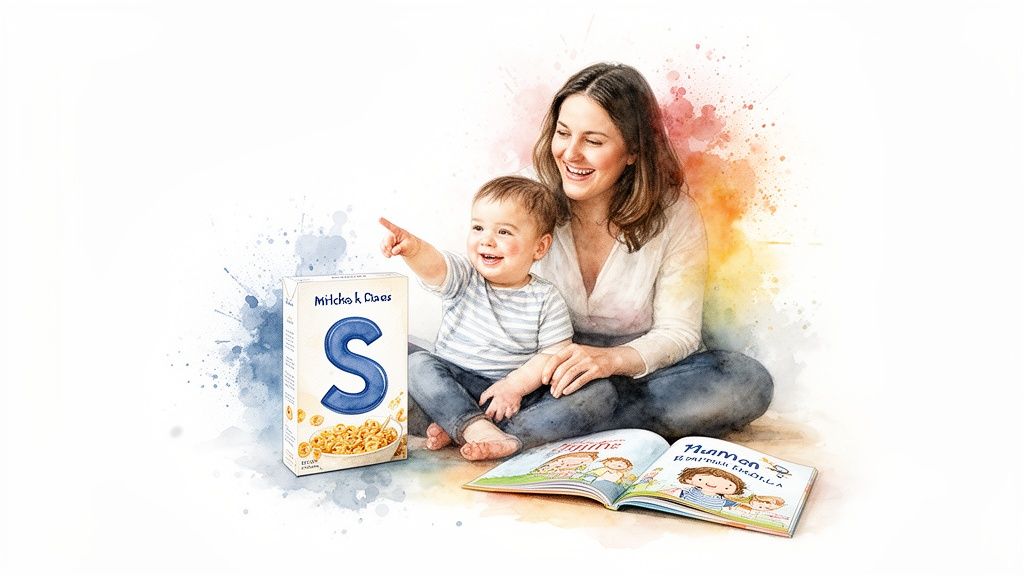
The journey to raising a confident reader often starts with a single, exciting moment—like your child spotting the 'S' on their favorite cereal box. It’s those small, real-world connections that make the alphabet click. This guide is all about weaving letter recognition into your day, turning it into a joyful exploration instead of a task.
We'll move beyond rote learning to show you how to link letters to your child's world in a way that truly sticks.
It’s about transforming learning into a shared adventure. When you see the alphabet as a set of fun puzzles to solve together, the pressure disappears. This simple shift in perspective helps the alphabet become a familiar friend, laying a stress-free foundation for a lifelong love of reading.
Making Letters Personal and Fun
The real goal here is to spark a natural curiosity about print. So instead of drilling letters, you can casually point them out on street signs, in favorite books, and even on toy boxes. This approach helps children see that letters aren't just abstract shapes; they are the building blocks of the words they see and hear every single day.
The most powerful starting point for any child is seeing their own name in print. It creates an immediate, personal connection to letters that rote memorization just can't match.
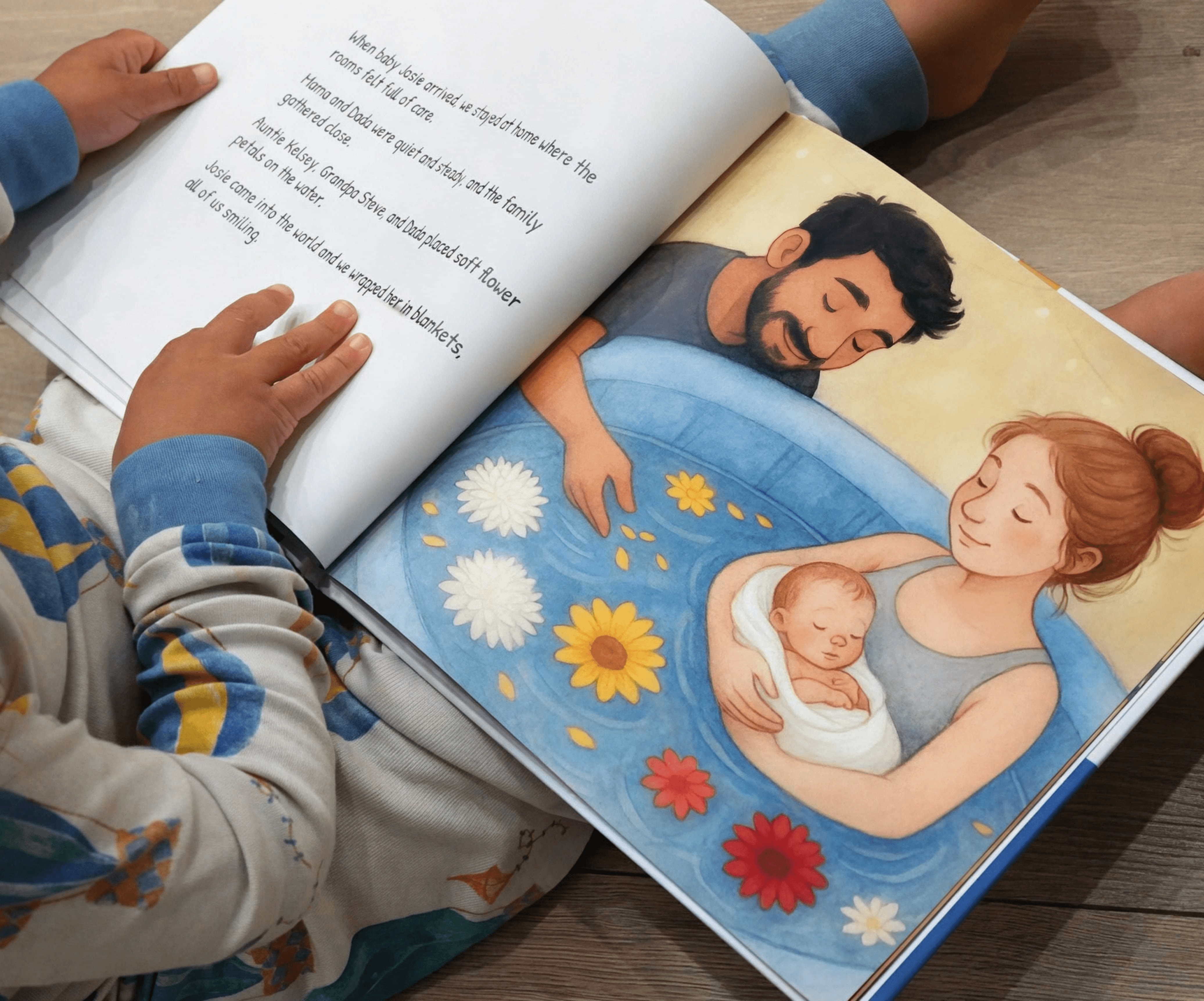
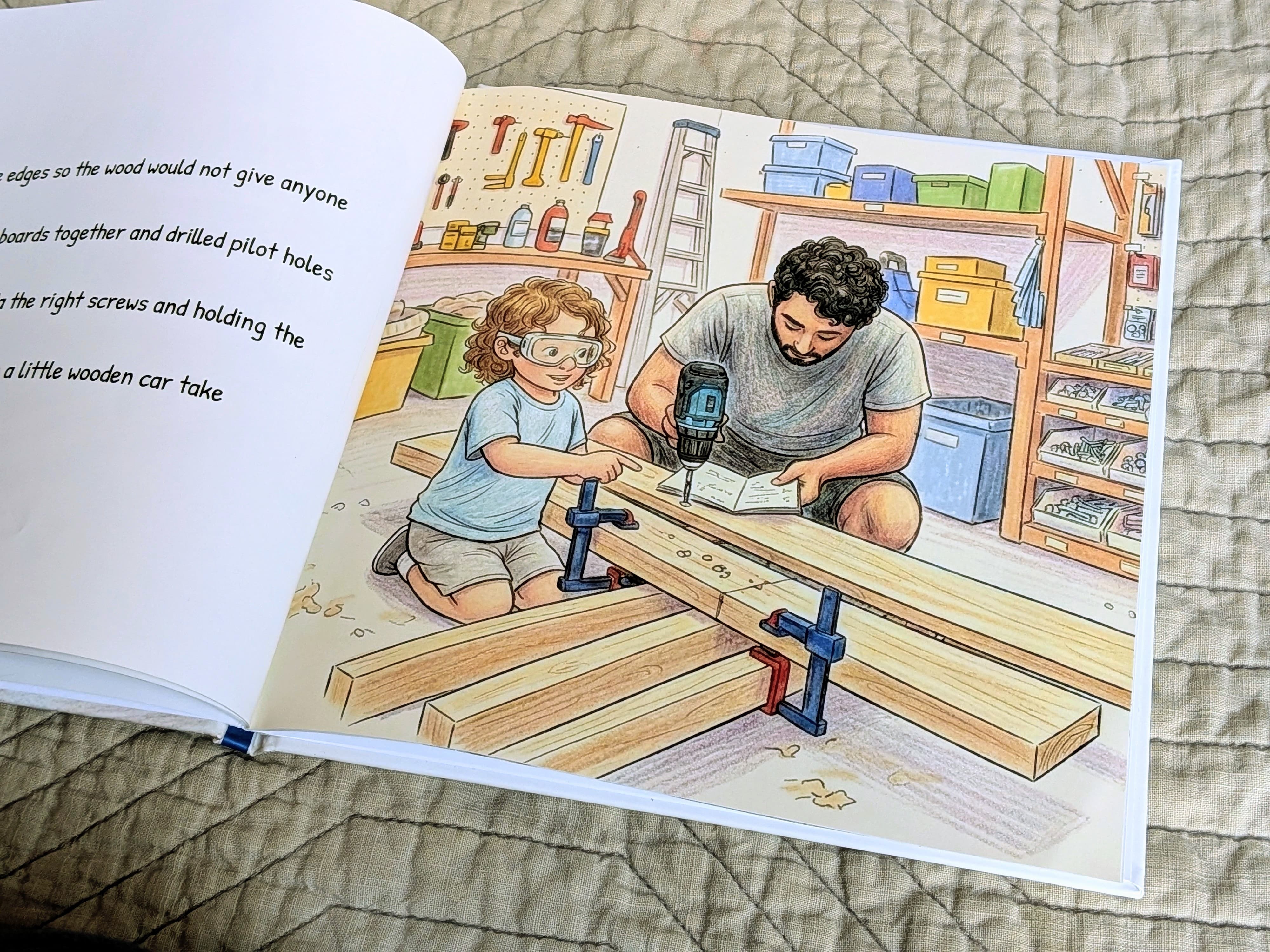
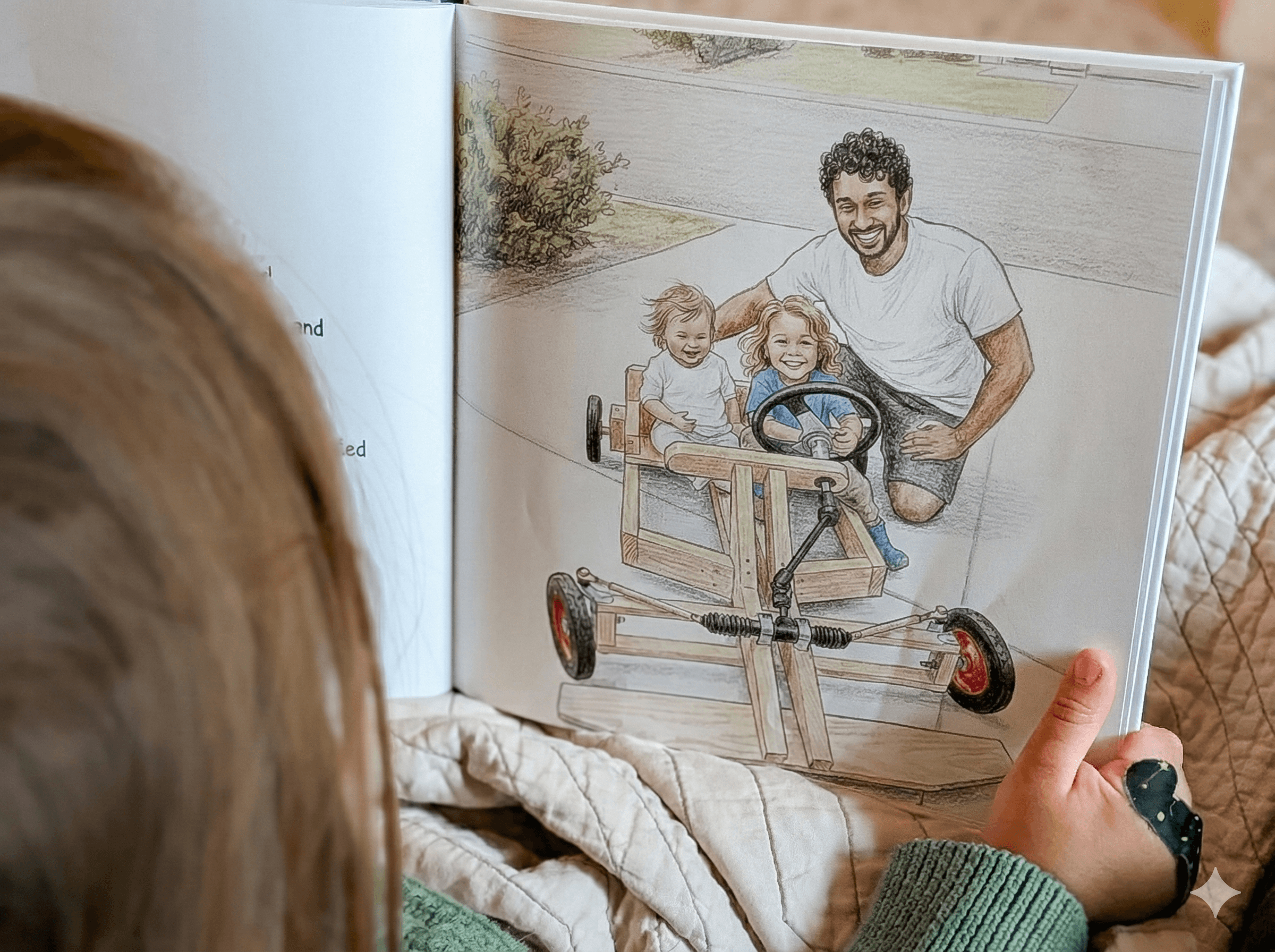
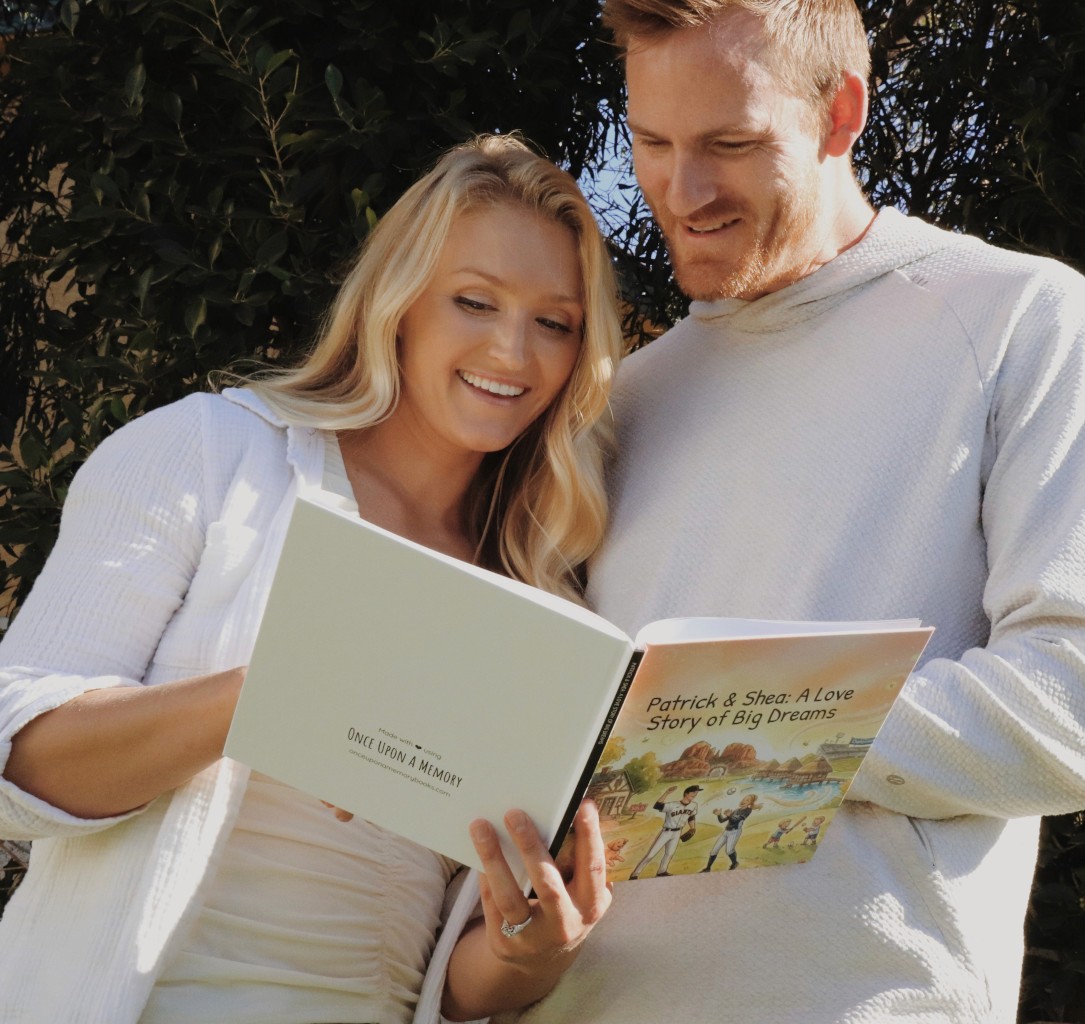
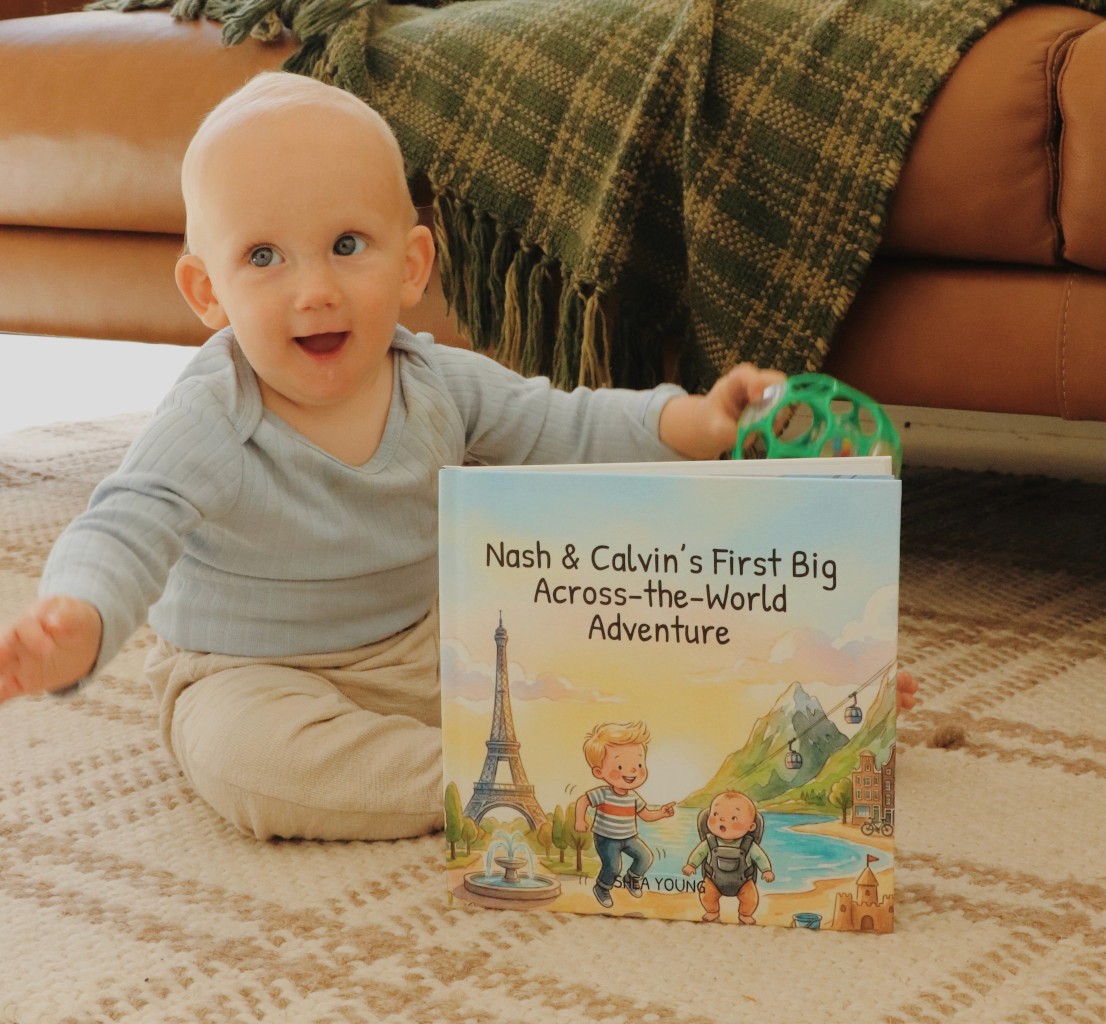
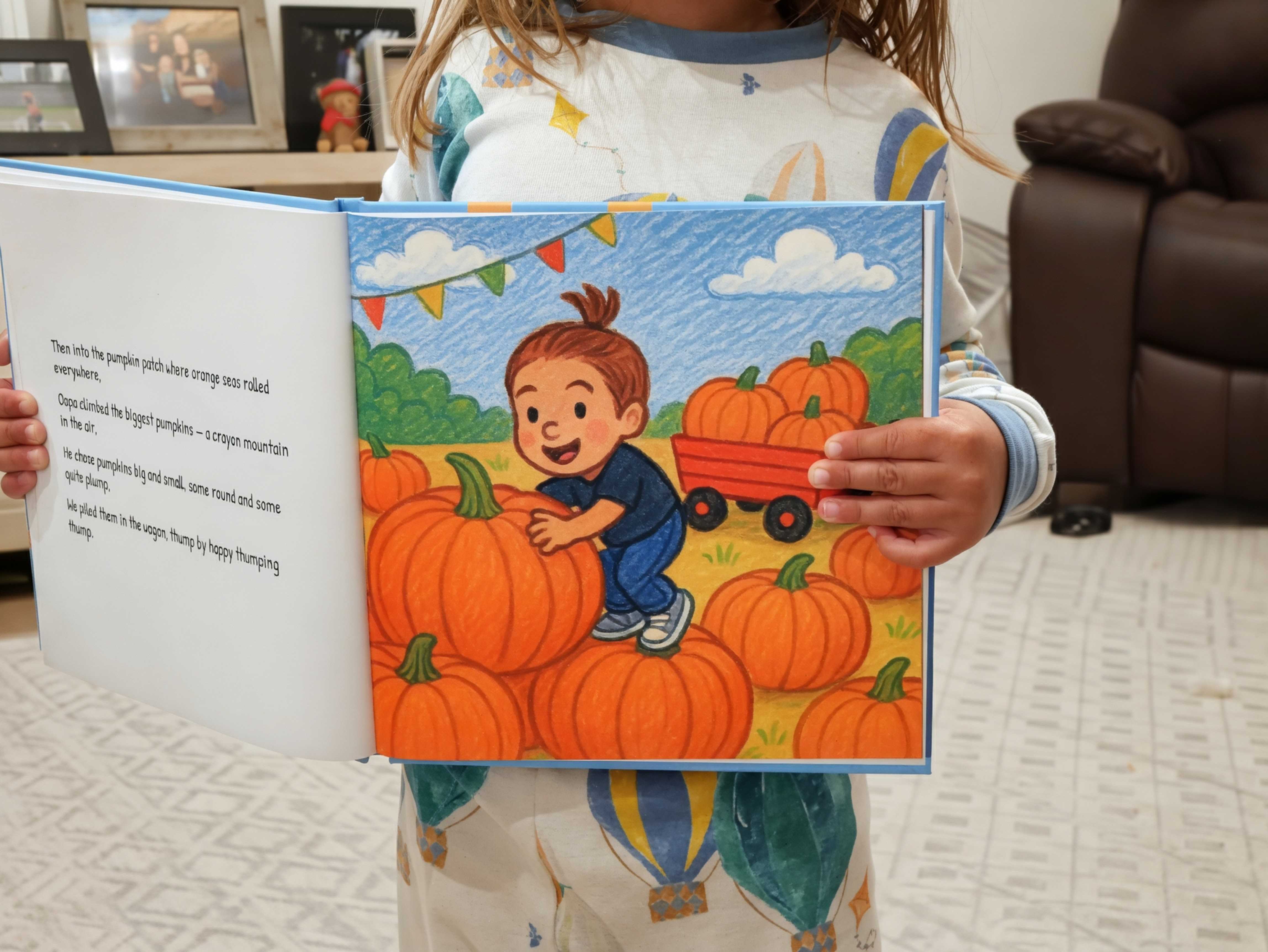
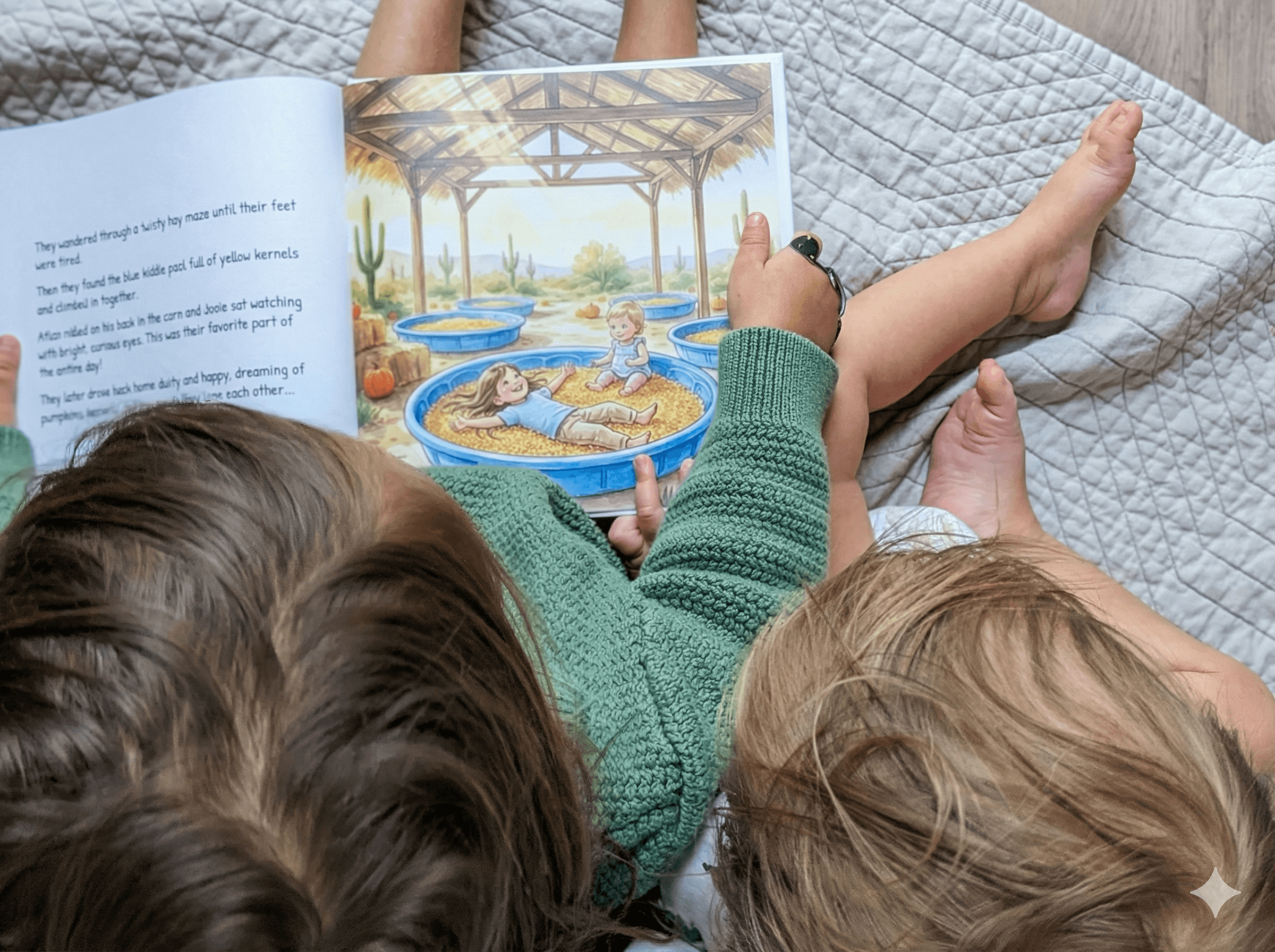
Personalized storybooks are a fantastic tool for this. When a child sees their name and realizes they are the hero of the story, those specific letters become uniquely theirs. It opens up a natural opportunity to:
Trace the letters of their name with a finger as you read.
Point out repeating letters throughout the book.
Talk about the sounds each letter makes in a context they know and love—their own name.
To keep building on this, exploring more strategies for recognizing letters can be incredibly helpful. For more simple, everyday ideas, you can also check out our early literacy tips for parents.
So, How Do Kids Really Learn the Alphabet?
Before we jump into fun games and clever activities, it helps to peek inside your child’s brain for a minute. True letter recognition isn't just about singing the ABCs song on repeat. It’s the ability to see a letter, notice its unique shape, and connect that shape to its name.
Think of it like learning faces—at first, they only recognize the most familiar ones (Mom, Dad, Grandma), then slowly, they start to identify more and more people.
For most kids, this whole journey kicks off with the letters in their own name. Those letters are special. They’re personal. They see them on their bedroom door, on their cup, on their artwork. This personal connection is a huge motivator, turning what looks like a bunch of random squiggles into something that actually belongs to them.
The Developmental Path of Letter Learning
Every child gets there on their own timeline, but the path they take is usually pretty predictable. Kids don't just wake up one morning knowing all 26 letters. It’s a slow build, a collection of small wins that add up over time. Knowing this helps you stay patient and celebrate every little step.
The process moves from recognizing a few meaningful letters—like the first letter of their name—to slowly adding more to their visual library. This gradual accumulation is totally normal and healthy. In fact, research consistently shows a powerful link between knowing letters early on and becoming a strong reader later. One analysis even suggested that if all kindergarteners mastered letter recognition, the gap in reading ability among students could shrink by as much as 25%. You can dig into the research yourself over at these early literacy findings on Shanahan on Literacy.
Remember, this isn't a race to memorize. It’s a journey to understand. Celebrating your child spotting the "M" for "Mom" on a cereal box is just as big of a deal as them eventually learning "X," "Y," and "Z."
Once they can confidently recognize the letters, they’re ready for the next big step: learning their sounds. That's when the real reading magic starts to happen. To see what comes next on this adventure, check out our guide on how to teach phonemic awareness.
A Parent's Guide to Letter Recognition Milestones
Think of this table less as a strict checklist and more as a friendly guide. It can help you get a sense of the typical progression of alphabet skills and give you some simple, age-appropriate ideas to try at home.
Age Range | Typical Developments | Playful Activity Idea |
|---|---|---|
2-3 Years | Recognizes a few letters, especially those in their name. May show interest in print and environmental text (like logos). | Use alphabet blocks or magnets. Focus only on the letters in their name, saying, "Look, here is the 'A' from your name, Alex!" |
3-4 Years | Recognizes about half the letters and may begin to associate some letters with sounds. Understands that letters make up words. | Go on a "letter hunt" at the grocery store. Ask, "Can you find a 'B' for 'banana'?" or "I see the 'C' on the cereal box!" |
4-5 Years | Can identify most uppercase and many lowercase letters. Knows the names of the letters and often the primary sound each one makes. | Play a matching game with uppercase and lowercase letter cards. Start with a few pairs and gradually add more as they gain confidence. |
No matter where your child is on this journey, the key is to keep it light, playful, and full of encouragement. You're their first and best teacher, and a little bit of fun goes a long way.
Creating a Letter-Rich World at Home
The best way to teach letters isn't with flashcards or scheduled "lessons." It's by simply making the alphabet a natural, visible part of your child’s world. When you weave letters into the fabric of your daily life, your home becomes a playful, print-rich environment where learning happens without any pressure at all.
The goal is to surround your child with words that mean something to them. When letters are tied to their favorite toys, their bedroom door, or the cereal they eat for breakfast, they stop being abstract squiggles. They become useful, interesting parts of everyday life. This constant, low-key exposure is incredibly powerful for building familiarity.
Weaving Letters Into Daily Life
You don't need a curriculum or special materials. The best opportunities are the simple ones that pop up throughout your day.
Here are a few practical ways my family gets started:
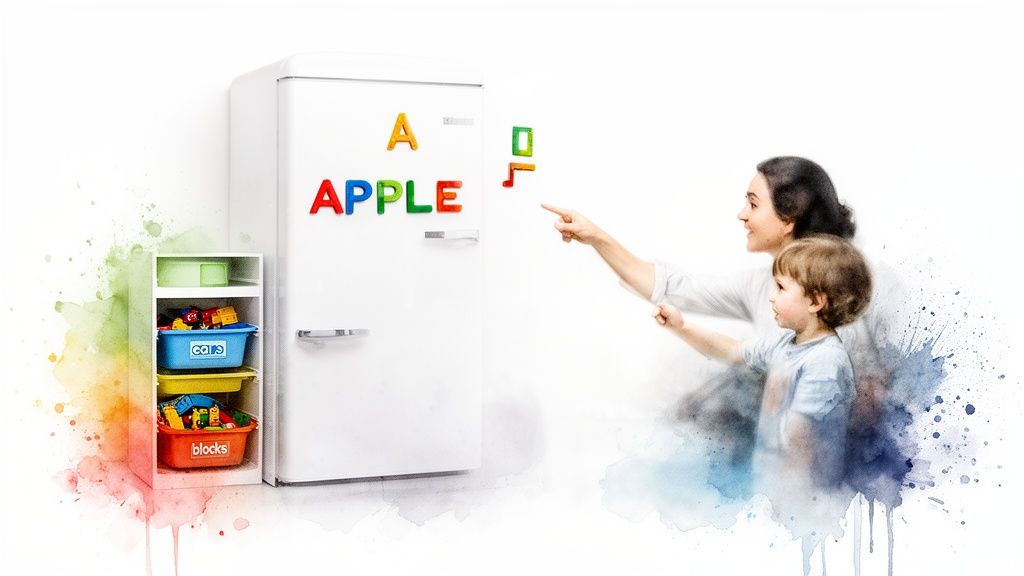
Label Everything: I put simple, clear labels on toy bins and drawers. When my son is looking for his "Blocks," he sees the word and the letter 'B' right there. It’s a super simple way to create a direct link between the object, the spoken word, and the written letter.
Embrace Magnetic Letters: A set of magnetic letters on the fridge is a classic for a reason. While I’m making dinner, the kids can spell out their names, simple words like "CAT" or "MOM," or just explore the shapes and colors freely.
Turn Errands into Letter Hunts: A trip to the grocery store is a goldmine for letter spotting. I'll casually point out letters on signs and packaging. "Look, there's a big 'A' for 'apple'!" or "I see the 'M' from your name, Mia, on that milk carton."
The trick is to keep it casual and fun. The moment it feels like a quiz, the magic is lost. Your role isn't to be a teacher with a pointer, but a curious co-discoverer exploring the world together.
The Power of a Personal Connection
While seeing letters out in the world is fantastic, nothing makes them more meaningful than seeing them in the context of your child’s own life. This is where personalization becomes a true game-changer.
Let's be honest, kids are naturally the center of their own universe. Their world revolves around themselves, their family, and their experiences. When they see their own name in a book, those letters suddenly have immense personal value. For example, the letter 'L' isn't just a random shape anymore—it's the first letter of Liam.
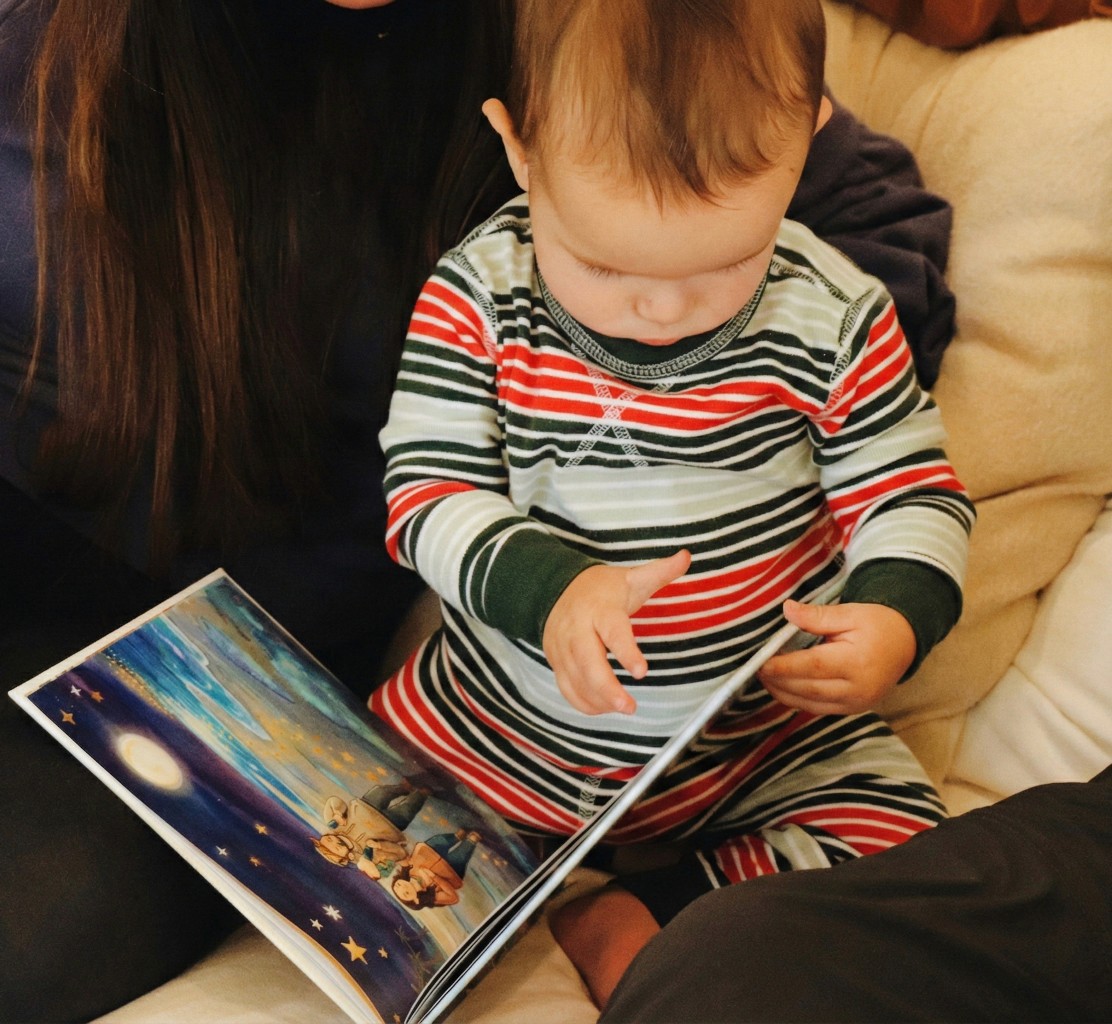
This is exactly why a custom storybook can be such an effective tool. When a child is the hero of their own story, surrounded by familiar faces like Grandma or the family dog, the text becomes deeply engaging.
This transforms reading time from a passive activity into an interactive experience. You can:
Trace Their Name Together: As you read their name on the page, gently guide their finger over each letter. This adds a powerful tactile element to the visual recognition.
Hunt for "Their" Letters: Throughout the book, you can say, "Look! There’s another 'L' just like in your name!" This builds a sense of ownership and excitement that’s hard to replicate.
This personal connection creates a strong emotional anchor to the written word, making the whole process of learning letters feel important and special. You can learn more about how to create personalized story books for kids and see how they can support your child's journey into reading.
Engaging the Senses with Hands-On Alphabet Games
While seeing letters around the house is a great start, the real magic happens when kids can get their hands on the alphabet. Toddlers and preschoolers are wired to learn through touch, movement, and play. When you engage multiple senses at once, you’re creating stronger connections in their brain—making those letter shapes and names stick far better than if they just saw them on a page.
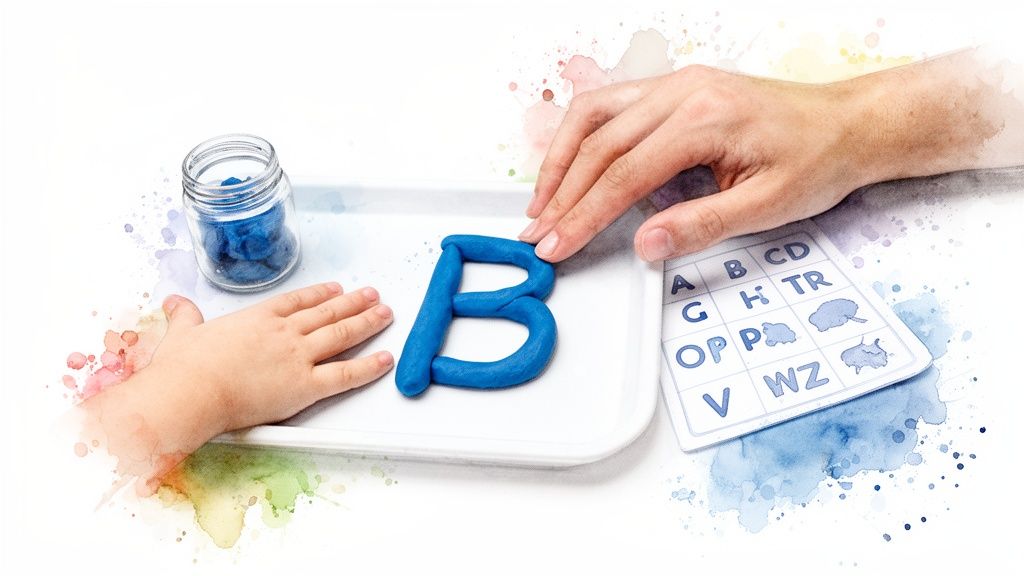
A lot of these ideas are rooted in experiential learning, which is really just a fancy way of saying "learning by doing." When a child squishes play-doh into the shape of a ‘B’ or uses their whole body to form a ‘T’, they’re building a physical memory of that letter. This turns abstract squiggles into something real and unforgettable.
Tactile Exploration Activities
Touch-based, or tactile, activities are fantastic for helping little ones feel the unique lines and curves of each letter. The best part? They require almost no setup and use things you probably already have.
Here are a few of our go-to's:
Shaving Cream Letters: Squirt a little shaving cream onto a cookie sheet (or right on the kitchen table if you’re brave!). Let your child use their finger to “write” letters as you call them out. The smooth, cool sensation is always a huge hit.
Play-Doh Creations: Roll out play-doh into long "snakes" and guide your child in forming letters. It’s a great way to talk about the different parts—like the straight line for an 'L' or the big curve for a 'C'.
Sensory Bin Search: Fill a shallow bin with rice, sand, or dried pasta. Hide some magnetic letters inside and let your child dig for them. Every time they find one, they get to name it.
These activities aren't just fun and games; they’re a form of playful, direct instruction. This kind of multisensory approach has been shown to be incredibly effective for teaching letter recognition, especially for kids who need a little extra support.
Getting Active with Whole-Body Learning
Got an energetic kid? Sitting still can feel like a big ask. Whole-body learning games are the perfect solution. They get kids moving, using their large muscle groups to learn the alphabet—a powerful combination for little ones.
These games help burn off that extra energy while reinforcing letter shapes in a big, memorable way.
By turning letter learning into a full-body experience, you're not just teaching the alphabet—you're making it a joyful and active part of their day.
Try these games to get your child up and moving:
Alphabet Yoga: Challenge your child to make letter shapes with their body. They can stand with arms stretched wide to be a ‘T’, curl up on the floor to make a ‘C’, or stand on one leg to become a ‘P’.
Letter Scavenger Hunt: Write letters on sticky notes and hide them around the room. Call out a letter and have your child run to find it and bring it back to you. So simple, so effective.
Sidewalk Chalk Jump: Draw big letters on the driveway with sidewalk chalk. Call out a letter (or a sound for an extra challenge!) and have your child run or hop to it.
These games teach letter recognition while also developing balance, coordination, and listening skills. The key is to keep the energy positive and celebratory. Every correct jump or found letter is a reason for a high-five, helping your child connect the alphabet with fun, movement, and success.
Adapting Your Approach for Every Type of Learner
Every child’s journey with letters looks a little different, and that’s more than okay—it’s completely normal. One kid might zoom ahead, recognizing letters everywhere, while another needs a bit more time to untangle the tricky differences between ‘b’ and ‘d’.
The secret isn’t a rigid, one-size-fits-all plan. It’s a flexible, observant approach that honors your child's unique pace and personality. Your role is to be a patient guide, not a drill sergeant.
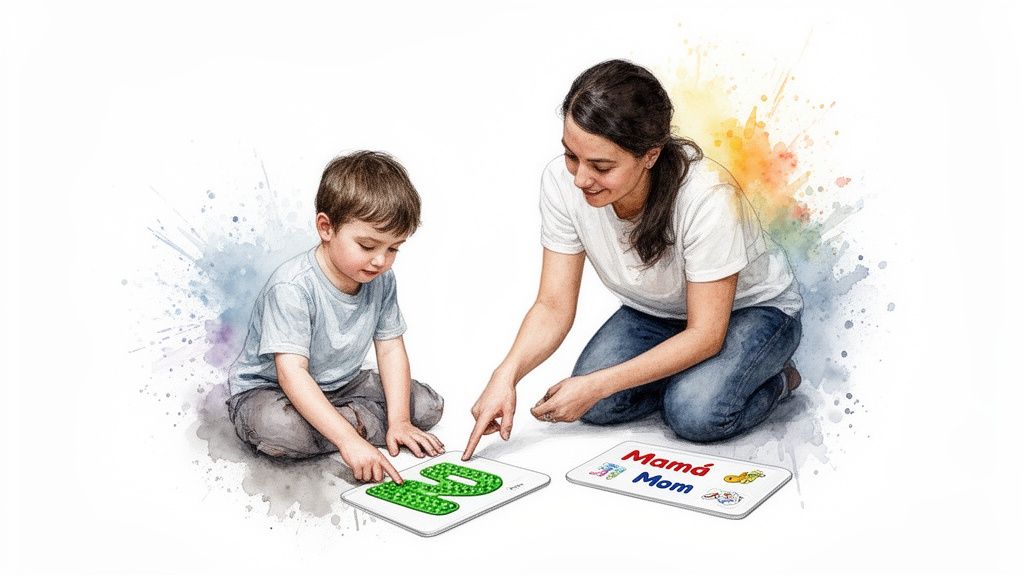
If you notice your child consistently mixing up certain letters, it's rarely a cause for alarm. Think of it as a signal to simply adjust your strategy. Instead of pointing out the mistake, try a gentle, hands-on approach. You could trace a ‘b’ on their back while saying the sound, then have them squish it out with play-doh, reminding them that the "bat comes before the ball."
Supporting Different Learning Needs
Tailoring activities to your child's specific hang-ups can make all the difference. This kind of individualized instruction is incredibly powerful.
Research actually shows that when children get targeted support for the specific letters they struggle with, they learn those letters far better than others. One study found this approach works well for all kids, including dual-language learners, helping them make significant progress. You can explore more about these instructional findings to see the data for yourself.
Here are a few ways I’ve adapted my own methods over the years:
For the Visual Mixer: If ‘p’ and ‘q’ are causing trouble, lean into visuals. Draw a picture of a puppy next to the ‘p’ and a queen next to the ‘q’. Talk about how the puppy's tail hangs down, just like the line on the ‘p’.
For the Multilingual Child: Connect letters to words in all the languages spoken at home. The letter ‘A’ can stand for "apple" and for "agua." This reinforces the idea that letters are universal tools that work everywhere.
For the Hesitant Learner: Go back to what they absolutely love. If they are obsessed with trucks, forget the rest of the alphabet for a bit and focus only on the letters in T-R-U-C-K. Making it relevant to their world is the fastest way to reignite their curiosity.
The most important thing you can do is observe. Watch what lights them up, notice where they get stuck, and gently adjust. Your patient, responsive support is the most effective teaching tool you have.
Ultimately, the goal is to build confidence and a happy, positive feeling around learning. Culturally relevant tools, like a personalized book featuring familiar family members and places, can be especially effective here.
When kids see their own world reflected in print, it makes the entire process more meaningful and inclusive. By focusing on your child’s strengths and being a compassionate guide, you can navigate any learning hurdle together and make sure the journey to reading is a joyful one.
A Few Common Questions From the Trenches
As you start sprinkling letters into your daily routine, you'll probably run into a few practical questions. I know I did. It can feel like there's a "right" and "wrong" way to do things, but the truth is, it’s all about finding what works for your child.
Let’s walk through some of the most common questions I hear from parents, with some straightforward, been-there-done-that advice to help you guide your little one with confidence.
Uppercase or Lowercase Letters First?
This is the big one, isn't it? Almost every parent asks this. My go-to advice, along with most early childhood experts, is to start with uppercase letters.
Why? Their shapes are just so much cleaner and more distinct. It’s easier for little eyes to tell them apart and for little hands to try and draw them. Think about it: 'B,' 'P,' and 'D' look completely different. But their lowercase pals—'b,' 'p,' and 'd'—are notorious for causing mix-ups.
But here’s the thing: this doesn't mean you should ignore lowercase letters completely. Once your child gets the hang of a few uppercase letters, start showing them their lowercase partners, especially for the letters in their name. Since about 95% of the words they'll see in books are lowercase, they need to know both to really start reading. I love pairing them up—showing 'A' and 'a' together to build that connection from the start.
The goal isn't to master all 26 uppercase letters before ever showing them a lowercase one. It's about building a flexible understanding that letters come in two forms, kind of like how people can wear different outfits.
How Much Time Should We Spend on This Each Day?
Forget about carving out time for a formal "alphabet lesson." For toddlers and preschoolers, the real magic happens in short, playful, and frequent bursts of learning.
Aim for just 5-10 minute interactions scattered throughout your day. It might look like this:
Playing with magnetic letters on the fridge while you’re making breakfast.
Pointing out the big 'S' on a stop sign while you’re out for a walk.
Spending a few minutes tracing letters in a pan of cornmeal after naptime.
Consistency beats duration every single time. Trying to force a long lesson will just lead to burnout for both of you. When you keep it short and sweet, learning letters always feels like a game, not a chore.
What if My Child Just Isn't Interested?
Oh, this happens. It happens to all of us. One day your child is totally fascinated by the letter 'T', and the next, they couldn't care less. The most important rule here is simple: never force it.
Pressure is the quickest way to kill a child’s natural curiosity. If they're showing zero interest, it's not a failure on your part—it’s just a signal to pivot. The key is to connect the letters to what they already love.
Is your kiddo obsessed with dinosaurs? Let's go on a hunt for the letter 'D' in a book! Do they love to paint? Get out the brushes and paint some giant, colorful letters together. By weaving the alphabet into their world of play, you're not pushing a lesson on them. You're joining them where they are. Their interest will pop up again when they see that letters are part of all the things they love.
At Once Upon A Memory Books LLC, we believe the most powerful way to ignite a love for reading is by making your child the star of their own story. Turn your cherished family photos and memories into a beautiful, personalized book they'll want to read again and again. Create your unique storybook today!