Blog
Create Your Own Kids Book A Guide to Storytelling and Publishing
Ready to create your own kids book? This guide offers actionable steps for story ideas, illustration, and self-publishing a treasured, personalized storybook.
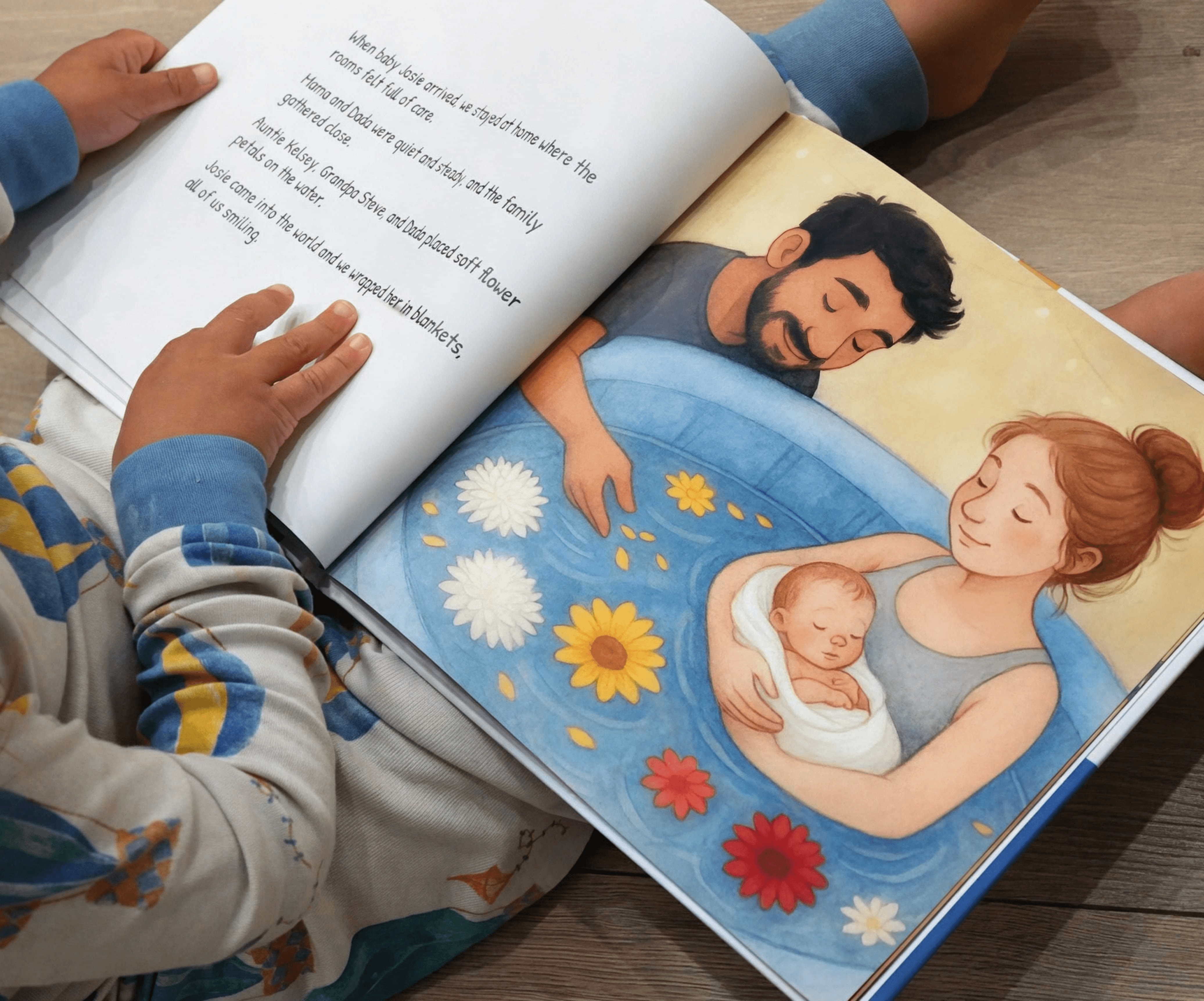
Imagine the look on a child’s face when they open a book and see themselves as the hero. To create your own kids book is one of the most rewarding things you can do—it’s a chance to turn a personal idea into a keepsake that your family will treasure for years.
This guide will walk you through the entire journey, from that first spark of an idea to holding a beautifully printed book in your hands.
Why Create a Personalized Kids Book?
Making a custom storybook goes way beyond a simple craft project. It’s about forging a real, tangible connection with a child. When they see their own life, family, and adventures reflected on the page, it does more than just make them giggle—it builds their self-esteem and sparks a genuine love for reading. Storytime is no longer passive; it becomes an interactive experience all about them.
We’ll break down how to dream up meaningful characters, write a story that pulls them in, and bring it all to life with photos or illustrations. Whether you're a parent wanting to preserve a special bedtime story or a gift-giver looking for something truly unforgettable, you’re in the right place.
The Rise of Independent Storytelling
The good news? It’s never been easier to create your own book. The world of self-publishing is wide open now, thanks to platforms that let anyone bring their vision to life without needing a traditional publisher.
In 2023, the number of self-published titles shot up to over 2.6 million—that's a 7.2% jump from the year before. This shift shows just how many creators are turning to tools like Amazon's Kindle Direct Publishing (KDP), which is used by a staggering 90% of self-publishers. You can read more about this trend over at Publishers Weekly.
A Simple Path from Idea to Print
The whole process can feel a little daunting, but it really boils down to three simple stages: coming up with the idea, creating the content, and printing your final book.
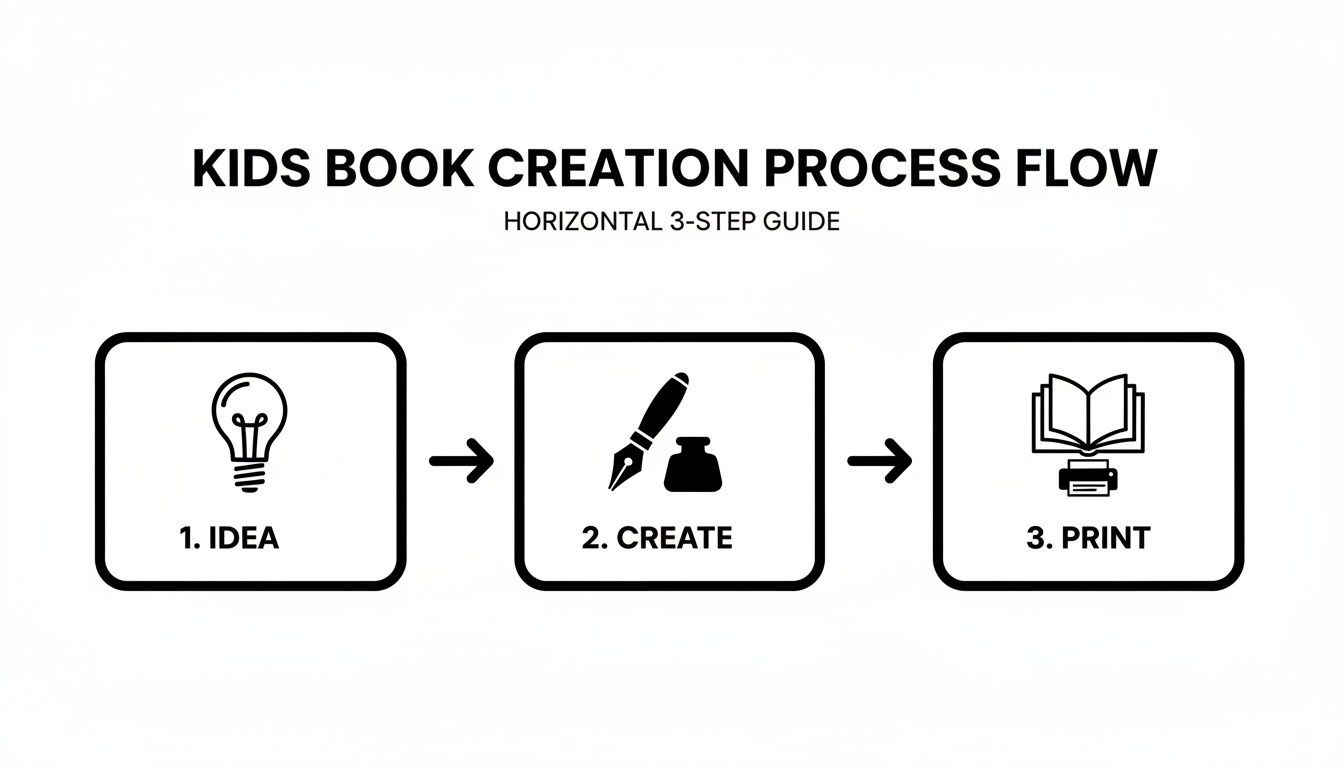
This simple framework proves you don't need to be a professional author or a trained illustrator to create something truly magical. With the right tools and a little guidance, anyone can turn a personal story into a book that a child will hold onto forever.
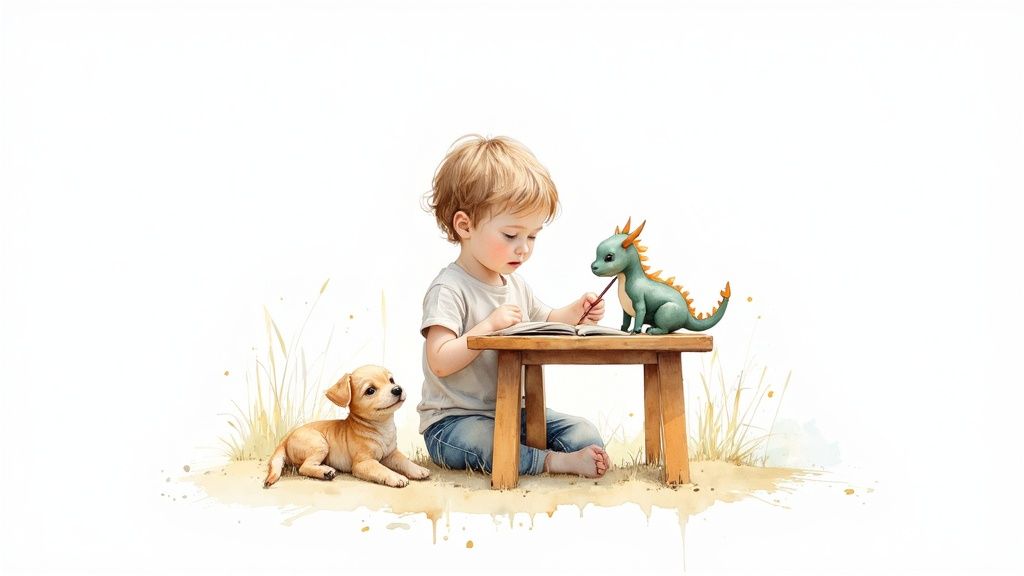
Every great kids' story starts with a simple, heartfelt idea. This is where you find the soul of your book—the one thing that will make it click with the child you’re making it for. Before you even think about writing, just pause and ask yourself: what’s the one feeling or message I want to share?
Is it a story about being brave enough to try something new, like the very first day of school? Or maybe it's a sweet little tale celebrating the friendship between your kiddo and their scruffy, loyal dog. The best ideas almost always bubble up from real life—inside jokes, a favorite family trip, or a silly memory you both share. These are the details that make a custom storybook feel like a warm hug.
Who Is the Hero of This Tale?
Your main character is everything. In a personalized book, the hero is usually the child themselves, which is pure magic. Seeing their own name and face on the page makes them feel seen and instantly pulls them into the adventure.
But your hero doesn't have to be human! It could easily be:
A favorite pet: Imagine the family cat sneaking out for a secret mission in the backyard.
A beloved toy: What if a teddy bear or action figure comes to life after the lights go out?
An imaginary friend: Here, you have total creative freedom to dream up someone fun, quirky, and completely unique.
Whoever you choose, just give them one or two simple, clear traits. Are they super curious? Unbelievably kind? A little bit silly? Sticking to a core quality helps a young reader understand why the character does what they do.
Keep the Story Simple and Sweet
You’re not trying to write a novel here. In fact, when you create your own kids book, the simpler, the better. Most classic children's stories follow a comforting and predictable pattern that’s incredibly easy to recreate.
Just think of it in three parts:
The Beginning: First, introduce your hero and their world. Where are they? At home? In a magical treehouse? This sets the scene and establishes what’s normal before the fun begins.
The Middle: Now, introduce a small, playful problem. Maybe they can’t find their favorite red boots, need to build the world’s tallest pillow fort, or have to solve a riddle from a talking squirrel. This is the heart of the adventure.
The End: Finally, your hero solves the problem! The story wraps up with a feeling of warmth, safety, and accomplishment. This reassuring ending is what makes a child want to read the book again and again.
The goal isn't to create some literary masterpiece. It's to build a story that feels emotionally satisfying and leaves the child with a feeling of warmth and success as you turn that last page together.
Writing a Story Little Readers Will Love
Writing for kids is a totally different ballgame. The real magic isn't in big, fancy words—it's in using simple, clear language to talk about big feelings, fun adventures, and those quiet, cozy moments. Every single word has to earn its spot on the page, working hard to grab a young reader's attention and keep it.
The secret? Write in a way that’s a joy to hear out loud. Think in short, rhythmic sentences that have a natural bounce to them. Kids absolutely love patterns and repetition, so don't be shy about using a recurring phrase, like, "But the little bunny just kept hopping, hopping, hopping!" That kind of predictability is comforting, and it’s a great way to get them to join in.
Making Words an Experience
To really pull a child into the story, you need to get their senses involved. Instead of just saying the soup was hot, you could describe the warm steam tickling their nose. Use vibrant, sensory words that paint a picture they can almost feel, taste, or smell.
And please, don't forget the power of sound words, or onomatopoeia. They turn reading into an interactive game.
A car doesn't just drive, it goes vroom, vroom!
Raindrops don’t just fall, they go pitter-patter on the window.
A friendly ghost might make a gentle whoosh sound.
These playful words are just plain fun to say. They bring the action to life and make storytime feel way more exciting. The language you choose sets the whole tone, whether you're aiming for a gentle, soothing bedtime tale or an upbeat adventure. This is especially true for the little ones, something we explore more in our guide to creating personalized story books for toddlers.
Writing for the Right Age
It's so important to match your language to the child's age. For toddlers, stick to one main idea per page with super simple sentences. For preschoolers, you can start introducing slightly more complex ideas and maybe a simple problem they can follow along with. The goal is always connection, not trying to hammer home a heavy-handed lesson.
The stories we cherish most are the ones that feel personal and relatable. When you create your own kids book, you're not just writing a story; you're building a memory that reminds a child they belong.
This personal touch is why the self-publishing market for children's books is booming. Globally, self-published book sales have hit $1.25 billion a year from over 300 million books sold. Children's nonfiction alone is a strong $433.5 million market. This just goes to show that there’s a huge audience out there hungry for unique, heartfelt stories. (You can dig into more stats on the state of self-publishing at EABooks Publishing).
By keeping your language simple, engaging, and just right for their age, your story can become a treasured favorite for years to come.
Bringing Your Story to Life with Illustrations
In a children's story, the pictures are just as important as the words—sometimes even more so. They're what pull a child into the world you've created, sparking their imagination and making the characters feel like friends. The right visuals can turn a simple narrative into a full-blown adventure.
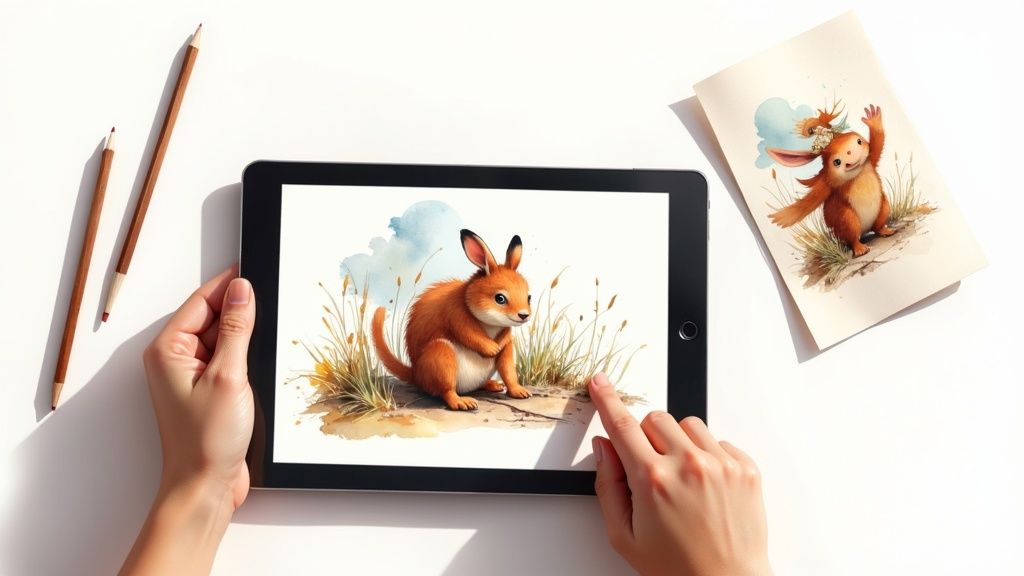
But what if you can’t draw a stick figure to save your life? That’s perfectly okay. I hear this all the time, and the truth is, you don’t need to be a professional artist to create a beautiful book.
When you create your own kids book, what truly matters is the heart behind the art, not technical perfection. There are so many ways to bring your story to life visually, and finding the right fit for your skills and vision is part of the fun.
Finding Your Creative Style
First things first, what kind of feel are you going for? Do you picture soft, hand-drawn animals, or do you want to see your child's actual smiling face on the page? Each approach creates a different kind of magic.
Here are a few popular routes people take:
Hand-Drawn Illustrations: If you love to doodle, sketch, or paint, this is your moment! You can use anything from colored pencils and watercolors to digital tools like Procreate on an iPad. Just aim for a consistent look for your characters and settings from page to page.
Personal Photos: This is my personal favorite for creating an instant connection. Weaving in real pictures of your child, family members, and even the family dog makes the story undeniably theirs. It’s a powerful way to transform a regular Tuesday into an epic quest.
Digital Collages: A great middle-ground if you have a good eye for design but don't want to draw everything from scratch. You can layer textures, simple shapes, and photos to build charming, one-of-a-kind scenes.
AI Art Generation: This is a game-changer. Modern tools can whip up custom illustrations based on simple text descriptions. You can describe a scene—"a little girl in a red coat flying a kite on a windy hill"—and watch it appear like magic. It's a fantastic way to get professional-looking art fast.
No matter which path you choose, the most important thing is that the illustrations consistently reflect the tone and heart of your story. A warm, gentle tale pairs well with soft watercolors, while a zany, adventurous story might call for bold, bright digital graphics.
Choosing Your Illustration Method
Deciding on the right method can feel overwhelming, so here’s a quick breakdown to help you figure out what makes the most sense for you.
Method | Best For | Pros | Cons |
|---|---|---|---|
Hand-Drawn | Artistic parents who want a truly personal, hands-on touch. | Unique and heartfelt; complete creative control. | Time-consuming; requires artistic skill and confidence. |
Personal Photos | Making the child the star of their own story for maximum personalization. | Creates a deep, instant connection; no drawing skills needed. | Can be tricky to blend photos into a fantasy narrative. |
Digital Collage | Creatives who are comfortable with basic design tools but not drawing. | Visually unique; forgiving and flexible to edit. | Can have a steep learning curve with software like Photoshop. |
AI Generation | Anyone wanting professional-quality, custom art without the time or skill. | Incredibly fast; consistent style; endless possibilities. | Requires clear prompts; less of a "handmade" feel. |
Ultimately, the best method is the one that gets you excited to create. There’s no right or wrong answer—only what works for your story.
Getting Your Artwork Ready to Print
Okay, you’ve got your illustrations! Now for a quick but crucial technical step: making sure they look as good on paper as they do on your screen. Getting this right prevents the disappointment of a blurry or pixelated book.
The single most important factor here is resolution. For printing, every single image needs to be at least 300 DPI (dots per inch). Most pictures you save from the internet or snap on your phone are only 72 DPI, which looks fine on a screen but will print out fuzzy. Always, always check your image settings before you call it done.
Also, think about where the words will go. When you’re creating your illustrations, remember to leave some “white space” or less-busy areas for the text. You don’t want your beautiful story covering up a character’s face. This simple bit of planning keeps the book easy to read and makes the whole design feel more professional.
Printing and Publishing Your Book
This is the moment. It’s when your project transforms from a file on your computer into a real, physical book you can hold in your hands. It's an incredible feeling! But navigating the world of printing can feel a bit technical at first. Don’t worry; it's much simpler than it seems, especially with today's tools.
For a personal project like this, the easiest and most accessible route is print-on-demand (POD). Services like Amazon's Kindle Direct Publishing (KDP) or IngramSpark are perfect when you want to create your own kids book without having to order a huge, expensive batch.
With POD, you can print just a single copy or a small handful, which is ideal for a special gift. There's zero upfront inventory cost, and that removes a huge barrier for creators just wanting to make something magical for their family.
Choosing the Right Book Format
Before you hit "print," you'll need to make a few key decisions about how your book will look and feel. Each choice adds to the overall experience of reading your story.
Hardcover vs. Paperback: Hardcovers are super durable, feel more premium, and are built to last through countless bedtime readings. They're my go-to for a keepsake. Paperbacks are more flexible and budget-friendly, making them a great option if you plan to share multiple copies with family.
Page Finish: You'll typically choose between glossy and matte. Glossy pages make colors pop and are fantastic for vibrant, photo-heavy books. A matte finish gives a softer, more classic feel with less glare, which can be a little easier on the eyes.
Book Size: An 8x8 inch square format is a really popular choice for children's books. It's easy for little hands to hold and gives you a great canvas for illustrations and text.
Just think about how the book will be used. A sturdy hardcover with glossy pages might be perfect for a toddler, while a lightweight paperback could be great for an older child who wants to carry it around. For a deeper dive into all the options, check out our complete guide on how to create a children's book online.
Finalizing Your Files for Print
Getting your files ready for the printer is the last technical hurdle. Trust me, this part is worth a little extra attention. Printers have very specific requirements to make sure your book looks professional, not homemade.
The goal here is to upload a flawless file so what you see on your screen is exactly what you get in print. Always double-check your printer’s guidelines for bleed, margins, and cover dimensions to avoid any frustrating surprises.
Your interior pages and cover will need to be submitted as separate files, almost always high-resolution PDFs. The cover file is especially important; it has to include the front, back, and spine all in one perfectly sized document.
Thankfully, most POD services provide templates that make this part pretty foolproof. Taking those few extra minutes to follow their specs will pay off with a beautifully finished book you'll be so proud to share.
Turning Your Book Into a Treasured Gift
The journey doesn’t stop once the book arrives in the mail. In fact, that's when the real magic begins. When you create your own kids book, you’re crafting so much more than a story—you’re making a memory, and the moment you gift it should feel just as special.
A few thoughtful touches can transform this gift into a cherished experience. Before you even think about wrapping it, find a good pen and write a heartfelt note on the inside cover. Explain why you made the book, what you hope they feel when they read it, and add the date. This small inscription turns the book into a time capsule of your love.
Pair Your Story with the Perfect Companion
Want to take it one step further? Elevate the moment by pairing the book with a little something that brings the story into the real world. This simple addition makes the narrative tangible and sparks imaginative play long after storytime is over.
A few simple but impactful ideas:
A soft stuffed animal of the story’s main character.
A set of art supplies for them to draw their own adventures.
Pajamas that match the hero’s outfit in the story.
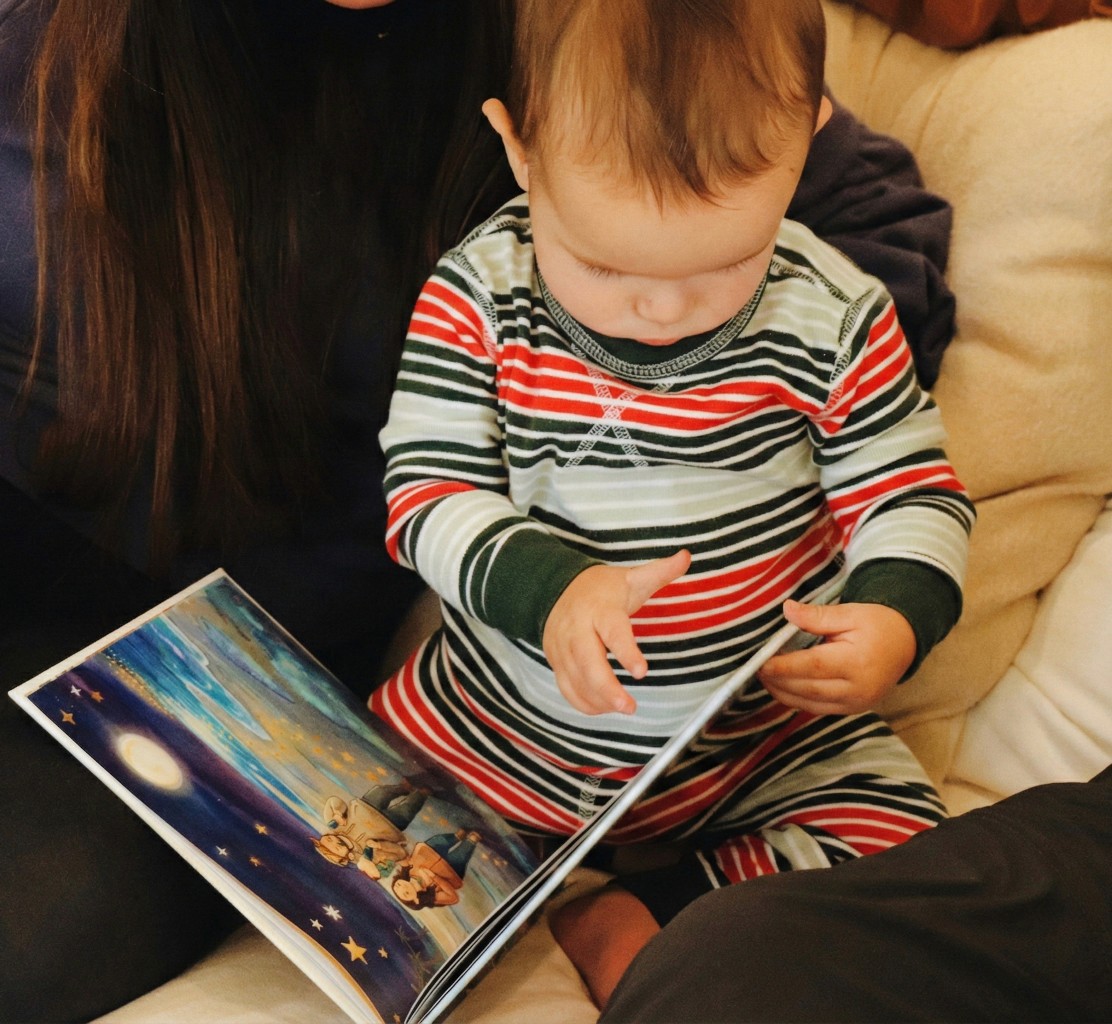
The goal is to make the first reading an event. Turn off the TV, snuggle up together, and make a big deal out of turning that first page. This shared moment of connection is what fosters a genuine, lifelong love for reading.
These keepsakes are especially meaningful for new parents. If you're looking for more inspiration on how to make baby book moments last, we have a whole guide dedicated to it.
Questions We Hear All The Time
Jumping into a project like this always brings up a few questions. Trust me, we've heard them all—from "How much does just one book cost?" to "But I can't even draw a stick figure!" Let's clear up some of the most common worries we see from parents ready to create their own kids book.
One of the first things everyone wants to know is about the cost. It’s a fair question. The great news is that modern print-on-demand services have completely changed the game. You can print a single, beautiful hardcover book for around $20-$30, depending on how many pages you have and the finishes you choose. No need to order a hundred copies just to get one for your little one.
Right after that, people ask about length. What’s the sweet spot for a kids' book? For younger kids (think ages 2-6), a 24 to 32-page book is perfect. That usually works out to about 500-700 words. We're talking just a sentence or two per page, which is just right for keeping short attention spans hooked without overwhelming them.
What If I’m Not a Writer or an Artist?
This is, hands down, the biggest hesitation we see. And it's the one that shouldn't stop anyone. You don't have to be a professional author or a trained illustrator to make something truly magical.
Modern tools, like the AI platform we’ve built, are designed specifically for this. You bring the ideas and the love; the tools help you weave them into a story and generate gorgeous, custom illustrations from a few simple words. The goal isn't a literary masterpiece—it's heartfelt storytelling.
Remember, the most powerful part of a personalized book is its heart. Your voice, your memories, your inside jokes—that’s what makes it magical for your child, not perfect grammar.
Finally, what about copyright? It's simpler than you think. When you create a story, you automatically own the copyright to your original words and any pictures you create yourself. It’s your story, period. If you use AI tools, it’s always smart to check their terms of service on image ownership, but for a personal keepsake book, this is rarely ever an issue.
Ready to turn your family's best moments into a storybook they’ll treasure forever? At Once Upon A Memory Books LLC, our simple, AI-powered tools help you create a beautiful, personalized hardcover book in just a few minutes.