Blog
8 Unforgettable Children's Book Writing Prompts for 2026
Unlock creativity with these 8 powerful children's book writing prompts. Turn family memories into cherished stories your kids will love reading.
Every parent holds a universe of stories inside them, the inside jokes, the scraped knees, and the vacation triumphs that define a childhood. But turning those fleeting memories into a book your child will beg to read again can feel daunting. The blank page is often the biggest hurdle. Where do you even begin?
This guide is your starting point. It cuts through the creative block with actionable, heartfelt children's book writing prompts designed to transform your unique family moments into captivating narratives. We will explore eight distinct categories, each packed with specific ideas, examples, and practical tips to help you move from a simple concept to a finished story.
These prompts are the building blocks for crafting a personalized adventure that truly resonates with your little one. Whether you're aiming to create a simple DIY bedtime story tonight or a beautiful keepsake book with a service like Once Upon A Memory Books, the following ideas provide the creative spark you need. Get ready to honor your child’s one-of-a-kind journey, celebrate their personality, and build a story they will cherish for years to come. Let's turn your family's best moments into their favorite book.
1. Photo-Based Memory Narratives
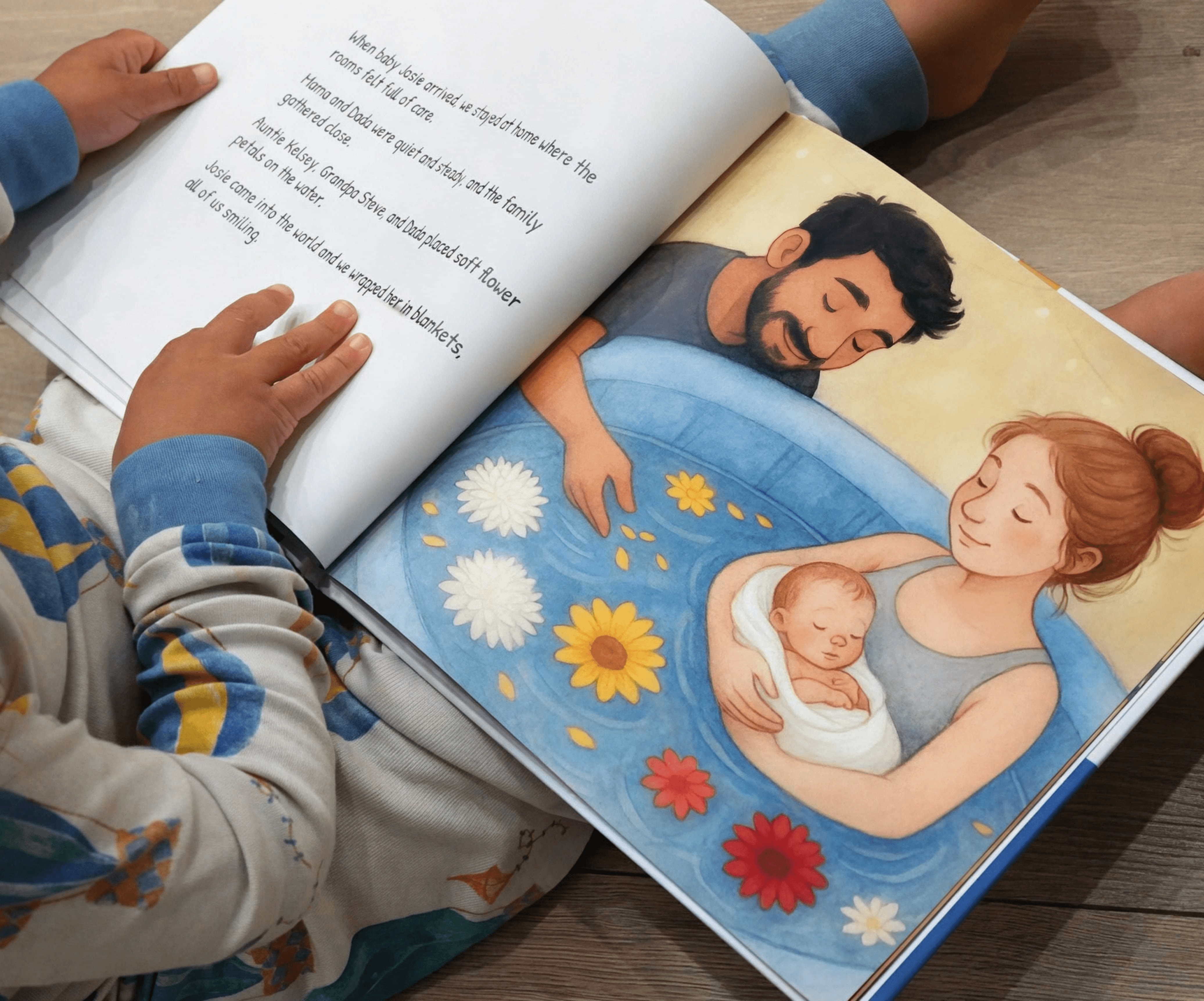
Photo-based memory narratives transform real-life moments captured in photographs into enchanting stories. Instead of inventing a character from scratch, this method casts the child as the hero of their own tale, using actual events as the story's foundation. This approach is one of the most personal and impactful children's book writing prompts because it builds a powerful connection between the story and the child's lived experiences.
By observing details in an image, such as a joyful expression, a unique setting, or a cherished toy, you can weave a narrative that gives emotional context to a memory. The story becomes a bridge between a static image and a dynamic, meaningful event, reinforcing a child's sense of self and family identity.
Why This Prompt Works
This method is highly effective because it leverages familiarity and emotional resonance. Children are naturally drawn to stories about themselves. Seeing their own face and experiences reflected in a book validates their importance and makes reading a deeply personal activity. Companies like Once Upon A Memory specialize in turning family vacations and milestones into bespoke adventure narratives, while services like Shutterfly and Artifact Uprising offer tools to create personalized photo-narrative books.
How to Implement This Prompt
Follow these actionable tips to turn your family photos into a compelling story:
Select Photos with Action and Emotion: Choose pictures that show clear feelings or activities, not just posed group shots. A photo of a child laughing while splashing in a puddle has more narrative potential than a static family portrait.
Let the Child Choose: Increase their engagement by allowing them to pick their favorite photos. Ask them questions like, "What do you remember about this day?" or "How did you feel in this picture?" to gather story details.
Build a Narrative Arc: Arrange photos to tell a story with a beginning, middle, and end. For example, a series of photos from a beach trip could start with packing the car, move to building a sandcastle, and end with watching the sunset.
Incorporate Sensory Details: Describe what was happening beyond the frame. Mention the smell of the salty air, the sound of the waves, or the warmth of the sun to create a richer, more immersive experience. You can learn more about creating personalized narratives from photos in this guide to family picture books.
2. Character-Centered Adventure Prompts
Character-centered adventure prompts place the child at the heart of an exciting quest, making their unique personality traits, skills, and interests the driving force of the story. Instead of a generic hero, the child becomes a brave explorer or a clever problem-solver in a narrative built around what makes them special. These children's book writing prompts transform storytelling into a celebration of the child's individuality.
By focusing on their specific strengths and even their real-life challenges, the adventure becomes more than just an entertaining tale; it’s a narrative that builds confidence and resilience. The story is crafted to show them that their own qualities, whether it's kindness, curiosity, or bravery, are the very tools they need to overcome obstacles and succeed.
Why This Prompt Works
This prompt is incredibly effective because it empowers children by reflecting their best qualities back at them within an engaging, action-driven plot. Stories like Maurice Sendak's Where the Wild Things Are show how a child's big emotions can fuel an imaginative adventure. Similarly, Puffin's 'Personalised Adventure' series places the child directly into thrilling scenarios, validating their potential to be heroic. This method makes reading an active experience of self-discovery and empowerment.
How to Implement This Prompt
Follow these actionable tips to create a compelling character-centered adventure:
Identify Core Strengths: Interview the child about what they are proud of. Ask questions like, "What makes you feel brave?" or "What are you really good at?" Use their answers to define their "superpowers" in the story.
Incorporate Real-Life Triumphs: Weave in obstacles they've already overcome, such as learning to ride a bike or making a new friend. Framing these achievements as part of a grander adventure reinforces their sense of accomplishment.
Use Familiar Settings: Set the adventure in a place they love, like a local park, their own backyard, or a favorite vacation spot. This grounds the fantasy in reality and makes the story feel more personal and believable.
End with a Lesson in Growth: Conclude the story with the character reflecting on what they learned or how they grew. This helps them connect the fictional adventure to their own potential for developing new skills and confidence.
3. Family Relationship & Bond Prompts
Family relationship and bond prompts center on the connections between a child and their loved ones, such as siblings, parents, and grandparents. These narratives transform shared experiences and emotional bonds into treasured stories. This approach uses the unique dynamics of a family as its core theme, making it one of the most heartwarming children's book writing prompts available.
By focusing on specific interactions, like a grandparent teaching a recipe or siblings inventing a secret handshake, you can create a narrative that celebrates connection and belonging. The story becomes a powerful keepsake that honors multi-generational relationships, reinforces family values, and strengthens a child's sense of security and identity within their family unit.
Why This Prompt Works
This method is effective because it taps into the foundational relationships that shape a child's world. Stories that reflect their own family life, like The Kissing Hand or Guess How Much I Love You, provide comfort and validation. Children see their own feelings and connections mirrored in the narrative, which makes the story deeply resonant and reassuring. The goal is to capture the small, meaningful moments that define a family's unique bond.
How to Implement This Prompt
Follow these actionable tips to craft a story that celebrates your family's special connection:
Incorporate Family Traditions: Weave specific rituals into the story, whether it's a special holiday recipe, a weekly game night, or a unique bedtime song. These details make the narrative authentic and personal.
Highlight Personality Quirks: Capture the humor and charm of each family member. Does Grandpa tell silly jokes? Does an older sibling have a distinctive laugh? Including these traits brings characters to life.
Create Gentle, Resolvable Conflict: Introduce a small, relatable challenge that the family overcomes together, like learning to share a toy or comforting someone after a bad dream. This teaches emotional intelligence and reinforces the strength of family support. You can explore this theme further in this guide to creating a personalized sibling book.
Focus on a Core Emotion: Center the story around a single powerful feeling, such as love, support, or teamwork. For example, a story could be about how the family works together to build a fort on a rainy day, highlighting collaboration and fun.
4. Pet & Animal Companion Stories
Pet and animal companion stories place a child's beloved pet at the heart of the narrative, transforming them from a simple companion into a hero, magical guide, or loyal confidant. This prompt taps into the profound emotional bond children form with animals, creating tales that are both exciting and deeply personal. Instead of a generic animal character, the story features their own pet, complete with its unique name, quirks, and personality. These are some of the most emotionally resonant children's book writing prompts because they celebrate a relationship built on unconditional love and trust.
By focusing on a pet, you can explore themes of friendship, responsibility, and empathy in a way that feels natural and relatable to a child. The story can turn an ordinary day at the park into a grand adventure or imagine the secret life the pet leads when no one is watching, making the familiar magical.

Why This Prompt Works
This method is powerful because it validates the significance of a child's relationship with their pet. Stories like Charlotte's Web or the Mercy Watson series show how animal characters can be complex, wise, and central to a story's emotional core. When a child sees their own pet cast in a similar heroic or pivotal role, it reinforces their feelings of connection and makes the story an instant favorite. The narrative becomes a celebration of their special friend.
How to Implement This Prompt
Follow these actionable tips to create a captivating story about a child's animal companion:
Capture Their True Personality: Focus on your pet’s actual quirks. Does your cat always nap in a sunbeam? Does your dog get the "zoomies" after a bath? Weave these specific, charming behaviors into the plot to make the character feel authentic.
Give the Pet a Special Role: Make the animal more than just a background character. The pet could be a brave protector on a quest, a wise mentor who offers advice, or the key to solving a fun mystery.
Use the Pet as an Emotional Anchor: The story can show the pet comforting the child during a sad moment or sharing in their joy during a celebration. This reinforces the pet’s role as a source of emotional support and unconditional love.
Explore What the Child Learns: A story can gently explore themes of loyalty, patience, or the joy of caring for another living being. For a deeper look into this process, you can explore this guide on creating a customized pet story.
5. Milestone & Transition Event Prompts
Milestone and transition event prompts create stories that guide children through significant life changes. These narratives address common developmental milestones like starting school, moving to a new house, or becoming a big sibling. Instead of just celebrating the event, this approach creates a safe, narrative space for children to process their feelings, fears, and excitement about what lies ahead.
These stories act as both a preparation tool and a celebration of growth. By framing a potentially scary transition as a heroic adventure, the child is empowered to face the change with confidence. This is one of the most purposeful children's book writing prompts because it directly addresses a child’s immediate emotional needs and helps them build resilience.
Why This Prompt Works
This method is effective because it provides a roadmap for unfamiliar experiences. Major life changes can be overwhelming for young children, and stories offer a way to explore these situations in a controlled, reassuring manner. Books like The Kissing Hand masterfully tackle the anxiety of starting school, while "I'm a Big Sister/Brother" books help older siblings adjust to a new baby. The narrative normalizes complex emotions and provides coping strategies.
How to Implement This Prompt
Follow these actionable tips to create a supportive story for an upcoming milestone:
Create the Story Proactively: Write and read the story before the transition occurs. Repeated readings in the weeks leading up to the event, like a move or the first day of camp, can significantly ease anxiety.
Acknowledge All Feelings: A great story validates a child's full range of emotions, not just the positive ones. Include moments where the main character feels a little scared or sad, then show them successfully navigating those feelings with support.
Incorporate Real-Life Details: Make the story highly specific to your child's situation. Mention the name of their new teacher, the color of their new bedroom, or the specific things they can do to help with the new baby.
Emphasize Support and Success: Throughout the narrative, show family members offering love and reassurance. The story should always end with the child successfully and happily navigating the new situation, celebrating their bravery and growth.
6. Magical & Imaginative Extension Prompts
Magical and imaginative extension prompts blend a child's real life with fantastical elements. This approach takes a familiar person, place, or event and introduces a magical twist, such as a hidden power, an enchanted object, or a secret world. These children's book writing prompts encourage imaginative thinking by grounding extraordinary adventures in the child's own reality.
By starting with the child as the hero and then adding a layer of magic, the story becomes both relatable and exciting. A regular trip to the park can transform into a quest to find a talking squirrel, or a favorite toy could suddenly grant wishes. This blend makes abstract concepts like courage and problem-solving feel personal and accessible.

Why This Prompt Works
This method is powerful because it validates a child’s inner world and creativity. Stories like Matilda and the Percy Jackson series show that ordinary kids can have extraordinary abilities, empowering young readers to see the magic within themselves. This approach taps directly into a child's natural inclination for make-believe. To truly unlock this creativity, it helps to understand the power of imaginative play and how it shapes cognitive development.
How to Implement This Prompt
Follow these actionable tips to add a touch of magic to your child’s story:
Start with a Real-World Anchor: Base the story in a familiar setting, like the child's bedroom, backyard, or school. Then, introduce one magical element, such as a tree that whispers secrets.
Let the Child Define the Magic: Ask them, "If you could have any superpower, what would it be?" or "What if your favorite stuffed animal could talk?" Use their answers to shape the narrative and increase their investment in the story.
Establish Clear "Magic Rules": Define how the magic works early on and stick to those rules. For example, a magical crayon might only work under the light of the moon. Consistency makes the fantasy believable.
Use Magic to Solve a Real Problem: Connect the fantastical element to a real-world challenge the child might face, like making a new friend or overcoming a fear. The magic becomes a tool for building confidence and resilience.
7. Social-Emotional Learning & Values Prompts
Social-emotional learning and values prompts transform storytelling into a gentle teaching tool for life's important lessons. Instead of lecturing, this approach embeds concepts like kindness, courage, and honesty into a narrative where the child is the hero. These children's book writing prompts are powerful because they allow a child to explore complex emotions and social situations in a safe, relatable context.
By framing a value within a story, you can help a child understand abstract ideas through concrete actions. The narrative becomes a practical demonstration of how to navigate feelings, solve problems, or show empathy, making it a supportive guide for their emotional and moral development.
Why This Prompt Works
This method is effective because it ties learning directly to a child's world, making abstract values tangible and meaningful. Children learn best through modeling and practice, and these stories provide a "rehearsal" space for real-life challenges. Books like Todd Parr's The Feelings Book help normalize emotional expression, while classic Winnie the Pooh stories explore friendship and loyalty. This narrative approach turns a lesson into an empowering adventure.
How to Implement This Prompt
Follow these actionable tips to create a story that teaches values and emotional skills:
Root the Story in a Real Experience: Base the narrative on a recent event where the child demonstrated or struggled with a value. For example, a story about sharing could be based on a recent playdate.
Show Struggle, Not Just Perfection: Create a more relatable hero by showing them making mistakes, feeling confused, and then learning. This teaches resilience and normalizes the learning process.
Name Emotions Explicitly: Use clear emotional language like, "You felt frustrated when the blocks fell," or "It made your friend feel happy when you shared." To help children explore and understand their emotions through storytelling, consider these valuable emotional intelligence activities for kids.
Let the Child Be the Problem-Solver: Guide the narrative so the child protagonist comes up with the solution themselves. This builds their confidence and critical-thinking skills, rather than having an adult solve everything.
8. Seasonal & Holiday Celebration Prompts
Seasonal and holiday celebration prompts use annual traditions like birthdays, cultural festivities, and holidays as the backdrop for a story. This approach taps into the excitement and anticipation that children naturally feel for these special occasions, turning familiar rituals into magical narratives. These children's book writing prompts are perfect for creating keepsakes that can be revisited year after year.
By focusing on the unique details of a family's traditions, you can craft a story that is both timeless and deeply personal. The narrative can capture the sensory experiences, cherished activities, and emotional significance of these events, transforming a fleeting celebration into a lasting memory.
Why This Prompt Works
This prompt is effective because it anchors stories in joy, anticipation, and tradition. Holidays and seasons are powerful memory-makers, and a book that reflects a child's own experience of Christmas morning or a summer vacation reinforces their sense of belonging and family identity. Classics like The Polar Express capture the magic of a holiday journey, while personalized books from services like Hallmark allow children to see themselves at the center of their favorite celebration.
How to Implement This Prompt
Follow these actionable tips to create a story based on seasonal or holiday events:
Focus on Specific Family Rituals: Instead of a generic holiday theme, include your unique traditions. Do you always bake a special kind of cookie, visit a particular place, or sing a certain song? Weave those details into the plot.
Build the Anticipation Arc: If the story takes place before the main event, focus on the buildup. Describe the excitement of counting down the days, helping with preparations, or guessing what surprises are in store.
Incorporate Sensory Details: Describe the smell of pine needles at Christmas, the taste of birthday cake, or the sound of fireworks on New Year's Eve. These details make the story more immersive and memorable.
Include Extended Family and Friends: Holidays are often about community. Feature beloved grandparents, cousins, and friends who are part of your celebrations to make the story richer and more inclusive.
8-Point Comparison of Childrens Book Writing Prompts
Prompt Type | 🔄 Implementation Complexity | ⚡ Resource Requirements | ⭐ Expected Outcomes | 📊 Ideal Use Cases | 💡 Key Advantages |
|---|---|---|---|---|---|
Photo-Based Memory Narratives | Medium — requires photo curation and contextual notes | Low–Medium — family photos + parent input; occasional designer/editor | Highly personalized emotional keepsake; strong identification by child | Family keepsakes, milestone books, gifts for grandparents | Anchored authenticity and nostalgia; eases writer's block |
Character-Centered Adventure Prompts | Low — follows established hero/quest structure | Low — child interest profile and simple plot scaffolding | Confidence-building, action-driven engagement | Active or timid children needing confidence, school-start stories | Boosts agency; easy to adapt across ages |
Family Relationship & Bond Prompts | Medium — requires input from multiple relatives and sensitivity | Medium — contributions from family members, anecdotes | Multigenerational keepsake; strengthens belonging and family identity | Grandparent gifts, sibling relationships, blended-family processing | Deep emotional resonance; great for shared readings |
Pet & Animal Companion Stories | Low — straightforward if pet details available; emotional care advised | Low — pet descriptions, photos, behavioral notes | Empathy-building; therapeutic for pet loss; high relatability | Children with pets, memorials, empathy development | Leverages strong child–pet bonds; highly shareable |
Milestone & Transition Event Prompts | Medium — timing-sensitive; must balance realism and reassurance | Medium — details about upcoming transition; input on fears/support | Reduces anxiety; prepares child for change; celebrates growth | Starting school, moving, new sibling, potty training | Effective preparation tool; supports resilience |
Magical & Imaginative Extension Prompts | Low–Medium — needs consistent magic rules and real grounding | Low — child's interests + creative worldbuilding | Sparks creativity; highly entertaining and re-readable | Imaginative children, creativity exercises, making ordinary special | Blends wonder with reality; encourages “what if” thinking |
Social-Emotional Learning & Values Prompts | Medium — requires developmental alignment and subtlety | Medium — knowledge of child's experiences; educator/therapist input useful | Improved emotional literacy; prompts family conversations | SEL in classrooms, therapy, addressing specific social challenges | Teaches values implicitly; supports parent/educator goals |
Seasonal & Holiday Celebration Prompts | Medium — timing and cultural sensitivity critical | Medium — details of traditions, sensory specifics; lead time important | Strong seasonal resonance; becomes annual re-read and gift item | Holiday gifts, birthdays, building annual family traditions | High gifting potential; repeat demand tied to seasons |
Your Family's Story Is Waiting to Be Told
The journey from a simple idea to a cherished bedtime story is shorter and more accessible than you might think. Throughout this guide, we've explored a wide range of children's book writing prompts, each designed to unlock the unique narratives hidden within your family's daily life. From the nostalgic power of photo albums to the imaginative adventures of a beloved pet, you now have a comprehensive toolkit to start crafting tales that truly resonate.
The real magic isn't in finding a "perfect" idea; it's in recognizing that your family's experiences are already the perfect source material. The prompts we've covered, whether focused on major milestones or quiet emotional lessons, all share a common thread: they center your child's world. This is the key to creating a story that doesn't just entertain but also validates, teaches, and strengthens the bonds you share. You are the foremost expert on your child, and that expertise is your greatest asset as a storyteller.
From Prompt to Page: Your Actionable Next Steps
To transform inspiration into a tangible story, it's crucial to move from brainstorming to action. Here’s a simple, effective path forward:
Select Your Starting Point: Revisit the categories we discussed. Does a recent family photo spark a memory (Photo-Based Prompts)? Is your child navigating a new social situation (Social-Emotional Prompts)? Choose one prompt that feels exciting and relevant right now.
Outline the Core Elements: Don't worry about prose just yet. Jot down the simple beginning, middle, and end. Who is the hero (your child)? What is their simple goal or challenge? How is it resolved in a positive, reassuring way?
Incorporate Personal Details: This is what makes the story yours. Weave in the name of their favorite stuffed animal, the funny sound the dog makes, or a specific phrase they always say. These small, authentic details transform a generic template into a treasured, personal narrative.
Focus on the Feeling: Ultimately, your story is about an emotional connection. Whether it's the comfort of a holiday tradition or the pride of learning a new skill, identify the core feeling you want your child to take away from the story and make that your guiding star.
By following these steps, you shift the focus from "writing a book" to simply "telling a story." You're not aiming for a literary masterpiece; you're aiming for a moment of connection, a shared laugh, and a memory captured. The most powerful children's book writing prompts are the ones that lead to these meaningful moments. You have the stories, the characters, and the love to bring them to life. All that's left is to begin.
Ready to turn your favorite family memories and story ideas into a professionally crafted, beautifully illustrated keepsake book? Once Upon A Memory Books LLC uses a simple, AI-assisted process to help you transform your photos and personal details into a stunning hardcover book your child will treasure forever. Start creating your custom story today at Once Upon A Memory Books LLC.