Blog
Memory books for preschoolers: Boost literacy and family bonds
Discover memory books for preschoolers and how they boost literacy, emotional intelligence, and family bonds.
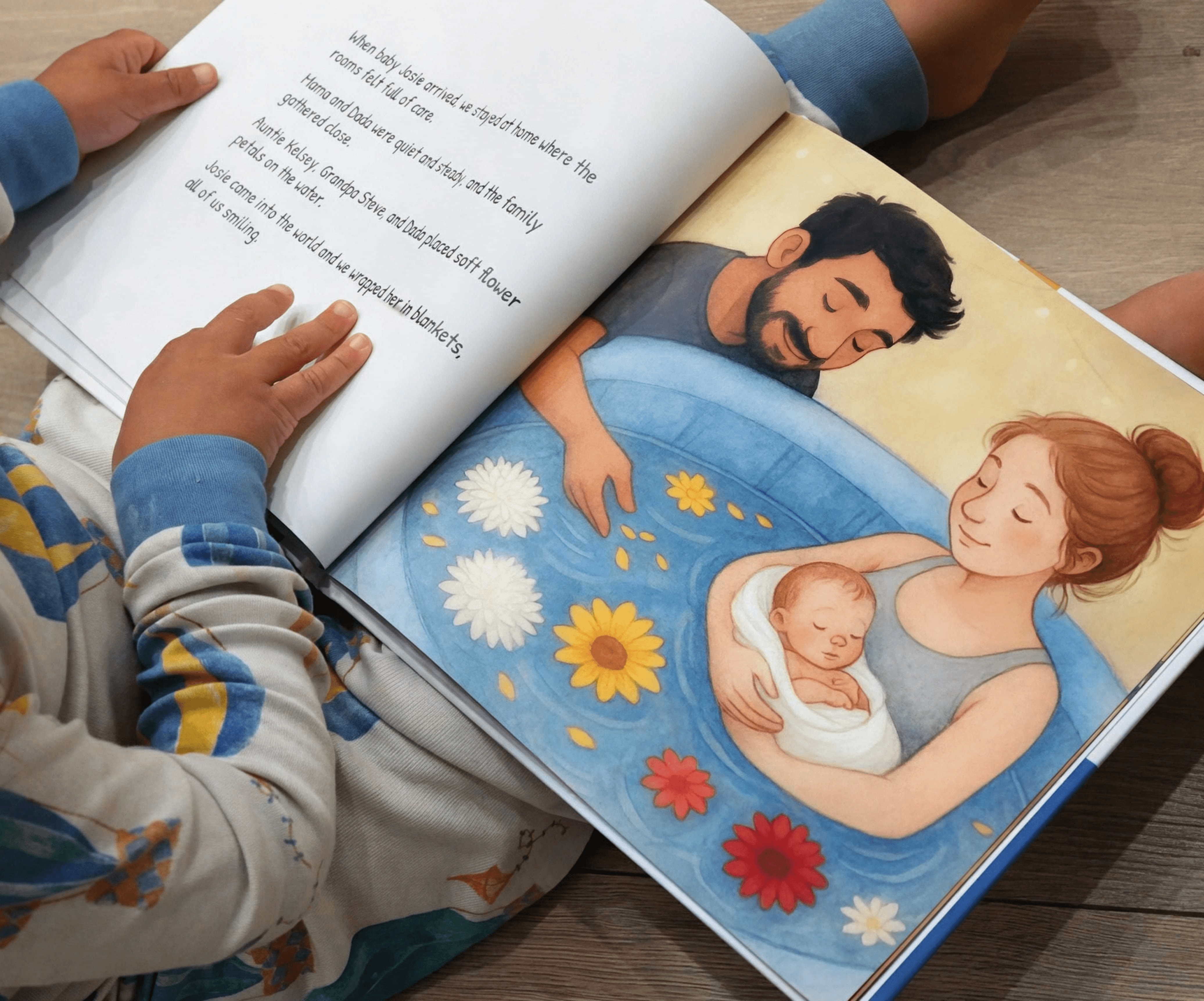
Picture this: a storybook where your child is the hero of every adventure. That’s the real magic behind a memory book for preschoolers. These aren't just photo albums; they're personalized stories that transform your child’s real-life moments into a beautiful book they'll want to read again and again.
What Are Preschool Memory Books and Why Are They So Powerful
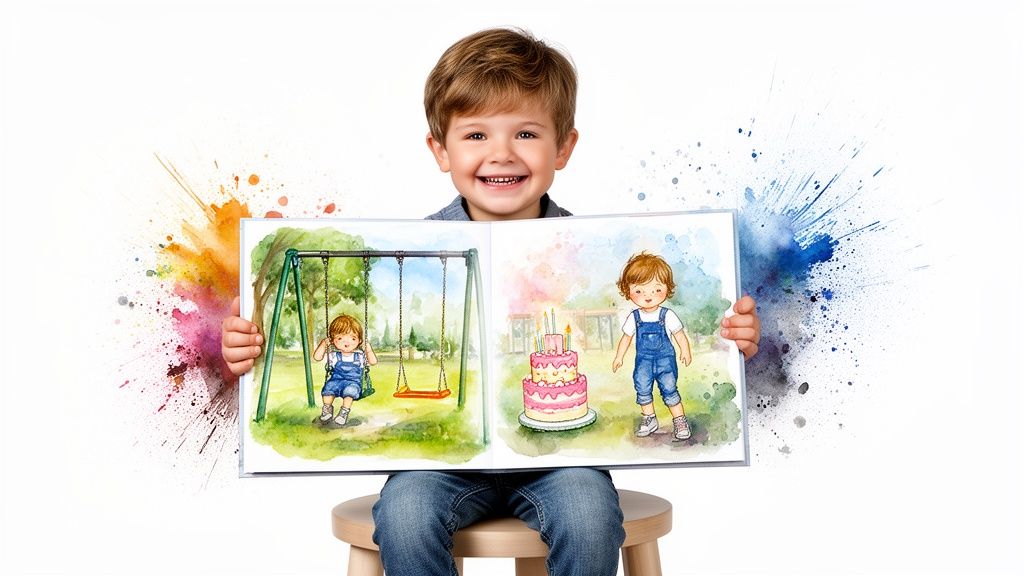
Think of a preschool memory book as your child's very own time capsule, but one built for snuggling up and reading together. Instead of just slotting photos onto a page, these books weave your child’s own adventures into a beautifully illustrated story.
A simple trip to the park becomes a heroic quest. Learning to tie their shoes is a moment of triumph. A family vacation transforms into a legendary journey. Suddenly, everyday moments are elevated into cherished tales where your little one is the star.
More Than Just a Photo Album
A traditional scrapbook is great for storing memories, but a memory book brings those memories to life. It wraps a real story around the pictures, giving context to each smile and scraped knee. This helps your preschooler connect with the feelings and events behind each photo, which is what makes these books so incredibly powerful.
They’re a launchpad for so much growth:
Early Literacy: Seeing their own name and life printed in a real book makes reading instantly exciting and personal. It clicks.
Self-Esteem: When you’re the hero of your own story, it reinforces your sense of importance and value in the world.
Emotional Connection: Reading their story together creates a special ritual—a quiet moment of bonding for the whole family.
A memory book doesn’t just document the past; it builds a bridge between a child's experiences and their developing sense of self. It’s a tool for connection, conversation, and confidence.
This desire for meaningful keepsakes is part of a bigger picture. The children's picture book market is growing—projected to hit USD 12.4 billion in 2025—as parents look for tools that support both literacy and emotional well-being. In fact, some research shows that preschoolers who read personalized stories can grow their vocabulary up to 20% faster than their peers.
Modern tools now make it simple to turn your favorite photos and memories into a professional-quality heirloom. It’s never been easier for a parent to create a beautiful, lasting keepsake that your child will treasure for years. You can find out more about creating personalized books for preschoolers and see just how much they can do for your child.
The Developmental Benefits of Personalized Storytelling
Personalized memory books do more than just collect cute photos—they’re quiet powerhouses for your preschooler’s growing brain. Think of it this way: a regular storybook is a window into someone else's world. A personalized memory book is a mirror.
It reflects your child's own life right back at them, validating their experiences and making them the hero of the story. This simple shift, from observer to main character, is where the real magic happens. Reading transforms from a passive activity into a deeply personal journey, sparking growth in some pretty amazing ways.
H3: Igniting Early Literacy and Language Skills
When a preschooler sees their own name, face, and memories in a book, reading suddenly clicks. The story of "Leo's Big Trip to the Beach" is way more exciting to Leo than a random story about a boy he’s never met. That personal connection is a huge motivator for learning.
It's a connection the children's book market has noticed, too. The U.S. personalized children's books sector was valued at USD 661.49 million in 2024 and is expected to climb to USD 1,128.52 million by 2032. Some industry experts even suggest that personalized books can boost a child's interest in reading by as much as 35%—a massive leap for little learners.
This approach helps build those crucial pre-reading skills without them even realizing they're learning.
Word-to-World Connection: They start linking printed words to their own life—their toys, their feelings, their family. This makes learning new words faster and far more meaningful.
Narrative Structure: By following a story about themselves, they naturally absorb the basics of a narrative: a beginning, middle, and end.
Print Awareness: They learn that the squiggles on the page tell their story, that you read from left to right, and that words carry real meaning.
A personalized book isn't just a story; it's a personalized learning tool designed just for them.
The table below breaks down how these books support a child's development across different areas, turning everyday memories into foundational skills.
H3: Developmental Benefits of Memory Books
Developmental Area | How Memory Books Help | Example Outcome |
|---|---|---|
Cognitive Development | By revisiting past events in a structured story, children strengthen memory recall and sequencing skills. | A child can accurately retell the steps of their trip to the zoo ("First we saw the lions, then we...") |
Language Acquisition | The book introduces and repeats vocabulary tied directly to the child's own experiences, making words more concrete. | Seeing a picture of their dog, "Fido," and hearing the word helps solidify the name and its meaning. |
Emotional Literacy | Stories provide a safe context to discuss feelings associated with memories (e.g., happiness, nervousness, excitement). | "You look so proud in this picture! Remember how brave you were on the big slide?" |
Sense of Self | Seeing themselves as the main character in their own life story helps build a positive self-identity and confidence. | The child begins to see themself as capable and the hero of their own adventures, big and small. |
Each time you read together, you're not just sharing a story; you're reinforcing these vital developmental pathways.
H3: Nurturing Emotional Intelligence
Memory books create a natural, safe space to talk about big feelings. Revisiting the story of a first swim lesson can open up a gentle conversation about feeling nervous but also feeling brave. A book about a birthday party becomes an easy way to talk about excitement, joy, and being with loved ones.
By putting a narrative to past events, memory books give children the words to label their own emotions. This helps them understand that all feelings are normal and manageable, building a strong foundation for emotional self-regulation.
Instead of asking a vague question like, "How did you feel at the park?" you can point to a picture and say, "You were laughing so hard on the swings! You must have felt so happy." This kind of guided reflection is fantastic for building emotional vocabulary. For parents navigating more significant emotional or developmental challenges, resources like A Parent's Guide to Counseling for Kids can offer further professional guidance.
H3: Strengthening Memory and Identity
For a preschooler, the past can feel like a jumble of disconnected moments. A memory book acts like a scrapbook for their brain, helping them organize their personal history into a story that makes sense.
Every time you read the book together, you're strengthening the neural pathways tied to those memories. This is how autobiographical memory—the story we tell ourselves about who we are—begins to form.
Revisiting their stories helps a child:
Form a Cohesive Self-Narrative: They start to see their life as a continuous story, not just a series of random events.
Solidify Key Milestones: The memory of learning to ride a bike or a visit from Grandma becomes more concrete and easier to recall.
Build a Positive Self-Image: Seeing themselves as the hero of their own adventures reinforces their sense of competence and self-worth.
This process of storytelling and remembering is a powerful way to cement your child's sense of who they are. You can learn more about the broader benefits of reading to your child in our related article. In the end, a memory book is so much more than a collection of pictures; it’s a developmental tool disguised as a beautiful story.
How to Create a Meaningful Preschool Memory Book
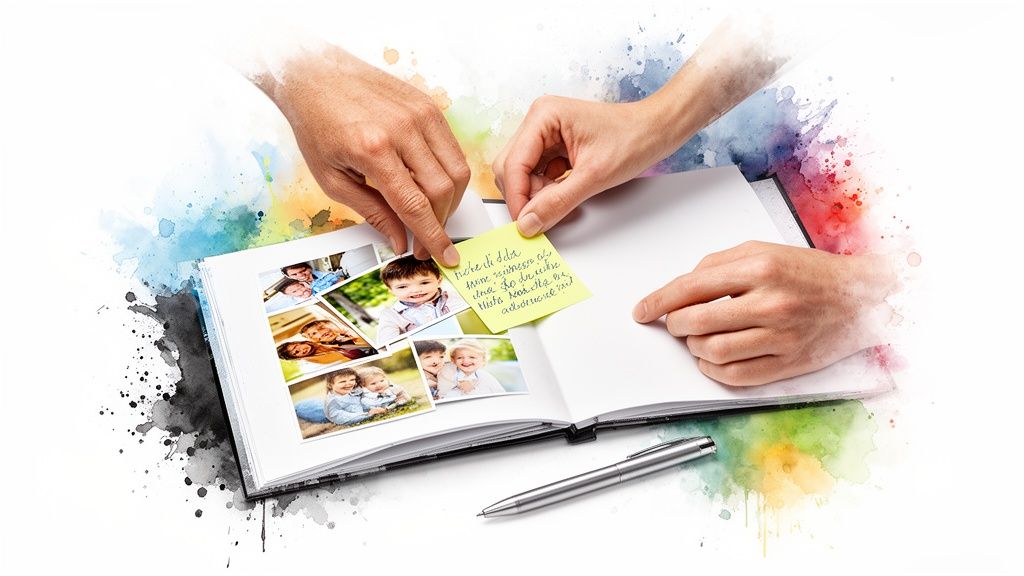
Putting together a memory book for your preschooler can feel like a big project, but it doesn't have to be. Forget complicated scrapbooking—the real magic is in telling a simple story your child recognizes as their own.
Think of yourself as the director of your child's personal movie. You’re just picking the scenes that capture who they are right now. We'll walk you through three simple stages: choosing a theme, picking the right photos, and adding those little personal details that make it unforgettable.
Choosing Your Story's Theme
Every good story has a focus, and your memory book is no different. A theme turns a random pile of pictures into a real narrative. It’s the thread that ties everything together.
Don’t feel pressured to tackle their entire life story. For preschoolers, the best themes are often the simplest ones. Their world is full of wonder, and even a trip to the park can feel like a grand adventure.
Here are a few ideas to get you started:
Milestone Moments: This one’s a classic for a reason. Documenting those "big firsts" like the first day of school, losing a tooth, or learning to ride a tricycle creates a powerful story of growth.
A Day in the Life: Capture the magic in the mundane. A story about a regular Tuesday—from sleepy morning cuddles to afternoon block towers and bedtime stories—celebrates the comforting rhythm of their world.
Family Adventures: Zero in on a single event, like a beach vacation, a trip to the zoo, or a visit from Grandma. This gives your book a clear beginning, middle, and end.
Celebrating a Skill: Is your child obsessed with painting, digging in the garden, or building forts? Dedicate a book to their favorite hobby to show their focus and passion.
A clear theme keeps you from getting overwhelmed and makes it much easier to decide which photos to include.
Selecting Photos That Tell a Story
With your theme in mind, it’s time to gather your photos. The best pictures for memory books for preschoolers aren’t the perfectly posed portraits. They're the ones that capture genuine emotion and action—the candid, in-between moments that tell the real story.
Think like a photojournalist documenting your child's life. Look for pictures that show them lost in thought, mid-giggle, or focused on a task.
A photo of your child mid-laugh on a swing tells a far richer story than a static smile for the camera. Action and emotion are the engines of a compelling narrative for young children.
When you're choosing photos, aim for variety. Try to include pictures that show:
Different Emotions: Capture the whole range—joy, deep concentration, surprise, and even those quiet, thoughtful moments. This helps build their emotional vocabulary.
Interaction with Others: Photos with siblings, parents, grandparents, or friends highlight the important relationships in their life.
Close-Ups and Wide Shots: A close-up of their hands carefully stacking blocks, paired with a wide shot of their finished masterpiece, adds context and detail.
Modern platforms make this step incredibly easy. You can upload your favorites and drag them around until the visual story feels just right. If you want to dive deeper, you can make your own book for kids with tools that simplify the whole process.
Adding the Personal Details
This is where you bring the story to life. The words you add transform the photos from simple images into a personalized narrative filled with warmth, inside jokes, and love. These details are what make the book theirs.
Focus on weaving in the little things that are special to your child. This is your chance to immortalize the sweet, quirky things that define this age.
What to include:
Funny Quotes or Sayings: Did they mispronounce "spaghetti" in a hilarious way? Do they have a catchphrase they use for everything? Write it down!
Nicknames and Pet Names: Use the names you actually call each other at home. This makes the story feel intimate and real.
Sensory Details: Describe the smell of pancakes on Saturday morning, the feel of their fuzzy blanket, or the sound of their unstoppable giggles.
Their Perspective: Try writing a caption from their point of view. For example, "I felt so tall when Daddy put me on his shoulders!"
These personal touches are what elevate a simple photo book into a cherished keepsake. They ensure the story is not just about your child, but is written for them, in a voice they know is yours.
Inspiring Theme Ideas for Your Child's Memory Book
Choosing a theme is the first, most exciting step in creating a memory book your little one will absolutely adore. A great theme gives your book a storyline, turning a bunch of cute photos into a real story with a beginning, middle, and end. Instead of feeling swamped by years of pictures, focusing on one single idea makes the whole process feel manageable and, most importantly, fun.
The best themes for preschoolers are usually the simplest ones. They reflect the world as your child sees it—full of big feelings, new discoveries, and the magic hidden in everyday moments. Just think about what makes your child’s face light up. Is it a huge adventure or the cozy comfort of a familiar routine? Whatever the answer is, that’s your perfect starting point for creating one of the most treasured memory books for preschoolers in your home.
Celebrating Big Firsts
There's a reason milestones are the classic building blocks of memory books—they capture those huge leaps in your child’s journey toward independence. These "firsts" are so powerful because they're packed with emotion, from nervous excitement to pure, triumphant pride.
A book centered around these moments tells a story of courage and achievement. It’s something your child can flip through whenever they need a little confidence boost—a real, tangible reminder of just how far they’ve come.
The First Day of School: Don’t just get the first-day-outfit shot. Capture the whole story—from picking out the backpack and the wobbly-lipped goodbye hug to that proud, beaming smile at pickup.
Losing a Tooth: Document the wiggly-tooth phase, that adorable gap-toothed grin, and, of course, the magic of the Tooth Fairy's visit.
Learning a New Skill: Whether it’s riding a bike without training wheels, learning to swim, or finally tying their own shoes, these stories are all about persistence and the sweet feeling of success.
Documenting Everyday Adventures
Sometimes the most meaningful memories aren’t from big, planned events but from the simple, repeated joys of daily life. An "everyday" theme honors the beautiful, unique rhythm of your family.
These books become incredibly precious over time because they freeze a moment in your ordinary life, which will feel extraordinary to look back on one day. They celebrate the comforting, predictable world that makes your preschooler feel safe, seen, and loved.
The magic of a memory book is its ability to elevate the ordinary. A story about building a blanket fort or a Saturday morning pancake breakfast shows a child that their everyday life is worthy of a story.
Consider these simple but wonderful adventures:
A Trip to the Park: Focus on their favorite things—the swings that go "super-high," the slide they finally conquered, or the ducks they love to feed.
Building a Blanket Fort: Show the whole process—gathering pillows and blankets, the cozy, secret hideout inside, and the snacks enjoyed in their special space.
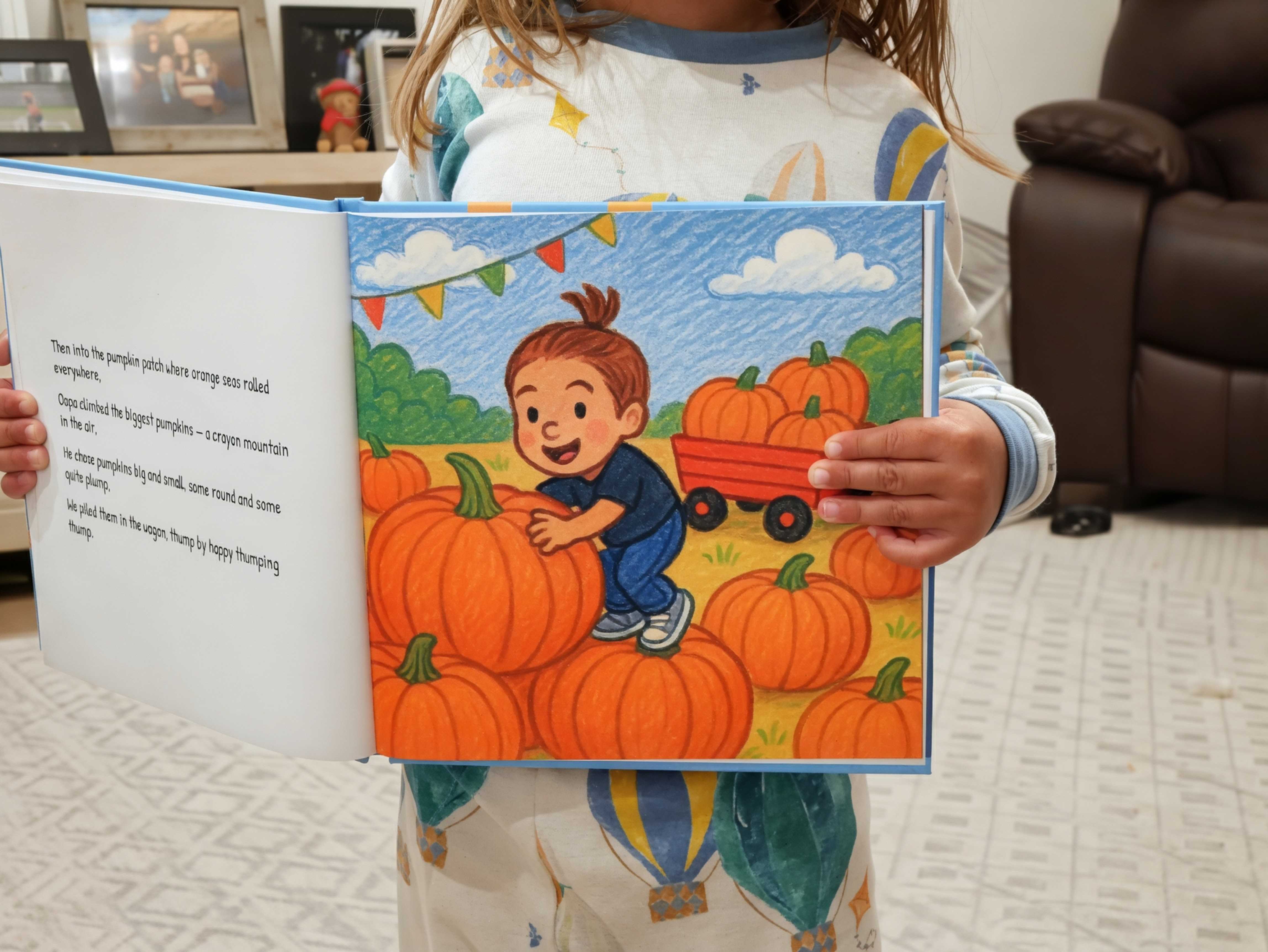
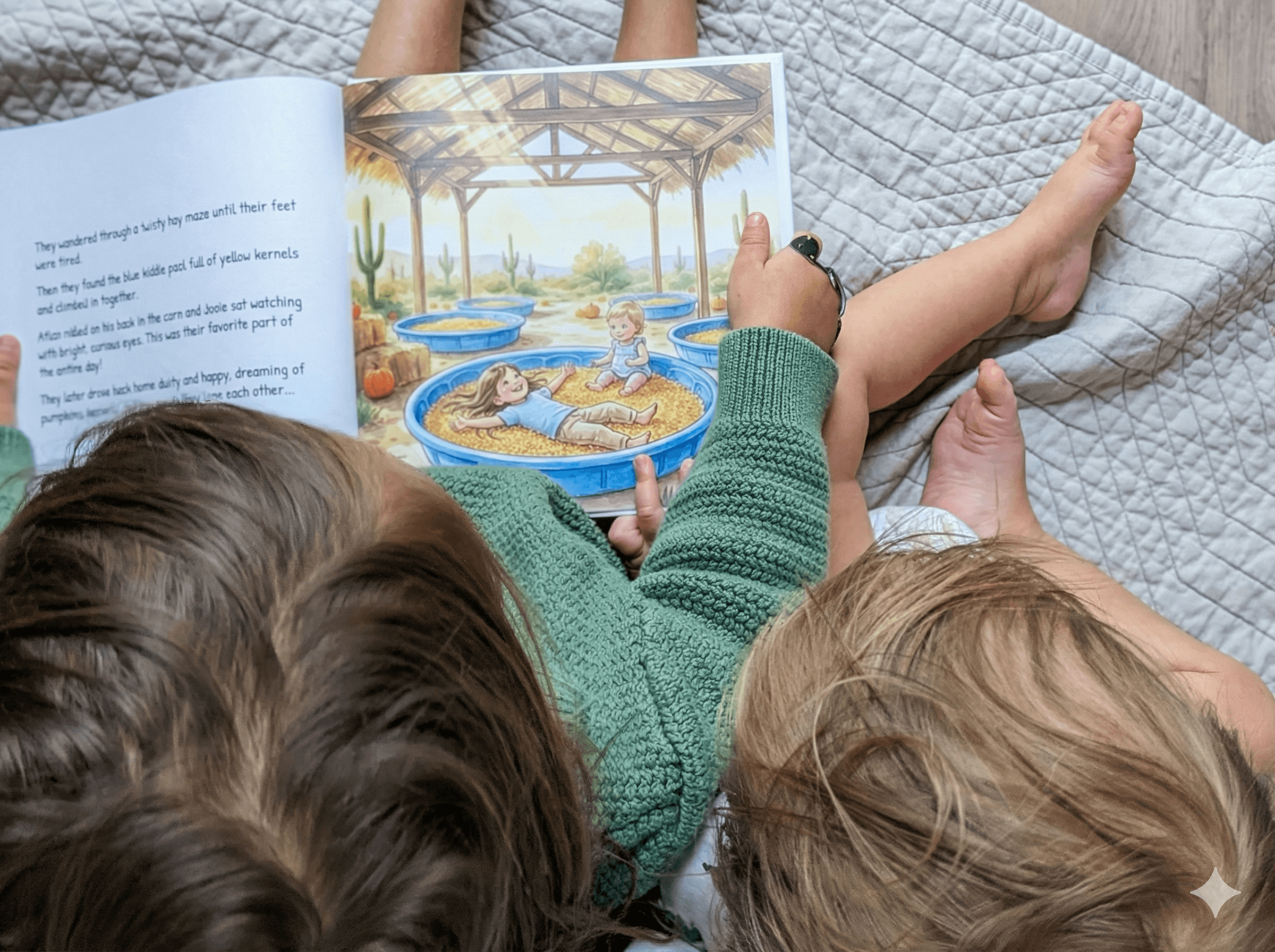
A Day at the Farm: Capture their pure wonder at seeing animals up close, the bumpy hayride, and the joy of picking out the perfect pumpkin.
Honoring Family and Friends
For a preschooler, relationships are everything. A memory book that focuses on their favorite people reinforces their sense of belonging and shows them how important connection is. These stories become a who's-who of their personal support system, celebrating all the people who love them most.
This theme is especially powerful for kids who live far away from grandparents or cousins, as it keeps those faces and memories close to their heart. It's also a wonderful way to prepare for or celebrate big family changes.
Becoming a Big Sibling: Tell the story of meeting their new baby brother or sister for the first time. Highlight their new role as a helper, protector, and friend.
A Visit from Grandparents: Document the special things you did together, from baking cookies to reading bedtime stories, creating a keepsake of that cherished time.
My Best Friend: Create a simple story about a special friendship, showcasing moments of shared giggles, imaginative play, and quiet companionship.
To help you decide, here's a quick look at how these themes stack up.
Memory Book Theme Ideas for Every Occasion
Theme Category | Best For Capturing | Key Elements to Include |
|---|---|---|
Big Firsts | Growth, courage, and key milestones. | Before-and-after photos, quotes about how they felt, and celebratory details. |
Everyday Adventures | Comfort, routine, and simple joys. | Candid shots, sensory details (smells, sounds), and familiar objects or toys. |
Family and Friends | Relationships, connection, and belonging. | Photos of interactions, handwritten notes from loved ones, and inside jokes. |
New Experiences | Curiosity, bravery, and adaptation. | Images showing exploration, details of the new environment, and emotional reactions. |
By picking a theme that truly connects with your child's life right now, you're creating so much more than a photo album. You’re crafting a story that reflects their world, validates their feelings, and celebrates their one-of-a-kind journey.
Understanding Privacy and AI in Personalized Books
Handing over family photos and personal stories to a website can feel a little unnerving. I get it. For modern parents, privacy isn't just a nice-to-have; it's a non-negotiable. When you’re creating something as precious as a memory book for your preschooler, you deserve to know exactly how your data is being handled.
Good companies understand this completely. They build their platforms with your family’s security in mind from day one, treating your memories with the same care you do. This starts with using secure, encrypted uploads to protect your photos and information the moment you share them.
Your Data Is Your Own
Think of the creation platform as a secure workshop. You bring in your materials—your beautiful photos and sweet stories—and the company provides the tools to build something magical. Their job is to keep that workshop locked and safe.
This commitment should be spelled out clearly in their policies. When you're looking at personalized books that involve personal data or AI, it’s always a good idea to see what the service provider says about privacy. You can get a better handle on these protections by reviewing their specific understanding privacy policies.
A trustworthy service will always promise a few key things:
No Reselling Data: Your photos and personal information should never, ever be sold to third-party advertisers. Period.
Secure Storage: Your data is protected using industry-standard security measures, keeping it safe from prying eyes.
Clear Deletion Policies: You have the right to know how your data is removed after your book is made.
This kind of transparency is the foundation of trust. It ensures the only thing your data is used for is creating the beautiful book you ordered for your child.
Demystifying AI in the Creation Process
The term "AI" can sound big and complicated, but here, its role is actually pretty simple. Think of the AI as a helpful story assistant, not some mysterious black box. It’s just a tool designed to save you time and spark your creativity—but you are always the one in charge.
Artificial intelligence in this process acts as a first-draft assistant. It takes your photos and details and suggests a story, but the parent always remains the final author and editor, with full control over every word and image.
The AI simply looks at the photos and details you provide—like "a birthday party for Leo"—and drafts a simple narrative. It might generate text like, "Leo was so excited for his birthday!" This just gives you a starting point so you aren't staring at a blank page.
You Are the Editor-in-Chief
This is the most important part: you have complete control. The AI’s draft is just a suggestion. Modern platforms give you powerful and easy-to-use editing tools that let you perfect every single detail until it feels just right.
You can:
Rewrite the Text: Change a single word or rewrite entire paragraphs to better match your family’s unique voice.
Adjust the Illustrations: Fine-tune the artwork to make sure the characters perfectly capture your child’s likeness.
Approve Every Page: Nothing goes to print without your final, enthusiastic okay.
This combination of helpful technology and total parental control creates a safe, reliable partnership. It allows you to focus on the fun part—reliving sweet memories and crafting a personal story—while trusting that your privacy is protected every step of the way. You get the benefit of a creative assistant without ever giving up your role as the storyteller.
Making Your Memory Book a Cherished Family Ritual
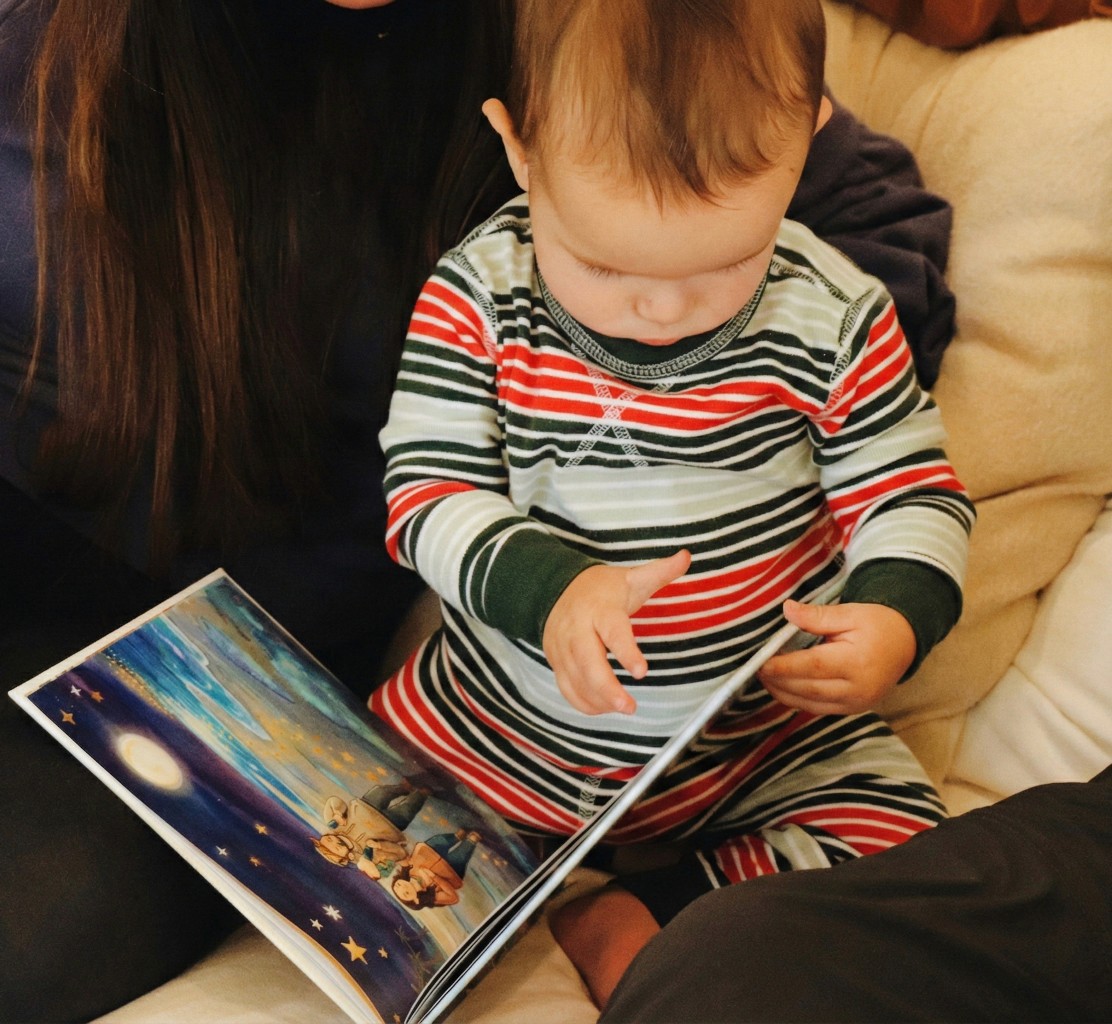
The moment you click “order” on a memory book is just the beginning. Its true magic really comes to life when it moves from the coffee table into the heart of your family’s routine. A book sitting on a shelf is a beautiful object, but a book woven into your daily life becomes a powerful tool for connection.
When you turn reading time into a treasured ritual, you’re creating these small, quiet moments of bonding that your child will carry with them for years. It’s about turning a simple story into an experience—a dependable space for cuddles, conversation, and shared giggles. This is what transforms a keepsake into a living piece of your family's history.
Creating Your Reading Ritual
Finding a consistent time to share the memory book can make all the difference. Think about the natural pauses in your day where a few moments of quiet reflection would fit perfectly. The secret sauce is consistency, which helps your preschooler anticipate and look forward to this special time together.
Here are a few simple ways to bring the book into your life:
Bedtime Story Staple: Make it part of the nightly wind-down. Reading about their own happy memories is such a calming, confidence-boosting way to end the day.
Pre-Visit Tradition: Before grandparents or other relatives come over, read the book together. This is a great way to help your child recall fun times and build excitement for seeing their loved ones.
"Remember When" Moments: Use the book to celebrate milestones. On their birthday or the first day of a new school year, look back at how much they've grown and all they’ve accomplished.
This practice doesn’t just jog memories; it builds a narrative of love, growth, and belonging that your child can return to again and again.
A memory book is more than a record of the past; it's a tool for the present. Each reading is an opportunity to strengthen your bond, affirm your child’s identity, and remind them that their story matters deeply.
From Keepsake to Heirloom
Over time, these rituals give the book a life of its own. You’ll notice the corners of the pages getting soft from countless page turns, and you’ll find yourselves laughing at the same parts of the story every single time. The book evolves from a simple collection of photos into a priceless family heirloom—a tangible symbol of your shared journey.
It becomes a touchstone your child can return to during moments of change or uncertainty, reminding them of the strong, loving foundation they come from. You’re not just creating a book; you’re building a legacy of connection, one story at a time. Start your own storytelling journey today and craft a piece of your family’s history that will strengthen your bonds for years to come.
Still Have Questions? We've Got Answers
Stepping into the world of creating a memory book for your preschooler is exciting, but it's natural to have a few questions bubble up. From picking the perfect photos to understanding how it all comes together, we want you to feel completely confident starting this beautiful project.
Here are the questions we hear most often from parents just like you. We've kept the answers simple and direct so you can get back to the fun part: telling your child’s story.
What Kind of Photos Work Best?
The photos that tell the best stories are the ones filled with life. While a sweet, posed portrait is always lovely, it’s the pictures of your child mid-giggle, laser-focused on a puzzle, or joyfully splashing in a puddle that truly bring a story to life.
Try to gather 15-30 high-quality photos that show a mix of expressions and moments. Those candid, in-the-moment snapshots are often the ones that translate into the most authentic and heartwarming illustrations, building a story that feels real and full of personality.
Is My Preschooler Too Young for This?
Not at all—in fact, this is the perfect time! Between the ages of 3 and 5, kids are building a real sense of who they are and starting to grasp the idea of their own past. Seeing themselves as the hero of their very own book is an incredibly powerful way to reinforce how important they are and help those little memories stick.
A personalized memory book isn't just a story; it's a shared experience. Reading it together validates your child's feelings, builds their vocabulary, and wraps them in the warmth of knowing their story matters. It's a powerful bonding tool disguised as a bedtime story.
How Much Control Do I Have Over the Book?
You're in the driver's seat from start to finish. Our system is designed to give you a creative head start by generating a first draft of the story and illustrations from your photos, but you are always the final editor.
You can tweak every single word, adjust details to make them more personal, and refine the artwork until it perfectly captures your child's spirit and your family's memories. Think of our technology as a helpful assistant—the final hardcover book will be a true reflection of your family’s voice.
How Long Does the Process Take?
We designed this with busy parents in mind. It can take as little as 15-20 minutes to upload your photos and share the key details that will shape your story.
Once our system works its magic and creates the first draft, you can take all the time you need to review and make it perfect. After you give the final thumbs-up, your premium hardcover book is printed with care and usually arrives at your doorstep within 7–10 days, ready to become a treasured part of your family’s storytime ritual.
Ready to turn your family’s everyday moments into a story your child will ask for again and again? At Once Upon A Memory Books LLC, we make it simple to create a beautiful, personalized memory book that celebrates your little one's one-of-a-kind journey. Start creating your custom memory book today!