Blog
How to Make Bedtime Easier for Good
Tired of bedtime battles? Discover how to make bedtime easier with proven routines, calming environments, and practical tips from parents who've been there.

If you’re tired of nightly negotiations and endless curtain calls for “just one more drink of water,” you’re in the right place. So many parents feel like they’re locked in a nightly battle, but the secret isn't a magic trick. It's a foundation built on three simple pillars: consistency, a calming environment, and connection.
Bedtime isn’t just about getting a child to sleep; it’s a huge transition from the loud, bright excitement of the day to the quiet dark of the night. For a toddler or preschooler, that shift can feel abrupt and even a little scary.
This is where a solid routine becomes your superpower. When a child knows exactly what to expect, they feel safe and secure. Predictability turns a potential power struggle into a cherished moment of connection.
The Foundation for a Peaceful Bedtime
Let's break down the core principles that make bedtime routines actually work. These aren't complicated theories; they're practical, time-tested pillars that create a sense of calm for everyone involved.

Why Consistency Is Your Best Friend
Think of consistency as a biological and psychological runway for sleep. When you follow the same steps in the same order every single night, you’re not just going through the motions. You are physically signaling to your child’s body and brain that sleep is coming.
This isn’t just for kids, either. The same principle helps adults sleep better, too. Research shows that adults with a regular bedtime routine are 39% more likely to fall asleep quickly and wake up less during the night. You can read the full research about global sleep trends to learn more.
For a little one, that predictability does even more:
It builds trust. They learn they can count on this quiet time with you.
It eases anxiety. Knowing what comes next eliminates the fear of the unknown.
It fosters independence. A familiar routine empowers them to take part, like picking out their own pajamas or grabbing their favorite book from the shelf.
The Power of Connection and Calm
A calming environment and a strong connection work hand-in-hand with consistency. A chaotic, brightly lit room practically screams, “It’s still time to play!” Dim lights, quiet voices, and soothing activities send the opposite message: it's time to wind down.
More importantly, this wind-down period is your golden opportunity for connection. After a busy day of running, playing, and learning, your child craves your undivided attention.
Bedtime is often the only time of day when a child has their parent's full, focused attention. Filling their emotional cup before separation is key to helping them feel safe enough to fall asleep alone.
By focusing on these three pillars, you shift bedtime from a stressful chore into a meaningful ritual. This foundation doesn’t just solve tonight’s bedtime problem—it builds healthy, happy sleep habits that will last a lifetime.
Here’s a quick look at how these three pillars work together to create an easier bedtime for everyone.
Three Pillars for an Easier Bedtime
Pillar | Why It Works | Quick Tip |
|---|---|---|
Consistency | Creates a predictable pattern that signals to your child's brain and body that it's time to sleep. | Stick to the same order of events every night: bath, pajamas, brush teeth, read a story. The order matters! |
Calm Environment | Reduces stimulation and helps transition from active daytime to restful nighttime. | Dim the lights and switch off all screens at least 30-60 minutes before bedtime. |
Connection | Fills your child’s emotional cup, making them feel secure and loved before separating for the night. | Put your phone away and give your child 10-15 minutes of your undivided attention during storytime. |
Nailing these three things consistently is what transforms bedtime from a battle into a moment of bonding.
Here is the rewritten section, designed to sound completely human-written and natural, following the provided style guide and examples.
Designing a Soothing Sleep Sanctuary
A child's bedroom can be a place that invites sleep or fights it. We spend so much time focusing on the how of bedtime—the routine, the timing, the books—that it’s easy to overlook the where. But the physical space plays a massive role in signaling to a little one's brain that it's time to wind down.
Let's move beyond just "a dark room" and think about creating a true sleep sanctuary. Transforming their room into a safe, peaceful space they associate with rest—not resistance—is a foundational step. Small adjustments here can make a huge difference.
Control the Temperature
Have you ever tried to sleep when you’re too hot or too cold? It’s nearly impossible. It’s the same for our kids, who are often even more sensitive to temperature swings.
A child’s body temperature naturally dips as they fall asleep, and a cool room actually helps that biological process along. The sweet spot is typically between 68 and 72 degrees Fahrenheit (20-22 degrees Celsius). A slightly cooler room doesn’t just help them fall asleep faster; it promotes deeper, more restorative rest and cuts down on those frustrating middle-of-the-night wake-ups.
Master the Light and Dark
Light is one of the most powerful cues for our internal body clocks. Even a tiny sliver of light from a streetlamp, a digital clock, or a hallway can disrupt the production of melatonin—the hormone that basically says, "Okay, brain, it's time for sleep."
This is where a good set of blackout curtains becomes a parent’s best friend. They are a total game-changer, blocking out external light and making the room a true haven for sleep, whether it's for a midday nap or a summer evening when the sun sets way past bedtime.
If your toddler is afraid of the dark, opt for a dim nightlight with a red or amber bulb. These colors are much less disruptive to sleep cycles than the harsh blue or white light you find in most standard nightlights.
Creating a sleep-friendly environment isn't just a hunch—it's a proven method for easier bedtimes. A recent survey found that 63% of people fell asleep faster after reducing noise and light in their rooms. You can explore the full IKEA Sleep Report for more insights on the science of a good night's rest.
Manage Sounds and Screens
In a busy household, unexpected noises are just a part of life. A dog barking, the dishwasher starting its cycle, or older siblings having one last burst of energy can easily startle a child who is just drifting off.
A white noise machine can be incredibly effective here. It creates a consistent, soothing hum that masks those sudden household noises, helping your child stay asleep. Think of it as a gentle sound blanket that keeps the room peaceful and predictable.
Finally, let’s talk screens. The blue light from tablets, phones, and TVs is a major sleep disruptor. It tricks the brain into thinking it's still daytime, making it that much harder for kids to switch off.
Make it a firm family rule to power down all devices at least 60-90 minutes before bedtime. This "digital curfew" isn't about punishment; it's about giving their busy brains a chance to disconnect and prepare for rest.
Building Your Family's Bedtime Ritual
A good bedtime routine isn't a checklist you rush through; it's a predictable, comforting ritual that signals safety to your child's brain. This is where you turn the vague idea of "going to sleep" into a series of concrete, calming steps. The goal is a seamless 20 to 30-minute wind-down that cues their body for rest.
Think of it as your family's own secret handshake with sleep. The specific ingredients matter less than the consistency and the loving connection you weave throughout. By doing the same few things in the same order every single night, you build a powerful sleep association that makes bedtime easier for everyone involved.
Crafting Your Sequence of Events
The magic word here is predictability. The order of your routine creates a clear pathway to sleep. You want to start with a slightly higher-energy activity (like a bath) and gradually move toward the calmest ones (like a story), guiding your child’s body and mind toward rest.
A warm bath is a popular starting point for a reason—and it’s pure science. The drop in core body temperature after they get out of the tub naturally triggers feelings of sleepiness. It's a brilliant little biological hack.
From there, choose 3-4 more quiet activities to round out the routine. Here are a few ideas you can mix and match to find what works for your family:
Getting into PJs and brushing teeth
A gentle lotion massage or a soft back rub
Doing a simple, quiet puzzle together on the floor
Singing a few favorite lullabies
Sharing highlights from the day, like "one good thing that happened to me"
The Heart of the Ritual: Storytime
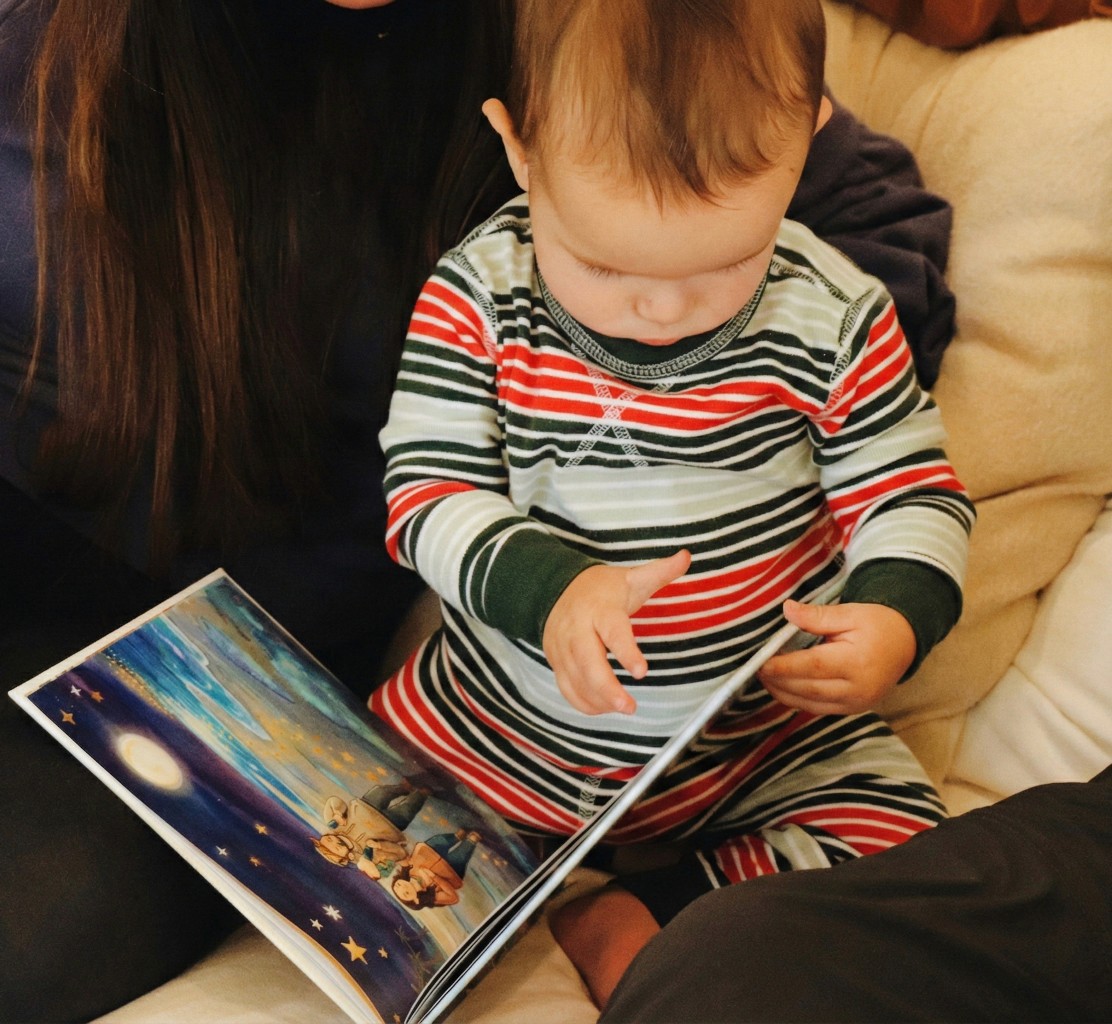
The very last step before lights-out should be the calmest and most connected. For most of us, that's storytime. Reading together isn't just about learning letters; it's about focused, quiet connection that fills your child’s emotional cup right before the separation of nighttime. The benefits of reading aloud to children are huge, creating a foundation for both learning and feeling secure.
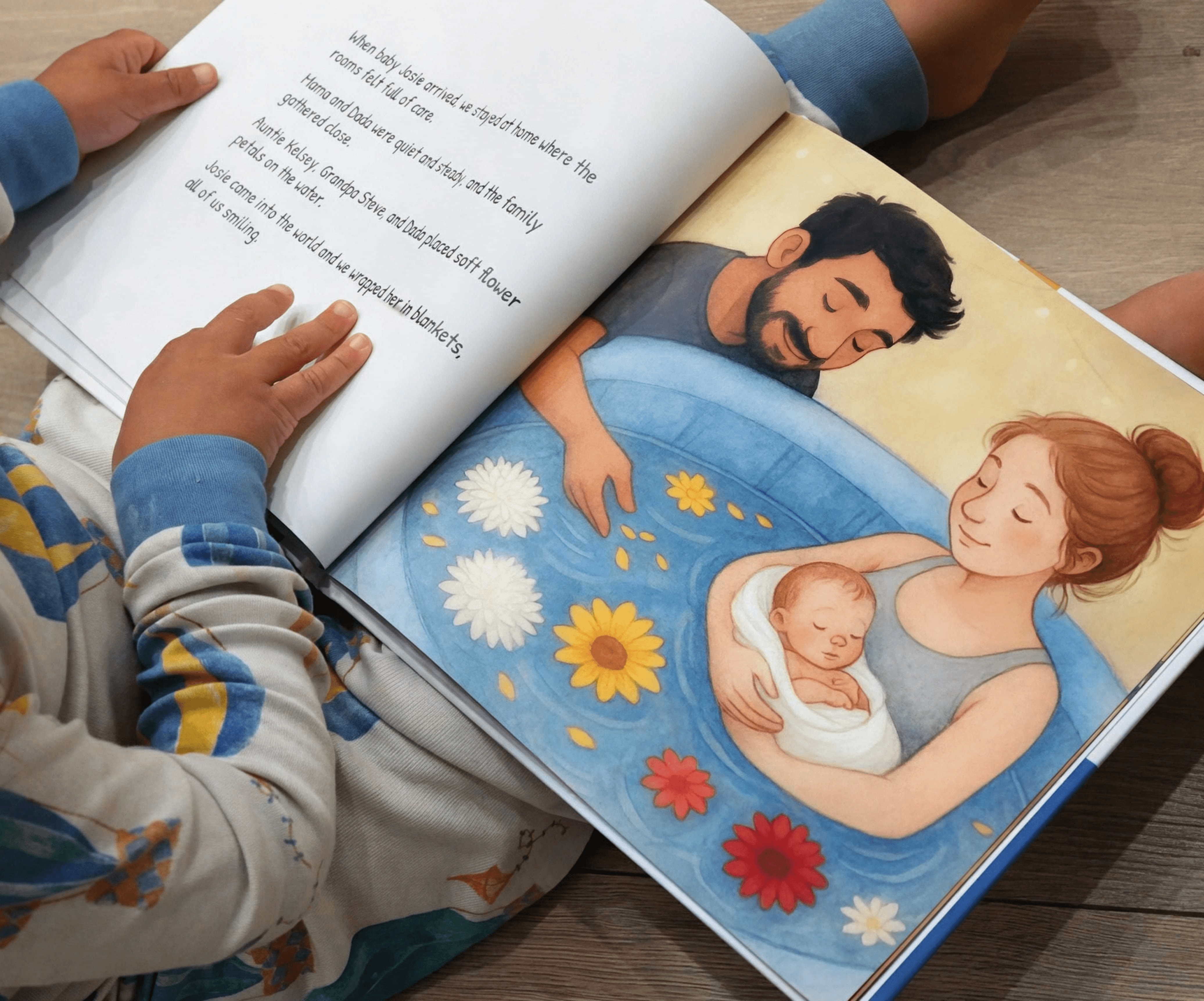
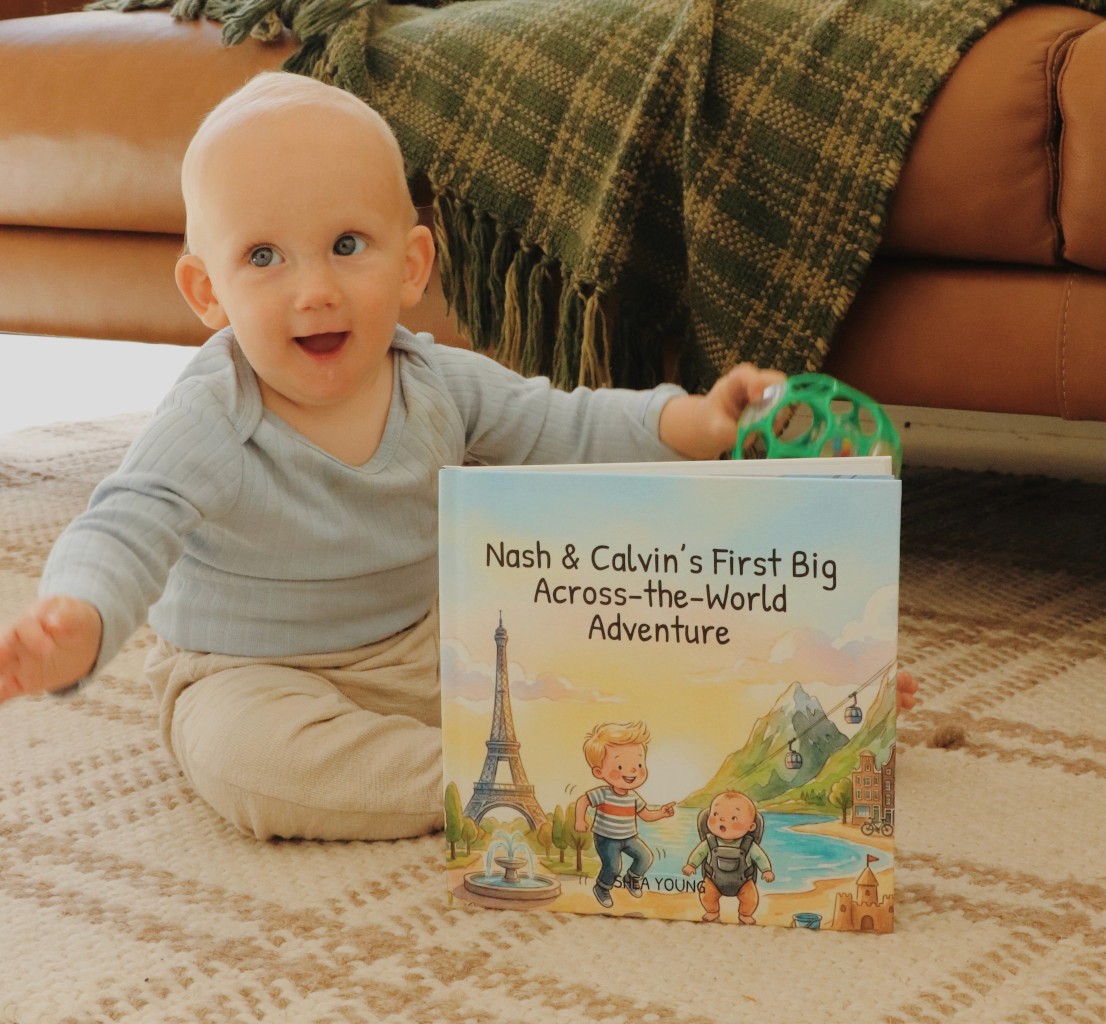
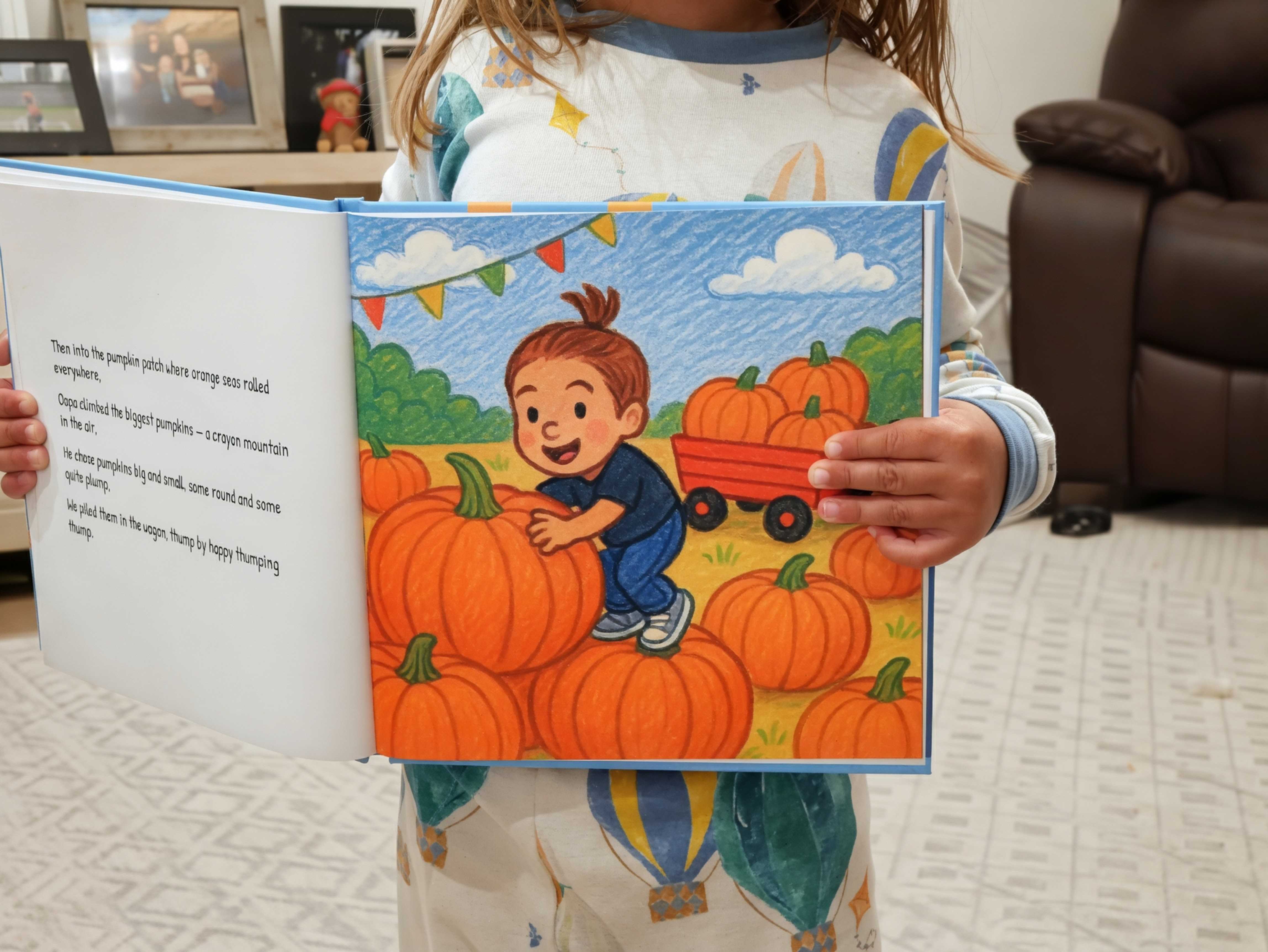
A personalized storybook can make this time even more special. When a child sees themselves as the hero of the story, it boosts their confidence and makes them genuinely excited for this part of the night.
Research on bedtime routines has found they are linked to fewer night awakenings and longer stretches of sleep. Even after just a few nights, a consistent ritual can make a huge difference in sleep quality for young kids.
And remember, your routine works best when the environment supports it.
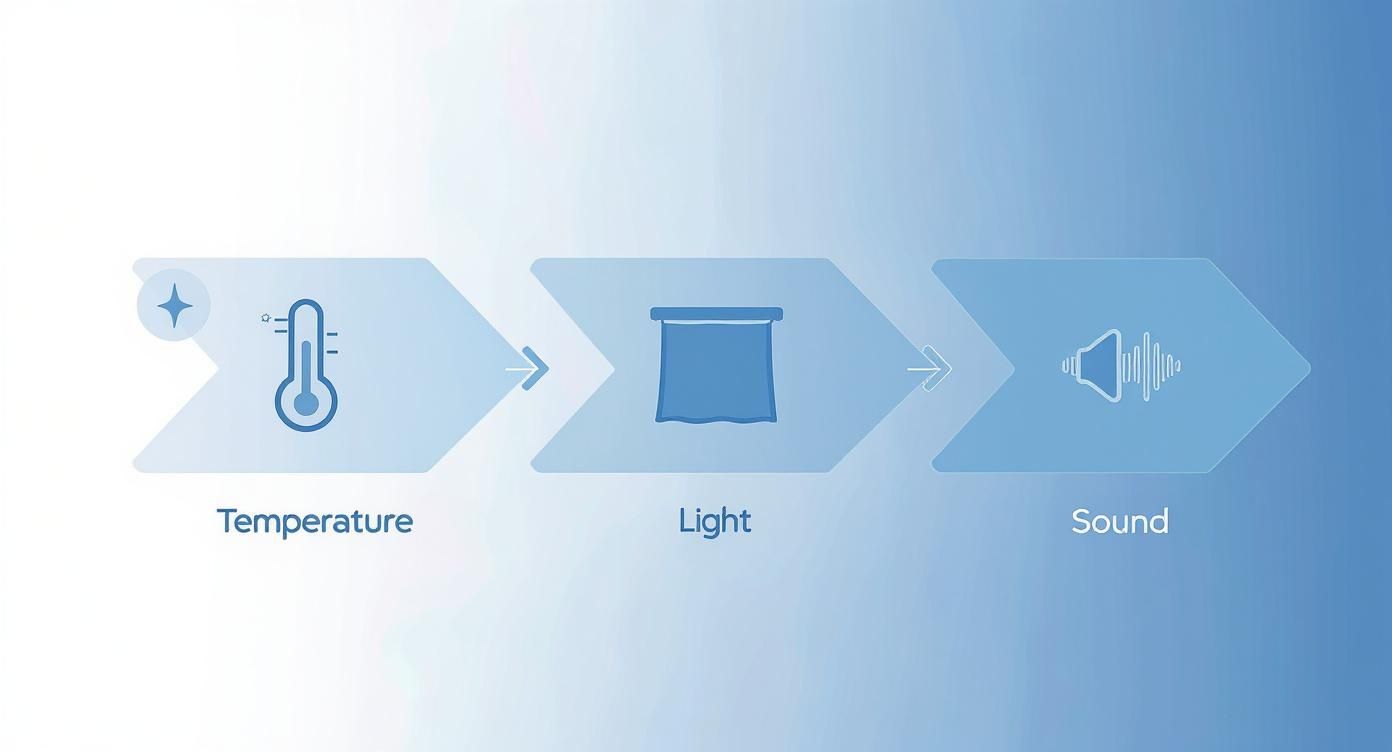
This visual just hammers home the point: a cool, dark, and quiet room works hand-in-hand with your ritual to create the perfect sleep oasis.
A Sample Routine You Can Adapt
Putting it all together, a simple but powerful routine might look something like this. Remember, the goal is progress, not perfection.
Example 30-Minute Bedtime Ritual
Time | Activity | Purpose |
|---|---|---|
7:00 PM | Warm Bath | Lowers core body temp to make them sleepy. |
7:15 PM | Pajamas & Teeth | A clear, non-negotiable step toward bed. |
7:20 PM | Story & Cuddles | Provides connection and quiet wind-down time. |
7:30 PM | Lights Out | A consistent and predictable end to the day. |
This structure provides the predictability kids absolutely crave. Feel free to swap activities—maybe a puzzle instead of a bath some nights—but keeping that consistent flow is what will ultimately make bedtime a breeze.
The Unmatched Power of a Bedtime Story
If there’s one part of the bedtime routine that holds everything together, it's the story. This is the heart of it all. More than just a way to fill the last ten minutes, storytime is where the real magic happens—strengthening your bond, calming nighttime fears, and giving your child something to genuinely look forward to.

Sharing a story is a powerful act of connection in a world full of distractions. It’s a guaranteed pocket of time where your child has your undivided attention, letting them know they are the center of your universe. This simple ritual fills their emotional cup right before you say goodnight, giving them the security they need to separate and fall asleep peacefully.
From Simple Reading to Engaging Storytelling
You don’t need a theatrical performance to make storytime special. All it takes is a little intention to draw your child into the world you’re creating together. The goal is to make them an active participant, not just a passive listener. This transforms a simple task into a shared adventure.
You can instantly make the story more engaging with a few simple tricks:
Use different voices. No voice acting degree required! A slightly higher pitch for a little mouse or a deeper, slower voice for a grumpy bear is all it takes to bring the characters to life.
Ask curious questions. Instead of just reading the words, pause and ask, "What do you think will happen next?" or "How do you think the little bunny is feeling right now?" This gets their wheels turning and builds empathy.
Let them turn the pages. This tiny act gives toddlers a sense of control and ownership over the routine, which can make a huge difference in reducing bedtime battles.
These small shifts turn storytime from a passive activity into an interactive experience. The quiet focus of reading naturally calms a busy little mind, signaling to their brain that the day’s excitement is officially over.
Storytime isn't just a sweet habit; it’s a proven strategy for better sleep. Bedtime rituals that include reading are consistently linked with children falling asleep faster, waking less during the night, and getting longer, more restorative rest.
The Special Magic of a Personalized Story
While any book can build connection, something truly special happens when your child is the hero of their own story. Personalized storybooks tap into a child’s natural self-focus, grabbing their attention in a way no other book can. Seeing their own name in print and their life reflected on the pages is incredibly validating for them.
For a child wrestling with bedtime fears or separation anxiety, seeing themselves bravely navigate an adventure in a book can be so empowering. It reframes what they believe they’re capable of, helping them feel stronger and more secure in their own bed. To learn more, you can explore the unique benefits of personalised bedtime books and see how they can transform your nightly ritual.
Ultimately, whether you’re reading a library classic or a custom-made tale, you’re creating a memory. You’re sending a clear message: no matter how busy the day was, it will always end with this quiet, loving moment together. That feeling of connection is the anchor that holds the entire bedtime routine together.
Even with the most beautiful, consistent routine, some nights just won't go to plan. It’s almost a rite of passage. Toddlers and preschoolers are professionals at testing boundaries, and bedtime is often their biggest stage.
This is completely normal. It doesn’t mean your routine has failed or that you’ve done something wrong.
Think of these moments as opportunities to reinforce the loving limits you’ve set. The key is having a game plan for the classic roadblocks—the stall tactics, the endless curtain calls, and the sudden fears. When you know how you’ll respond, you can stay calm and confident, stopping one tricky night from derailing all your hard work.
The Classic Stall Tactics
"I'm thirsty." "I have to go potty… again." "My blanket feels wrinkly."
If this sounds familiar, you're not alone. These little requests are a child’s way of asking for a few more moments of connection or asserting a tiny bit of control. The secret is to validate their need while holding a firm, kind boundary.
The best defense is a good offense. Build these requests right into your routine before they become stalls. Offer one last sip of water and make a final trip to the bathroom before you even crack open the storybook. This simple shift preempts the most common delay tactics.
When a new request pops up after lights-out, your best friend is a calm, consistent script.
"We already had our last drink of water for tonight. It’s sleepy time now. I love you, and I’ll see you in the morning."
Keep it brief, loving, and frankly, a little boring. An engaging back-and-forth is exactly the reward they're looking for, so don't give in. Your goal is to be a broken record, not a debate partner.
Handling Endless Curtain Calls
A "curtain call" is when your little one keeps popping out of their room after you've said your final goodnight. It can test the patience of a saint, but your consistency here is everything.
The first time it happens, calmly and silently walk them back to their bed.
Avoid lectures, negotiations, or even extra cuddles. Any form of attention—even negative attention—can accidentally reinforce the behavior. A silent return sends a clear but gentle message: "The show is over for tonight, and I'm not going to play this game."
It might take a few nights (or more, let's be real), but they will quickly learn that leaving their room doesn't get them the reaction they're hoping for. This gentle approach teaches them to self-soothe and stay in their room until it’s time to get up.
Soothing Nighttime Fears
Unlike stalling for more time, fears of the dark or monsters under the bed feel very real to your child. Dismissing them with a quick, "There's nothing to be scared of," can make them feel unheard and even more anxious.
Instead, start by validating their feelings, and then empower them with a solution.
Acknowledge what they're feeling, then offer them a tool to handle it.
"Monster Spray": A simple spray bottle with water and maybe a drop of lavender essential oil can become a surprisingly powerful tool for "chasing the monsters away." Let them spray it in the corners of the room themselves.
A "Bravery Buddy": Designate a specific stuffed animal as their official nighttime protector. Give it a special job to keep watch while they sleep.
A Dim Night-light: If you use a night-light, choose one with a warm red or amber bulb. These colors are less likely to disrupt melatonin production than the blue light often found in digital clocks and screens. Finding a good balance between digital life and quiet rest is key; you can explore great tips for managing screen time vs. story time to help create an even calmer pre-sleep vibe.
When you address their fears with empathy and a creative game plan, you're not just solving the immediate problem. You're teaching them that they are safe, loved, and totally capable of handling their own big feelings.
Here are your most common bedtime questions, answered.
Even with the best plan, you're going to have questions. This is your go-to guide for navigating those tricky moments. Getting clear on these finer points will help you stay confident, and that consistency is what makes all the difference.
What’s the Perfect Bedtime?
So many parents ask this. For most toddlers and preschoolers, the sweet spot is between 7:00 PM and 8:00 PM.
Why? Research consistently shows that a bedtime before 9:00 PM leads to better, more restorative sleep for little ones. Hitting this window helps them get the 10 to 13 hours of total sleep they need to grow, learn, and be their happy selves.
How Long Should the Bedtime Routine Be?
This is a big one. You want it to be connecting, but not so long that it drags on forever.
Aim for a routine that lasts between 20 and 30 minutes.
A shorter, 20-minute routine works great for nights without a bath. If you’re including a warm bath, it’ll naturally stretch closer to 30 minutes. The goal isn’t to watch the clock, but to create a predictable flow that signals to your child’s brain that it's time to wind down.
Remember, the key isn't the exact minute count but the consistent, predictable flow from one activity to the next. That predictability is pure magic for a tired toddler's brain.
What If We Have to Skip the Routine?
Life happens. You’ll have late dinners with family, unexpected errands, or a day that just gets away from you. On those nights, don't sweat it.
The goal is progress, not perfection.
If you get home late, just do a "mini-routine." Skip the bath and jump straight to pajamas, brushing teeth, and one quick story. The most important thing is to keep the final, most crucial steps of the ritual intact. This flexibility means one off-night won't derail all your hard work.
What If My Child Still Fights Bedtime?
It’s completely normal for toddlers and preschoolers to test boundaries—even with a fantastic routine in place. If your little one is still putting up a fight, the key is to stay calm and stick to the plan.
Acknowledge their feelings ("I know you want to keep playing with your trucks") while holding a firm, loving boundary ("but now it’s time for sleep").
Consistency is your superpower here. When your child sees that the routine is non-negotiable, they learn to accept it. It might take a few nights, but soon they’ll find comfort and security in your predictable ritual, and the protests will fade.
A personalized storybook from Once Upon A Memory can become the cherished final step in your routine, making your child genuinely excited for storytime. Turn your family's memories into a beautiful bedtime adventure they’ll ask for again and again. Create your personalized storybook today.