Blog
How to Help Kids with Separation Anxiety A Parent's Guide
Discover how to help kids with separation anxiety. Learn gentle, proven strategies to build your child's confidence and make goodbyes easier for everyone.
That heart-wrenching moment at drop-off—the tight grip, the teary eyes, the desperate plea not to leave—can make any parent question if they’re doing the right thing. It’s a scene that plays out in preschools and daycare centers everywhere. If you’re feeling a mix of guilt, worry, and frustration, you are not alone.
The goal isn't just to stop the tears. It's about validating their feelings while building their confidence. You need to acknowledge that it's okay to feel sad or scared, all while reassuring them that you will always come back. Predictable routines are your best friend here.
Is Your Child's Separation Anxiety Normal?
First things first: separation anxiety is not just normal; it's a healthy and positive sign of a strong, secure attachment. It means your child sees you as their safe base, their source of comfort and security. It's a fundamental part of their emotional development.
So, when does this typical clinginess cross a line into something more?
Navigating Developmental Milestones
For most little ones, separation anxiety is a phase. It usually pops up between six to eighteen months and often fades by age three. During this window, kids are finally grasping object permanence—they know you exist even when you're not in sight. The problem? They don't yet have the emotional tools to feel secure without you right there.
This is worlds away from Separation Anxiety Disorder (SAD), a clinical condition that is far more persistent and disruptive. While most toddlers will have separation worries, research shows that SAD is much less common, affecting about 1–4% of children, with an average onset age of around 6–7 years.
Knowing this can help you see your toddler’s behavior for what it is: a temporary developmental stage, not a permanent problem. If you want to dive deeper, the National Library of Medicine has detailed findings on childhood anxiety.
The infographic below does a great job of showing the difference between typical anxiety and a potential disorder.
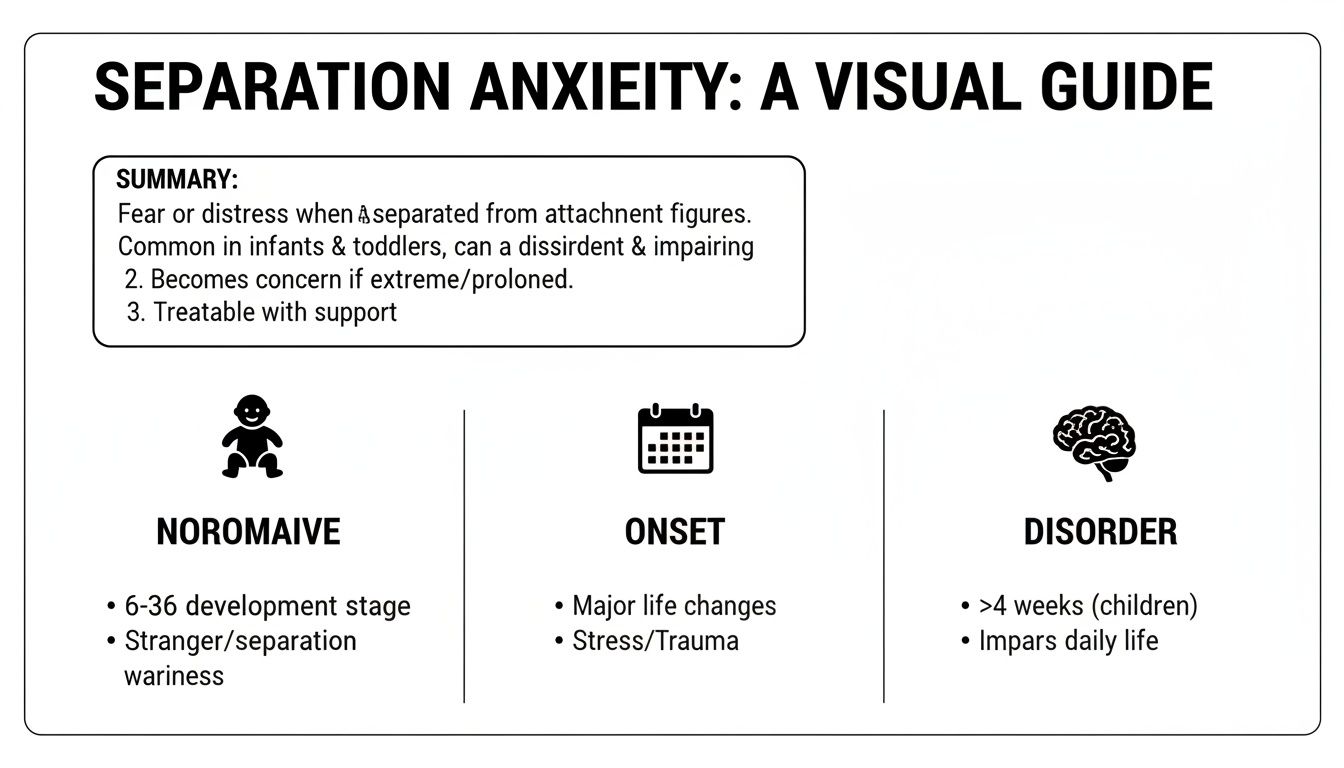
As you can see, clinginess in a two-year-old is expected. Intense, persistent anxiety that interferes with daily life in an older child might mean it's time to seek more support.
Typical vs Concerning Separation Anxiety Signs
It can be tough to tell the difference between a normal developmental phase and something that needs a closer look. This table breaks down what to expect versus what might be a red flag.
Behavioral Sign | Typical Separation Anxiety (Toddler/Preschooler) | Potentially Concerning Separation Anxiety |
|---|---|---|
Crying at Drop-off | Cries for a few minutes but is easily distracted by teachers or friends shortly after you leave. | Cries inconsolably for an extended period and cannot be soothed or engaged in activities. |
Anticipatory Worry | Might say "I don't want to go to school" the morning of, but is generally fine on non-school days. | Shows excessive worry or dread about separation days or even weeks in advance; may complain of physical symptoms like stomachaches. |
Clinginess | Clings to you at drop-off but is otherwise independent and playful once settled. | Is constantly shadowing you at home and avoids playing independently, even in a secure environment. |
Sleep Issues | Might have occasional trouble sleeping the night before a big change (like the first day of school). | Regularly refuses to sleep alone, has frequent nightmares about separation, or insists on co-sleeping out of fear. |
Social Engagement | Interacts well with peers and caregivers after the initial separation period. | Withdraws from peers and activities, refusing to engage with anyone until you return. |
If your child's behavior consistently falls into the "Potentially Concerning" column and isn't improving, it might be time to talk with your pediatrician or a child development expert.
Common Triggers for Anxiety
Even the most confident kids can have a resurgence of separation anxiety when life throws them a curveball. Big changes can shake their sense of security and make them crave extra reassurance.
A few common triggers include:
Starting a new school or daycare: A whole new world of unfamiliar faces, routines, and rules can be overwhelming.
The arrival of a new sibling: The family dynamic has shifted, and your older child might worry they're losing their spot in the spotlight.
Moving to a new house: Leaving a familiar, predictable home is unsettling for little ones who thrive on routine.
Stress or changes in the family: Kids are emotional sponges. They pick up on parental stress, illness, or friction in the home, even when we try to hide it.
The goal isn't to eliminate your child's anxiety entirely, but to build their resilience. By providing consistent support and predictable routines, you empower them with the confidence to navigate separations successfully.
Ultimately, your role is to be a calm, confident anchor in their emotional storm. When you understand the root of their anxiety and respond with empathy and structure, you teach them a priceless lesson: they are safe, they are loved, and you will always come back.
For a little one, the world can feel huge and unpredictable. That feeling of uncertainty is often the real root of separation anxiety—when you leave, their sense of safety leaves with you. The best thing we can do is build a world for them that feels reliable, consistent, and secure.
Predictability is the bedrock of a child's confidence. When they know what to expect from their day, from waking up to the final tuck-in, they’re so much better equipped to handle the moments that feel scary, like saying goodbye.
The Power of Consistent Routines
A solid routine is more than just a schedule; it's a promise. It tells your child that their world has order and that they can count on what happens next. This doesn't mean your days have to be rigid, but having predictable anchors helps them feel grounded when things get wobbly.
Think about the big transition points in your child's day:
Morning Routine: A calm, unhurried morning sets the tone for everything. Laying out clothes the night before, having a go-to breakfast, or even listening to the same song in the car can dial down that morning stress.
Bedtime Routine: This one is especially crucial. A predictable sequence—like bath, PJs, brushing teeth, and a story—signals that the day is winding down safely. This consistency can make a huge difference in reducing nighttime anxieties about being alone.
Drop-off Routine: This is where predictability really shines. Arriving at daycare with enough time for a calm hand-off, putting their things in the same cubby, and having a specific goodbye ritual makes the separation feel manageable instead of chaotic.
These structured routines aren't just about logistics; they have a real, measurable impact. Studies from places like the Children's Hospital of Philadelphia show that predictable rituals, especially around bedtime and reading, are linked to better emotional regulation and can reduce anxiety. When kids have consistent routines, they tend to sleep better, which in turn lowers their daytime stress and makes goodbyes easier to handle. You can read more about these findings on CHOP.edu.
Design Your Own Goodbye Ritual
A goodbye ritual is a short, loving, and non-negotiable set of actions you do every single time you leave. It’s a tiny routine that signals the transition is happening, but in a safe and connected way. The secret is to keep it brief and positive, resisting that powerful urge to linger.
A great goodbye ritual gives your child a sense of control over the separation. They know exactly what's coming, which replaces the fear of the unknown with the comfort of a familiar pattern.
Here’s a simple blueprint for creating your own:
Pick 2-3 Simple Actions: The sequence should be easy to remember and super quick to perform.
Make It Affectionate: Always include physical touch, like a hug, a high-five, or a kiss.
Use a Consistent Phrase: Say the exact same thing every time, and make sure it focuses on your return.
Sample Goodbye Rituals
Ritual Name | The Sequence |
|---|---|
The Squeeze & See Ya | "One big squeeze, a kiss on your cheek, and I'll see you after story time!" |
The High-Five Handshake | A special high-five, a fist bump, and the phrase, "Have a great day, I can't wait to hear about it!" |
The Window Wave | A quick hug at the door, then you walk outside and do a special silly wave from the window. |
The magic is all in the repetition. After just a few days, your child will learn the script. They’ll know that after the "big squeeze," the goodbye is next, and that predictability empowers them to move through the moment.
Use Tangible Comforts
Sometimes words and routines need a physical anchor to hold onto. A transitional object is a small item that carries the comfort and scent of home, giving your child something real to squeeze when they feel anxious.
This isn’t about creating a dependency; it’s about providing a bridge of comfort that helps them self-soothe.
A Parent's Bracelet: Let your child wear a simple, safe bracelet of yours.
A "Kissing Spot": Draw a tiny heart on their hand and one on yours, telling them to press it if they miss you.
A Laminated Family Photo: A small, durable picture they can keep in their pocket or cubby is perfect.
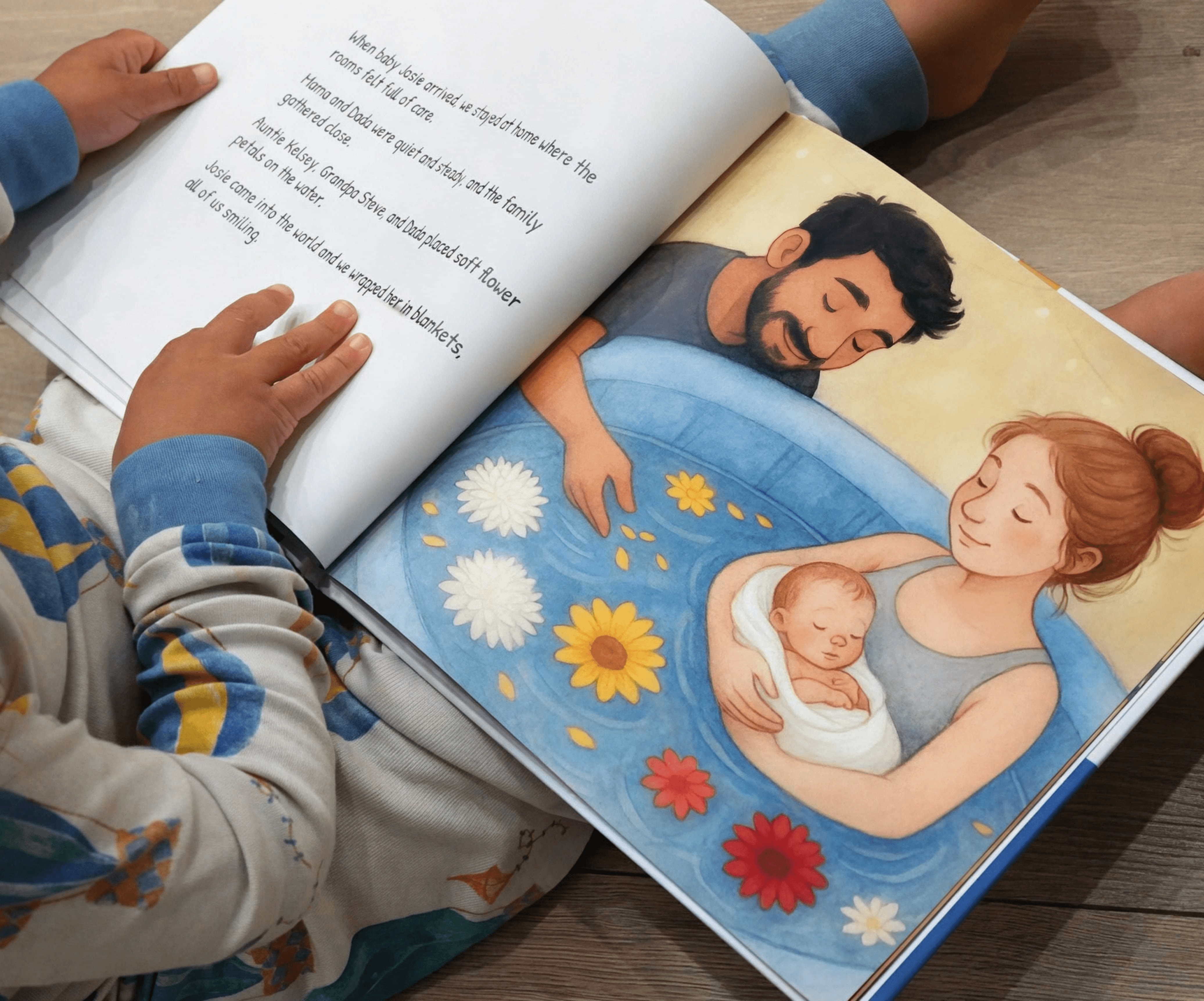
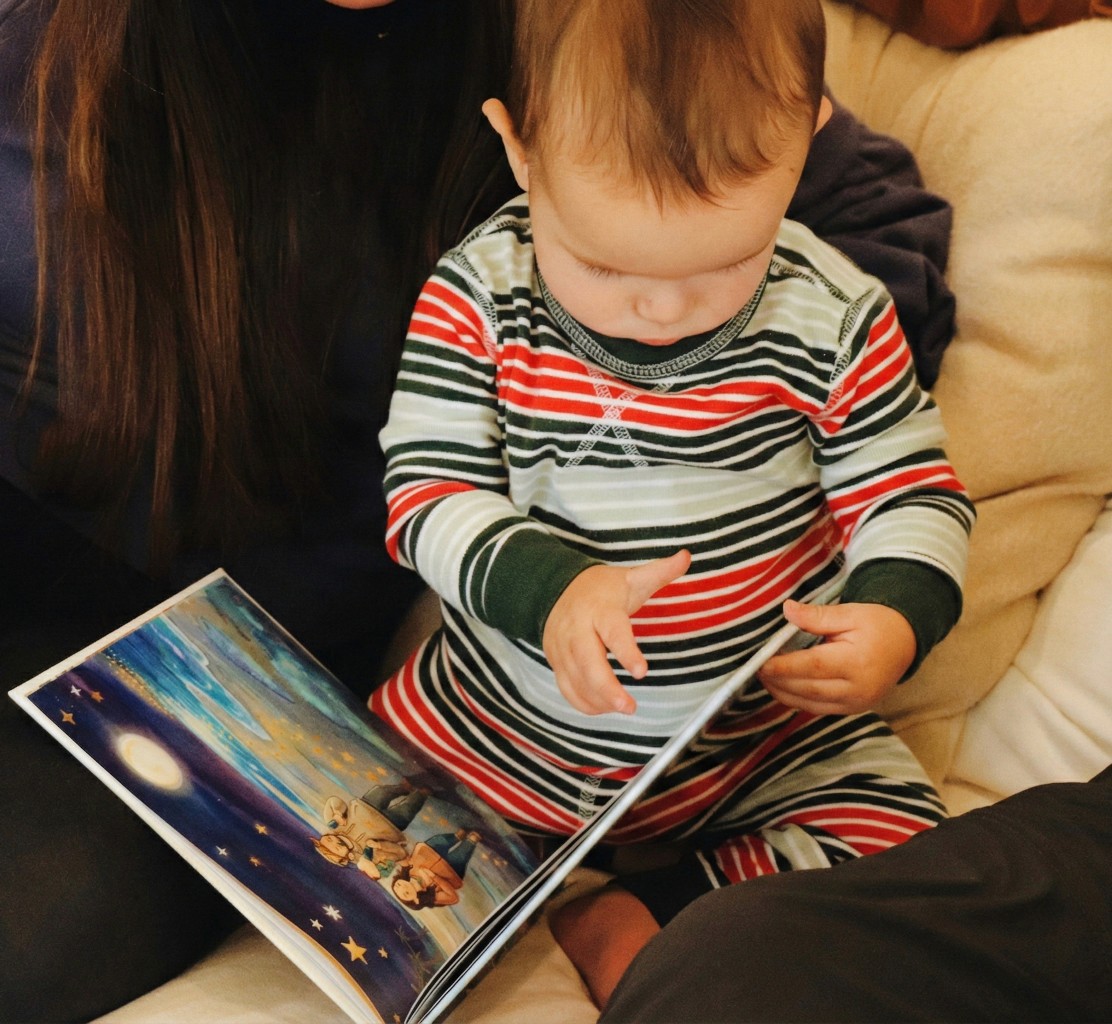
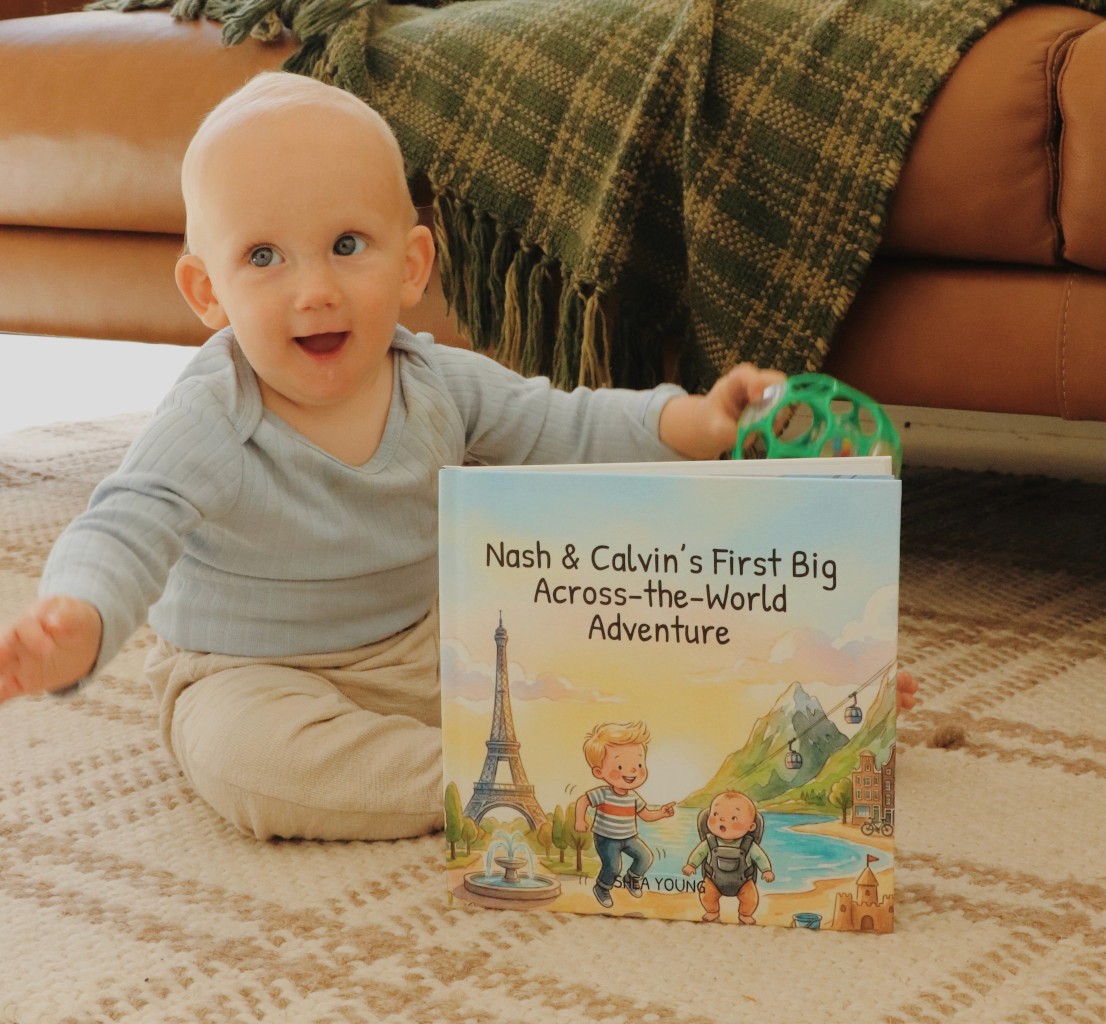
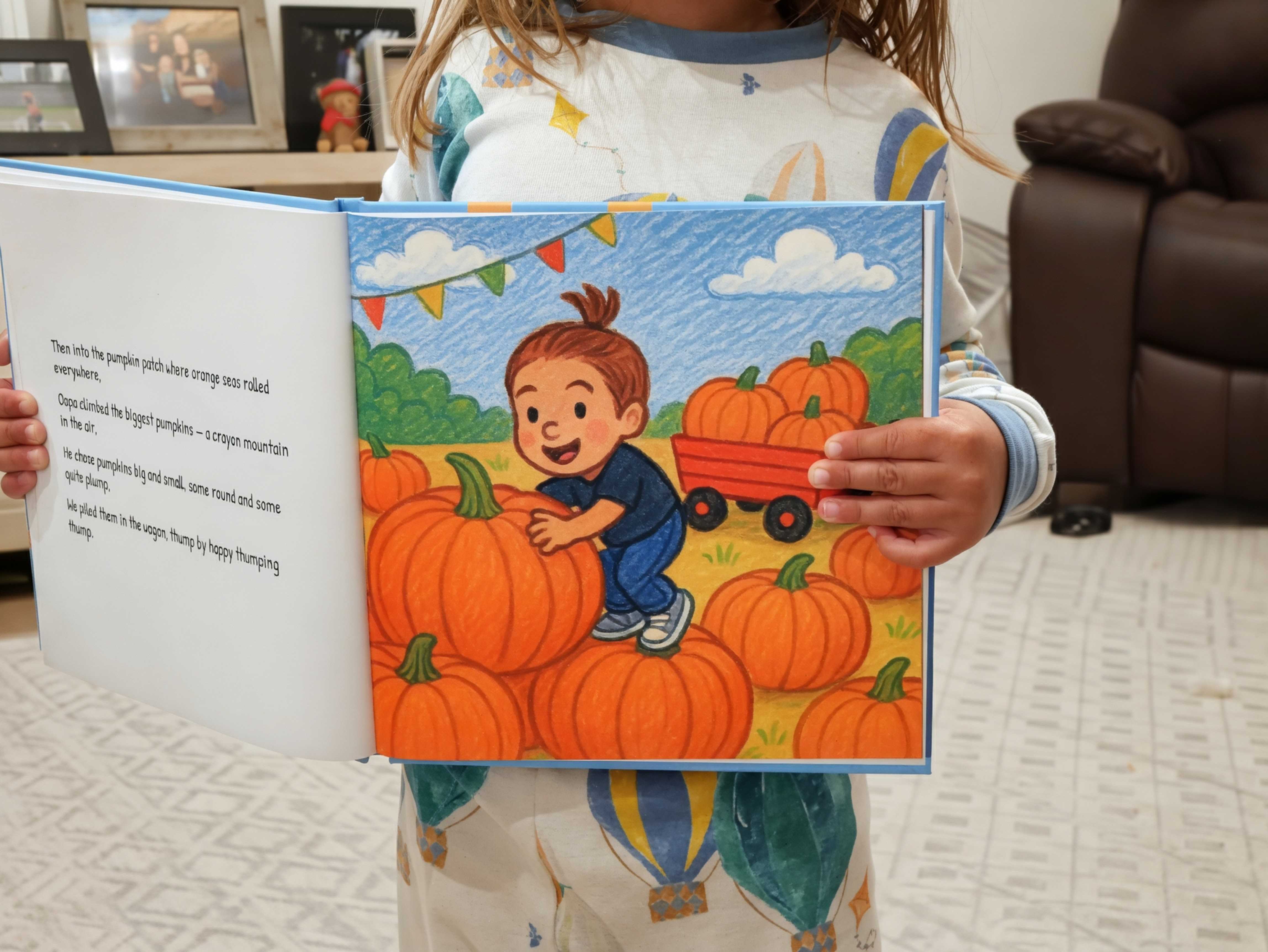
A Personalized Storybook: Creating a custom book that walks them through their day—from your goodbye to your happy reunion—can be incredibly powerful. Reading it together can become part of your routine, turning an anxious event into a familiar story where they are the hero. This approach taps into the well-known benefits of reading to your child by tackling their specific fears in a positive, empowering narrative.
Mastering the Art of the Calm Goodbye
That moment when you actually have to leave—the goodbye—can feel like the hardest part of the whole day. Your gut instinct might scream, “Just one more hug!” or maybe, “I’ll just sneak out while they’re distracted.” But I’ve learned that one of the kindest and most powerful tools we have is a calm, confident, and totally predictable goodbye.

This is your moment to be their rock. When you stay relaxed and positive, you’re sending a clear, unspoken message: “This place is safe, you’ve got this, and I know you’re going to be okay.” Lingering, on the other hand, can accidentally send the opposite signal—that there is something to worry about, which only validates their fears and makes the separation tougher for everyone.
Scripts for a Positive Departure
What you say in that moment matters just as much as what you do. The secret is to use language that’s loving but firm, and always focused on your reunion. Vague promises like "I'll be back later" are too abstract for a little one to grasp. Instead, connect your return to a concrete part of their day they can picture.
Here are a few scripts I’ve used that you can make your own:
"Have so much fun building towers! Tell me all about them when I pick you up after snack time."
"I can't wait to hear the songs you sing today. I'll be back right after you wake up from your nap."
"Give me a big squeeze! I love you, and I will see you after you play outside."
See how these phrases are positive and forward-looking? They don’t get stuck on the sadness of leaving. They create a little spark of excitement for when you see each other again, giving your child something specific and happy to hold onto.
The Power of Practice Separations
The idea of "practicing" a separation might sound a little intense, but it’s not about causing distress. It's about building their confidence with small, successful goodbyes that prove one fundamental truth: you always come back. This is sometimes called graduated separation, and it’s a game-changer for building their emotional stamina.
You start with tiny, low-stakes departures in a place where they already feel safe. The whole point is to create a pattern of success that your child can draw strength from.
Here’s what that might look like over a few days or weeks:
Start at Home: Ask a grandparent to play with your child in the living room while you go into another room for just five minutes.
Level Up: Next, leave them with a trusted caregiver while you step outside to grab the mail or take out the trash for a minute or two.
Extend the Time: Try a 20-minute walk around the block while they stay with a familiar babysitter.
Build Duration: Gradually work your way up to a full hour-long errand.
Every time you return with a calm, happy smile, you’re reinforcing the message that separations are temporary and nothing to fear. This method is incredibly effective; when done consistently, graduated separations can lead to a noticeable drop in distress within just a few weeks. Clinical studies on anxiety-reducing strategies back this up.
Your goodbye sets the emotional tone for your child’s entire day. A swift, loving, and predictable departure communicates safety and confidence, empowering them to face the separation with greater resilience.
Ultimately, mastering the goodbye isn’t about being cold or ignoring your child's feelings. It’s about being a steady, confident leader who gently guides them through a tough moment. The consistency of these positive farewells, much like a solid bedtime routine, provides immense comfort. The same ideas that calm daytime fears can work wonders at night, too—you can check out our guide on how to make bedtime easier for more on that.
Turning Your Child Into the Hero of Their Own Story
Transitional objects are wonderful—a special blanket or a bracelet of yours can be a huge comfort. But what if you could give your child something that lets them practice a happy, successful day at school before it even happens?
That’s the incredible magic of a personalized storybook. It shifts your child from being a nervous bystander in a scary new situation to being the confident hero of their own adventure.
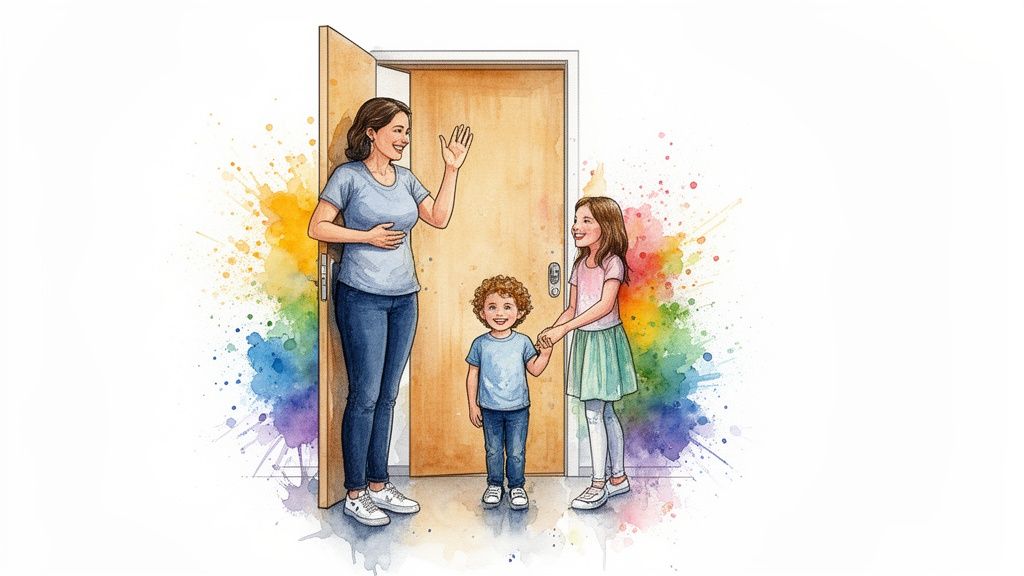
When they see themselves in a story—"Leo's Awesome Day at Preschool"—they start to believe that positive story. It’s more than just fun pictures; it’s a powerful mental script that walks them through the whole cycle of saying goodbye and being reunited, always ending with a joyful hug.
How to Craft a Story That Works
The real power of a personalized story is in the details. A generic book about school is nice, but a book that stars your child, their teacher, and even their favorite stuffed animal creates an instant, deep connection. It makes the unknown feel safe and predictable.
When you create their story, make sure to include these key pieces:
Real Photos: Use pictures of your child, their school building, their new teacher, and you. Seeing familiar, smiling faces makes the story feel real and trustworthy.
Your Goodbye Routine: Show the goodbye ritual you’ve practiced. Add a picture of you giving them a big hug and waving, which reinforces that this is a normal, loving part of the day.
The Fun Stuff: Fill the middle of the book with all the exciting things they’ll do, like playing with blocks, singing songs with their new friends, or eating their favorite snack.
The Happy Reunion: This is the most important part. The story absolutely must end with you coming back, smiling and ready for a huge hug. This drives home the one promise that matters most: you always come back.
Reading this story together can become a treasured routine, especially in the days leading up to school. The narrative is brilliant for soothing those common first-day jitters by using personalized stories and building a solid foundation of confidence.
Why This Kind of "Practice" Works So Well
Kids make sense of their world through stories. When they hear a story where they bravely handle a challenge, their brain actually processes it in a way that’s similar to a real memory.
This "narrative rehearsal" gives them a blueprint for how to feel and what to do when the real moment arrives. It takes the experience from the land of the scary and unknown and moves it into the category of familiar and totally manageable.
By reading a story where separation is just for a little while and fun is guaranteed, you're helping your child build a new, positive memory of something that hasn't even happened yet. It’s a way to proactively rewire their anxious feelings.
Think about it this way: anxiety is fueled by scary "what if" questions. What if Mom doesn't come back? What if I get lonely? A personalized book gives them a powerful, comforting answer: "Mom always comes back, and you’re going to have so much fun playing."
Turning Storytime Into a Comforting Tool
Making your custom storybook part of your routine is simple but incredibly effective. It’s not just another book on the shelf; it's a practical, calming tool for your parenting toolkit.
Here are a few tips to make it even more impactful:
Read It During Calm Moments: Don't just pull this book out on stressful mornings. Read it during cozy, relaxed times, like before bed or on a lazy Sunday. This helps build positive feelings around the story itself.
Use an Upbeat Voice: Your tone makes a huge difference. Read with warmth and excitement, really playing up how much fun school will be and how happy you are to see them at the end of the day.
Let Them "Read" It to You: Encourage your child to point to the pictures and tell you what’s happening. When they take an active role, they own the confident narrative and internalize its message even more deeply.
Ultimately, a personalized storybook helps you and your child write a successful story together. It turns a moment of fear into a predictable and empowering routine, teaching them that they are capable, brave, and always, always loved.
How to Handle Setbacks and Regressions
Just when you think you’ve conquered separation anxiety, a setback can hit you like a ton of bricks. After weeks of smooth, tear-free drop-offs, your child is suddenly clinging to you again after a long weekend, a vacation, or even a simple cold. It can feel so disheartening.
But here’s the thing: this is completely normal. It’s not a sign that you’ve failed or that all your hard work was for nothing.
Progress is almost never a straight line, especially for toddlers and preschoolers. Regressions are just part of their emotional development. Instead of seeing it as a step backward, try to see it for what it is—your child’s way of saying, “Hey, I need a little extra reassurance right now.”

Why Setbacks Happen
Understanding the “why” behind a regression makes it so much easier to handle with patience. These bumps in the road often pop up when a child's sense of security gets rattled, even just a little bit.
Common triggers include:
Changes in Routine: A holiday break, a different caregiver at drop-off, or a shift in their daily schedule can make things feel unpredictable all over again.
Illness or Fatigue: When a child isn't feeling 100%, their emotional battery is low. That makes it much harder to cope with something stressful like saying goodbye.
Big Life Events: A new sibling, moving to a new house, or even just sensing family stress can make a little one crave more security and connection.
Developmental Leaps: Sometimes, as kids master new skills (like talking up a storm!), they can feel overwhelmed and temporarily slide back in other areas. It’s a lot to process!
Recognizing these triggers helps you respond with empathy instead of frustration. Your child isn't trying to be difficult; they’re communicating a need for comfort.
Gentle Troubleshooting for Tough Moments
When a strategy that worked like a charm suddenly stops working, it’s time to adapt, not give up. If your once-flawless goodbye ritual is suddenly met with tears, don’t panic. Get curious and try a gentle reset.
Here are a few ideas to get back on track:
Revisit Your Ritual During Playtime: Practice your special hug and handshake in a low-stress setting at home. Turn it into a game of peekaboo or pretend play. This takes the pressure off and reminds them it’s all about positive connection.
Lean on Your Tools: This is the perfect time to bring back that personalized storybook or transitional object. Reading about their own successful day at school can remind them of their bravery and reassure them that the happy reunion is always coming.
Briefly Shorten Separations: If you can swing it, try a slightly earlier pickup for a day or two. A few shorter, successful separations can rebuild their confidence and prove that you always, always come back.
The key is consistency and patience. When a setback happens, your most powerful move is to return to the foundational strategies of predictability and reassurance. Stay calm, validate their feelings, and stick to the plan.
Partnering with Caregivers and Teachers
You are not on this journey alone. Your child’s teacher or daycare provider is your most valuable ally, especially during a regression. Open communication is everything when it comes to creating a consistent circle of support.
When you notice things are getting tough again, schedule a quick, private chat with their teacher.
What to Discuss with Your Child's Teacher
Topic | Example Script |
|---|---|
Share Your Observations | "We’ve noticed Leo is having a tougher time with drop-offs this week after we got back from vacation. Is he settling in okay after I leave?" |
Explain Your Strategy | "Our 'high-five handshake' has been our go-to. Could you help remind him of it and transition him to an activity right after I go?" |
Ask for Their Insight | "Have you noticed anything in the classroom that might be making him feel a bit more anxious lately? Your perspective is so helpful." |
This team approach ensures your child gets the same calm, confident messages from every trusted adult in their life. It turns a moment of anxiety into an opportunity for their entire support system to reinforce safety and security.
Remember, regressions are just bumps in the road, not the end of the journey.
You’ve practiced the quick, confident goodbye. You’ve co-created a beautiful storybook about their day. You’ve done all the right things, and for most little ones, these strategies are more than enough to help them ride the developmental waves of separation anxiety.
But sometimes, despite your best efforts, the anxiety feels bigger. More persistent.
First, let me be clear: reaching out for professional support is never a sign of failure. It’s a sign that you’re so in tune with your child that you know when it’s time to add another expert to your team. It’s about giving them (and you) a safety net, so a normal phase doesn’t snowball into something more challenging.
Red Flags That It Might Be More Than a Phase
We all expect some tears and clinginess—that’s just part of the territory with toddlers and preschoolers. But if the anxiety seems to be growing instead of shrinking, and it’s been several weeks, it might be time to chat with your pediatrician or a child therapist.
Here are a few things to watch for:
Persistent Physical Symptoms: Are tummy aches or headaches suddenly common on school mornings? If there’s no medical reason, anxiety could be the culprit.
Intense Worry in Advance: The anxiety isn't just at drop-off. It’s starting the night before, or even days ahead, disrupting sleep and weekend fun.
Panic at Separation: This isn’t just crying. It looks more like inconsolable distress—shaking, shortness of breath, or an overwhelming sense of dread that you can’t soothe.
Consistent School Refusal: It goes beyond, “I don’t want to go.” It’s a daily, intense battle that throws the whole family into chaos.
Anxiety Interfering with Fun: Is the fear of separation keeping your child from enjoying things they normally love, like playdates, birthday parties, or even playing in another room at home?
If these behaviors feel familiar and they’re getting in the way of your child’s happiness, a professional can offer a fresh perspective and a clear path forward.
What is Separation Anxiety Disorder?
When these symptoms become severe, persistent, and get in the way of daily life, they might point to Separation Anxiety Disorder (SAD). This is a clinical diagnosis, and it’s much more intense than the typical clinginess we see in little ones. It’s an excessive, developmentally inappropriate fear of being away from you.
It’s so important to hear this: it is not your fault. It's a recognized condition, and there are incredibly effective ways to support a child who is struggling with it. A professional can help you understand if your child’s experience fits the criteria for SAD or if they just need a more tailored approach for their big feelings.
Seeking help is about adding another expert to your child's team. It demystifies the challenge and provides a clear, actionable path forward, empowering you to make the best decision for your family with confidence.
What Does Professional Support Look Like for a Young Child?
The idea of "therapy" for a toddler might sound strange, but it’s not what you probably picture. For young children, it’s all about play, connection, and giving both you and your child practical skills.
Here’s what it often involves:
Play Therapy: A therapist uses toys, games, and art to help your child express feelings they don't have the words for yet. In this safe space, they can work through their fears and practice being brave.
Parent Coaching: Often, the therapist works directly with you. They’ll give you specific scripts, strategies, and insights tailored to your child so you can become the most effective agent of change at home.
Family Therapy: Sometimes, the whole family gets involved to strengthen communication and make sure the home environment feels as secure as possible for everyone.
Making that first call is a brave, proactive step. It’s a testament to your love and dedication, ensuring your child gets all the tools they need to feel confident, secure, and ready to take on the world.
A personalized storybook from Once Upon A Memory Books LLC can be a wonderful tool to complement your efforts, turning anxious moments into a story of bravery and happy reunions. By creating a custom book that stars your child, you give them a powerful way to rehearse success and see themselves as the hero of their own day. Explore how to build a story that builds confidence.