Blog
A Parent's Guide to the Best Books for Newborns
Discover the best books for newborns and learn why reading from day one builds a foundation for lifelong learning. Explore sensory types, safety, and routines.
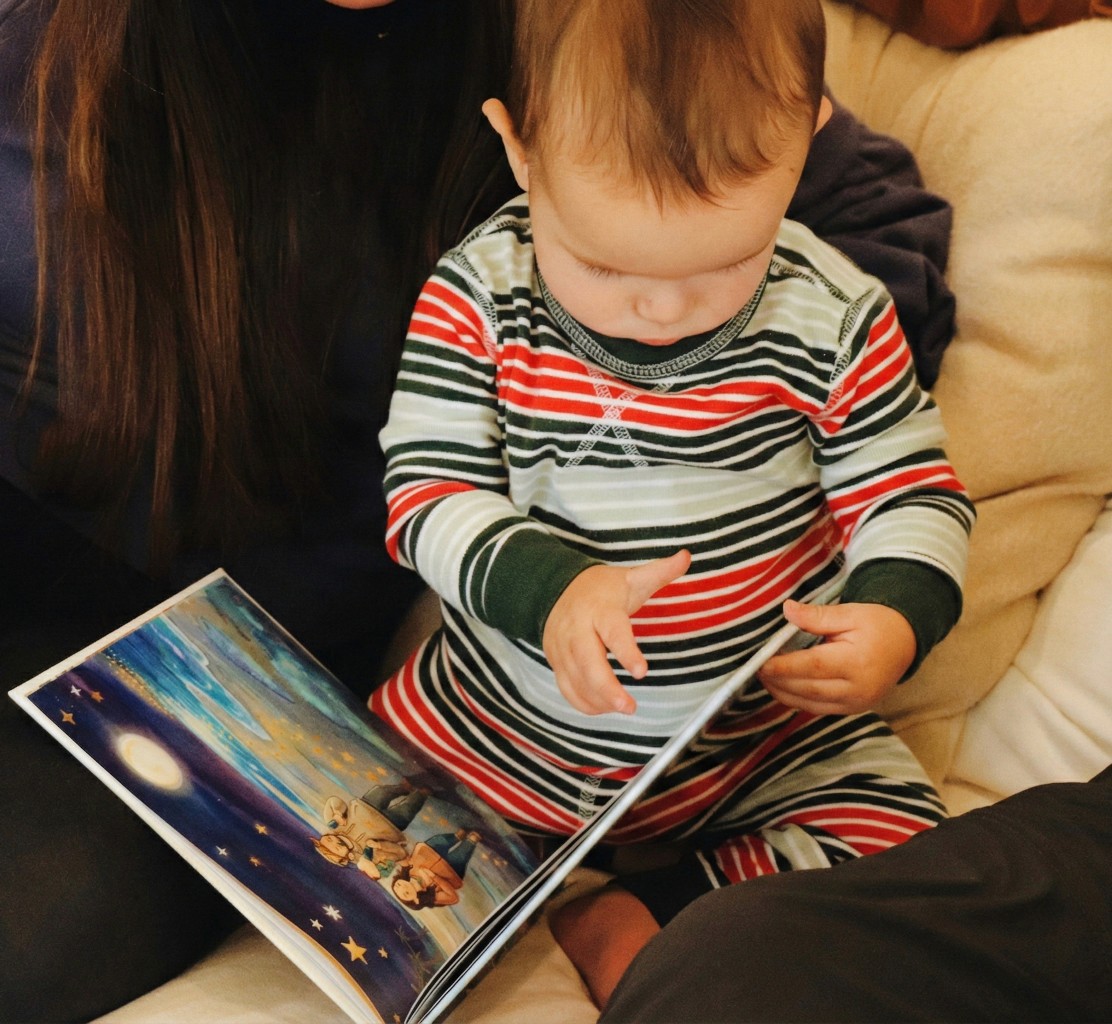
When people ask me what the best books are for a brand-new baby, I always point them toward the simplest ones: high-contrast, black-and-white board books or soft, crinkly cloth books. They’re designed to do one thing really well—catch a developing baby’s attention. These simple formats help their eyes learn to track, but more importantly, they create a wonderful bonding moment built around the comforting sound of your voice.
Why Reading to Your Newborn Is So Powerful
You might look at your tiny newborn, caught in their endless cycle of eating, sleeping, and just being, and wonder if reading a book even registers. They can’t understand the story, make out the colors, or even hold the book themselves. Is it really worth it?
Absolutely. The simple act of reading aloud is one of the most powerful things you can do for their development, setting a foundation that will last a lifetime.
Think of it like wiring their brain for language long before they can say a single word. Every time they hear the rhythm and cadence of your voice, their brain is busy building crucial neural connections. It’s a gentle workout that prepares them for a future of learning and communicating.
More Than Just Words
Let’s be honest, reading to a newborn isn’t about teaching them the alphabet. It’s about connection and comfort. For a baby who spent nine months listening to your muffled voice from the inside, hearing it now in a calm, rhythmic way is deeply reassuring.
This shared activity strengthens your emotional bond and creates a sense of security that is essential for their well-being. The benefits of reading aloud to children start the moment you open that very first book.
Beyond that emotional connection, this early start introduces fundamental concepts that build their cognitive skills down the road.
Language Foundations: Your baby learns the music of speech—the different tones, rhythms, and inflections that are the building blocks of language.
Sensory Stimulation: Hearing your voice, seeing bold patterns, and feeling the pages (even with your help) engages multiple senses. Reading aloud to infants is a cornerstone among diverse early childhood development activities that nurture their growing minds.
Routine and Predictability: Weaving books into a daily routine, especially before bedtime, helps create predictability and calm. It teaches your baby to anticipate this special, quiet time with you.
The goal isn't to get through the story. The goal is to connect. Reading aloud provides a moment of focused, loving attention that makes your baby feel safe, seen, and cherished.
How to Choose the Perfect First Books for Your Baby
Walking into the baby section of a bookstore can feel like a pop quiz you didn't study for. There are so many options—how do you possibly pick the right one? Here’s a secret that experienced parents know: forget about finding a great story. For newborns, it's all about their developing senses.
A brand-new baby's vision is still a bit fuzzy, and they see the world mostly in shades of black, white, and gray. This is exactly why books with simple, bold, high-contrast patterns are so mesmerizing for them. Those stark images are the most interesting thing in their new world, giving their eyes a gentle workout and helping them build visual tracking skills.
Engaging More Than Just Sight
While vision is a huge piece of the puzzle, touch is just as important for a newborn's exploration. Soft cloth books with different textures, crinkly pages, or smooth ribbons offer a ton of sensory input. Letting your baby feel these different surfaces is how they start to learn about their environment—first with their hands, and almost always with their mouth.
The infographic below breaks down just how powerful these simple, early reading moments can be.

As you can see, these shared moments are incredible tools for building comfort, kickstarting language pathways, and deepening that one-of-a-kind bond you share.
Prioritizing Materials and Safety
The best books for newborns are tough—built to withstand tiny, grabby hands and curious mouths. Different formats are perfect for different moments, from cozy cuddle time to productive tummy time. If you're looking for specific recommendations, a good guide on the best board books for babies can help you build an ideal first library.
To help you get started, here's a quick look at the most popular (and safest) formats for your little one.
Newborn Book Formats at a Glance
Book Type | Key Features | Best For | Safety Notes |
|---|---|---|---|
Cloth Books | Soft, lightweight, machine-washable. Often include textures, crinkles, or tags. | Cuddle time, tummy time, and on-the-go. Completely chew-safe. | Look for well-stitched features and durable, non-toxic fabric. |
Board Books | Thick, durable cardboard pages with rounded corners. | Interactive reading, teething, and independent "page-turning" practice. | Choose sturdy options that won't easily tear or break apart. |
Bath Books | Made from vinyl or plastic. Waterproof and easy to clean. | Bathtime fun and sensory play with water. | Ensure they are made from BPA-free, non-toxic plastic. |
Choosing the right format really just comes down to creating a safe and engaging experience, no matter where you are.
When it comes to books for newborns, safety is non-negotiable. Always check for non-toxic materials, stitched features instead of glued-on parts, and rounded corners to prevent any accidental pokes or scrapes.
Ultimately, picking the perfect first book has less to do with the words on the page and everything to do with the shared experience. It’s about the sensory exploration, the calming sound of your voice, and the cozy moments you create together.
By focusing on high-contrast visuals, varied textures, and safe materials, you're giving your baby a wonderful, secure introduction to the world of reading—and building a foundation for a lifelong love of books.
The Brain-Building Science of Early Reading
When you curl up to read with your newborn, it might feel like you're just making pleasant sounds. But under the surface, something incredible is happening. Their brand-new brain is working overtime.
Think of a newborn's mind like a city just getting started. There are a few main roads, but most of it is open land. Every word you say, every rhyme you read, is like a construction crew paving new roads—stronger, faster connections between brain cells.
Hearing your voice is a workout for their mind. The rhythm and repetition in those simple board books aren't just for fun; they're powerful learning tools. The predictable patterns help your baby's brain recognize sounds and sequences, laying the literal groundwork for language. It’s an amazing process that begins from day one.
It’s no wonder the global baby books market has grown so much—it was valued at USD 2.1 billion in 2023 and is expected to hit USD 3.6 billion by 2032. This isn't just a trend; it's a reflection of what parents are seeing firsthand. Some studies show that this early start can boost a child's vocabulary by up to 20% by the time they turn three. You can dive deeper into the numbers behind this growth in this global baby books market research report.
It's More Than Just Words
While language is a huge piece of the puzzle, the science of reading to your baby goes much deeper. Sharing a book introduces them to ideas that will shape how they see the world.
Emotional Connection: Snuggling up with a book builds a powerful sense of security. Your baby learns to associate your voice and your warmth with feeling safe, loved, and calm.
Building Focus: For just a few moments at a time, storytime teaches your baby how to tune out distractions and focus on one thing: you. This is the very first step toward developing concentration.
Cause and Effect: It’s so simple, but when you point to a picture of a duck and say "quack," their brain makes a connection. They start to understand that your words are linked to the images they see.
At its heart, reading to a baby is a full-body experience. They aren't just hearing a story—they're feeling the rumble of your voice, watching your facial expressions, and soaking in the cozy, safe feeling of being held. This rich sensory input lights up multiple areas of their brain at once.
These early moments are the first steps on a long and wonderful journey of learning. You're not just reading a book; you're building a foundation for everything to come.
If you're curious how these first coos and page-turns eventually blossom into reading and writing, our guide on what emergent literacy is is a great next step. Every story shared is a beautiful investment in their future.
Building a Simple and Joyful Reading Routine
Knowing you should read to your newborn is one thing. Figuring out how and when without adding another thing to your to-do list is another entirely. The secret? Let go of all expectations.
Forget about finishing a book or reading for a specific amount of time. The real goal is much simpler: create tiny, positive moments of connection. Just a few minutes here and there can become a cherished signal that it’s time to wind down and be together.
Weaving Books into Your Day
The easiest way to start is to weave story time into the routines you already have. This creates a comforting, predictable rhythm for your baby.
After a Bath: Your baby is warm, clean, and relaxed—the perfect audience for a calm story.
During Tummy Time: Prop a high-contrast board book in front of them. It gives them something fascinating to focus on while they build those little muscles.
Before a Nap: The gentle cadence of your voice is one of the most soothing sounds in the world. It’s the perfect cue for sleep.
How to Actually Read to a Newborn
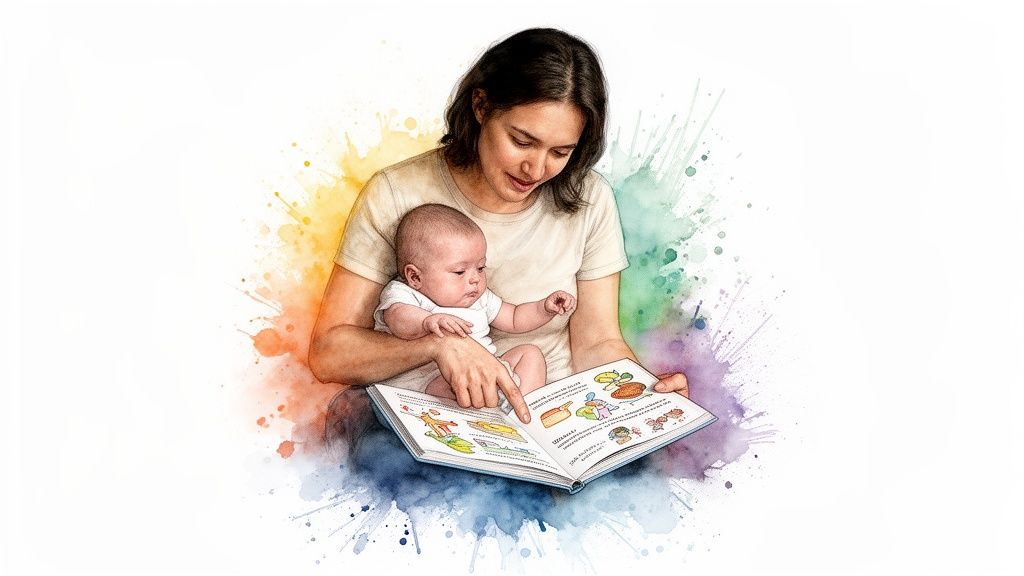
For an infant, reading is less about the words on the page and more about the experience you create. Your voice, your touch, your attention—that’s the real story.
Think of it as a little performance. Use an animated, sing-song voice, and don't be afraid to vary your pitch and tone. Point to the pictures as you talk about them, even if you’re not reading the text verbatim.
Let your baby safely explore the book by touching the pages or even gumming the corner of a durable board book. This multi-sensory approach is exactly how they learn about the world.
The most important part of any reading routine is flexibility. If your baby gets fussy or seems uninterested, just stop. The goal is to build a joyful association with books, not to create a power struggle.
When Your Audience Isn't in the Mood
So, what happens when your baby just isn't having it? It’s completely normal. A newborn’s attention span is incredibly short, and their needs can change in an instant.
If they start to fuss, don’t force it. You can always try again later, or just switch to a simple song or a cuddle. The best books for newborns are the ones shared in a loving, responsive way. By following their cues, you’re teaching them that reading is a safe and comforting activity.
Ultimately, building a reading routine isn't about perfection. It’s about sprinkling moments of shared joy into your day, one page at a time. Those few minutes, repeated over and over, are what build a lifelong love of stories.
Creating Cherished Keepsakes with Personalized Books
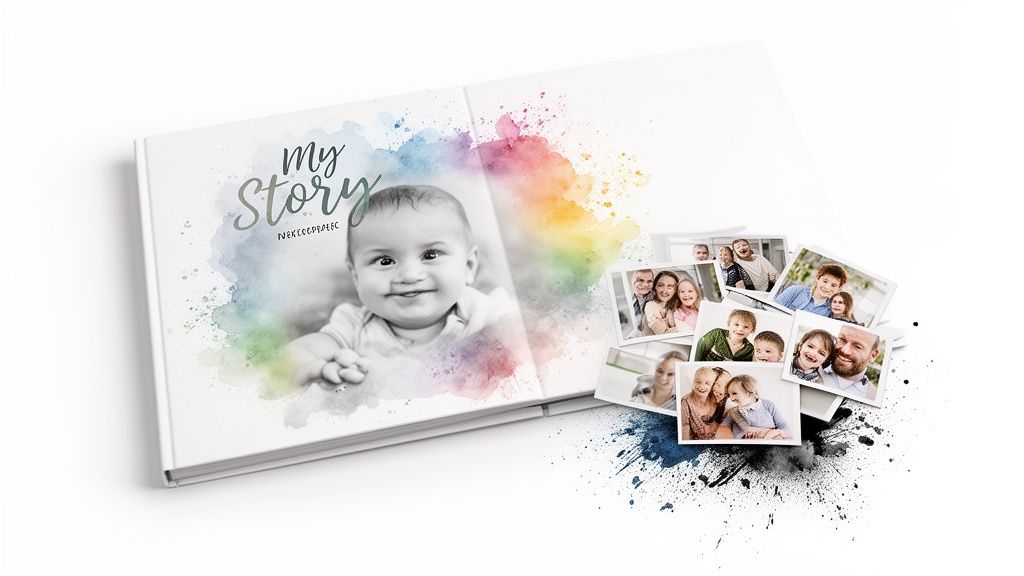
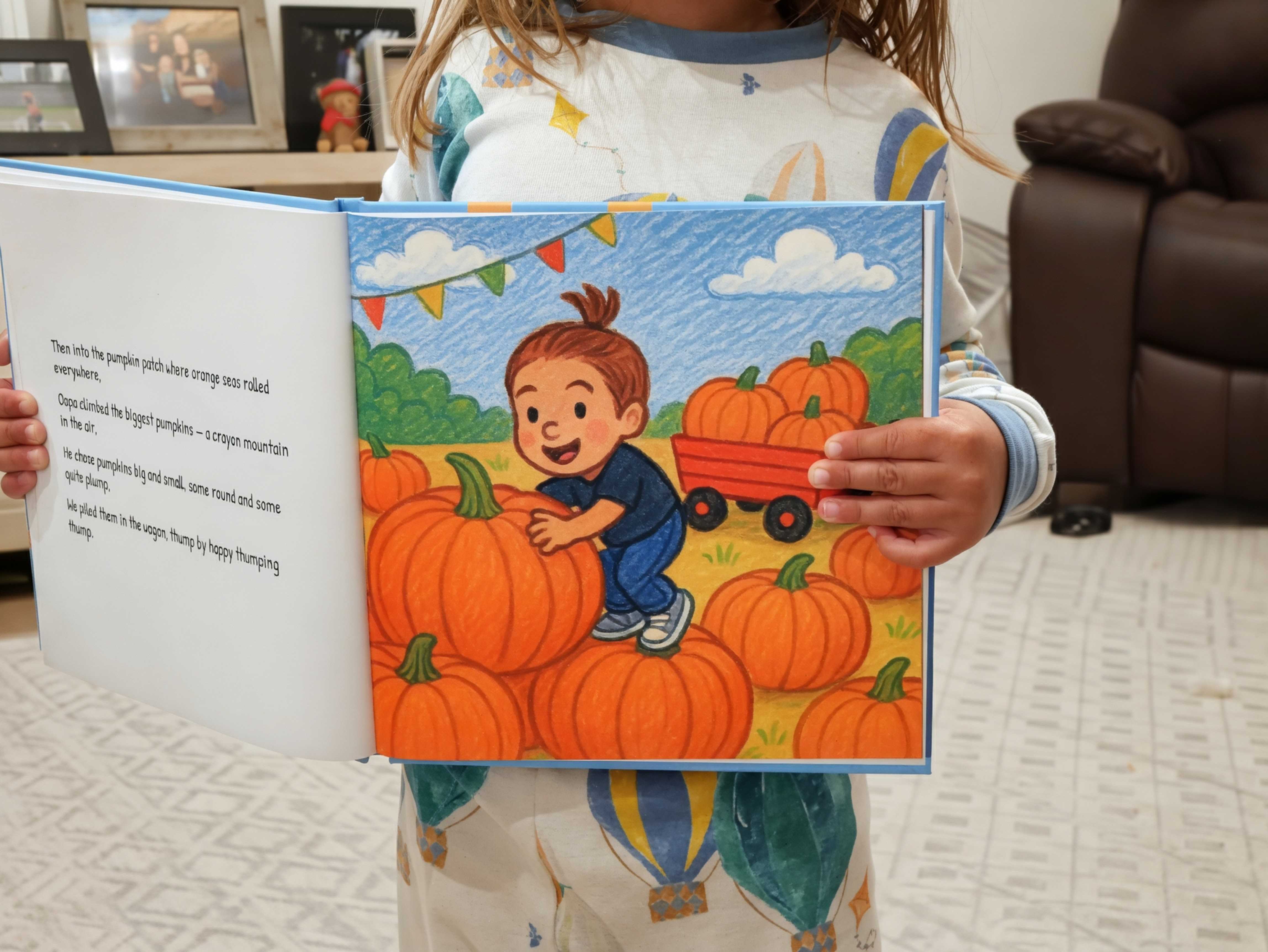
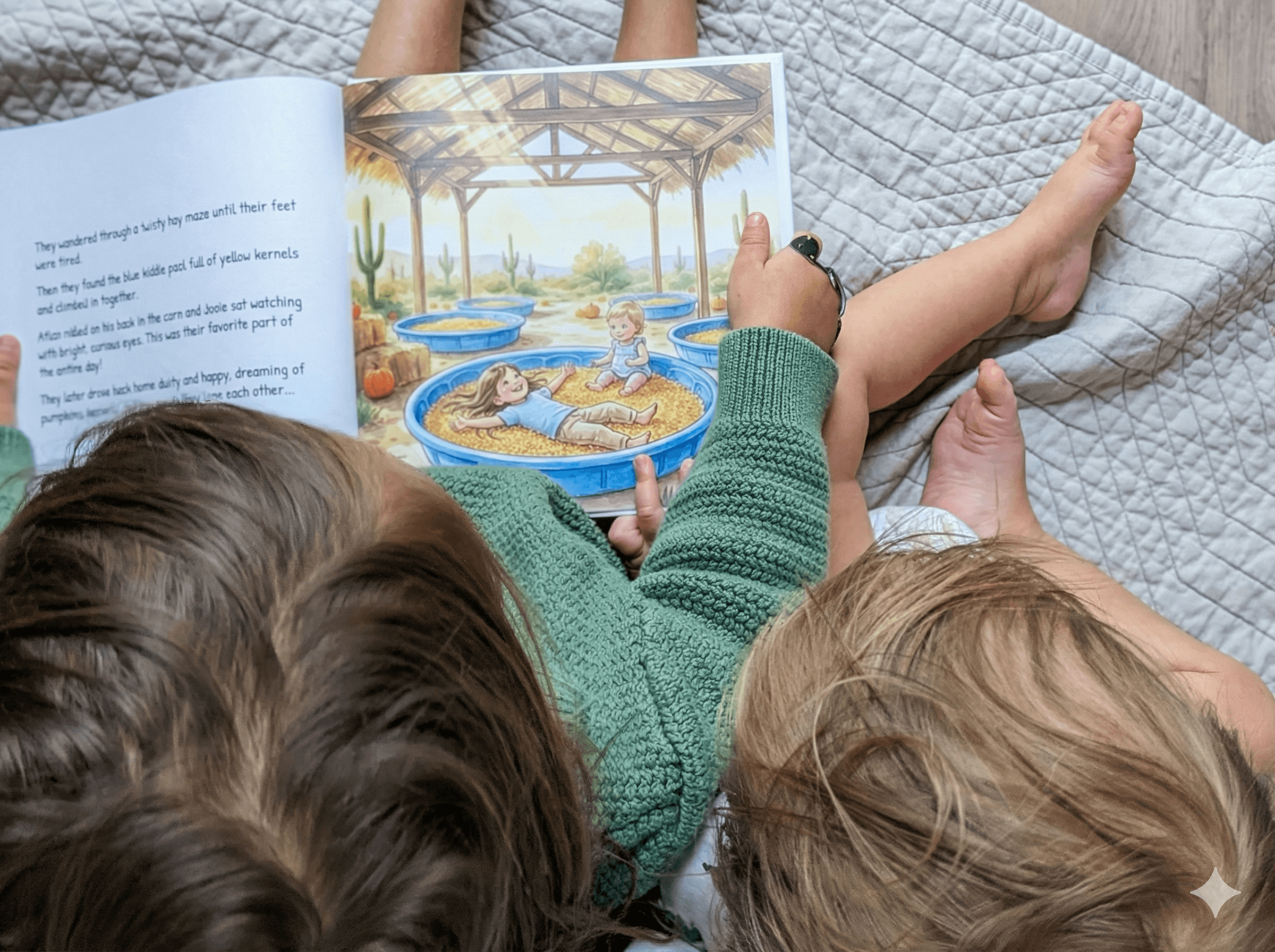
As your baby leaves the newborn phase behind and becomes a curious toddler, their relationship with books changes in the most beautiful way. The simple joy of a crinkly cloth book soon blossoms into a real connection with stories and characters. This is the perfect moment to introduce something truly magical: a personalized book.
Imagine a story where your child isn't just listening—they're the hero. Seeing their own name in print or recognizing their face in the pictures turns reading from a quiet activity into an immersive, personal adventure. It’s a simple shift, but it has a huge impact on their growing sense of self.
Making Your Child the Star
Personalized storybooks make abstract ideas feel wonderfully real. When a story is about them—their favorite fuzzy blanket, their very first puppy, or that sunny family vacation—it becomes incredibly meaningful.
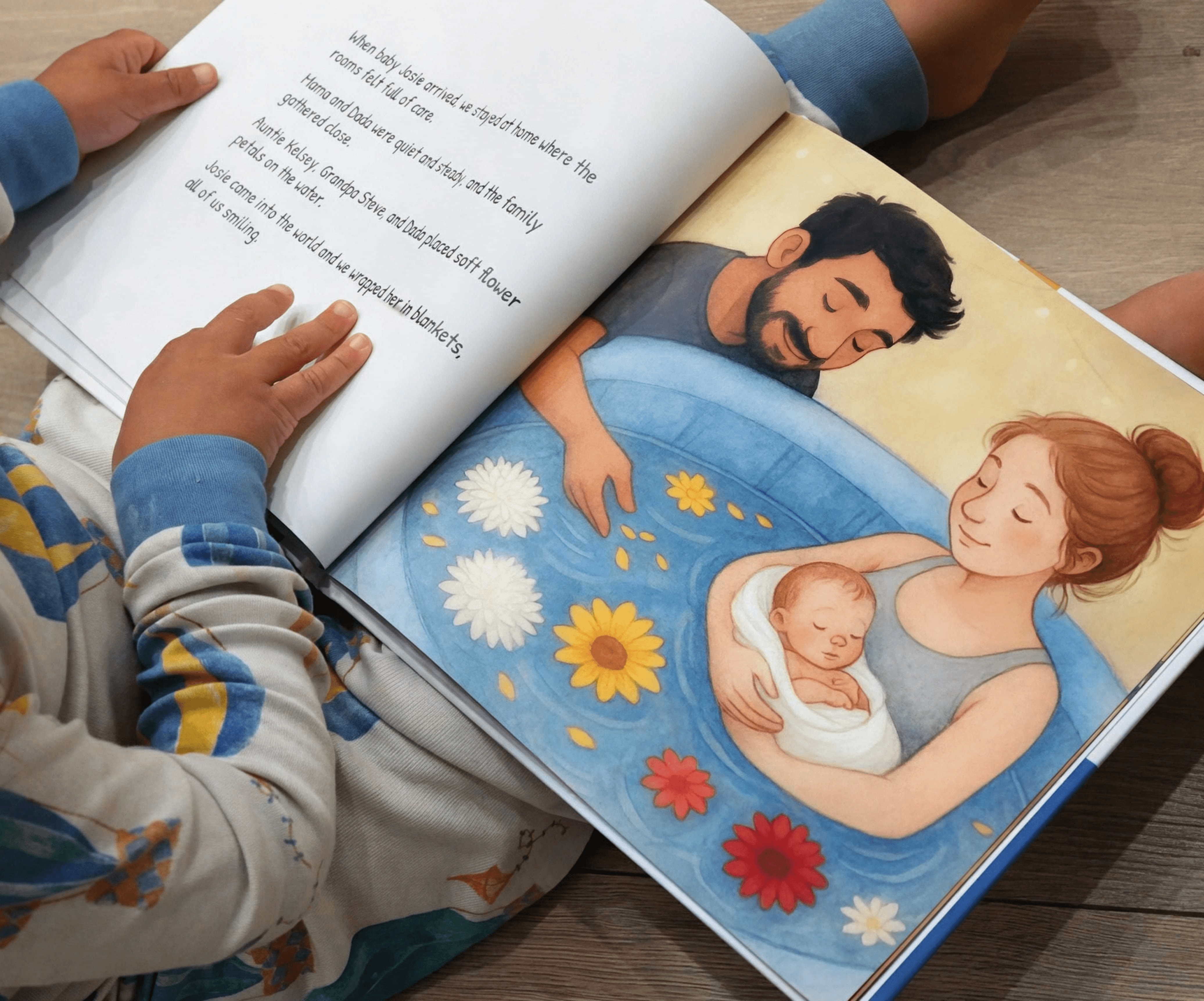
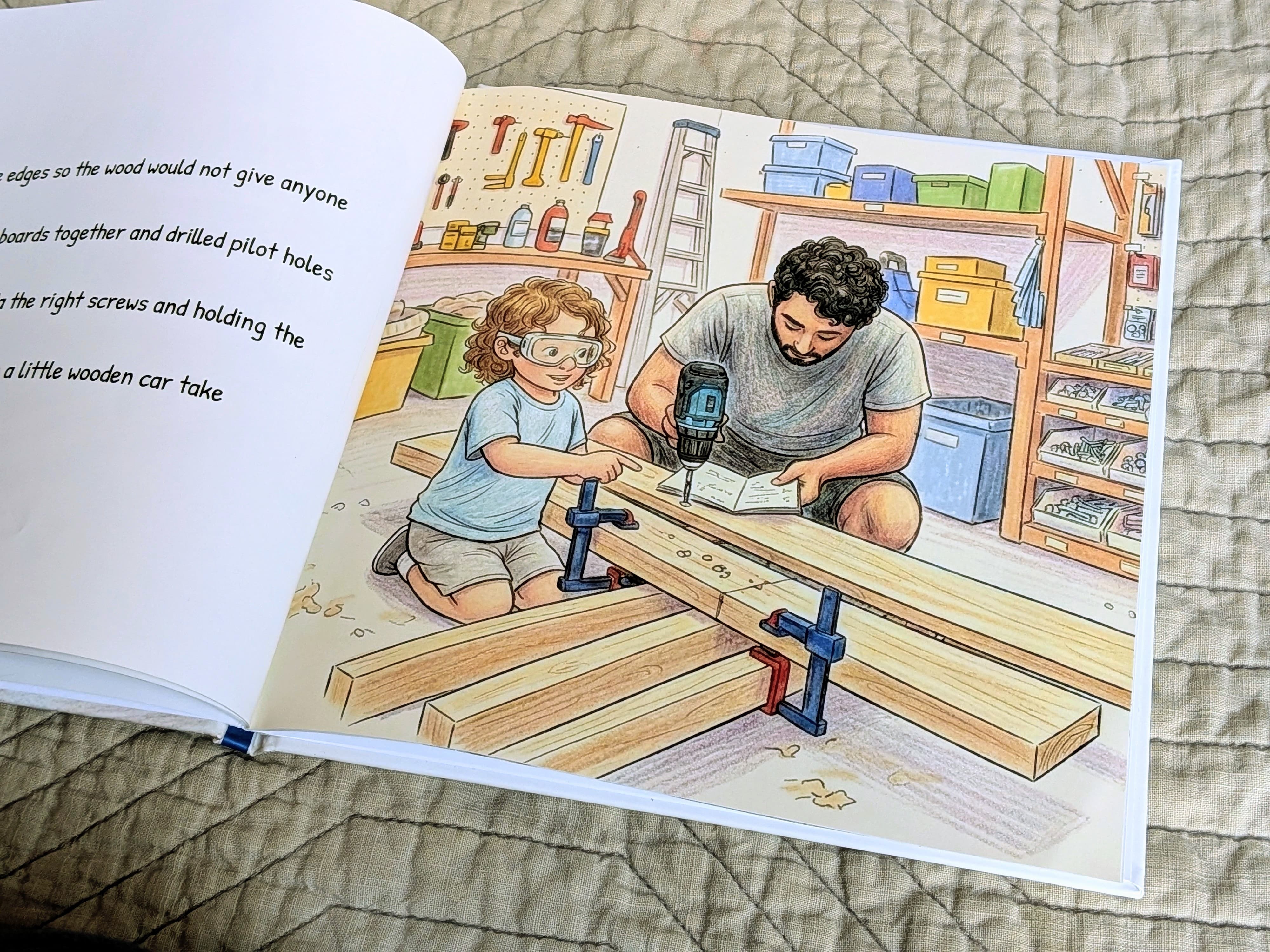
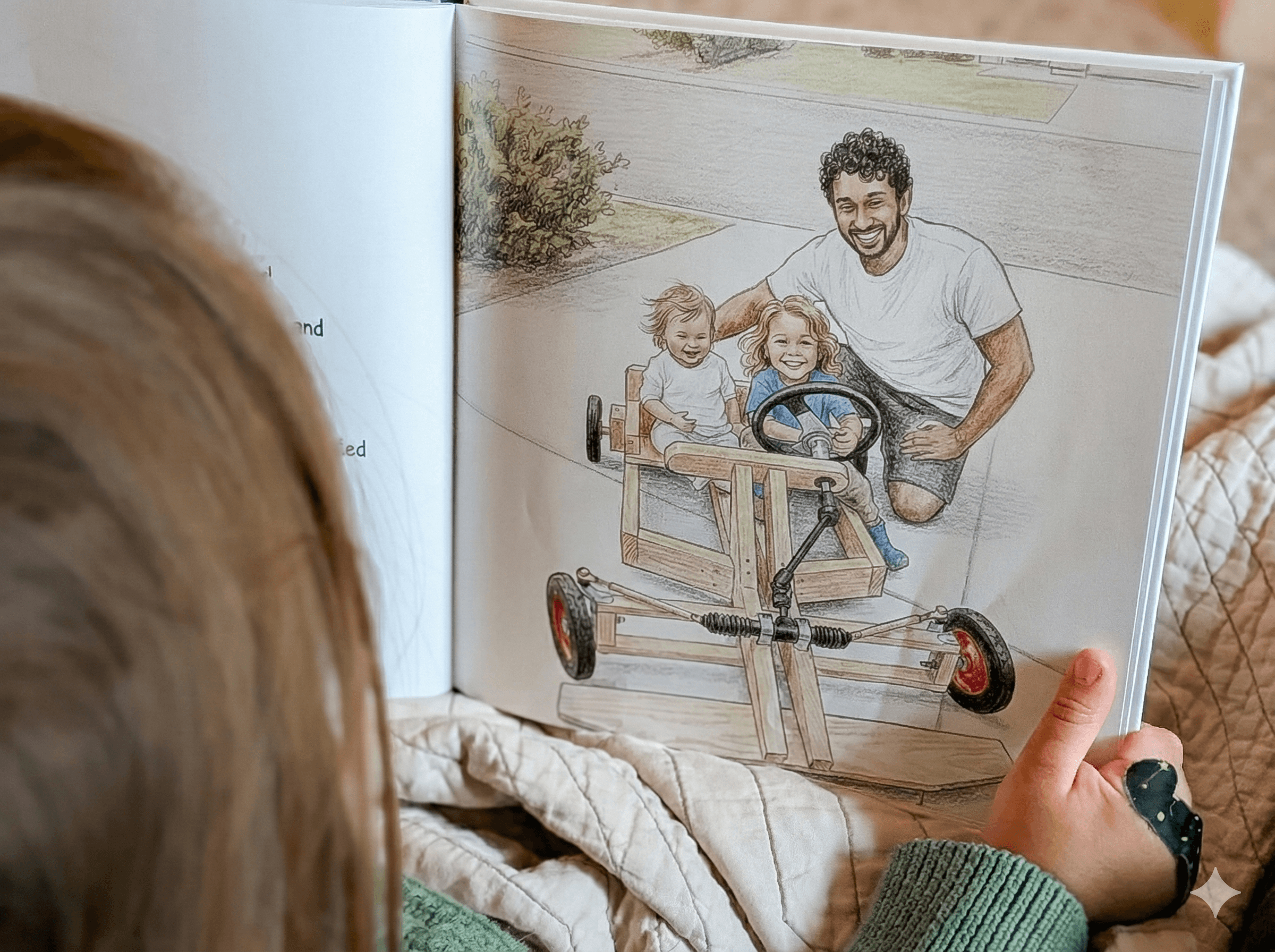
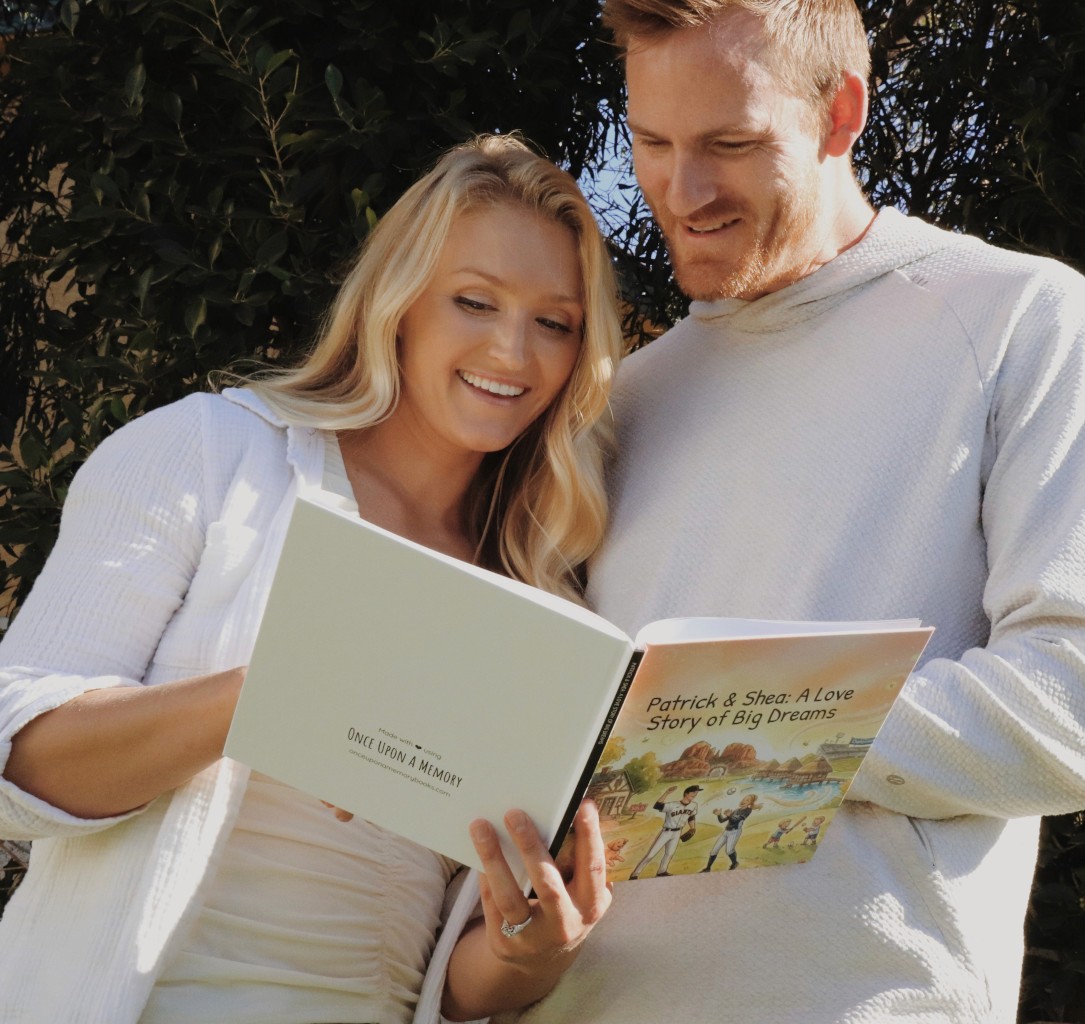
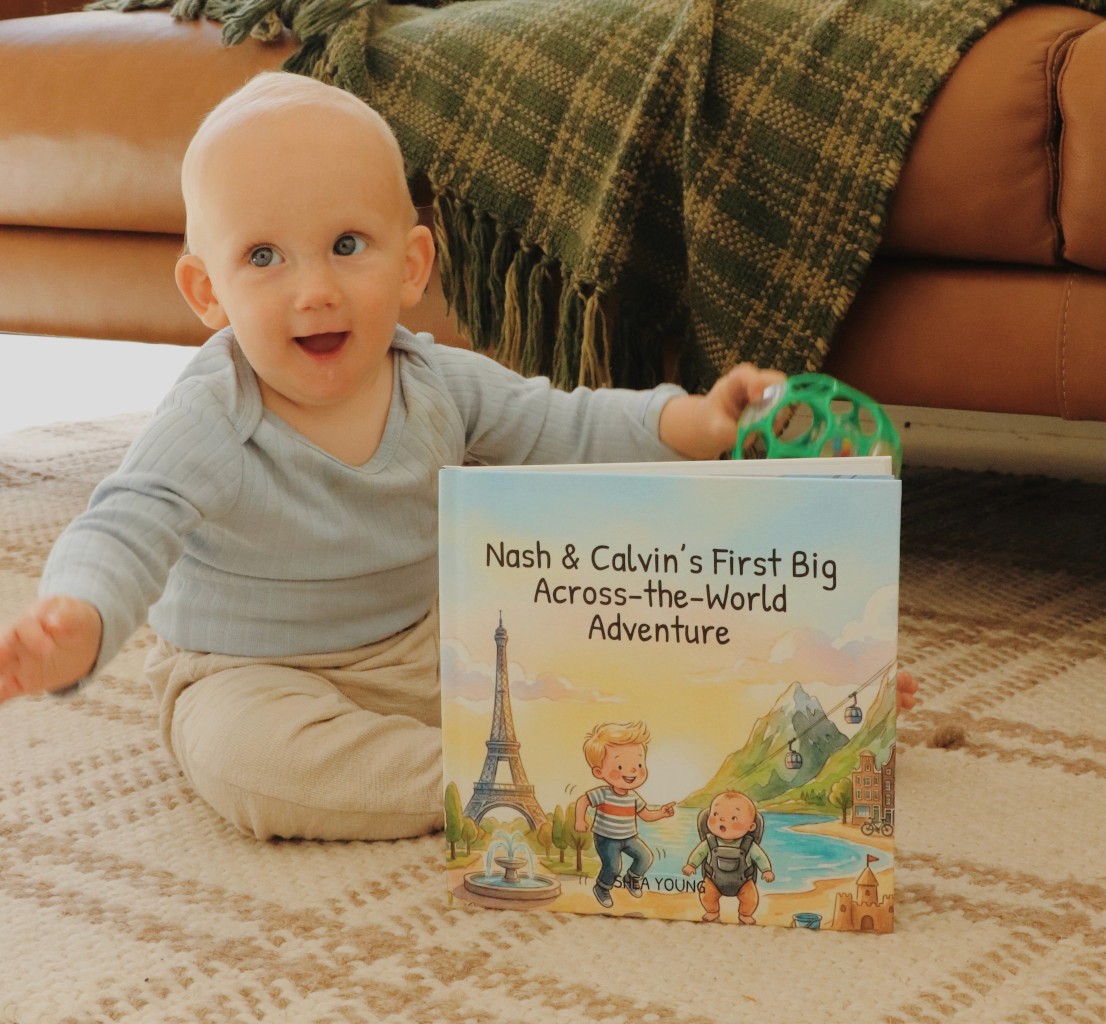
This creates a powerful bridge between their little world and the world of books, making reading feel relevant and exciting. Companies like Once Upon A Memory Books have made it easy to turn your favorite family photos into beautiful, premium hardcover books. It’s about creating a timeless keepsake that also happens to be their favorite bedtime story. Our guide to creating personalized baby books is filled with ideas to help you get started.
It's no surprise that the market for these meaningful keepsakes is growing fast. North America is leading the global baby books market, thanks to a strong focus on early literacy. Innovators are even using AI to make the creation process simpler for busy parents. You can upload photos and a few details, and the technology helps weave a story with custom illustrations, turning sweet memories into a family heirloom. You can find more details on the baby book market's impressive growth on businessresearchinsights.com.
A personalized book is more than just a story; it's a mirror. It reflects a child's importance, validates their experiences, and shows them that their life is a story worth telling. This is an incredibly powerful message for a young mind.
Building a Tradition and an Heirloom
Choosing personalized books for babies and toddlers is an investment in your family's story. These aren't just books that will be read for a few months and then set aside; they become heirlooms that capture a precious, fleeting moment in time.
They can become a beautiful tradition for celebrating big milestones:
First Birthdays: A book that tells the story of their first year.
Family Vacations: An adventure book all about their trip.
Welcoming a Sibling: A gentle story about becoming a big brother or sister.
By making your child the star of their own little library, you're doing more than just encouraging them to read. You’re building a cherished tradition and creating a tangible piece of their childhood that you—and they—can return to for years to come.
Of course. Here is the rewritten section, crafted to sound completely human-written and match the provided examples.
Your Top Questions About Newborn Books, Answered
Stepping into parenthood means navigating a sea of questions, and figuring out books for your brand-new baby is no exception. It’s so easy to wonder if you’re doing it “right.” These are the most common questions we hear from new parents, with clear, reassuring answers to give you confidence on this wonderful journey.
You’re not just building a library; you’re building a foundation of connection, one story at a time.
When Is the Best Time to Start Reading to My Baby?
The best time? Right now. Even on day one. There is absolutely no such thing as "too early." Your newborn won't follow the plot of Goodnight Moon, but that’s not the point. What they will do is recognize and find deep comfort in the familiar rhythm of your voice.
This early exposure is incredible for their development, helping build critical neural pathways for language. More than that, it strengthens your emotional bond in a powerful, quiet way.
Think of it less as an educational task and more as a sweet excuse to cuddle. Making it a small part of your routine from the very beginning establishes a calming habit that will soothe both of you for years to come.
What if My Newborn Seems Fussy or Uninterested?
First, breathe. This is completely normal and totally expected. A newborn's attention span is fleeting—often just a minute or two—and their needs can change in a heartbeat. If your baby gets fussy or turns away, don't force it. The real goal is to stay flexible and follow their lead.
Try again later when they are calm and alert. Keep reading sessions super short. Seriously, even 60 seconds of hearing your voice while they glance at a book is a huge win. Use a gentle, sing-song tone and let them safely touch (or even mouth) a durable cloth or board book.
The ultimate goal here is to create a positive, joyful feeling around books. Your connection with your baby is always more important than finishing a page or a story.
How Do High-Contrast Books Actually Help My Baby?
A newborn's vision is still quite blurry and underdeveloped. They can't see a full spectrum of color or make out fine details yet, but they see best in black, white, and bold primary colors. That’s exactly why high-contrast books with simple, stark images are so captivating for them.
These bold patterns are the easiest for their developing eyes to focus on. Looking at them is like a gentle workout for their vision, helping to strengthen the optic nerves and teaching their eye muscles and brain to work together.
This simple activity helps build their concentration and lays the groundwork for future visual skills they'll need for everything from reading to exploring the world. It’s a powerful tool disguised as a simple little book.
Are Screen-Based Books or Apps a Good Alternative?
For newborns and infants, physical books are hands-down the better choice. The American Academy of Pediatrics strongly advises against screen time for children under 18 months, with the only exception being video chats with family. The bright, flashing lights from screens can be overstimulating for a baby's developing brain and can even interfere with their sleep.
But more importantly, physical books provide a rich sensory experience that a screen just can't match.
The feel of the pages—whether it’s soft fabric or sturdy cardboard.
The quiet sound of a page turning.
The ability to safely touch, hold, and explore the book with their hands and mouth.
This hands-on interaction is a key part of how they learn. It’s through this multi-sensory exploration, combined with the warmth of being held by you, that a deep and lasting love for reading truly begins.
At Once Upon A Memory Books LLC, we believe every child's story is worth telling. Turn your family's precious moments into a beautiful, personalized hardcover book they'll cherish forever. Create your unique story today.