Article
When Someone Your Child Loves Dies: How Storytelling Can Help Them Grieve
Grieving is different for children. Discover how storytelling—especially from the voice of a loved one—can comfort, connect, and help kids process loss with love.
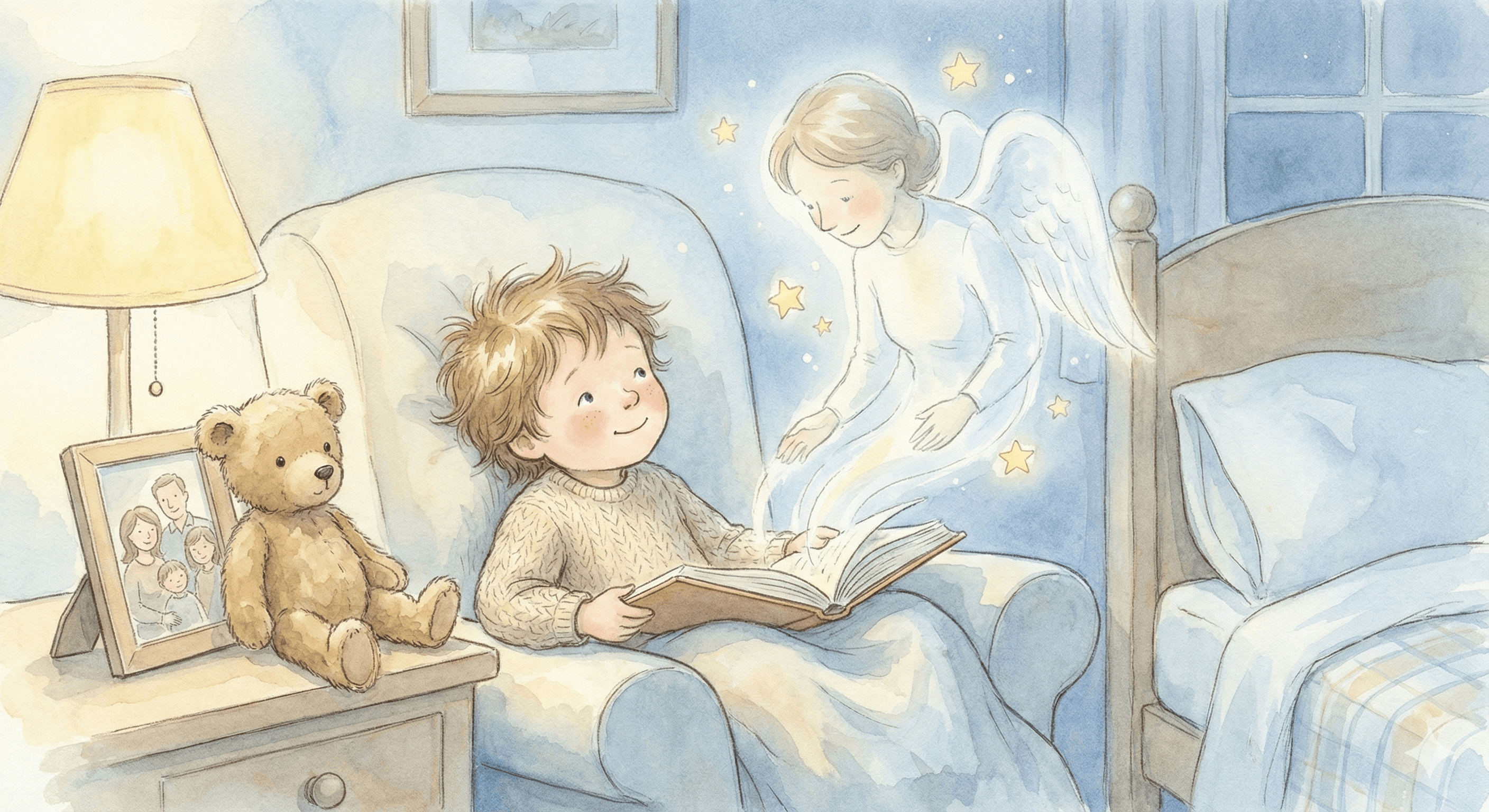
There’s no guidebook for parenting through loss.
When someone close to your child dies—a parent, grandparent, sibling, or other loved one—you’re faced with two overwhelming responsibilities at once: managing your own grief, and somehow helping your child navigate theirs.
It’s hard to know what to say. And even harder to know what they’re truly feeling.
This is especially true for younger children, who often don’t have the language or emotional tools to express what’s happening inside them. They may seem quiet, or angry, or clingy. They may ask the same questions again and again.
“Where did Daddy go?”
“Will she ever come back?”
“Why did he die?”
These questions aren’t just curiosity. They’re grief, surfacing in a child’s only language: confusion, repetition, behavior.
And while there are no magic words, one of the most powerful tools you can give your child is a story. A way to help them make sense of what’s happened—and feel safe and loved while they do.
Why Grief Is Different for Children
Grief in childhood doesn’t follow the same path as it does in adults. Kids don’t sit in sadness for hours at a time. They can jump between play and sorrow in a heartbeat. They might not cry. Or they might cry without knowing why.
This can make it hard to tell if they’re grieving at all. But most children—even very young ones—feel the absence of someone they love in a deep and lasting way.
The difference is: children are still developing their understanding of death, permanence, and identity. A 4-year-old may believe their parent will come back. A 6-year-old might wonder if they caused the death. An 8-year-old might worry they’ll forget their loved one’s face or voice.
They’re not just missing someone. They’re trying to make sense of a world that suddenly feels unfamiliar, unsafe, and quiet.
This is why storytelling can be so powerful.
How Storytelling Helps a Child Understand Loss
Stories are how children make sense of the world.
When a loved one dies, stories provide a container for the questions they don’t know how to ask. They offer structure and language for emotions that feel too big or confusing to hold alone.
But not just any story will do.
What helps most is a story that speaks to your child personally. One that reassures them they are still loved, still seen, and still connected to the person they lost.
That’s why memory books—especially those written in the voice of the loved one—can have such a deep emotional impact.
Imagine your child hearing these words:
“Even though I’m not with you, I will always be proud of you. I will always love you. I’ll be watching over you, every day.”
For a child, those aren’t just comforting phrases. They’re anchors in the storm.
What a Personalized Memory Book Can Do
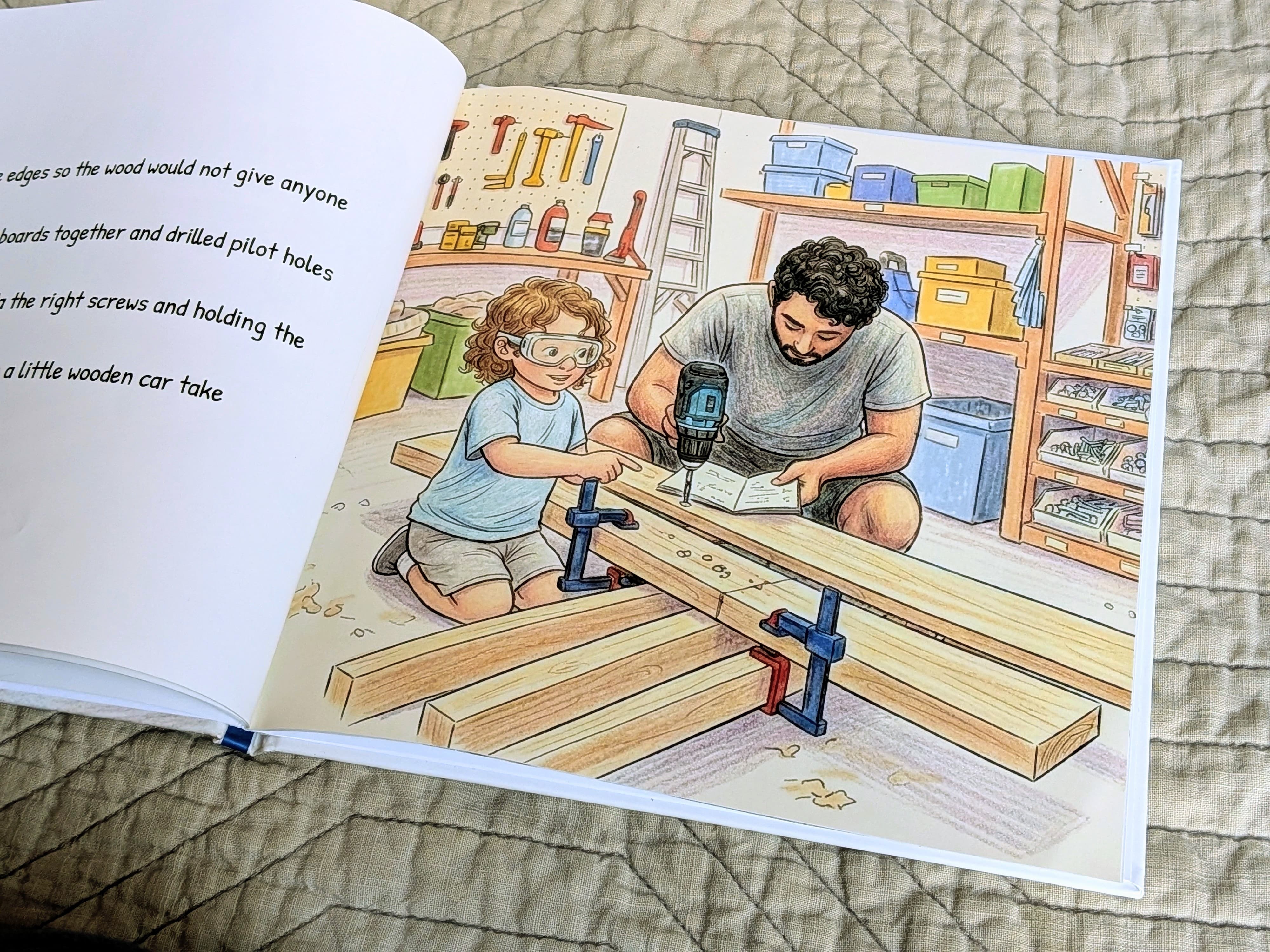
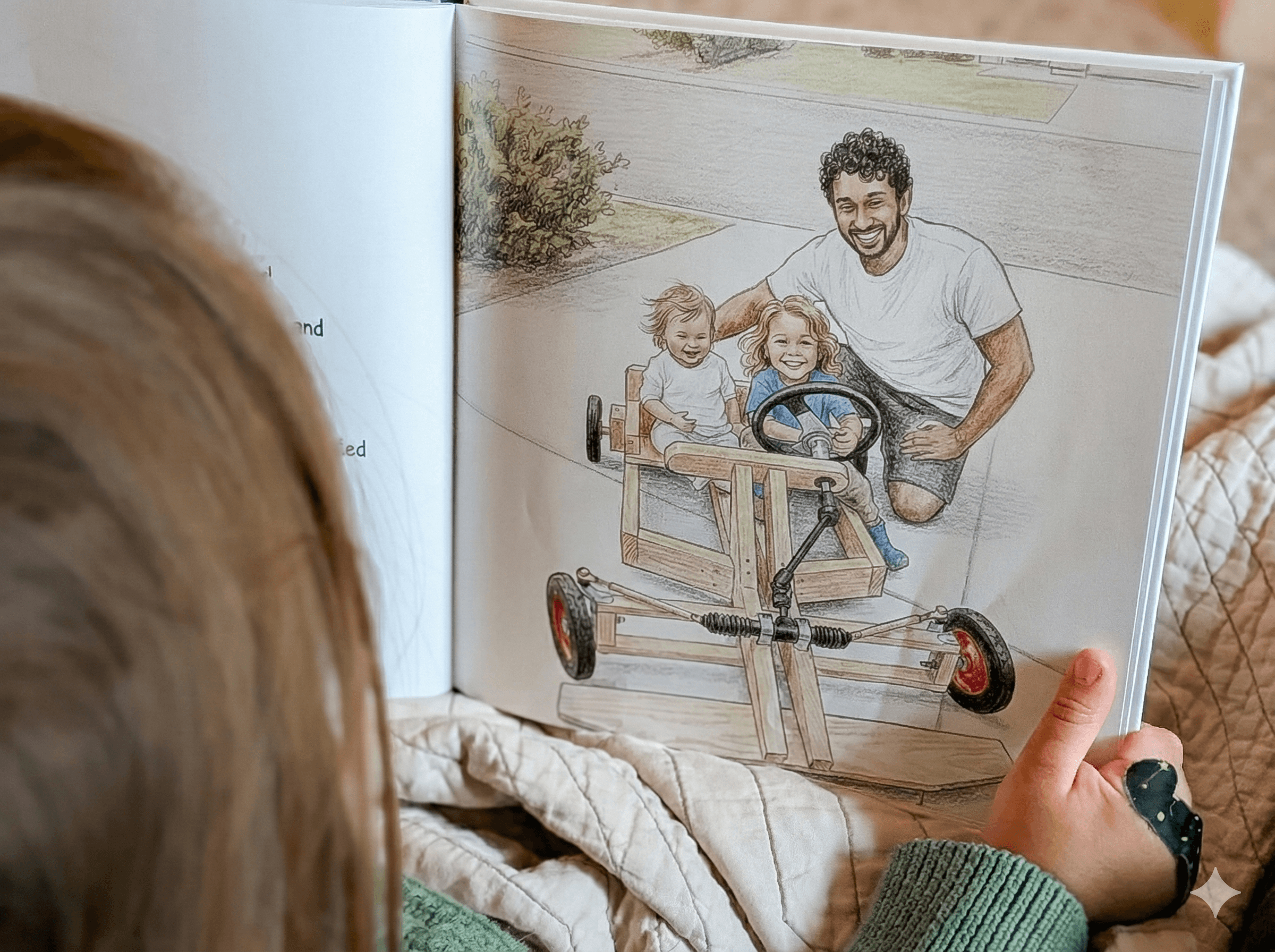
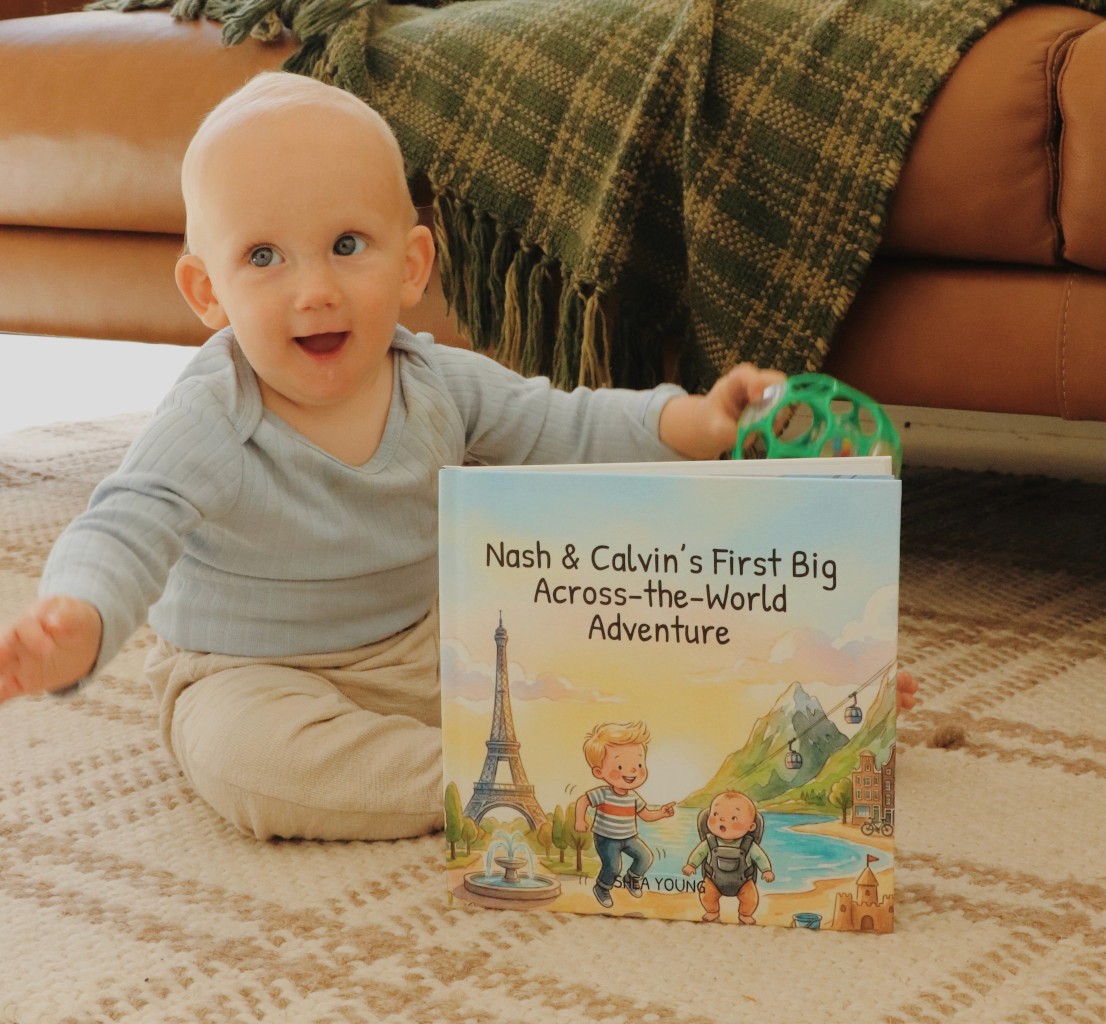
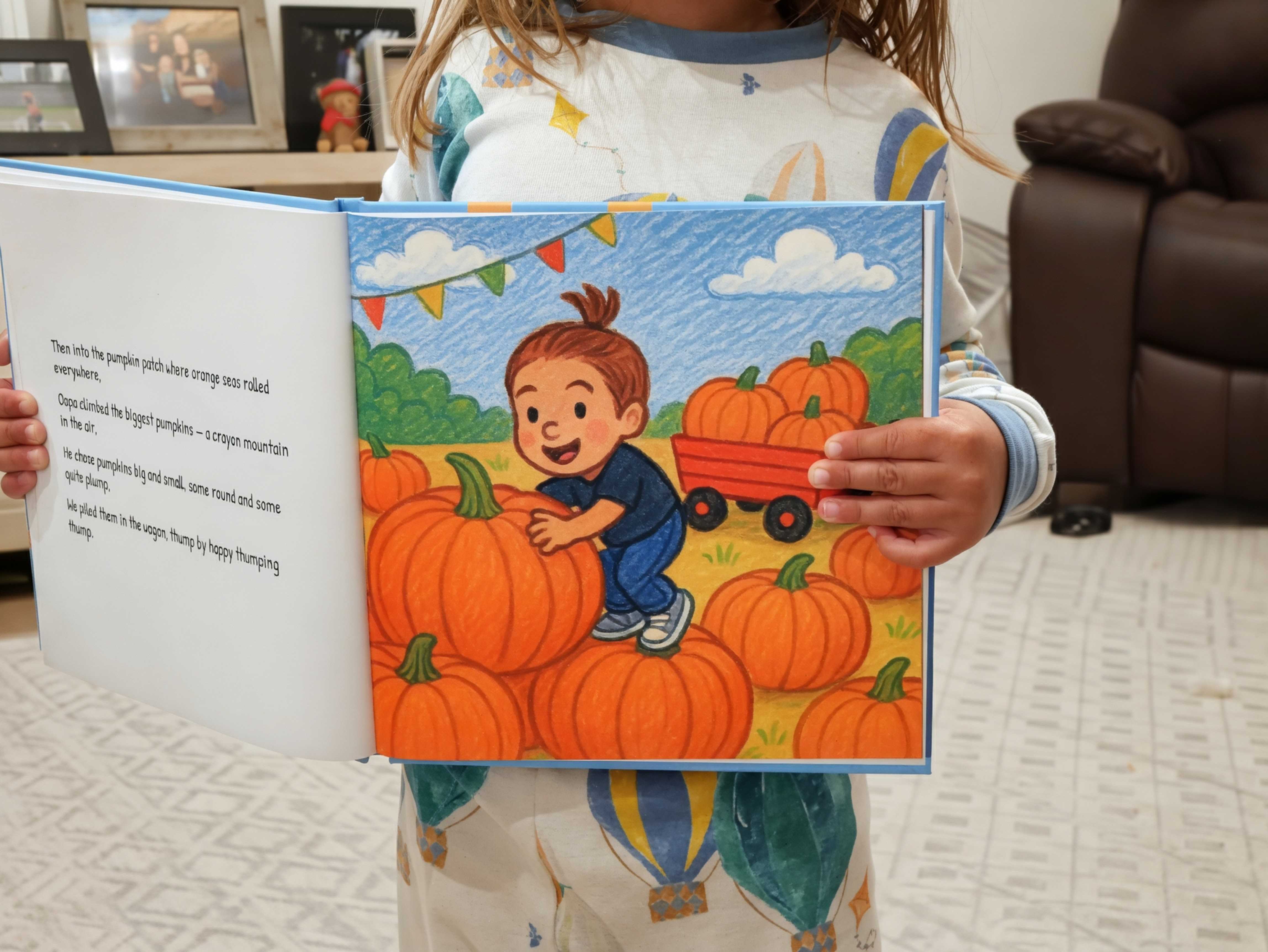
Creating a storybook from the perspective of the loved one—written in their voice, using your memories and photos—isn’t about pretending they’re still here.
It’s about giving your child something they can return to. A connection that feels real and warm and safe.
These books aren’t a replacement for a parent or sibling or grandparent. They’re a way to hold onto what mattered most in that relationship: the bond. The love. The words that might have been said, if there had been more time.
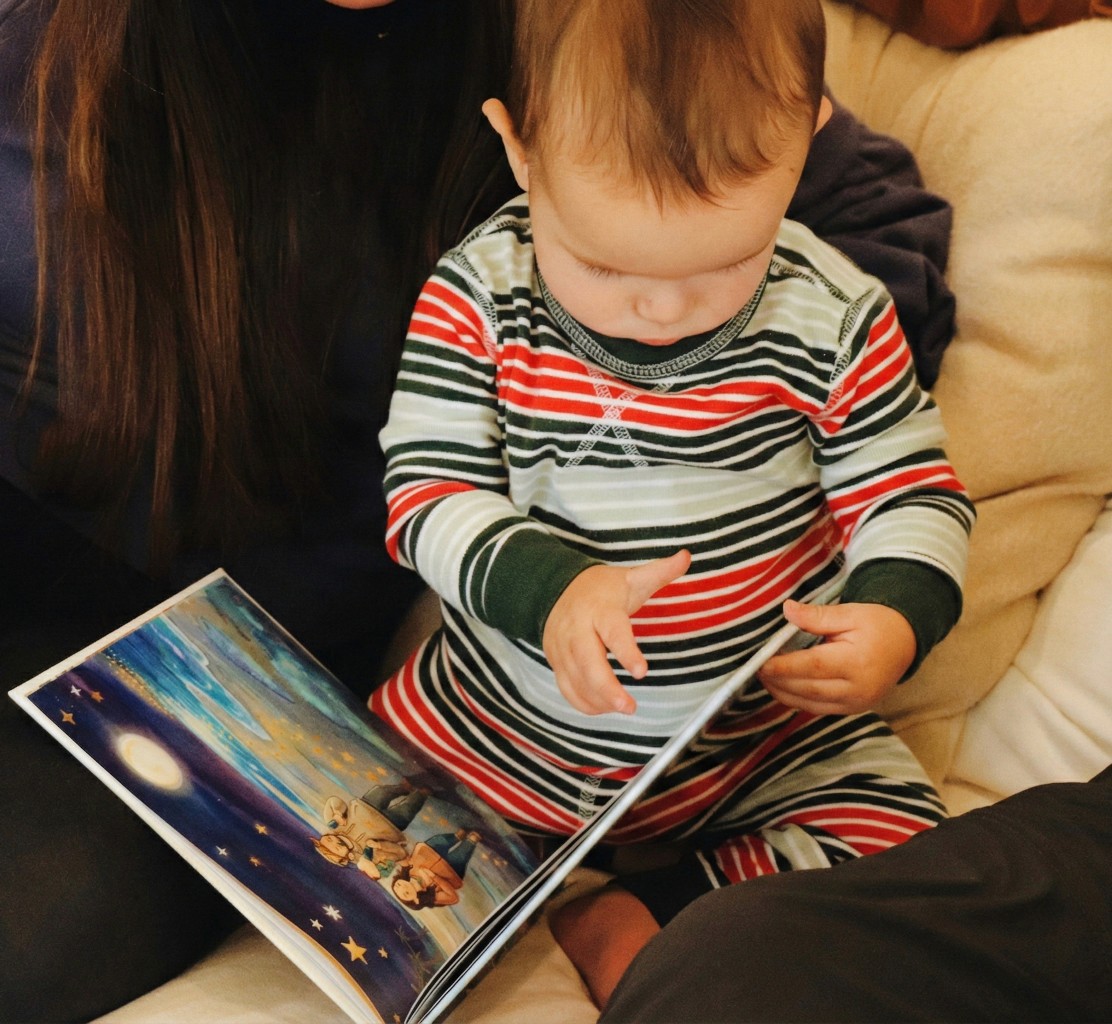
Children read these books at bedtime. They carry them to school. They flip through them on quiet days. Some ask for them when they feel sad. Others just like knowing it’s on the shelf.
And for many parents, creating the book becomes part of their own healing process. A way to gather memories, express love, and give their child something lasting.
You Don’t Need to Have the Perfect Words
If you’re wondering how to support your child through grief, know this: there’s no one right way.
But giving them something personal, tangible, and emotionally safe—a story they can see themselves in, filled with the love they miss—can make a lasting difference.
You don’t need to have the perfect words. You just need to begin with the memories.
From there, a story can help carry the love forward.