Guide
How to Create a Personalized Mother’s Day Book from Family Photos
Learn how to create a personalized Mother’s Day book from family photos. Get step-by-step ideas, photo tips, story prompts, and inspiration for a meaningful custom gift for Mom.
How to Create a Personalized Mother’s Day Book from Family Photos
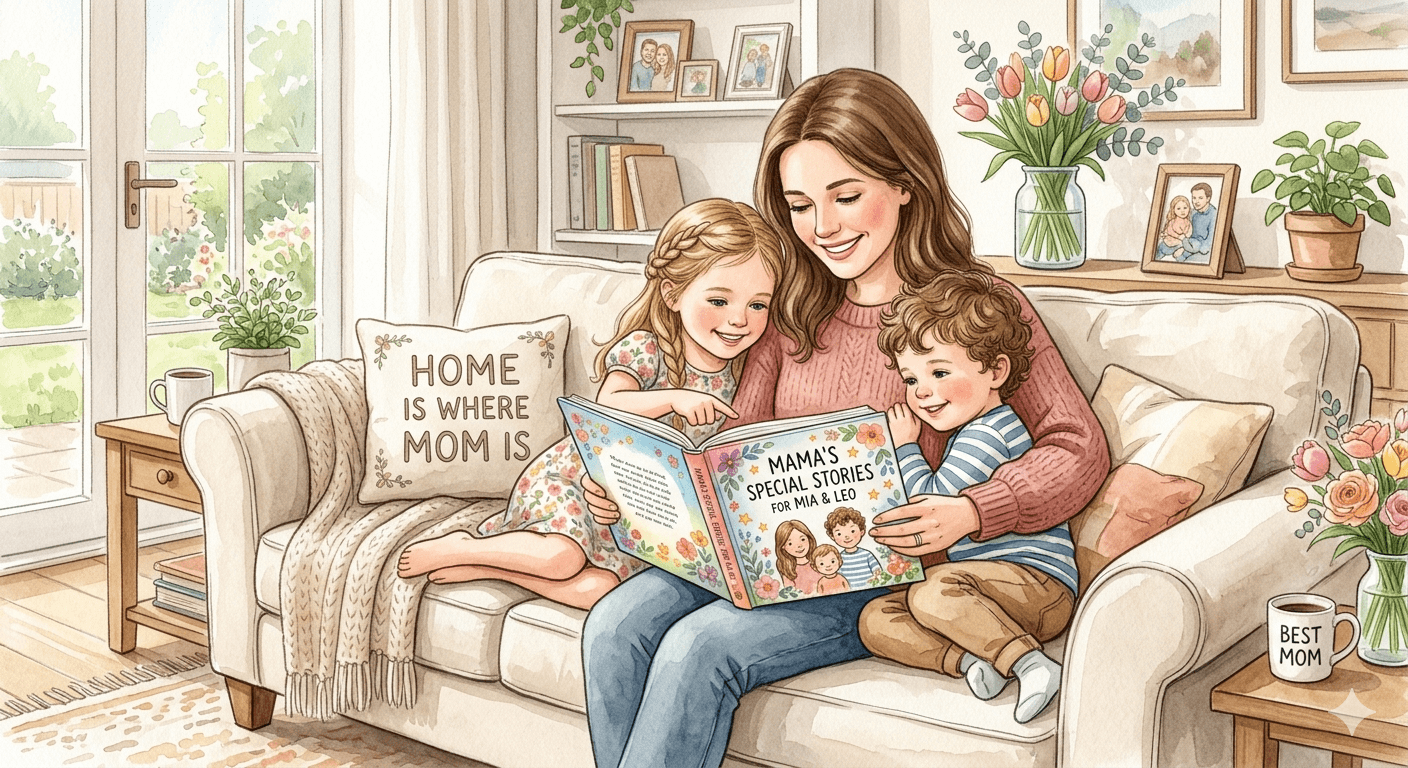
A personalized Mother’s Day book is one of those rare gifts that feels both beautiful and deeply personal.
It’s more thoughtful than a generic present.
More emotional than a standard photo gift.
And more lasting than something that gets used up by next week.
The best part? You do not need to be a designer, writer, or scrapbook expert to make one.
If you’ve been searching for a personalized Mother’s Day book, a storybook gift for mom, or a custom Mother’s Day gift from photos, this guide will walk you through exactly how to create one that feels heartfelt and polished.
Why personalized books make such strong Mother’s Day gifts
Most Mother’s Day gifts say, “We thought of you.”
A personalized storybook says, “We remembered this with you.”
That’s a big difference.
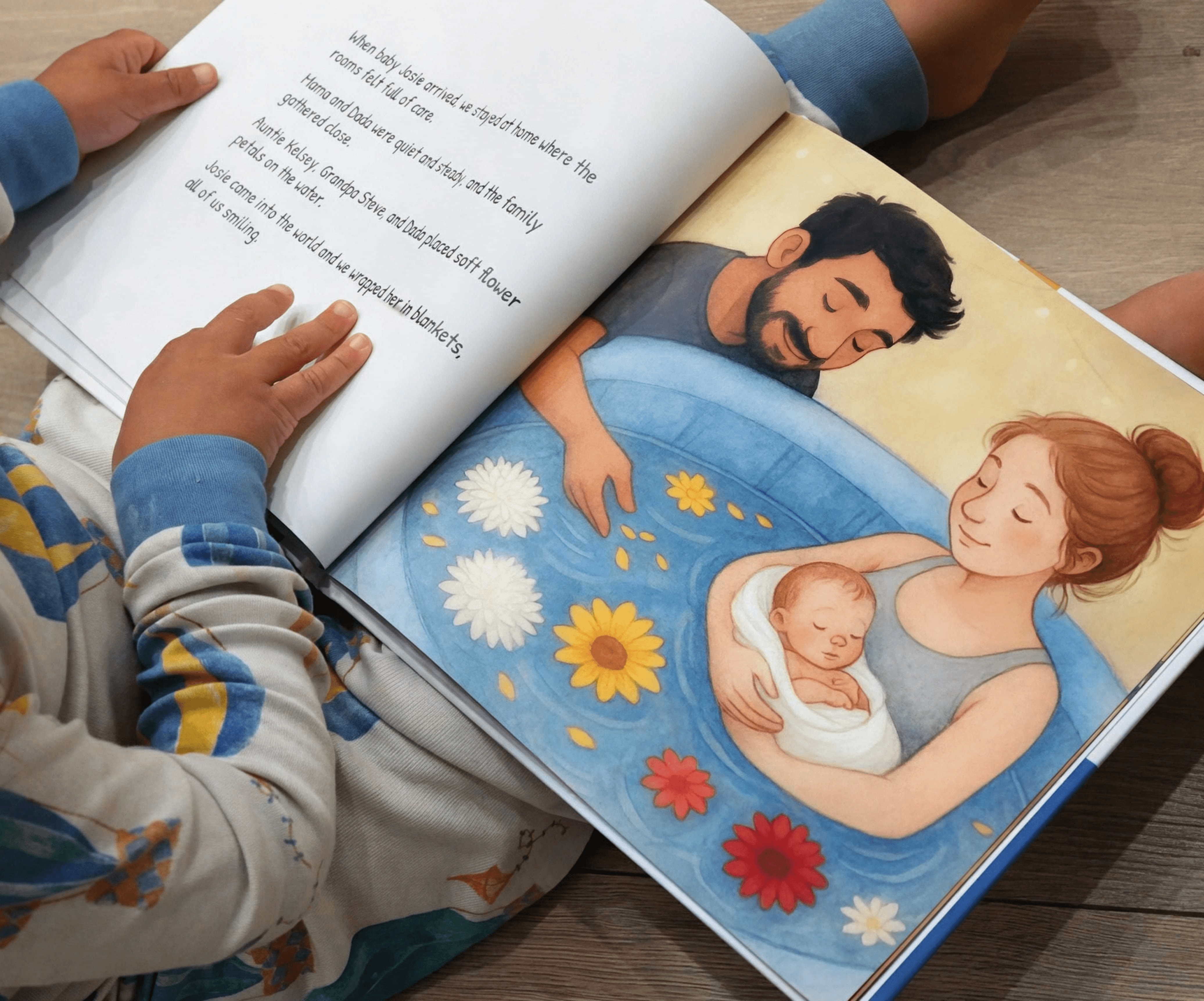
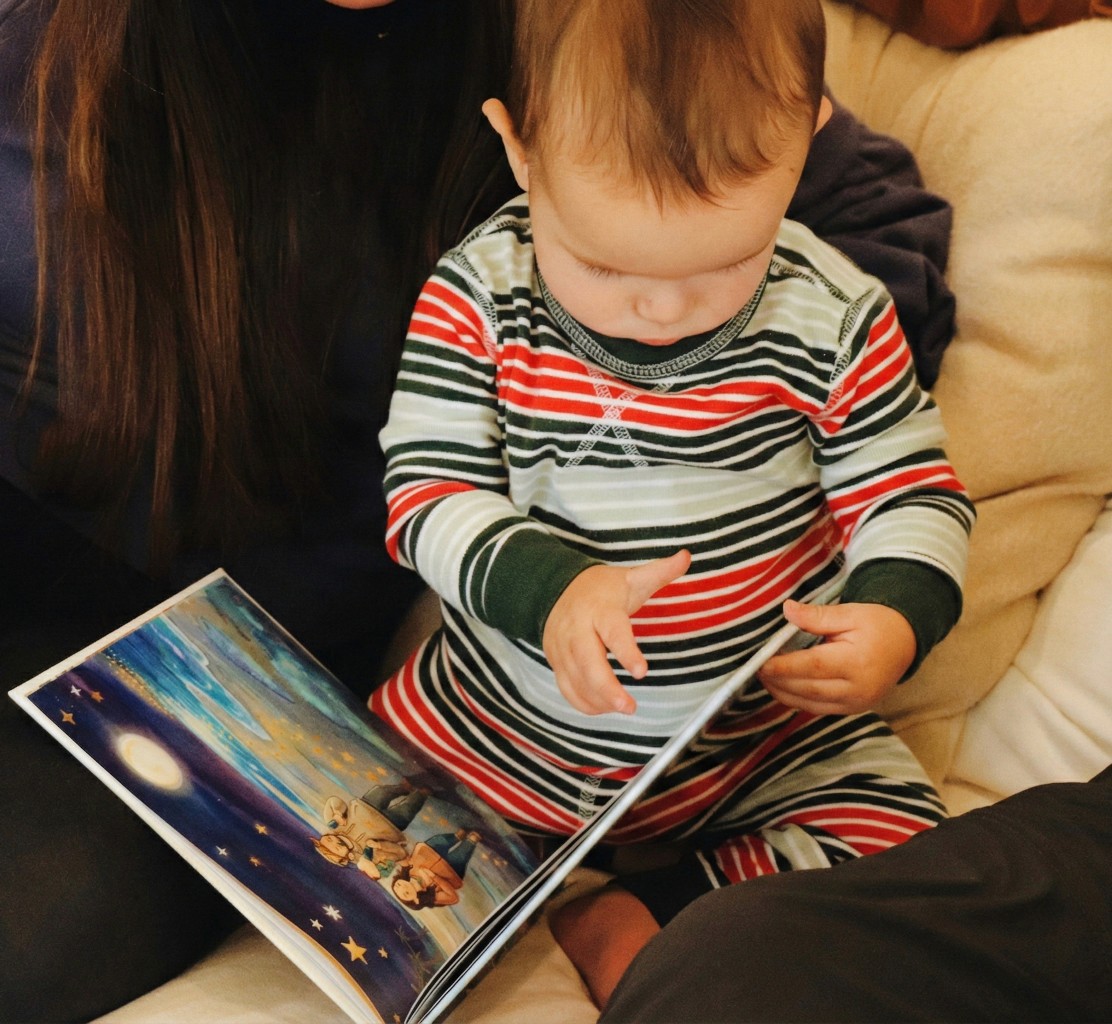
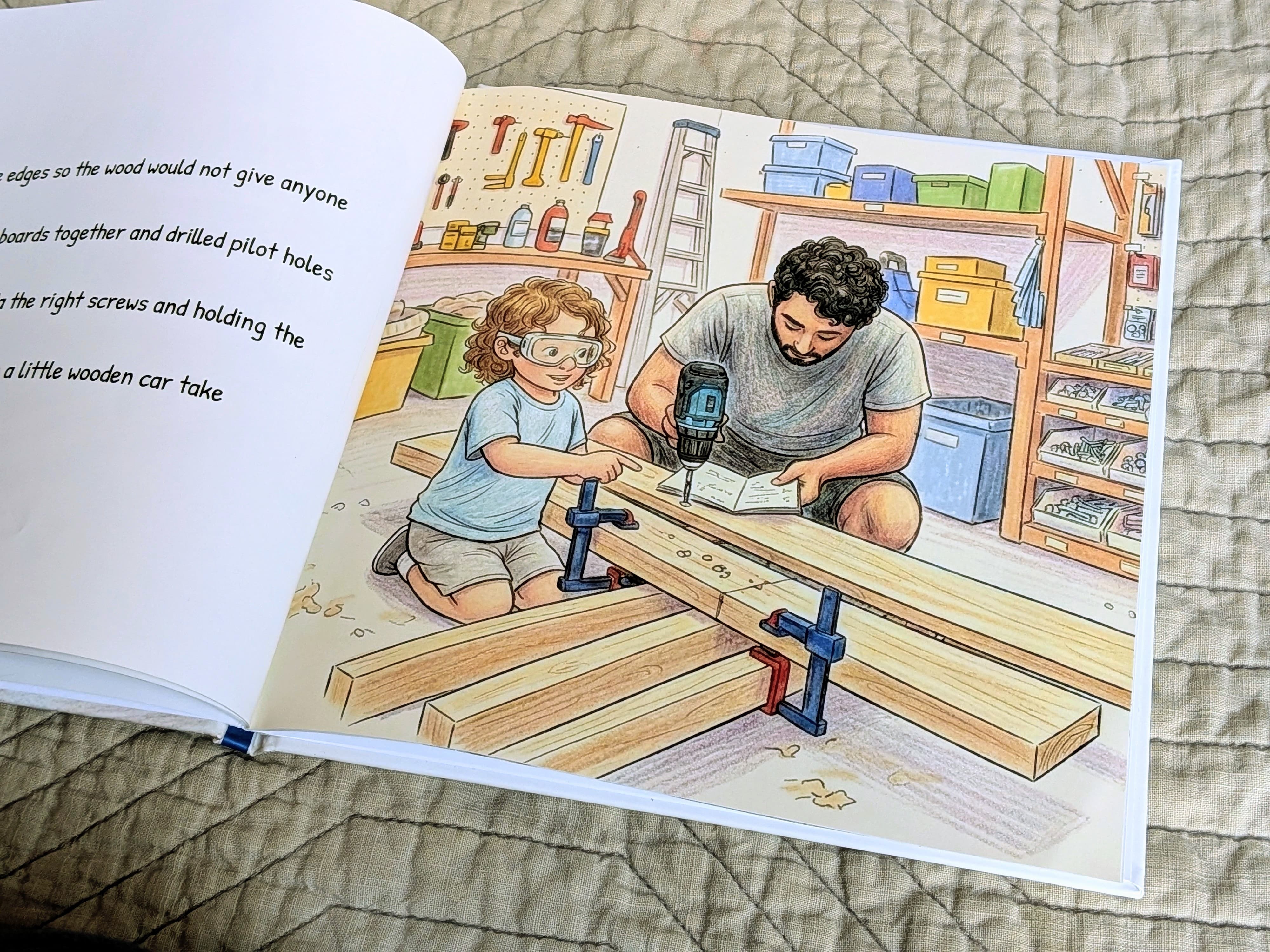
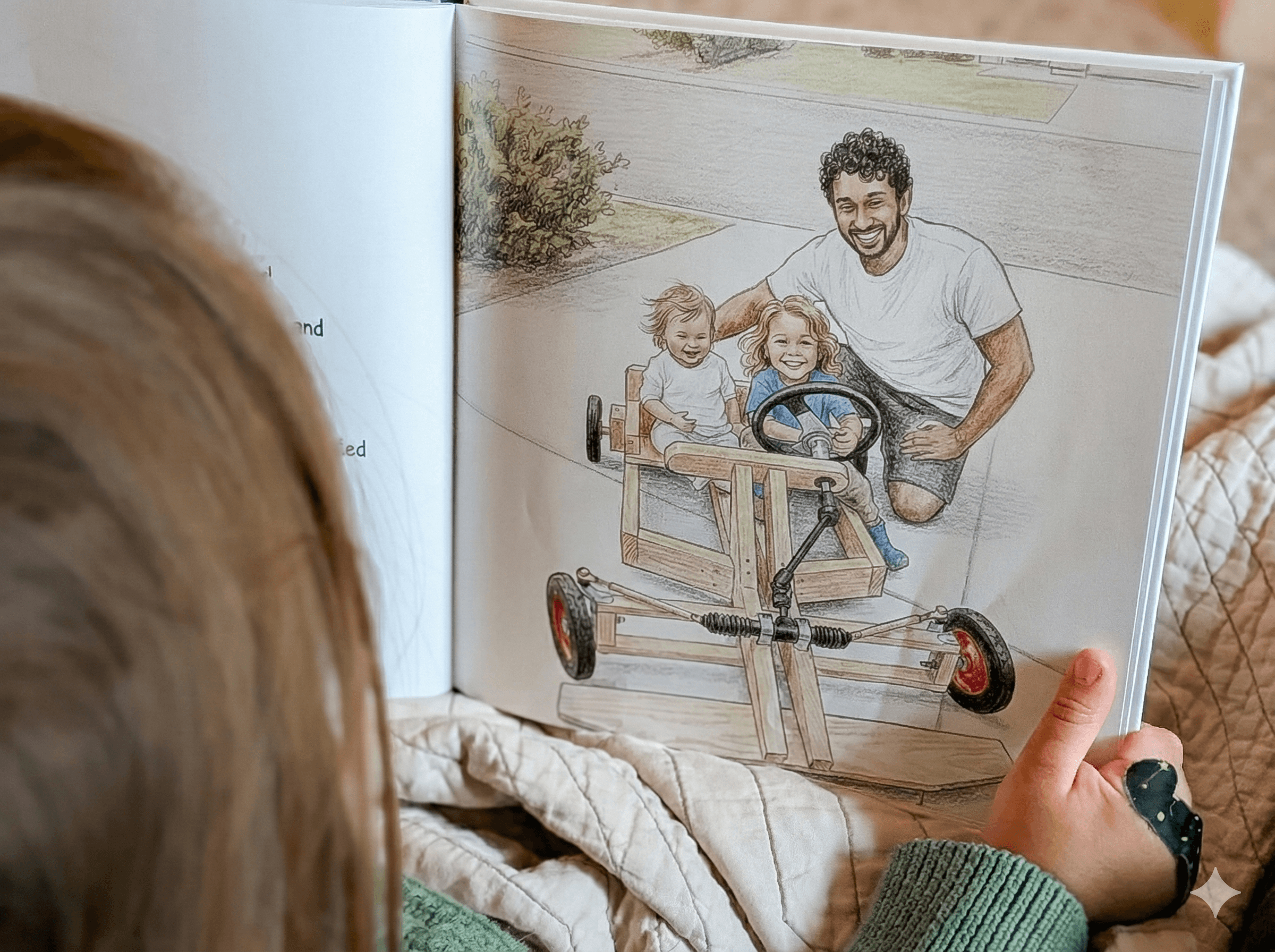
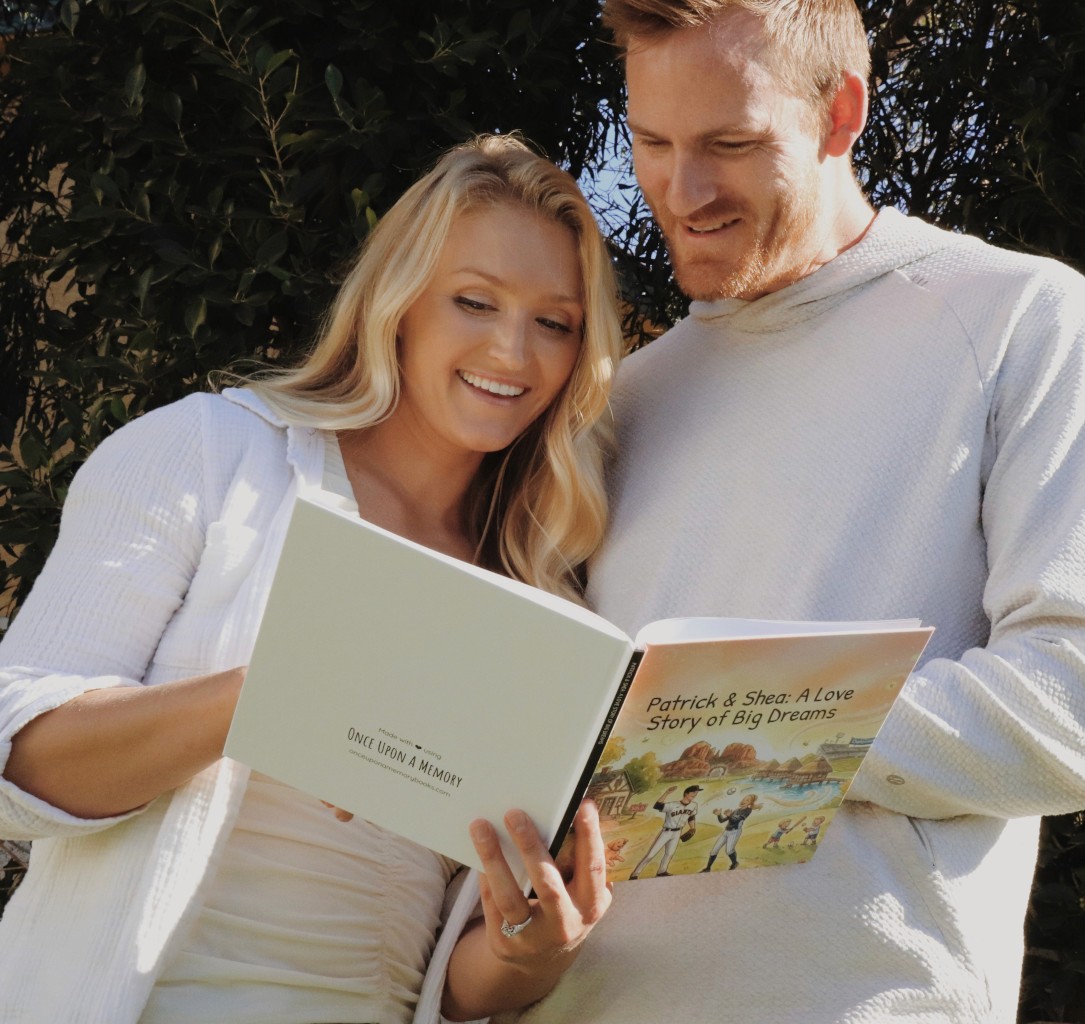
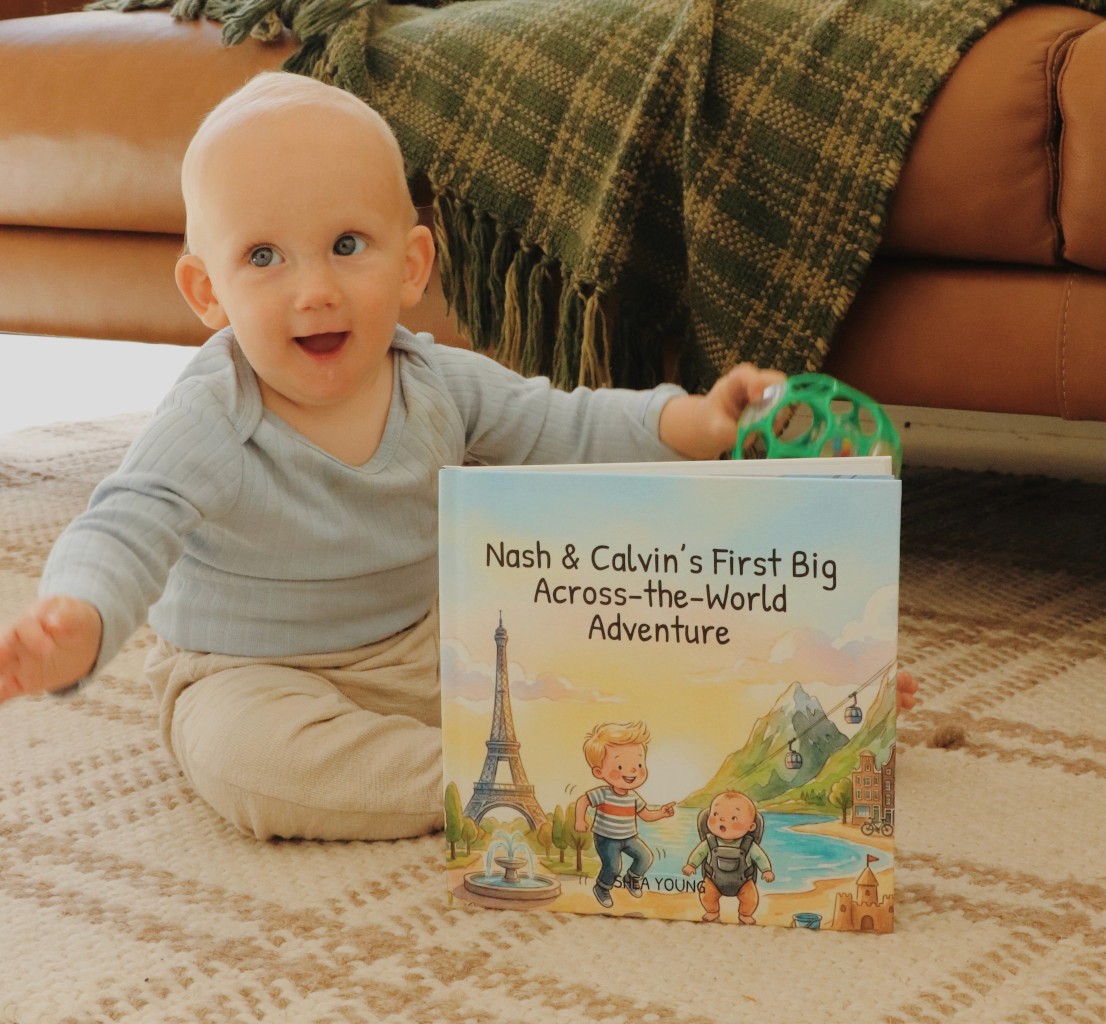
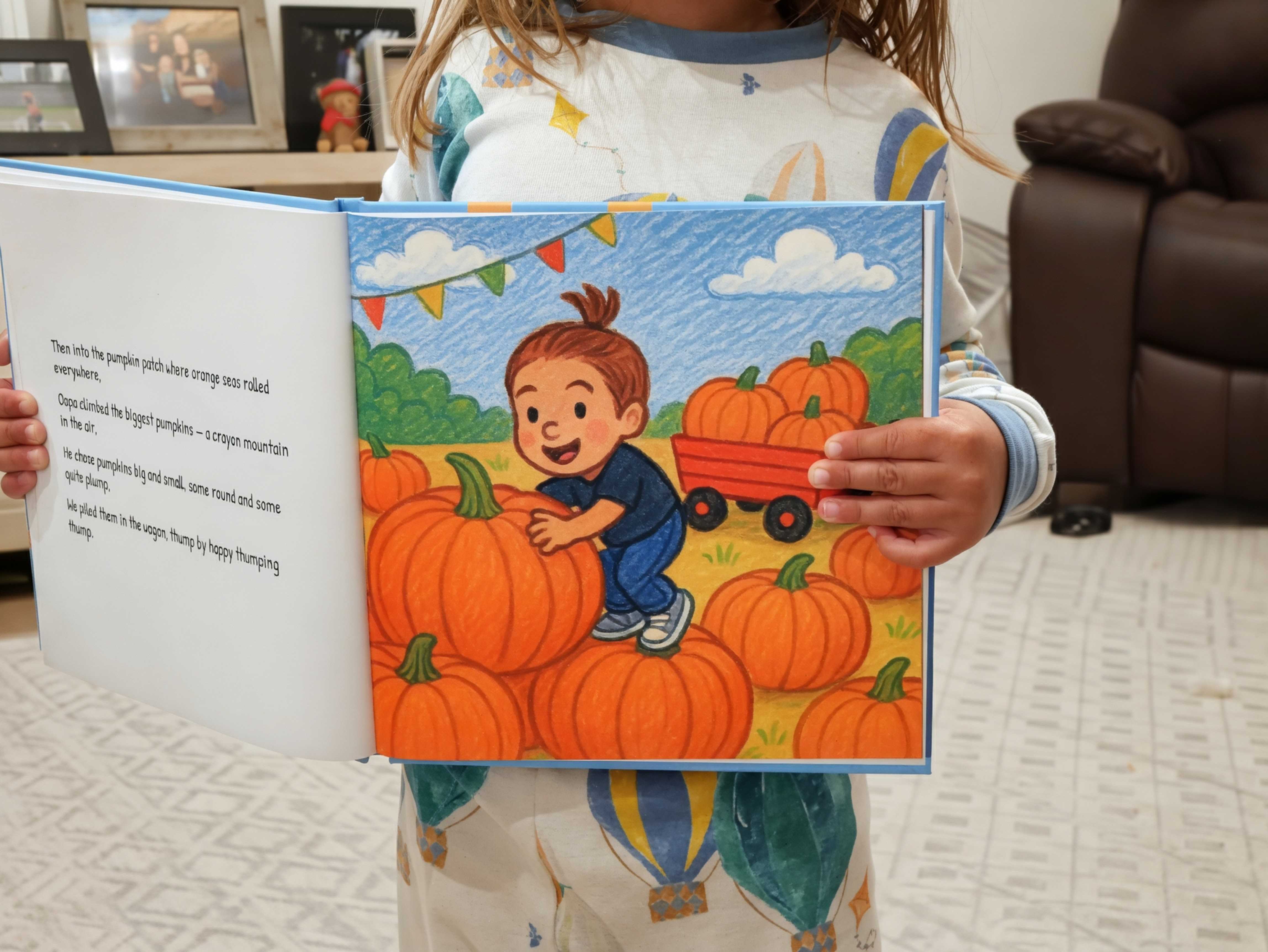
A custom book turns family photos, small rituals, and favorite memories into a finished keepsake. Instead of giving Mom another item, you give her a story she can hold onto.
This works especially well for Mother’s Day because motherhood is made up of so many moments that are easy to miss while they’re happening:
bedtime songs
stroller walks
silly breakfast routines
park adventures
the way she comforts, carries, teaches, and shows up every day
A personalized book gives those moments a place to live.
What makes a great Mother’s Day storybook?
The strongest personalized books usually feel:
specific, not generic
emotional, not overly dramatic
visually beautiful
easy to read aloud
grounded in real family moments
That’s why family photos are such a powerful starting point. They make the story feel true before a single word is written.
Step 1: Pick the kind of story you want to tell
Before you upload photos or start writing, decide what kind of emotional angle you want the book to have.
Here are four strong approaches:
Story angle | Best for | Example |
|---|---|---|
Everyday love story | Families with lots of candid moments | “The little things Mom does that make our world feel safe” |
Memory journey | Families with milestone photos | “The moments that made us us” |
Mom-and-child adventure | Great for younger kids | “A magical story starring Mom and her little one” |
Keepsake tribute | Great for sentimental gifting | “Why we love Mom and what we’ll always remember” |
Best choice for conversion
For Mother’s Day, the strongest angle is usually everyday love story + keepsake tribute.
Why? Because it feels personal, emotional, and giftable without being too complicated.
Step 2: Choose 3–8 photos that tell a real story
You do not need hundreds of photos.
In fact, too many photos can make the story feel scattered.
A great personalized Mother’s Day book usually starts with a small set of images that capture the relationship clearly.
Look for photos like:
Mom hugging, reading, or playing with the kids
a favorite routine you’d instantly recognize
candid smiles rather than forced poses
one or two wider family shots for context
moments that already feel like “this is so her”
Best photo mix
Photo type | How many to include | Why it matters |
|---|---|---|
Close emotional moments | 2–3 | Creates warmth and intimacy |
Everyday routine photos | 2–3 | Makes the story specific |
Wider family context shots | 1–2 | Adds variety and scene-setting |
One standout “hero” moment | 1 | Great for the emotional peak or ending |
Quick filter for photo selection
Use this simple question:
Would this photo still matter to her in five years?
If yes, keep it.
Step 3: Build the story around moments, not events
A lot of people make the mistake of writing a Mother’s Day gift like a summary.
Try not to list events.
Instead, build around moments.
For example:
Weak:
“We went to the park, baked cookies, and had fun together.”
Better:
“You cheer for the highest slide, wipe flour off little noses, and somehow make even an ordinary Tuesday feel special.”
That second version feels more like a keepsake.
Easy story prompts to use
You always make…
My favorite thing about you is…
I’ll always remember when…
Home feels like…
With you, even ordinary days become…
The little things you do become…
You turn moments into memories when…
These prompts make the book sound warm and specific without getting cheesy.
Step 4: Add one dedication page that sounds real
A strong dedication page can carry a surprising amount of emotional weight.
Keep it short. Keep it true.
Formula that works:
Thank you + a specific quality + a memory + a closing line
Example:
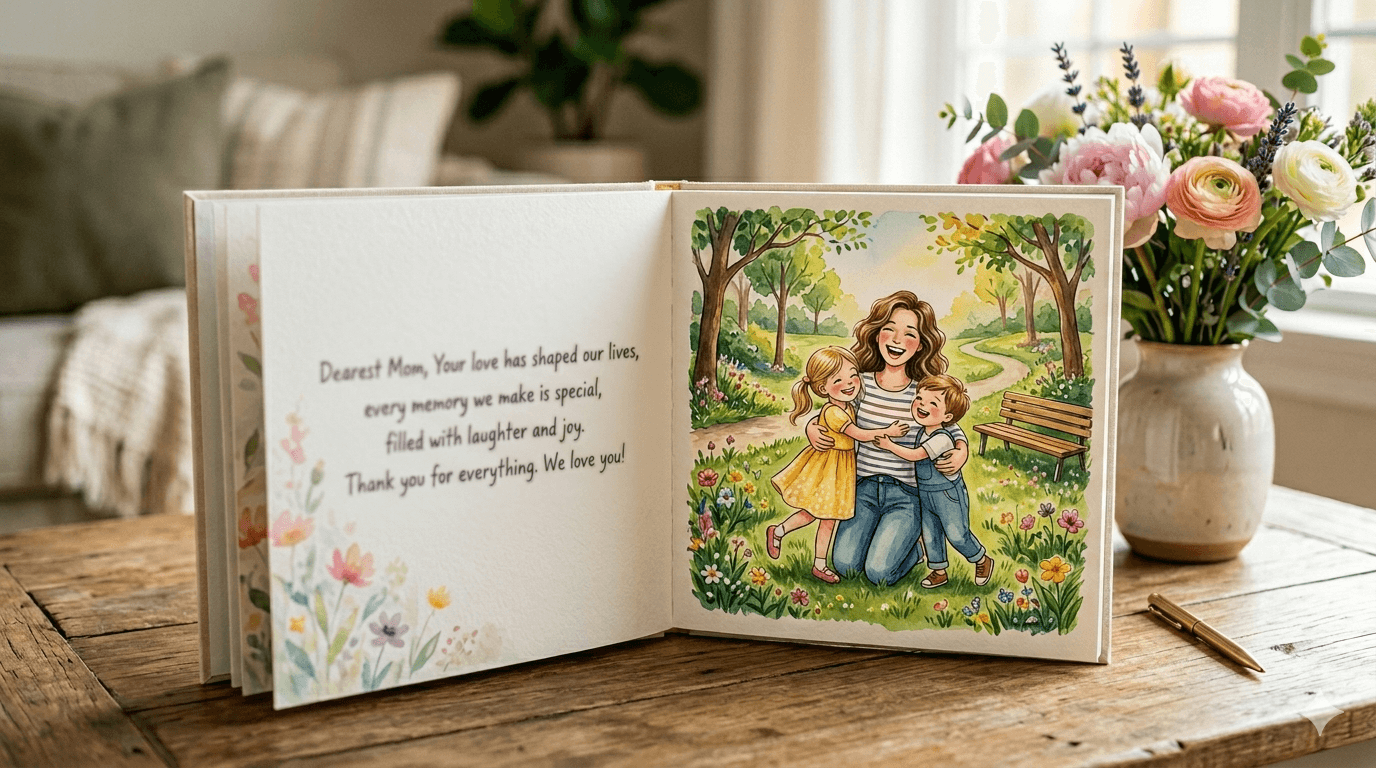
“To Mom — thank you for making everyday moments feel magical. From bedtime songs to park adventures, your love is woven into so many of our favorite memories. We made this book so you could hold onto them forever.”
That’s enough. No need to overwrite it.
Step 5: Choose visuals that feel elevated, not generic
This is where many Mother’s Day gifts lose momentum.
If the visuals feel templated, the gift feels templated.
A personalized storybook stands out when the illustrations feel:
warm
story-driven
premium
emotionally aligned with the photos
That’s also why it helps to use a product that goes beyond simple drag-and-drop photo placement and actually creates an illustrated reading experience.
Step 6: Make the finished book feel like a keepsake
A Mother’s Day keepsake should feel giftable before she even opens it.
Think about:
hardcover presentation
elegant cover title
a clean, uncluttered page design
a story flow that makes sense from beginning to end
a final spread that lands emotionally
Great closing page ideas
“No matter how big we grow, your love will always be home.”
“This is our story, and you’re at the heart of every page.”
“For all the little moments we never want to forget.”
Personalized storybook vs. standard photo book

Feature | Standard photo book | Personalized storybook |
|---|---|---|
Displays photos | Yes | Yes, transformed into story-led visuals |
Includes emotional narrative | Sometimes | Yes |
Feels like a keepsake gift | Medium | High |
Readable with children | Usually no | Yes |
Surprise factor | Medium | High |
Feels custom to Mom | Medium | Very high |
This is the key difference.
A photo book documents.
A storybook interprets.
For Mother’s Day, interpretation is what creates the emotional reaction.
The real story behind this kind of gift
One of the reasons this category works so well is because it often starts from a real emotional need: someone wants to preserve a fleeting family season in a way that feels beautiful enough to keep.
That’s the exact story behind Once Upon a Memory. Lindsay wanted to give her mom a truly special Mother’s Day gift — more meaningful than the usual flowers, cards, or candy — and imagined a personalized storybook her son could read during sleepovers at her house. She gathered photos, experimented with illustration tools, moved assets into a separate photo-book workflow, and wrote the story manually before realizing there had to be an easier way. That experience eventually became the product. t story matters because it reassures shoppers that this is not a random gift format. It was built from the same emotional moment they’re trying to create.
Suggested internal link CTA:
Read the full Once Upon a Memory story
A simple formula for creating a beautiful Mother’s Day book
Use this framework:
1. Choose the feeling
What should Mom feel when she opens it?
seen
loved
nostalgic
proud
emotional
2. Pick the moments
Choose photos that support that feeling.
3. Write in specifics
Use real routines, phrases, places, and family details.
4. Keep the story simple
Short, warm, readable beats almost always outperform complex storytelling.
5. End with gratitude
Leave her with one closing message she’ll remember.
Common mistakes to avoid
Using too many photos: More photos do not automatically make a better story.
Writing too formally: The best gifts sound human, not ceremonial.
Focusing only on milestones: Don’t ignore the tiny moments. They often carry the most emotion.
Making it all about the child: For Mother’s Day, keep Mom emotionally centered in the narrative.
Waiting too long to start: Mother’s Day shoppers often underestimate how much better a gift feels when there’s time to review and polish it.
Final thoughts
If you want to create a Mother’s Day gift that feels personal, sentimental, and lasting, start with the moments that already matter.
Not the biggest moments.
Not the most polished moments.
Just the real ones.
A personalized Mother’s Day storybook turns those photos and routines into something Mom can revisit long after the day is over.
Frequently Asked Questions
What should I put in a personalized Mother’s Day book?
Include candid family photos, favorite routines, child quotes, small traditions, and a short dedication page.
How many photos do I need for a custom Mother’s Day storybook?
Usually 3–8 strong photos are enough to create a focused, meaningful book.
What makes a storybook better than a regular photo book for Mother’s Day?
A storybook adds emotional narrative and a more gift-like reading experience, which makes it feel more personal and memorable.
Is a personalized storybook a good gift from kids?
Yes. It’s one of the strongest Mother’s Day gifts from kids because it combines real memories, emotional storytelling, and long-term keepsake value.