Blog
How to Build a Home Library: Create a Cozy, Inspiring Reading Space
Learn how to build a home library that sparks a love for reading. Our guide offers practical tips on curating books, designing a nook, and family rituals.
So you want to build a home library for your family? It really boils down to four things: defining your purpose, designing an inviting space, curating a meaningful collection, and establishing reading routines. When you focus on creating a cozy little nook and choosing books that actually connect with your child, a simple bookshelf becomes so much more. It becomes a cherished family experience.
Why a Home Library Is a Gift to Your Family
Before we get into the nuts and bolts of shelving and organizing, let’s talk about why this matters. A home library isn't about recreating a public library with towering shelves; it’s about carving out a dedicated space where imagination can run wild and family bonds get stronger through shared stories. Even a small, thoughtfully chosen corner can become the heart of your home.
It’s so much more than just a pile of books. It’s a powerful tool for your child's development, directly influencing how ready they are for school and their future success. When kids grow up surrounded by books, they’re exposed to a richer vocabulary and more complex sentences than they usually hear in daily conversation.
This isn’t active learning—it's just a constant, gentle exposure that builds a strong foundation for literacy long before they can read on their own. The benefits are real and well-documented.
More Than Just Reading Skills
The value of a home library goes way beyond academics. It becomes a sanctuary for emotional growth and connection. When you read together, you're not just sounding out words; you're exploring new worlds, talking about how the characters feel, and asking big, important questions. This shared experience is what builds empathy and emotional intelligence.
A home library is a unique space where children can see their own lives and feelings reflected in stories, validating their experiences and helping them understand the world around them. It is a daily invitation to connect, learn, and grow together as a family.
For so many families, this little project becomes a huge source of joy. The whole process—choosing the books, designing the space, and creating reading rituals—is a collaborative adventure that creates memories that will last a lifetime.
Fostering a Lifelong Love of Books
Ultimately, the goal is to raise a kid who genuinely loves to read. A home library makes books a natural part of everyday life, not some chore tied to school. It sends a powerful message: reading is for pleasure, for fun, for discovery. If you want to dive deeper into this, check out our guide on how to raise a reader and encourage a love of books.
The benefits are truly multifaceted:
Boosts Early Literacy: Having books around from a young age is directly linked to better reading and language skills. Simple as that.
Nurtures Empathy: Stories are windows into other lives and perspectives, helping kids understand and relate to the feelings of others.
Strengthens Family Bonds: Reading together creates dedicated, screen-free time to just connect and talk.
Sparks Curiosity: A diverse collection of books encourages kids to ask questions and explore their own interests.
This guide will walk you through every step of the process, showing you how to build a home library that perfectly fits your family’s space, budget, and personality.
Designing a Reading Nook That Invites Imagination
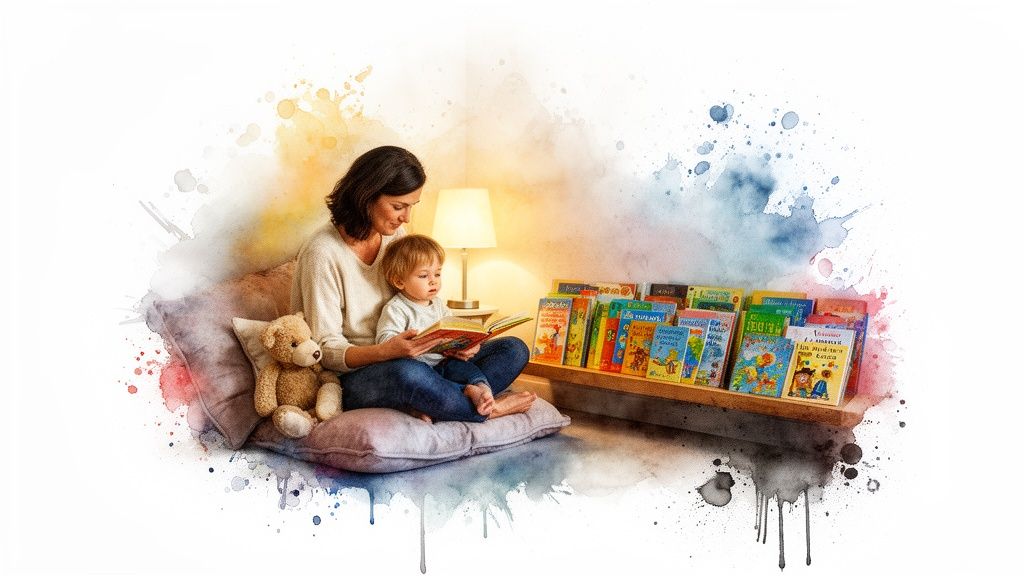
Forget about a formal, stuffy library. What you’re really creating is an irresistible little world where your child wants to hang out. You don’t need a dedicated room or a huge budget, either. A cozy corner, a sliver of wall space, or even that awkward spot under the stairs can become an enchanting reading retreat.
The trick is to think like a kid. It all comes down to comfort, access, and a little touch of magic. When those three things come together, you’ve built a space that feels like a warm hug, just begging for a story.
Creating a Foundation of Comfort and Safety
Your child’s reading nook should be a soft place to land. This is where you bring in the plush floor cushions, a fuzzy rug, or maybe a tiny armchair that’s just their size. The goal is to make it so comfortable they never want to leave.
But comfort can't come at the expense of safety. This is non-negotiable. Any furniture, especially bookshelves, has to be securely anchored to the wall to prevent tipping. When you're picking out pieces, keep an eye out for non-toxic materials and rounded corners whenever possible.
Looking to get creative on a budget? You can learn to upcycle furniture with DIY tips and turn an old, forgotten piece into something special. Imagine a small dresser painted a bright, cheerful color, with the bottom drawer removed to create a perfect open cubby for books.
Making Books Accessible and Appealing
For toddlers and preschoolers, "out of sight" really is "out of mind." That's why low, forward-facing shelves are an absolute game-changer. When kids can see those vibrant, exciting covers, they’re so much more likely to grab a book and explore on their own.
It’s a simple switch that empowers them to make their own choices, giving them a real sense of ownership over their little library.
Here are a few ideas for accessible book storage that I love:
Floating picture ledges: They’re shallow, simple, and perfect for displaying a rotating selection of current favorites.
Wall-mounted spice racks: Seriously! Their narrow design is just right for smaller board books, keeping them right at eye level.
Fabric slings or pockets: These add a soft, playful touch and make it super easy for little hands to slide books in and out.
It’s amazing how much the design of this space can impact your family. In the United States, 95% of public libraries now offer digital media, but families are craving that cozy, physical book atmosphere at home. We know that children in homes with 25 or more books score 20% higher in empathy tests—and incredibly, that number can jump by an additional 40% with personalized books reflecting their own lives.
The home library market is even projected to hit $8.9 billion by 2033, which just shows how much families value this connection.
Setting the Mood with Magical Lighting
The right light can turn a simple corner into a secret hideaway. Soft, warm light is so much more inviting for story time than a harsh overhead glare.
A reading nook should feel like a secret world built just for them. Good lighting is the single most important element in creating that feeling of intimacy and wonder, making story time a special, calming ritual.
Think about draping a string of fairy lights over the bookshelf or adding a small, child-safe table lamp with a warm-toned bulb. Even a whimsical night-light shaped like a moon or a star can do the trick.
These little touches create a distinct atmosphere, signaling to your child that this is a special place for quiet time and imagination. You’re making the nook feel different from the rest of the room, turning the simple act of opening a book into a truly captivating experience.
Curating a Collection That Grows with Your Child
Building a home library is more of an art than a science. The real goal isn’t to cram every shelf with books, but to hand-pick titles that will be read, loved, and maybe even a little worn out from all the attention. It's all about quality over quantity—creating a small but mighty collection that truly connects with your little one.
A great library for a young child should feel like a treasure chest, full of different themes, art styles, and formats. This variety keeps reading exciting and supports all the different ways they're growing and learning. Think of it as building a foundation with a few essential types of books, each with its own special job.
The Building Blocks of a Toddler Library
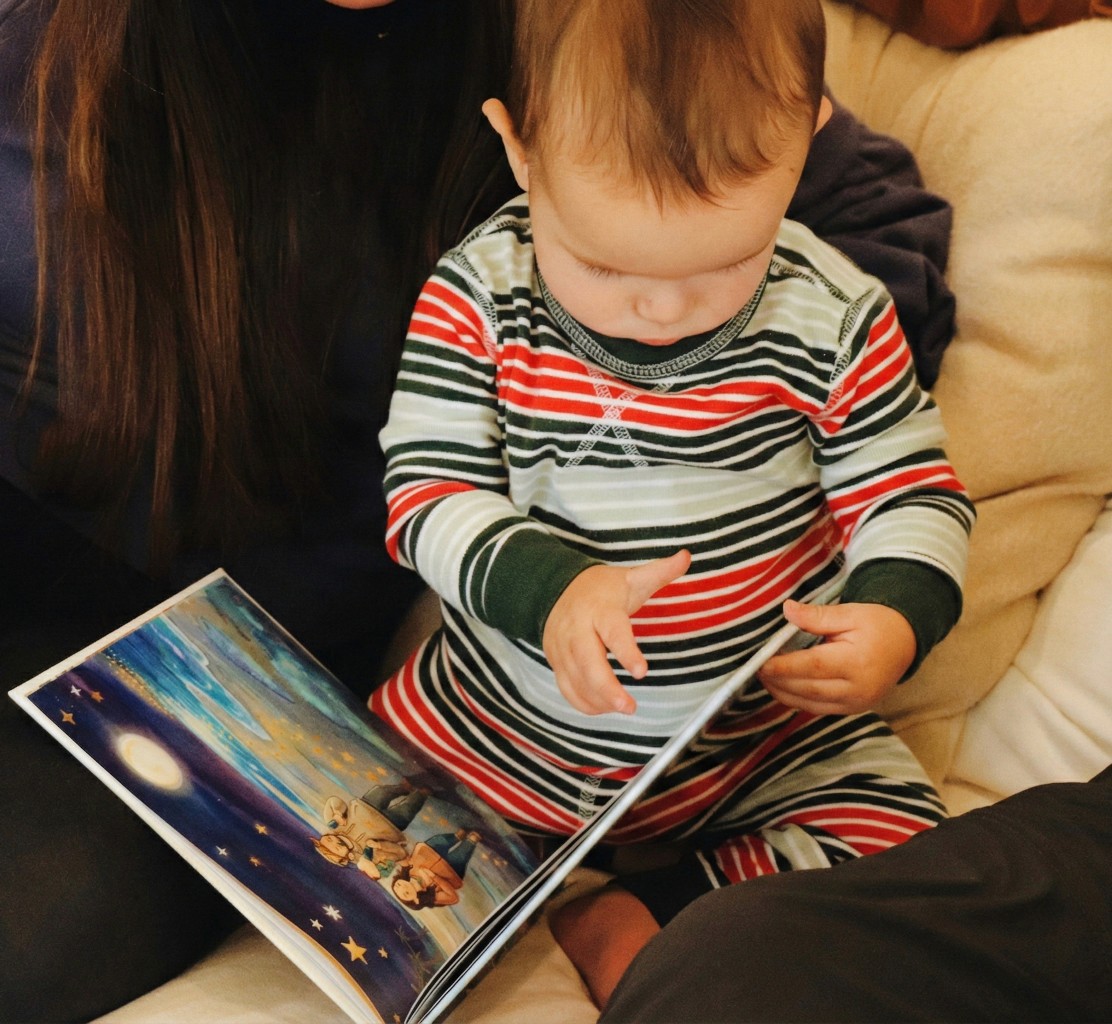
For toddlers and preschoolers, a book is a toy, a teacher, and a tactile adventure all rolled into one. Their first library should be built to withstand lots of enthusiastic (and not always gentle) exploration.
Here are the non-negotiables:
Durable Board Books: These are the workhorses of any toddler’s collection. Their thick, sturdy pages are perfect for tiny, clumsy hands still learning how to turn a page without accidental rips. Look for simple concepts, bright and friendly illustrations, and fun, rhyming text.
Interactive and Sensory Books: Think lift-the-flap, touch-and-feel, and pop-up books. These gems turn reading into a hands-on game, engaging multiple senses and teaching cause-and-effect in the most delightful way. They are brilliant for holding the attention of even the wiggliest readers.
Diverse Picture Books: It’s so important for children to see themselves—and kids who are different from them—in the stories they read. Make a point to choose books with characters from various backgrounds, cultures, and family structures. This is how we plant the seeds of empathy and help them build a bigger, kinder worldview.
This infographic really highlights some of the key emotional and cognitive superpowers that different kinds of stories can unlock.
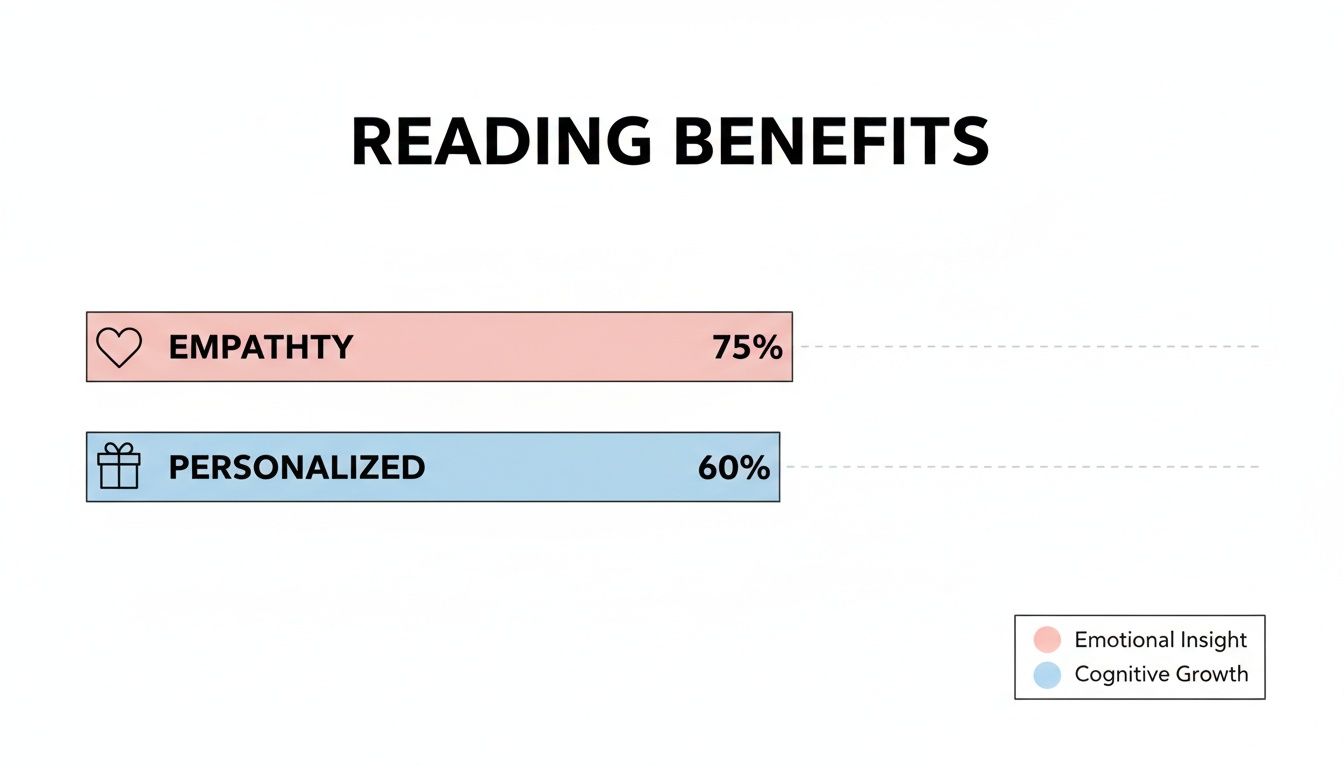
As you can see, stories that build empathy and those that are personalized both play a huge role in a child's development, nurturing everything from emotional insight to cognitive growth.
The Unique Power of Personalized Books
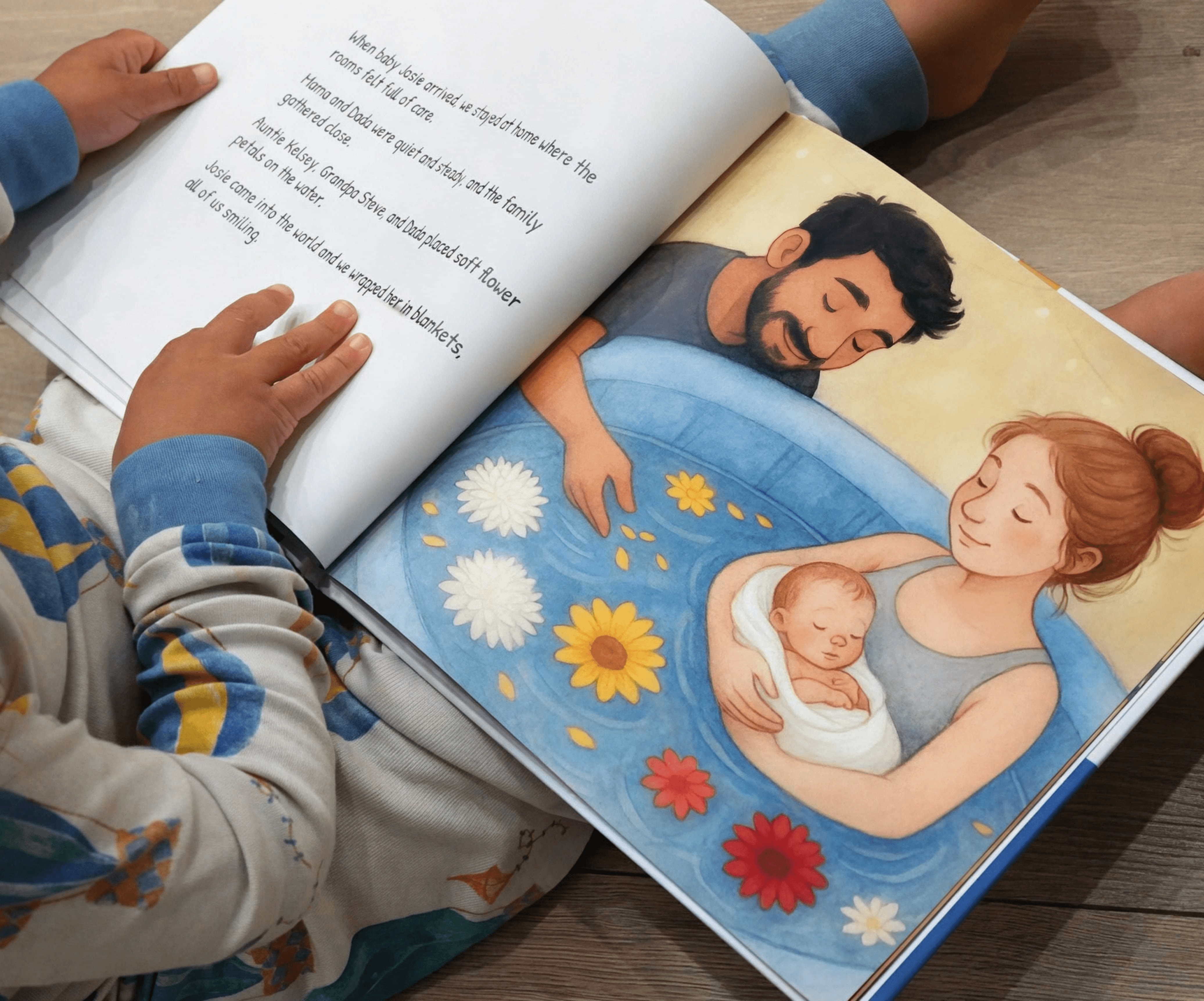
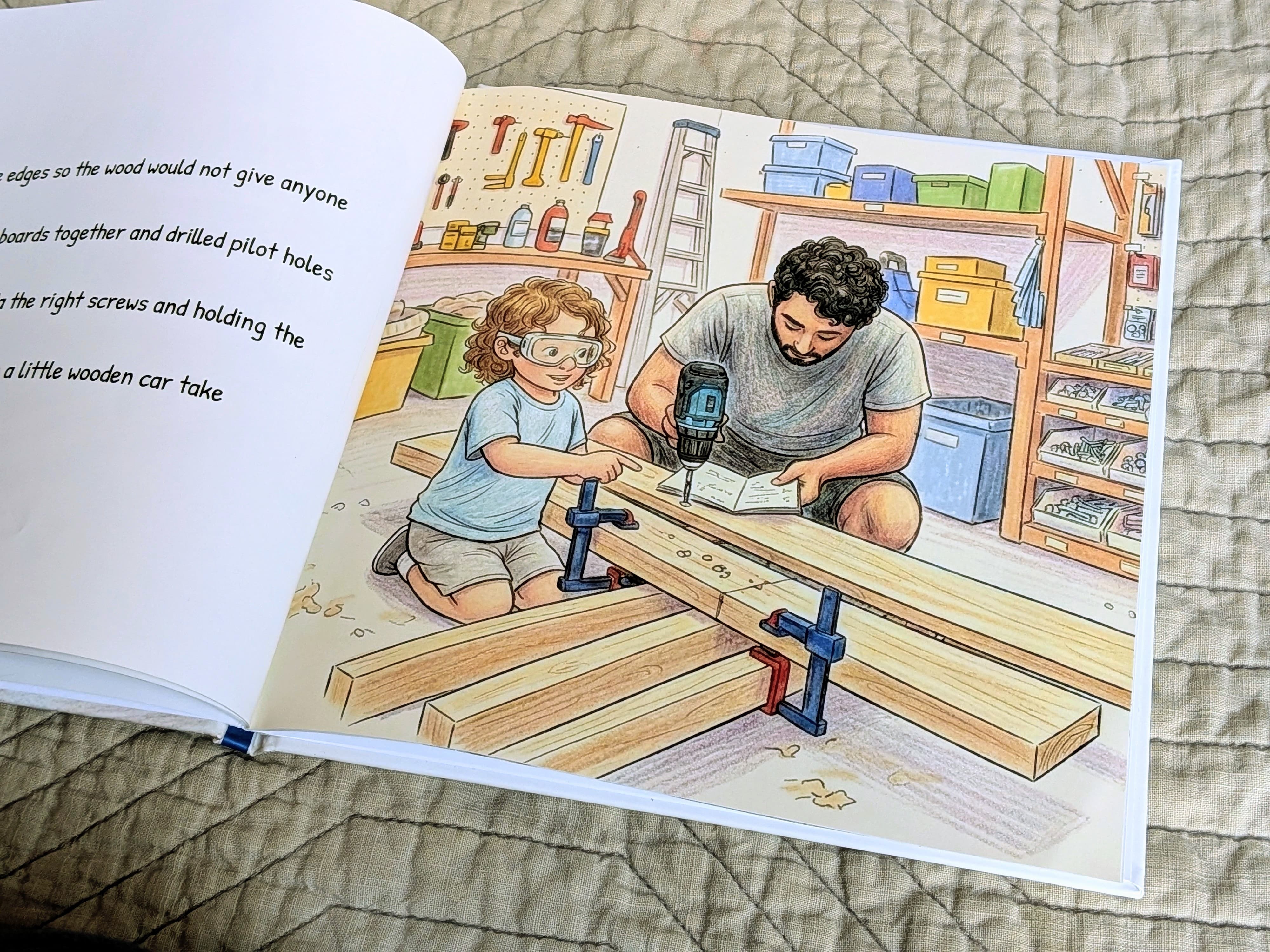
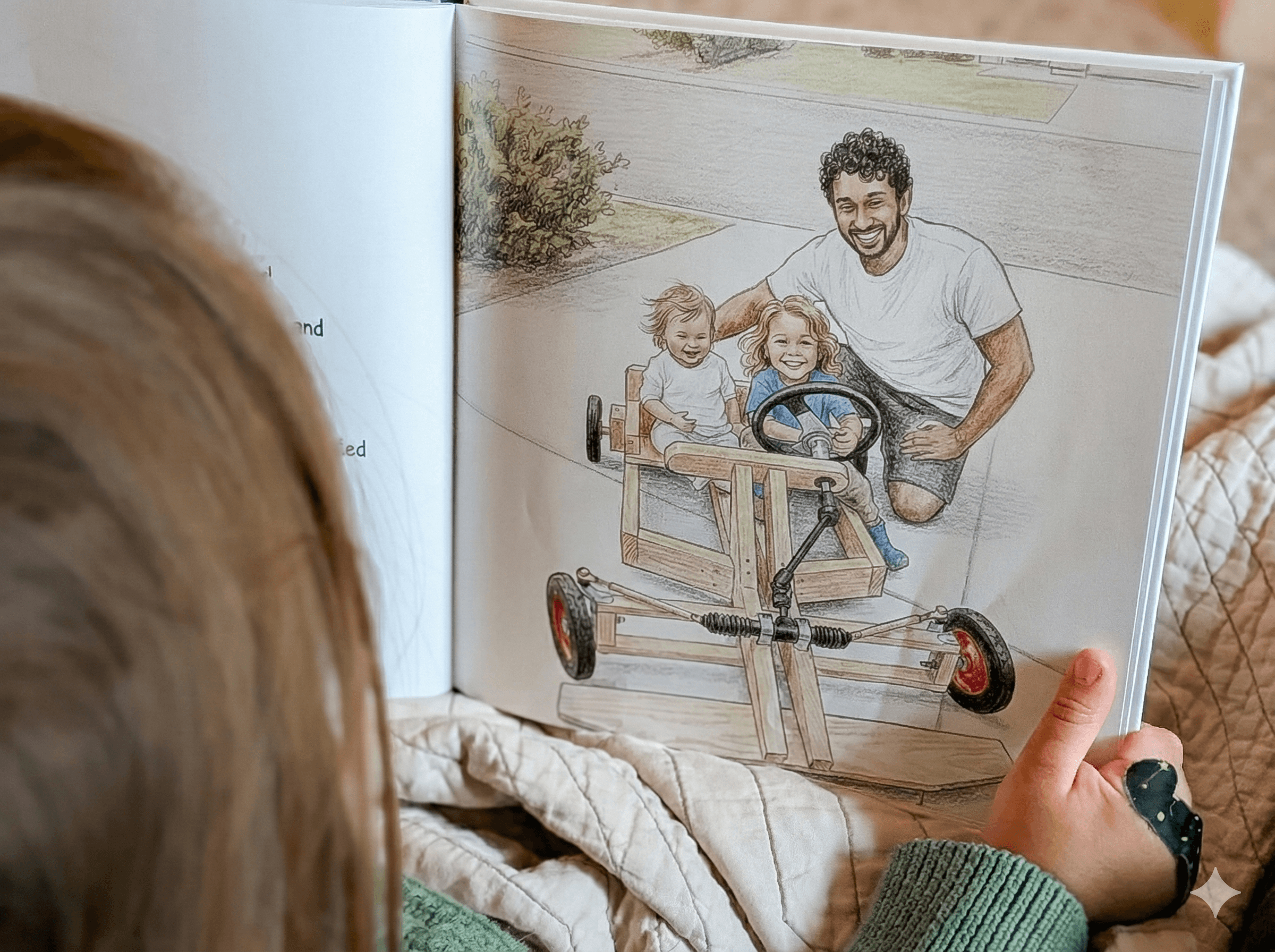
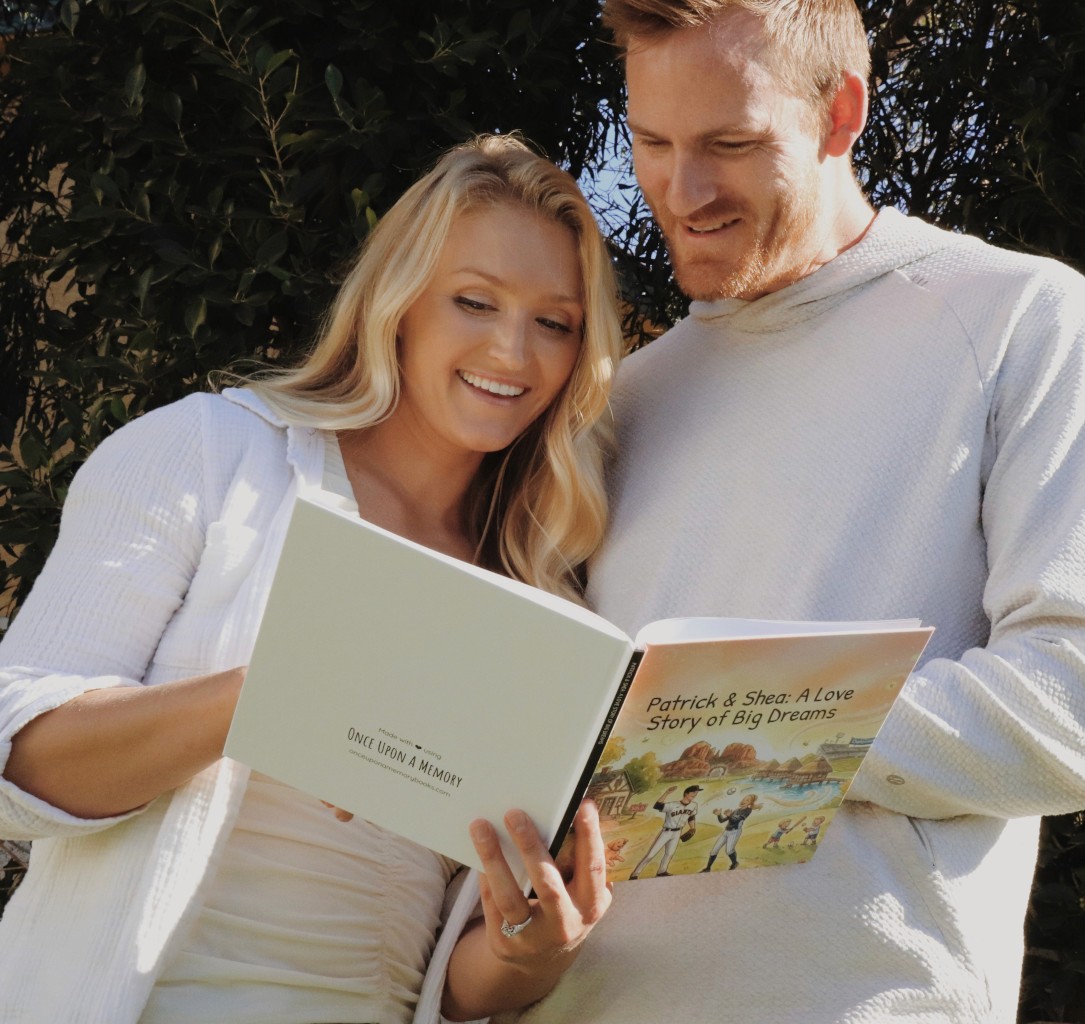
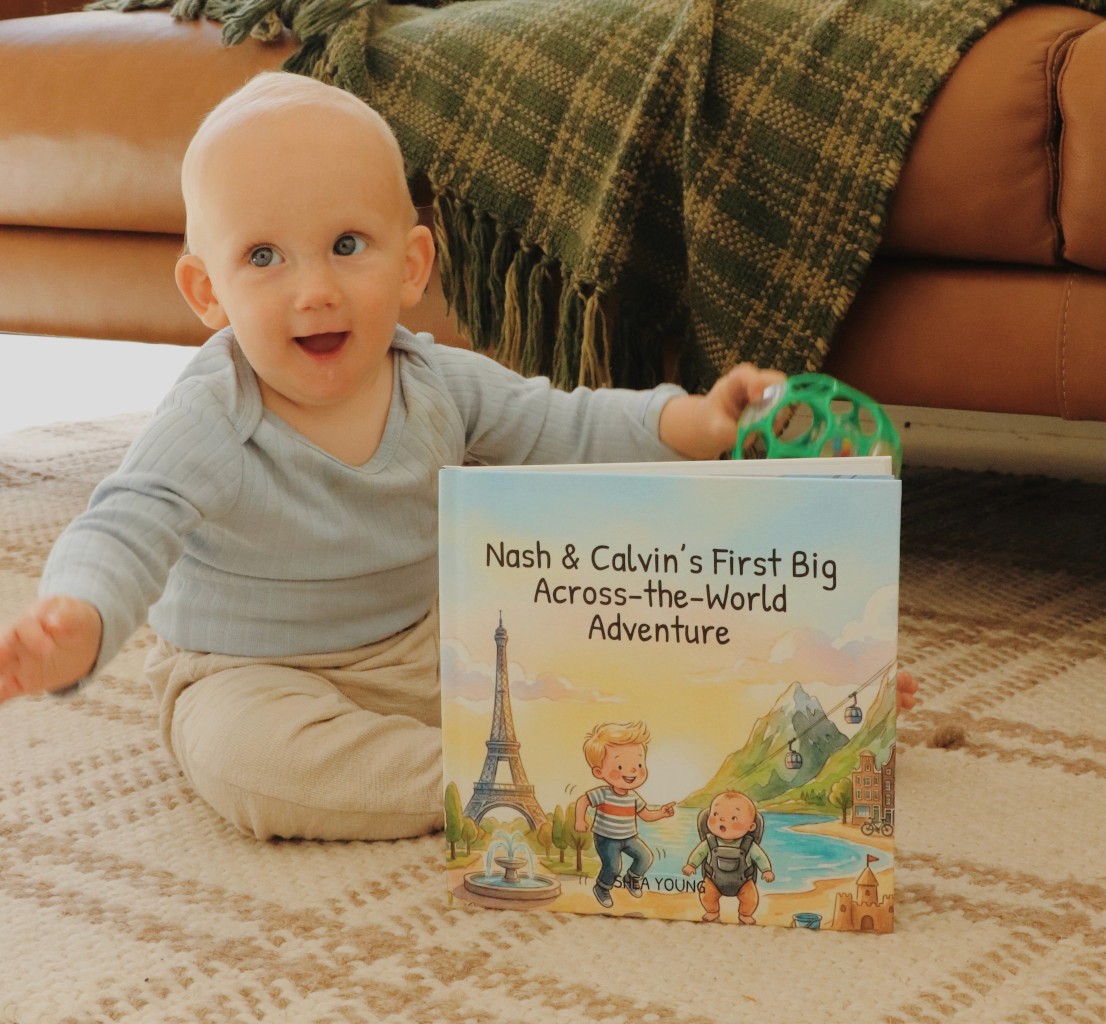
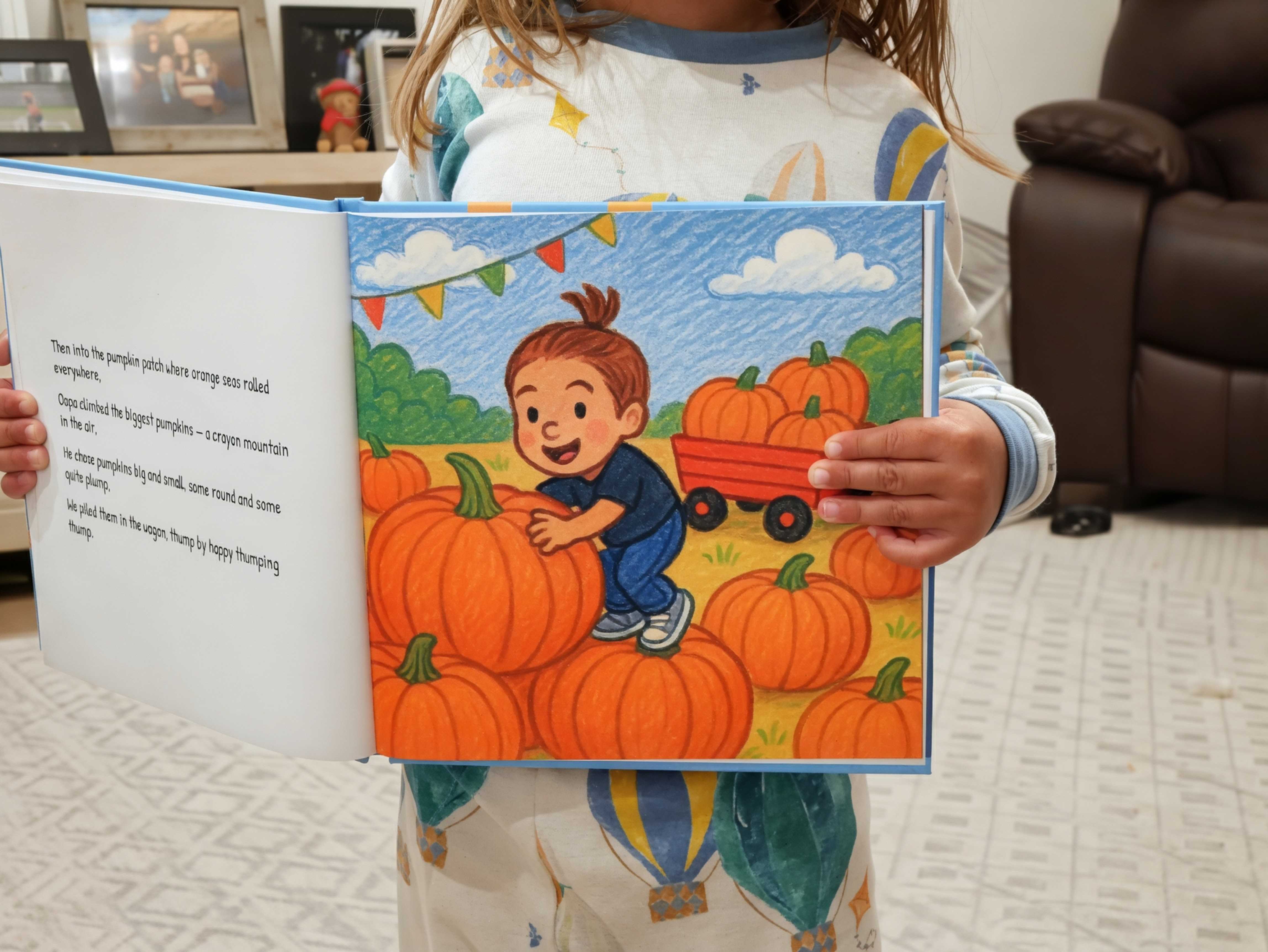
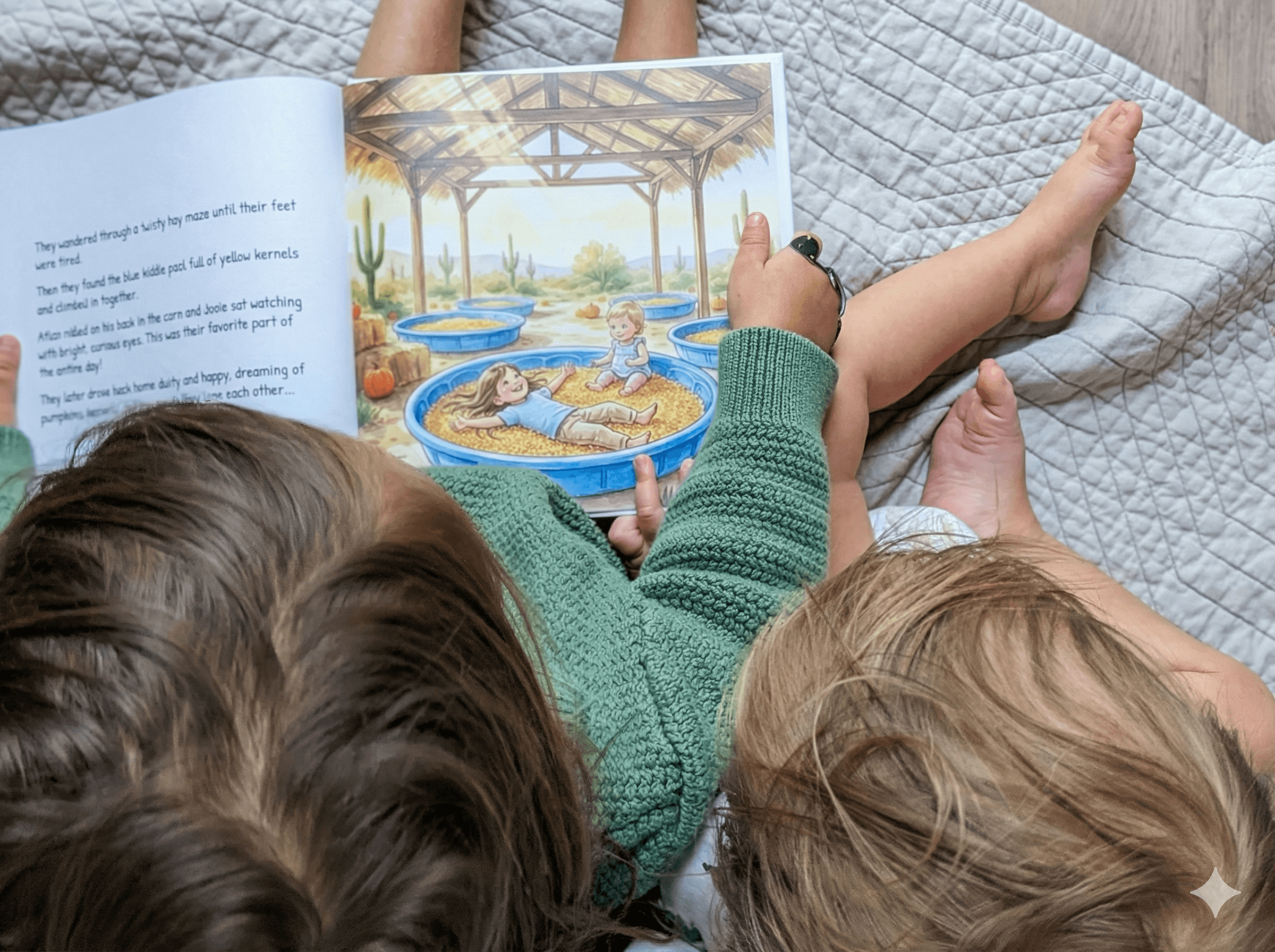
While classic stories whisk children away to imaginary worlds, personalized books do something even more magical: they put your child right in the middle of the adventure. These custom stories, featuring your child's name, photo, and familiar life events, forge a deep, immediate connection to reading. They make abstract ideas feel real and personal.
Just imagine your little one reading a story about their own birthday party, their goofy pet, or that family trip you took last summer. Seeing their life reflected on the page is incredibly validating and gives their self-esteem a boost that no other book can.
Personalized books are more than just a novelty; they are a powerful bridge between a child's real life and the world of literature. They send the clear message: "Your story matters. You are a hero."
This connection isn't just a feeling—it has a real impact. Custom stories have been shown to boost engagement by as much as 35%, making them a fantastic tool for getting a reluctant reader excited about books. They often become the most-requested bedtime stories, turning that shared reading time into an even more meaningful ritual. To learn more, you can take a deeper dive into how personalized storybooks benefit toddlers and their development.
Your Child's First Library: A Balanced Collection Guide
So, how do you actually put this all together? The key is to start small and be intentional. Aim for a starting collection of 25 to 50 titles. That’s enough variety to keep things interesting without feeling overwhelming for you or your child.
This initial collection is a powerful investment. Research shows that kids exposed to between 500 and 1,000 books by age five gain a staggering 1.4 million word advantage in vocabulary over their peers. And while we're building physical libraries at home, the demand for accessible stories is clear everywhere—public libraries saw 662 million digital checkouts in 2023, a 19% jump from the previous year.
To get you started, here’s a simple framework for a balanced and engaging first library.
Book Category | Recommended Percentage | Examples and Purpose |
|---|---|---|
Board Books | 40% | Sturdy books about colors, numbers, animals, and daily routines. Designed for independent handling and durability. |
Interactive Books | 25% | Lift-the-flap, pop-up, and touch-and-feel books. Excellent for developing fine motor skills and keeping young minds engaged. |
Picture Books | 25% | Stories with diverse characters and rich narratives. Perfect for reading together to build vocabulary and emotional intelligence. |
Personalized Books | 10% | Custom stories featuring your child. These become keepsake treasures that boost self-esteem and create a deep love for reading. |
This simple blend ensures your library is well-rounded. It gives your child durable options for solo exploration, engaging formats for interactive fun, rich narratives for shared story time, and those deeply personal tales that will become the heart of the whole collection.
Keeping Your Library Organized and Engaging
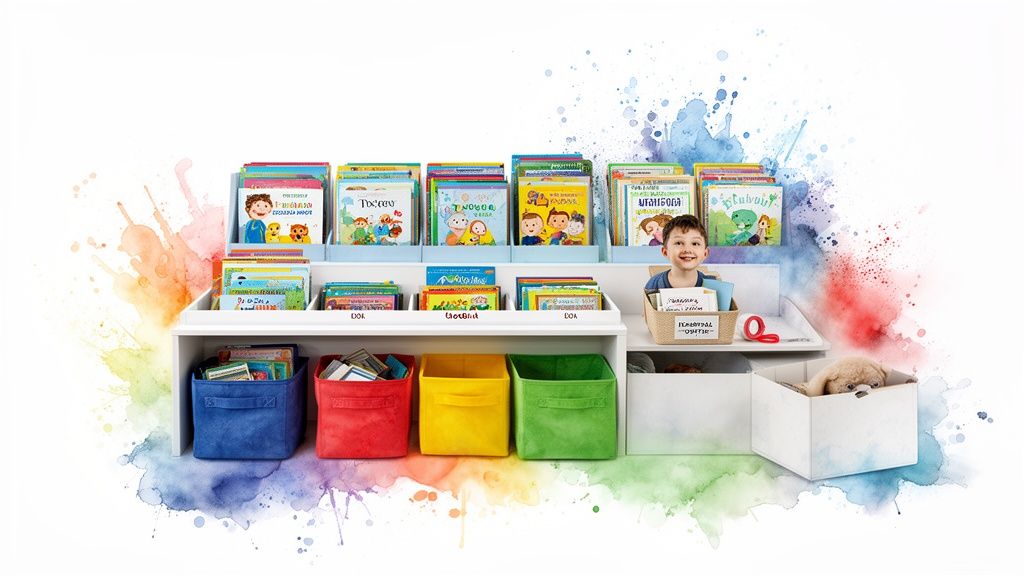
You’ve gathered a beautiful collection of books, but now comes the real test: keeping that thoughtful library from turning into a chaotic, overwhelming pile. An organized library isn't about rigid rules. It's about creating a simple, kid-friendly system that makes finding—and putting away—books feel like part of the fun. The goal is accessibility, not perfection.
When a child can easily find the story they’re looking for, they feel a sense of independence. It empowers them to interact with their library on their own terms, strengthening their connection to reading for years to come.
Creating a Kid-Friendly Sorting System
Forget the Dewey Decimal System. For young children, organization needs to be visual, intuitive, and centered on concepts they already get. The best systems are the ones they can help create and maintain themselves, which teaches responsibility and gives them a real sense of ownership over the space.
Thematic sorting is a fantastic starting point. Just think about your child's current passions and create simple categories.
Colorful Bins or Baskets: Assign a different color or a simple picture label to each theme. You could have a blue bin for "Under the Sea" books, a yellow one for "Construction Stories," and a green one for "Animal Adventures."
Shelf Sections: If you've got a larger bookshelf, dedicate different shelves to specific topics. The bottom shelf could be for sturdy board books they can grab anytime, while a higher shelf might hold bedtime stories reserved for evening rituals.
The key is to keep it simple and flexible. As your child’s interests change, you can easily create new bins or re-label sections together. This makes organization feel less like a chore and more like an ongoing, collaborative project.
The Magic of Book Rotation
One of the most powerful strategies for keeping your home library fresh is book rotation. This simple concept can completely transform how your child interacts with their collection. Instead of having every single book available all the time, you keep a portion of them tucked away in storage.
Every month or so, swap out the books on the shelves with the ones from the stored collection. Suddenly, old books feel brand new again, and the library never gets stale. It’s like having your own personal "new arrivals" section right at home!
Book rotation prevents "book blindness," where familiar titles on a crowded shelf become invisible. By regularly introducing "new" old favorites, you reignite your child's curiosity and encourage them to explore the full breadth of their collection.
This method also has a huge practical benefit: it naturally limits the number of books out at one time, making cleanup so much more manageable for both of you. A smaller, curated selection is far less intimidating than a mountain of books.
Teaching the Art of Book Care
Part of building a home library is teaching your child to respect their books. This doesn't need to be a strict lecture; it can be a gentle, ongoing conversation woven right into your reading routine.
Show them how to turn pages carefully, explaining that the pages are like a book's clothing and we want to keep them neat. Make putting books back on the shelf a standard part of the cleanup routine after story time. Simple habits, modeled consistently, go a long way.
One of my favorite ways to teach this is by creating a "book hospital." Get a small box and fill it with clear tape and other simple repair supplies. When a book gets a small tear, you can work together to "admit" it to the hospital for a little "surgery." This playful approach turns a potential moment of stress into a caring, hands-on activity. It teaches kids that accidents happen, but that we have a responsibility to care for our treasured things, reinforcing the idea that books are valuable and worthy of respect.
Bringing Your Library to Life with Reading Rituals
Okay, you’ve got the cozy nook and the perfectly organized shelves. But this is where the real magic happens. A home library truly comes to life in the shared moments—the giggles, the gasps, and the quiet cuddles that turn a simple story into a family tradition.
This is all about weaving books into the fabric of your family life, making them feel less like objects on a shelf and more like invitations to connect and play.
Beyond the Bedtime Story: Creative Rituals
The classic bedtime story is a wonderful anchor, but there are so many other ways to make reading feel like an adventure. The goal is to keep things fun and totally pressure-free.
Think about turning the arrival of a new book into a little event. We love to do a "book premiere" at our house. I’ll wrap a new book in gift paper and let my kids open it with a bit of fanfare before we settle in for its first special read-aloud.
Here are a few other ideas we’ve tried and loved:
Story Time Picnic: Just lay out a blanket on the living room floor with a few simple snacks. This tiny change of scenery can make story time feel like a special treat.
Act It Out: After you’ve read a favorite for the tenth time, put the book down and act it out. Use goofy voices, make the animal sounds, and get everyone to jump, roar, or dance along. It's pure chaos in the best way.
Connect to Real Life: Reading a book about baking? Spend the afternoon making cookies together. If it's about animals, maybe a trip to the local farm or zoo is in order. This shows kids that the worlds inside their books are connected to their own.
Building a home library, especially one filled with these kinds of meaningful rituals, is more than just a sweet family project; it's a global trend. The market is projected to surge from $4.8 billion in 2025 to $8.9 billion by 2033. This investment pays off in profound ways for families. Studies show that toddlers in homes with just 20 books can perform at reading levels up to 1.2 years ahead of their peers.
Making Rituals Extra Special with Personalized Books
Personalized storybooks can take these rituals from fun to absolutely unforgettable. There’s something incredibly powerful about a child seeing their own name, photo, and life events on the pages. It creates a deep, positive connection to reading.
Imagine a book premiere for a story all about their first day of school, or a story time picnic where you read about their family vacation. Personalized books amplify that link between life and literature, boosting early literacy by as much as 25%. They quickly become the most requested reads, turning real-life moments into the most treasured stories in your collection.
Rituals built around personalized stories reinforce a child's sense of self-worth and belonging. They hear a consistent, loving message: "Your life is a story worth telling and reading over and over again."
Nurturing a Reluctant Reader
But what if your child isn't instantly captivated by books? The key here is gentle, patient encouragement. Forcing it can backfire and create a negative feeling about reading that’s hard to undo. Instead, focus on making the entire experience joyful and inviting.
Let them see you reading for pleasure. Talk about the books you love. Keep read-aloud sessions short and sweet, and always stop before they get restless—the goal is to leave them wanting more. Remembering the many benefits of reading aloud to children can be a great motivator for us parents to stick with it, too.
To make sure your collection is as inviting as possible, check out these expert tips for styling a bookshelf. A beautiful, accessible setup can be another gentle nudge.
Ultimately, by creating a warm, engaging environment filled with fun rituals, you show your child that reading isn’t a chore—it’s a gateway to adventure, connection, and endless joy.
Your Home Library Questions Answered
Building a home library is such a personal project, and it's completely normal for questions to pop up along the way. As you get started, you might wonder if you're doing it "right." I've been there!
This is where we tackle the most common worries I hear from parents. Think of it as a final chat to make sure you feel confident and excited about the journey. Let’s clear up a few things.
How Many Books Do I Need to Start?
You absolutely do not need hundreds of books to make a difference. In fact, a thoughtfully chosen collection of just 20-25 high-quality books is a fantastic starting point. It's more than enough to spark a real love for reading.
Quality will always, always beat quantity. Focus on a good mix: durable board books for tiny hands, fun interactive stories, and a few extra-special personalized books that put your child right in the middle of the adventure. Even a small library like this can have a huge impact on their vocabulary and get them excited about stories. You can always let the collection grow naturally with birthday gifts, holiday traditions, or fun trips to the thrift store.
My Toddler Is Rough with Books. How Can I Protect Them?
Oh, this is a universal truth of parenting! You are definitely not alone. The best defense is a good offense—start with books built for toddler-level enthusiasm. Sturdy board books are your best friend here. They’re made to survive chewing, dropping, and less-than-gentle page turns.
For the more delicate paperbacks or hardcovers, just make them part of your special one-on-one reading time. This subtly teaches your child that some books are for sharing and handling with a little more care.
A little trick I love is creating a "book hospital." When a page gets a small tear, we get out the tape and "fix" it together. It turns a moment of damage into a gentle lesson about how we care for things we love.
This simple act shows them that books are treasures. It helps build a sense of respect and pride in their growing collection.
What Is the Best Way to Organize Books for a Young Child?
Forget the library systems you grew up with. For little kids, organization needs to be simple, visual, and totally intuitive. The single most effective thing you can do is use low, forward-facing shelves where they can see the covers. Toddlers and preschoolers don’t read spines; they fall in love with the pictures.
Beyond shelving, I’m a huge fan of using colorful bins or fabric baskets for simple themes they can understand. This not only empowers your child to find their own books but—crucially—helps them learn how to put them away.
Here are a few kid-friendly categories to try:
Animal Stories: A home for all the farm, jungle, and pet adventures.
Bedtime Books: The go-to basket for calm, sleepy-time reads.
Family Adventures: The perfect spot for personalized books and stories about familiar faces.
Things That Go: A bin dedicated to all things cars, trains, and planes.
The goal isn’t a perfectly organized library. It's about making books so accessible and inviting that your child can’t help but grab one and explore.
How Do Personalized Books Fit into a Home Library?
Think of personalized books as the heart of your collection. Classics are wonderful for introducing new worlds, but personalized stories do something uniquely powerful: they make your child the hero of their own story.
When they see their name, their photo, and maybe even their pet's name in a real, printed book, it creates an incredible connection to reading. It validates their experiences and sends the message that their story matters. These are the books that get read again and again, making them perfect for celebrating a milestone or just making a regular Tuesday feel extraordinary.
At Once Upon A Memory Books LLC, we specialize in turning your family's precious moments into beautiful, custom storybooks that your child will treasure forever. Bring your child's adventures to life and create a keepsake that deepens their love for reading.