Blog
How to Create a Story Book Online A Guide to AI Gifting
Learn how to create a story book online using AI tools. This guide offers practical steps to make a personalized, heartfelt book a child will always cherish.
Imagine the look on a child's face when they see themselves as the hero of their very own adventure. That pure, unfiltered delight is what makes a custom storybook so special. Today, you don't need to be an artist or a writer to create a story book online; you just need a heartfelt idea and a little guidance.
This guide will walk you through the entire journey, showing you how simple, intuitive platforms can turn your family memories and inside jokes into a professional-quality keepsake they'll treasure forever.
Why a Custom Story Book Is an Unforgettable Gift
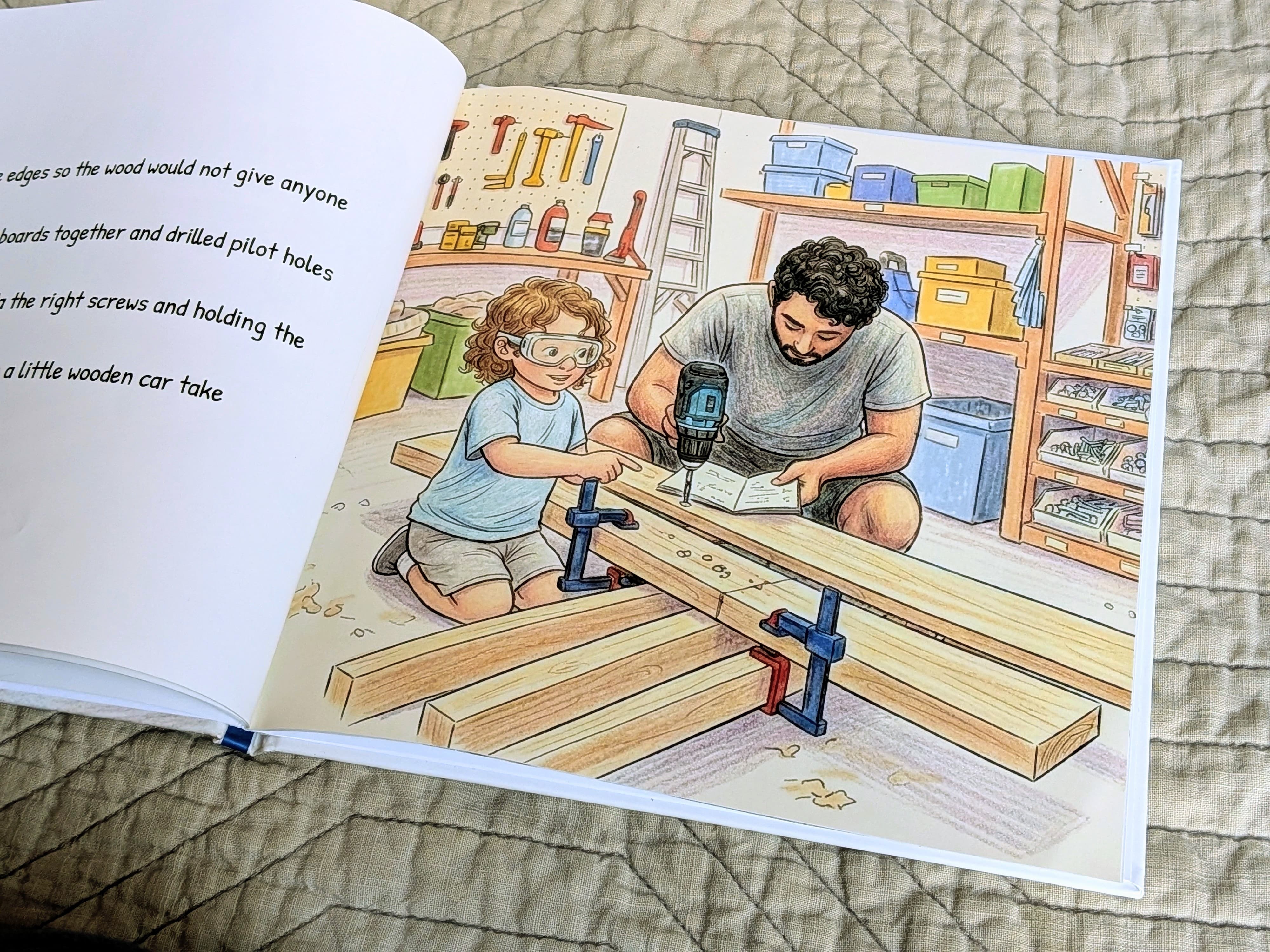
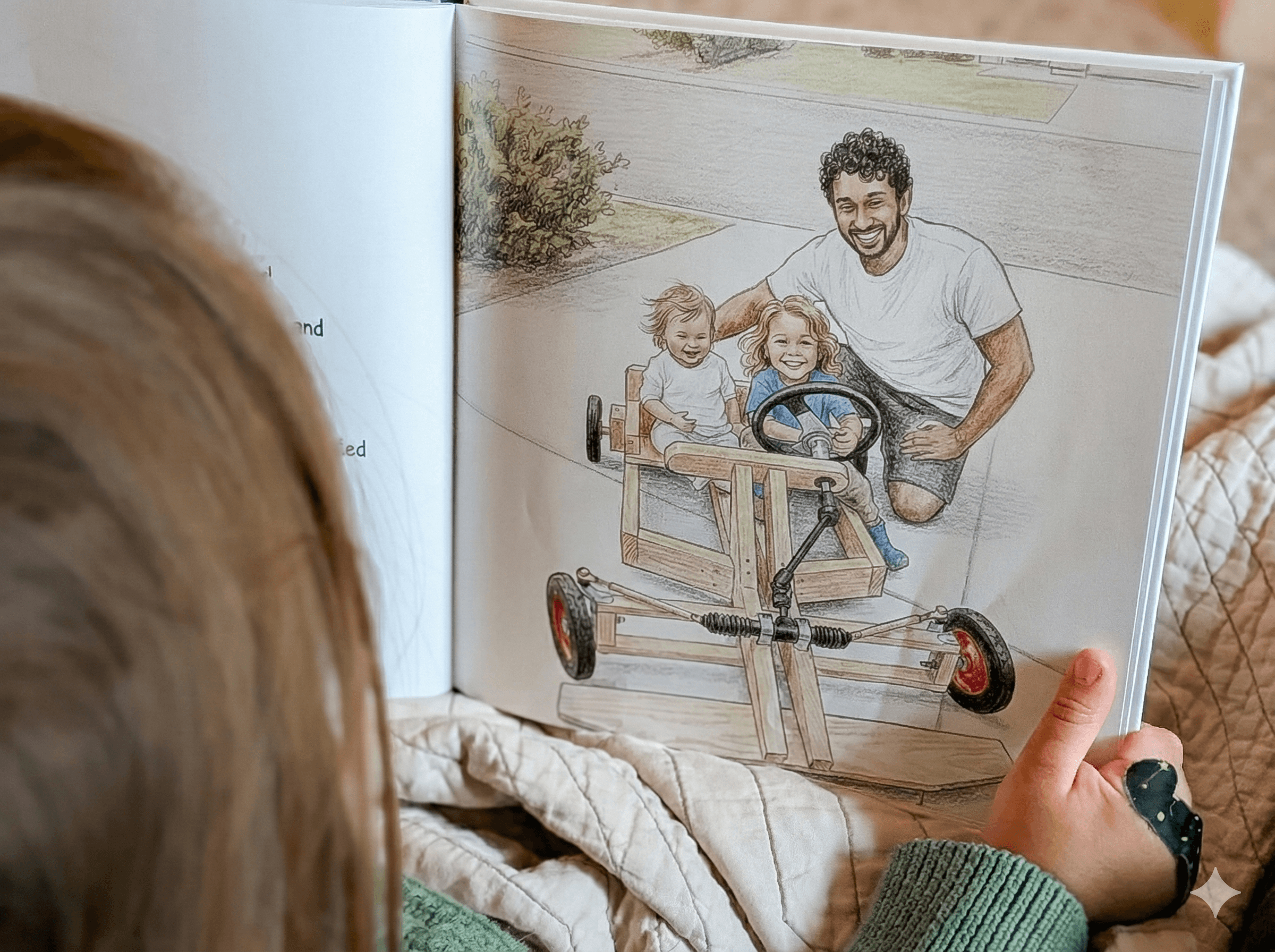
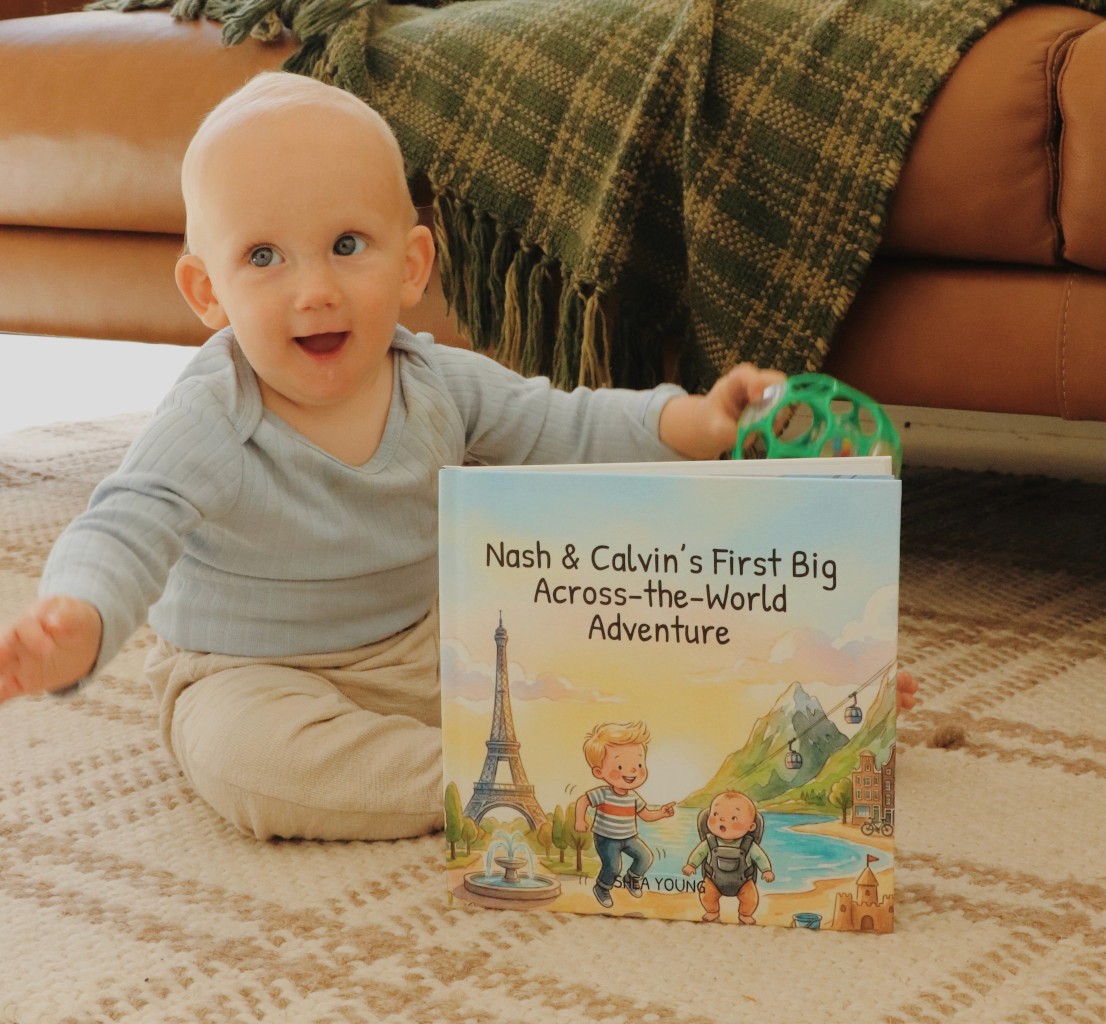
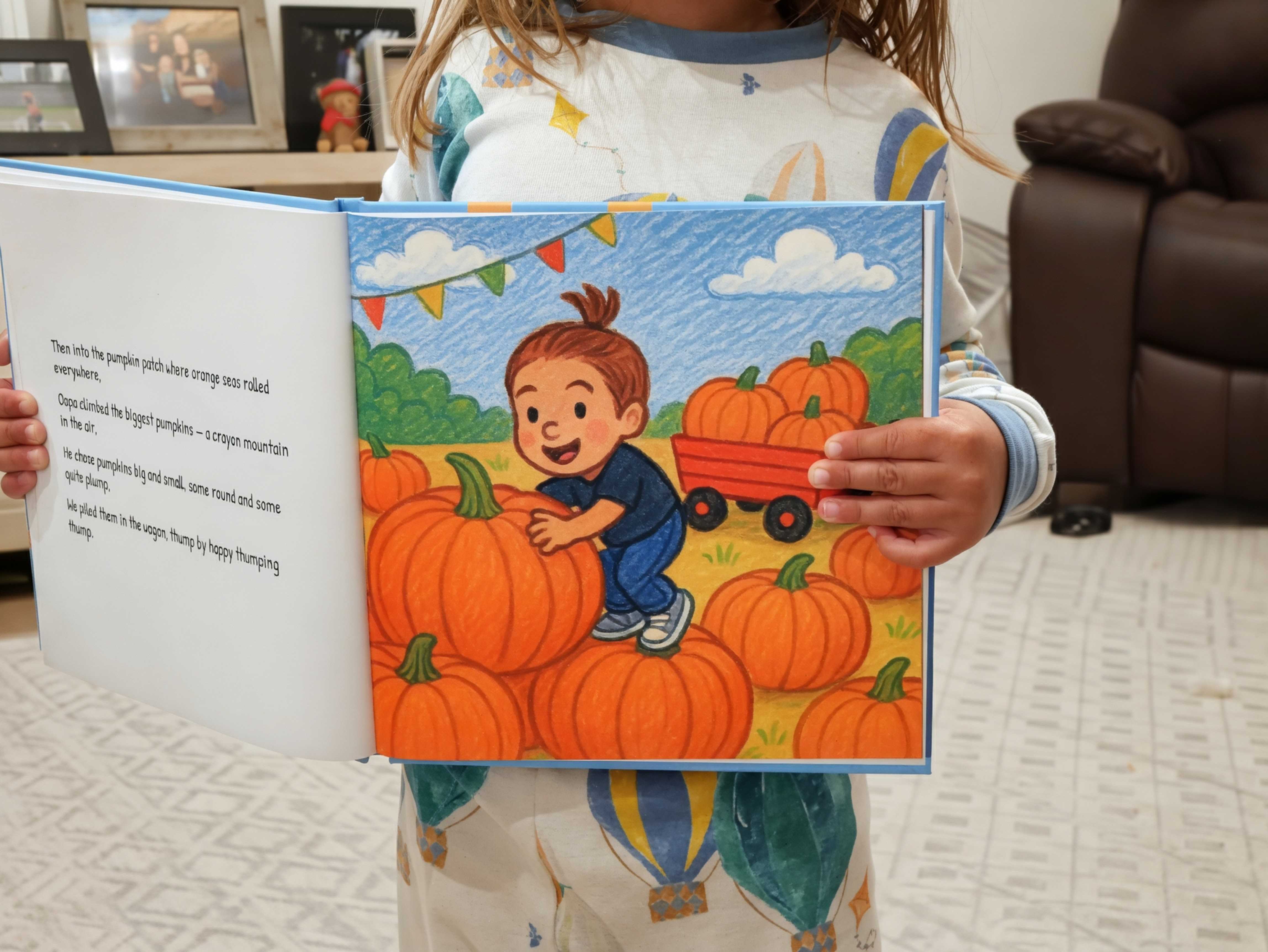
In a world overflowing with screens and plastic toys, a personalized book is something different. It’s tangible, timeless, and deeply meaningful. Unlike a generic gift, a custom book is a collaborative creation—a story that captures a child’s unique personality, their world, and their place in it. It’s more than a story; it’s a love letter that says, "You matter."
We designed this walkthrough for parents, grandparents, aunts, and uncles—anyone who wants to make something truly special without any prior experience. We’ll cover everything from brainstorming your story to using easy AI tools that help write the text and generate beautiful, custom illustrations.
The Power of Seeing Yourself in the Story
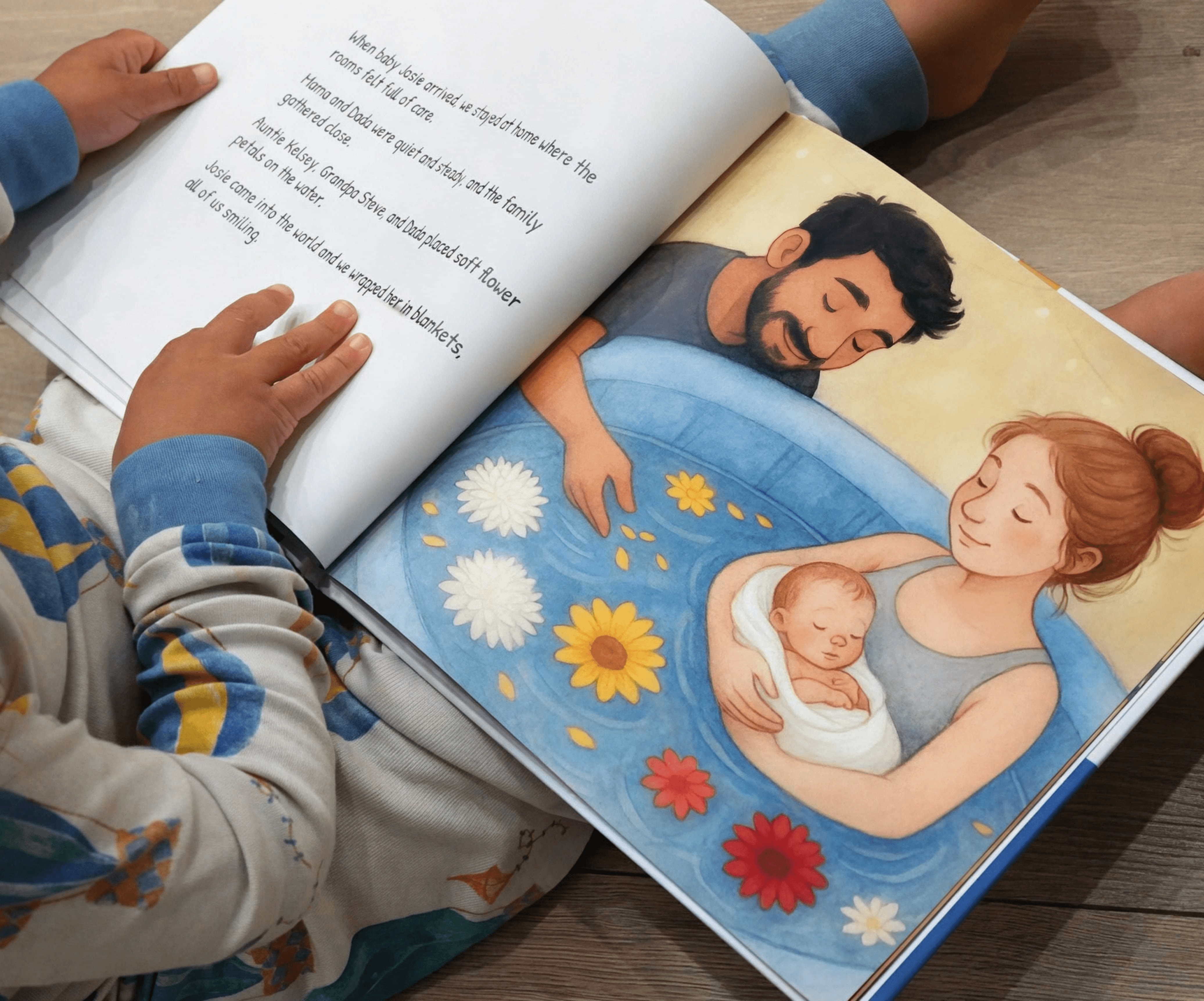
When a child sees their own name, pet, or favorite playground in a book, something magical happens. It instantly forges a connection that a store-bought story just can't match, transforming reading from a task into an exciting, immersive activity. This is where a love for literacy begins.
And you’re not alone in wanting to create something unique. The global online books market is expected to hit roughly $26.04 billion in sales by 2025, driven by a growing demand for exactly these kinds of self-publishing and digital creation tools. This boom has made it simpler than ever for anyone to produce a stunning, professional-quality book from the comfort of their home.
The real magic isn't just in the making; it's in the rereading. A personalized book becomes a cherished family heirloom—a snapshot of childhood that strengthens bonds and preserves precious memories every time you turn the page.
Creating a book is a wonderful journey, and the final presentation can make it even more special. For more ideas, check out our guide on how to create a book as a gift.
Let's dive into the step-by-step process. Here’s a quick overview of what to expect on your book-making adventure.
Your Online Storybook Creation Roadmap
Phase | What You'll Do | Key Outcome |
|---|---|---|
1. Brainstorming & Planning | Jot down story ideas, characters, and key plot points. Think about the child's interests. | A clear concept and outline for your story. |
2. Gathering Your Materials | Collect photos of the child, their pets, and important places. Note down key details. | All the personal elements ready for upload. |
3. Using the AI Editor | Input your details into the platform. Guide the AI to generate text and illustrations. | A complete first draft of your book. |
4. Refining & Polishing | Tweak the generated story and images to get them just right. Add your own voice. | A polished, finalized storybook ready for print. |
5. Ordering & Gifting | Choose your book format, place the order, and await your special delivery. | A beautiful, custom-printed book in your hands. |
This roadmap breaks down what can feel like a big project into simple, manageable steps. Now, let's get started with the fun part: planning your story
Gathering Your Story's Core Ingredients
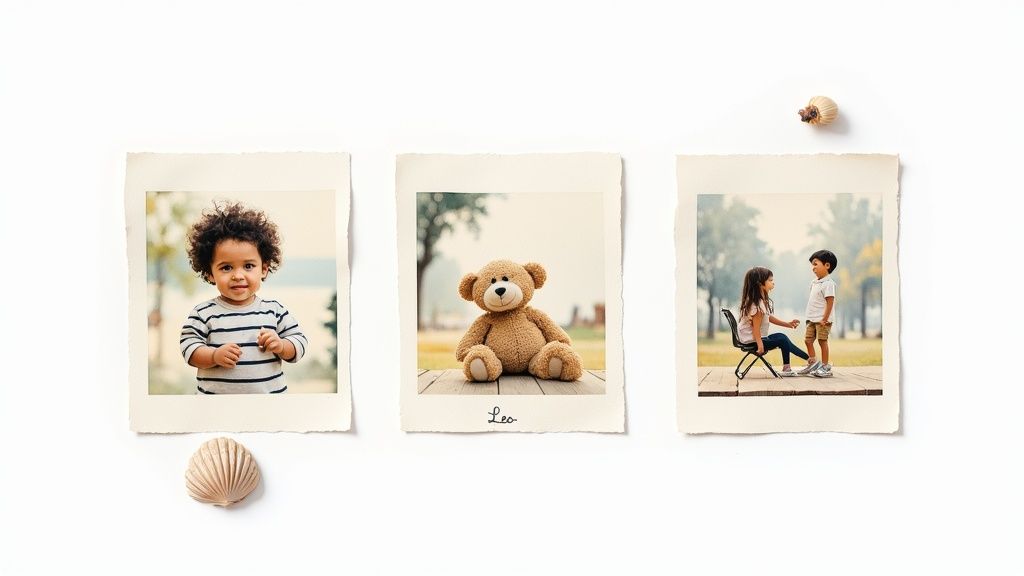
Every truly magical story starts with heart. Before you even touch the technology to create a story book online, this is where the real magic begins: gathering the little, personal details that will make the book feel like a warm hug.
This thoughtful prep work is what turns a cute story into a treasured keepsake. So grab a notebook or open a new note on your phone. Let's start by thinking about the child's world—the small, everyday things that define their childhood right now.
Building Your Main Character Profile
The hero of your story is so much more than a name and an age. To bring them to life on the page, you need to capture their unique spark—the quirks and passions that make them them.
I find it helps to create a quick character profile. Nothing fancy, just a few bullet points to keep you focused.
Name & Nicknames: What does everyone call them? Does Grandma have a special pet name? Think, "Leo, but we call him 'Leo the Lion' when he's feeling brave."
Best Friends & Companions: This could be a sibling, a cousin, the kid next door, or a beloved pet. "His best friend is his golden retriever, Sunny."
Favorite Things: Jot down their favorite toy, color, snack, or even that one song they insist on hearing every night. "He never goes to sleep without his worn-out blue teddy bear, Barnaby."
Funny Habits or Sayings: What are those little things they do or say that make you smile? "He always sings a silly song about dinosaurs while brushing his teeth."
These details are your secret ingredients. They make sure the character in the book isn't just a generic hero but a true reflection of the child you love.
Brainstorming a Simple and Sweet Plot
Your story doesn't need to be an epic saga. For young kids, the best plots are often the simplest—relatable quests or magical adventures rooted in their everyday lives. The goal is a story that's easy for them to follow and feels emotionally true.
A powerful theme often emerges from the character's journey all on its own. It might be about finding courage, the joy of sharing, or the comfort of a good friend. Focusing on one clear message makes the story so much more meaningful.
Here are a few simple plot ideas to get you started:
The Backyard Quest: The main character and their pet have to find a lost favorite toy before naptime.
A Magical Discovery: They find something ordinary in the local park—like a shiny rock or a colorful leaf—that whisks them away on an imaginary journey.
The Big Helper: The child helps a parent or grandparent with a special task, like baking cookies or planting a flower in the garden.
Try to pick a concept that taps into what the child already loves. If they're obsessed with animals, a story about helping a lost squirrel might be perfect. If they can't get enough of trucks, a tale about a magical construction site could capture their imagination. The key is to keep it simple, focused, and full of heart.
Choosing the Right Online Creation Tool
The platform you choose to create a story book online is more than just software; it’s your creative partner for this whole project. Getting this right is the difference between a joyful, fun experience and a frustrating one. The market has everything from simple fill-in-the-blank services to powerful AI creators with unbelievable customization.
So, where do you start? The choice really boils down to one simple question: What kind of creative experience are you looking for?
Some people want a guided process with pre-set options, almost like coloring inside the lines. Others crave complete artistic freedom over every word and brushstroke. There's no single "best" tool, only the one that feels right for your project and comfort level.
Key Factors to Consider
Before you dive in and commit to a platform, let's walk through a few practical things that will make or break your experience. Trust me, getting this right from the start saves a lot of headaches later.
Here are the non-negotiables I always look for:
Ease of Use: Is the interface intuitive, or does it feel like you need a design degree just to get started? Look for simple drag-and-drop features, clear instructions, and helpful customer support.
Artistic Control: How much can you really change? Can you regenerate an illustration multiple times, tweak specific details, or adjust the artistic style? Or are you pretty much locked into a fixed look?
AI Story Generation Quality: Does the AI write like a human, or does it sound robotic? Test it out. See if the text it generates feels natural, heartfelt, and age-appropriate for the child you're creating this for.
Final Print Options: What will the finished product actually look and feel like? Little hands are not always gentle, so check if the service offers durable hardcover or board book options.
A great tool should feel like a helpful assistant, not a confusing obstacle. If you feel overwhelmed just looking at a platform’s homepage, it’s probably not the right one for you, and that’s perfectly okay.
Comparing Online Storybook Creation Platforms
Different platforms are built for different needs. Once you understand the main types out there, you can quickly narrow down your search and find a service that lines up with your creative vision.
This little table breaks down the common categories you'll run into.
Platform Type | Best For | Customization Level | Typical Cost |
|---|---|---|---|
Template-Based Services | Quick and simple projects where you just plug names and photos into a pre-written story. | Low. You're mostly filling in blanks in a set template. | $25 - $40 per book |
Full AI-Powered Creators | Building a completely unique story from scratch, including custom plots and one-of-a-kind illustrations. | High. You guide the entire creative process with your prompts and edits. | $35 - $60 per book |
Hybrid Platforms | A guided experience that uses AI to help you, but within a more structured framework. | Medium. Offers more flexibility than templates but less than a full creator. | $30 - $50 per book |
In the end, the goal is to pick a platform that empowers your creativity without causing any technical frustration.
A service like Once Upon A Memory Books falls squarely into the AI-powered creator category. It's designed to give you a high degree of personalization over both the story and the art, putting you in the director's chair to make something truly one-of-a-kind. By weighing these factors, you can confidently choose the perfect tool to bring your vision to life.
Bringing Your Story to Life with a Little AI Magic
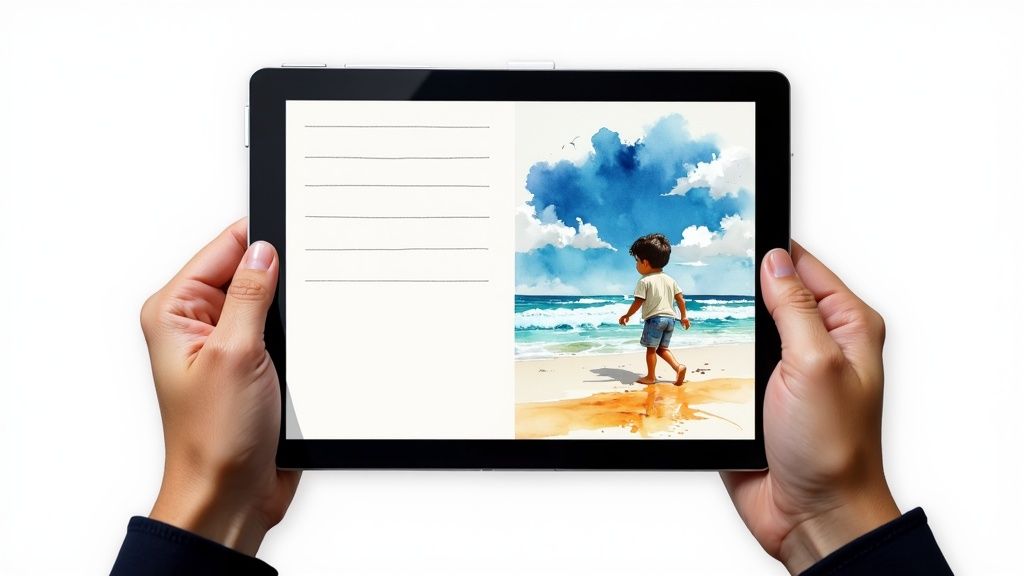
This is my favorite part—where all the memories, photos, and ideas you've gathered start to become a real, beautiful book. You’ve done the thoughtful work, and now it’s time to team up with the AI to bring the story and illustrations to life.
The secret? Think of yourself as the storyteller and the AI as your very own eager artist. It needs your specific, heartfelt instructions to create something that truly shines. Vague ideas lead to generic results, but rich, personal details? That’s where the magic happens. This is your chance to create a story book online that feels like it was made just for them.
Writing Prompts for a One-of-a-Kind Story
Remember all those little details you collected earlier? This is where they become your superpower. Instead of giving a simple command, you’ll weave those personal tidbits right into your request for the AI. This gives it the context it needs to build a world around your little one.
Let’s say you started with a basic idea like: "Write a story about a boy who finds a shell."
It's a start, but it doesn't have much heart. Now, let’s sprinkle in the details you already know:
“Create a story for Leo, a curious 6-year-old with bright red rain boots, who discovers a shimmering seashell on Sunny Beach. The shell whispers secrets of the ocean, telling tales of friendly dolphins and pirate treasure. Keep the tone adventurous but gentle, and the vocabulary simple for a young reader.”
See the difference? We’ve given the AI a name, age, a personality trait (curious), a visual detail (red boots), a specific place, and a magical twist. We also guided the tone and reading level, making sure the final story is a perfect fit.
Creating Illustrations That Look Just Like Them
The same idea applies to creating the art. The goal isn’t just to have pretty pictures that match the story—it's to create illustrations where the child can genuinely see themselves. This is where your reference photos are so important.
When you're describing what you want to the AI art generator, be as specific as you can. You’ll want to combine physical features with a clear artistic style.
A so-so prompt: “A girl in a garden.”
A fantastic prompt: “An illustration of a 5-year-old girl named Mia with curly brown hair in a ponytail and bright blue eyes, wearing a yellow sundress. She is smiling and gently holding a ladybug on her finger in a sunny, whimsical garden full of wildflowers. The style should be soft, like a classic watercolor children’s book.”
This detailed prompt gives the AI everything it needs: who the character is, what she looks like, what she’s doing, where she is, and the artistic style you're aiming for. Don't be afraid to try a few times, tweaking your words until the illustration feels just right. You can read more about how to blend personal details and artistic direction in our guide to AI-illustrated personalized story books.
This whole creative process is so much more accessible now. New tools like print-on-demand and AI-assisted creation have made it faster and more affordable than ever to make a gorgeous, professional-quality book. What used to cost thousands can now be done for hundreds, putting this incredibly personal gift within reach for so many more families.
Adding the Personal Touches That Matter
An AI draft is a fantastic starting point, but your touch is what turns a clever project into a family heirloom. This is where you get to polish the story, infusing it with the warmth, humor, and inside jokes that only you know.
Think of the AI's first draft as a beautifully sketched outline. Now, you get to be the artist who adds the vibrant, personal colors. This is where the real magic happens when you create a story book online.
Weaving in Your Family's Unique Story
The most memorable details are the ones an AI could never invent—the little things that make your family your family.
Start by reading the AI-generated text out loud. Does it sound natural? Is the language right for your little one? As you go, look for spots to sprinkle in some personal magic.
Mention a beloved family member: Instead of a generic baker, maybe the hero gets help from "Grandma Rose, who always smells like cinnamon."
Reference a real memory: A magical journey could kick off from a familiar place, like "the big oak tree at the end of our street where we had our picnic last summer."
Incorporate inside jokes: If the family has a silly nickname for the dog, use it! These small touches create powerful moments of recognition and pure delight for a child.
A great personalized book does more than tell a story; it reflects a child's world back to them. By adding these specific, heartfelt details, you're telling them, "I see you, I know you, and your story matters."
Refining the Visuals and Final Details
Your personal touch extends to the illustrations, too. The first image an AI generates might be good, but is it perfect? Most online tools let you regenerate images or tweak prompts until they feel just right.
Don't be shy about it! Maybe the hero’s shirt needs to be their favorite color, or their trusty teddy bear needs to look a bit more loved and worn-in.
Pay attention to the little things that complete the experience:
Choose a Whimsical Font: The right typeface sets the entire mood. Look for something playful but still easy for little eyes to read.
Adjust the Layouts: Make sure the text and images feel balanced. Is there enough white space on the page to keep it from feeling cluttered or overwhelming?
Write a Heartfelt Dedication: This is your space to speak directly to the child. A simple message on the title page, like "For our little adventurer, may you always find magic in the everyday," turns the book into a priceless keepsake they can cherish for years.
From Digital File to Bedtime Story
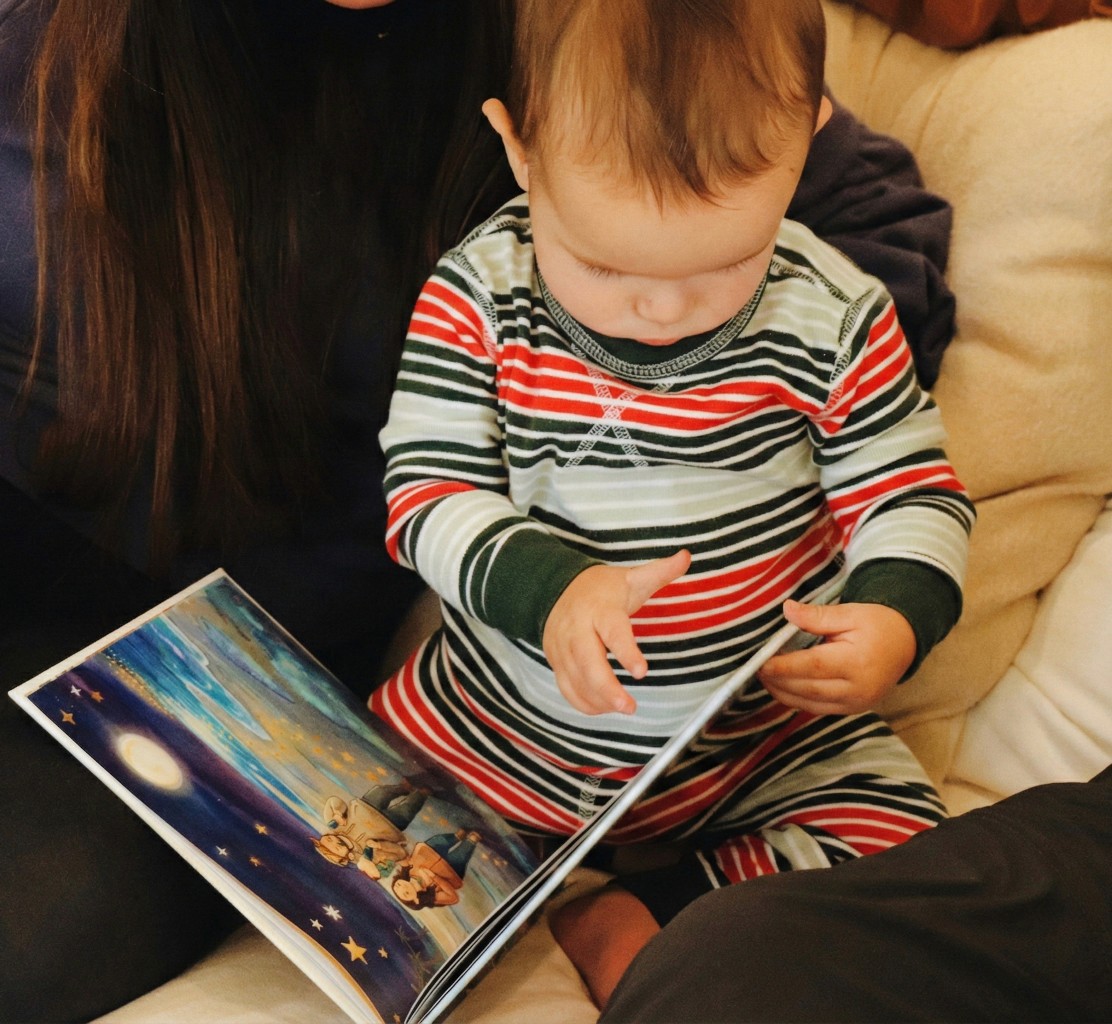
You’ve done it! The story is polished, the illustrations are perfect, and now you’ve reached the best part: bringing your creation from the screen into your child’s hands. This is where all your hard work becomes a real, tangible keepsake ready for countless bedtime readings.
First, you’ll need to decide on the book’s format. It’s usually a trade-off between durability and cost. A hardcover book is incredibly sturdy and has that classic, weighty feel—perfect for a forever keepsake that can withstand years of enthusiastic page-turning.
On the other hand, a softcover version is lighter and more budget-friendly. This is a great choice if you’re planning to order extra copies for grandparents or cousins.
One small detail I always recommend is the paper finish. Most platforms offer glossy or matte pages. For children's books, I’m a big believer in matte paper. It cuts down on glare from reading lamps, making the words and pictures much easier for little eyes to see.
Placing Your Order
Before you click that final "print" button, pause for one last, crucial task: the digital proof. This is your final chance to spot any sneaky typos, weird formatting, or an illustration that doesn't look quite right on the page.
Take your time with this. I mean it. Read every single word out loud and scan each page carefully. It’s so much better to spend an extra ten minutes now than to feel that tiny pang of regret when the printed book arrives with a mistake.
Once you’re sure it’s perfect, you’re ready to order. Just keep production and shipping times in mind. It typically takes a combined 1-3 weeks for the book to arrive, so be sure to plan ahead if you're aiming for a birthday or holiday.
Making the Gift-Giving Magical
The book itself is an incredible gift, but the way you present it can create a core memory. Think beyond just handing over the book.
Here are a few ideas to make the moment unforgettable:
Pair it with a prop: If the main character is a pirate, add a toy sword or an eye patch. Is she a baker? Include a little apron and a whisk.
Create a costume: A simple homemade cape or a glittery crown can make your child feel like they’ve literally stepped inside their own story.
Share the moment: You put so much love into this project! The journey to create a story book online is an accomplishment worth celebrating. Today, more than 78% of authors use social media to connect with their community weekly. Sharing a quick photo or video of your child seeing their book for the first time is a joyful way to cap off your creative journey. You can find more insights on this from BookBub.
Common Questions About Creating a Story Book Online
Thinking about making a custom storybook? It's natural to have a few questions before you dive in. I get these all the time, so let's clear up some of the most common ones right now.
Do I Need to Be a Good Writer or Artist?
Nope, not at all. Think of yourself as the director, not the entire film crew.
Modern storybook platforms are built for parents and gift-givers, not professional creatives. You bring the heart—the memories, the inside jokes, the details that make your child unique. The AI tools handle the heavy lifting, turning your ideas into beautiful illustrations and flowing sentences.
Your job is simply to provide the vision.
How Much Does a Custom Book Cost?
It’s surprisingly affordable for a keepsake that will last a lifetime.
A single, custom-printed hardcover book typically lands somewhere between $25 and $50. The final price usually depends on things like the book’s length, size, and the quality of the paper you choose.
Another big question we hear a lot is about the safety of using personal photos. It's a huge concern for parents, and rightly so. We've actually written a detailed guide to clear up the confusion and separate fact from fear—you can read more about child photo AI privacy myths here.
Ready to turn your favorite memories into a magical story? With Once Upon A Memory Books, you can create a one-of-a-kind keepsake in minutes. Start building your personalized book today.