Blog
10 Enduring Children Book Themes to Turn Memories into Stories in 2026
Explore the top 10 children book themes to create meaningful stories. From adventure to family, discover ideas to turn your child's moments into keepsakes.
Every child's life is filled with epic adventures, quiet moments of connection, and triumphant milestones. But how do you capture those fleeting memories and transform them into a story they will want to read forever? The secret lies in choosing the right theme, a narrative framework that gives meaning and magic to their real-life experiences. The best children book themes do more than just entertain; they build confidence, teach empathy, and strengthen family bonds by turning personal moments into powerful narratives.
This guide moves beyond generic ideas to give you a practical roadmap for creating a story that truly resonates. We will explore 10 powerful themes perfect for a personalized storybook, covering everything from grand adventures to quiet bedtime routines. For each theme, we provide actionable ideas, age-appropriate notes, and storytelling hooks to help you match a concept to your child's unique personality and your family's most treasured moments.
As you consider themes and stories that resonate, exploring curated lists of engaging reads can be immensely helpful, such as these 8 unforgettable books to read to kindergartners. Our goal is to equip you with the tools to turn your child's simple memories into a beautiful, meaningful keepsake they will cherish for years.
1. Adventure and Exploration
Stories centered on adventure and exploration tap directly into a child's natural curiosity and boundless imagination. These narratives often feature a protagonist discovering new places, embarking on a quest, or solving a mystery, transforming the ordinary into the extraordinary. As one of the most classic children book themes, adventure encourages resilience, boosts confidence, and fosters critical problem-solving skills in a fun and engaging way.
From the fantastical journey in Where the Wild Things Are to the simple department store search in Corduroy, these stories show children that courage and discovery can happen anywhere. This theme is particularly powerful because it allows a child to see themselves as the brave hero of their own story, navigating challenges and celebrating triumphs.
Putting It Into Practice
To make an adventure story deeply personal and effective, ground the narrative in familiar settings. A simple trip to the park becomes a jungle expedition, and a visit to a grandparent's house transforms into a quest to find a hidden treasure.
Frame Milestones: Use the adventure theme to ease transitions, like turning the first day of school into a "Mission to a New Planet" or a family move into an "Expedition to a New Kingdom."
Incorporate Reality: Weave in sensory details from real family photos. Mention the "scratchy red blanket" from your last picnic or the "salty sea breeze" from a beach vacation to make the story more vivid and memorable.
Include Allies: Cast family members and friends as helpful guides, wise mentors, or loyal sidekicks in the child’s quest, reinforcing their real-life support system.
For a fun twist on this theme, you can even build a narrative around a make-believe quest. Learn more about creating a pirate book adventure and see how a simple idea can become an epic tale.
2. Family and Belonging
Stories about family and belonging are foundational children book themes that help a child understand their place in the world. These narratives celebrate the unique bonds, traditions, and love that define a family unit, reinforcing a child's sense of security and identity. By exploring these connections, books provide a mirror for children to see their own importance and feel cherished within their loving circle.

From Todd Parr’s inclusive The Family Book to the powerful sentiment in Love You Forever, these stories validate a child's experiences and emotions related to family. This theme is especially powerful because it transforms everyday interactions, like family dinners or holiday gatherings, into meaningful moments of connection, affirming that they are an essential part of something wonderful.
Putting It Into Practice
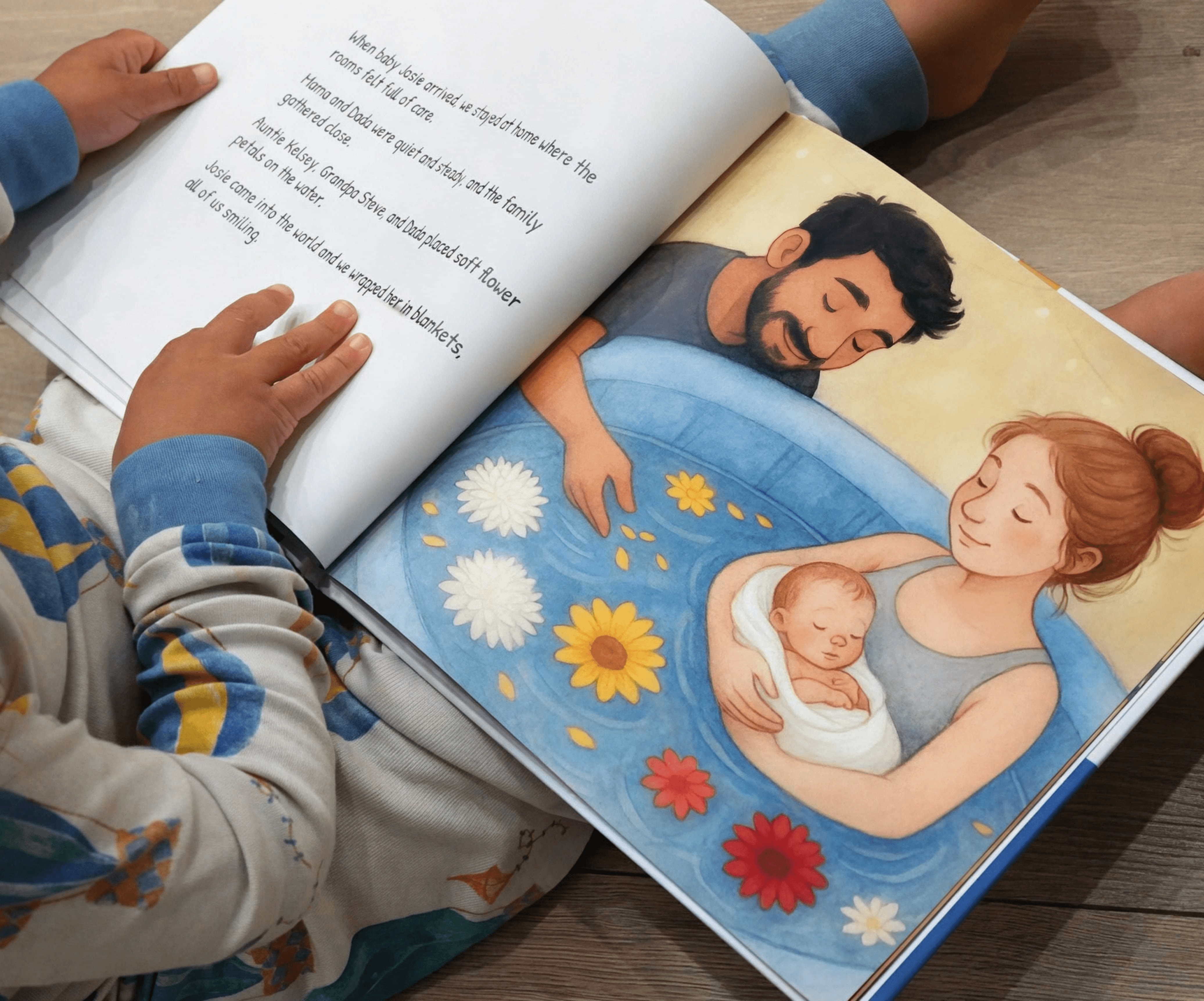
To create a story about family that resonates deeply, focus on the small, authentic details that make your family unique. A narrative built around a shared memory or inside joke becomes a treasured keepsake that reinforces the child’s sense of belonging.
Highlight Roles: Give each family member a special role in the story. Mom might be the "Chief Cuddle Giver," a grandparent the "Keeper of Silly Stories," or a sibling the "Official Game Master."
Center on Moments: Frame the narrative around a simple, meaningful family moment. A story about making pancakes on Sunday morning or a nightly bedtime routine can feel just as epic as a grand adventure.
Include Family Pets: Weave beloved pets into the story as loyal companions or funny sidekicks, reflecting their true status as members of the family.
For a fun twist, while books illustrate family bonds, interactive activities can strengthen them. Consider exploring funny family board games that spark laughter and bring everyone together for memorable evenings. You can learn more about crafting stories that honor these special relationships and explore the power of personalized family picture books.
3. Milestone Celebrations and Achievement
Stories that celebrate key milestones validate a child’s growth and transform moments of anxiety into proud accomplishments. These narratives focus on significant developmental steps like starting school, potty training, or losing a tooth, framing them as exciting and manageable events. As one of the most supportive children book themes, this approach builds confidence, normalizes big feelings, and gives children the language to understand major life transitions.
From the gentle reassurance in The Kissing Hand to the playful normalization in Potty, these books serve as therapeutic tools. They show children that their feelings of nervousness or excitement are valid and that they have the strength to navigate new challenges. This theme is powerful because it directly reflects a child's real-life experiences, making them feel seen and understood.
Putting It Into Practice
To make a milestone story truly effective, focus on the genuine emotions involved, not just the achievement itself. A story about the first day of preschool should acknowledge both the excitement of new toys and the nervousness of saying goodbye to a parent.
Validate Feelings: Acknowledge the child's real emotions. Use phrases like, "It's okay to feel a little nervous, but you are also so brave and ready for this," to validate their experience.
Incorporate Rituals: Create a repeatable ritual around the story. Read a book about starting school every morning the week before preschool begins to build familiarity and comfort.
Celebrate the Effort: Emphasize the courage it takes to try something new. Praise the bravery of walking into a new classroom or trying the potty for the first time, reinforcing their inner strength.
Marking these moments with a special story can turn a significant achievement into a cherished memory. Find inspiration for celebrating your little one's big step with the best gifts for preschool graduation.
4. Animals and Pet Companionship
Stories celebrating the bond between children and animals tap into a profound source of empathy, responsibility, and unconditional love. Narratives centered on a beloved pet or animal friend offer a gentle way to explore complex emotions, from the joy of daily companionship to the sadness of loss. As one of the most heartwarming children book themes, these stories validate a child's deep connection with their animal friends and teach important lessons about caring for another living being.

From the gentle reassurances in Guess How Much I Love You to the poignant friendship in Charlotte's Web, animal-centric tales help children understand their place in the wider world. A story about a family pet transforms everyday routines like feeding the cat or walking the dog into meaningful acts of love, reinforcing a child’s role as a capable and kind caregiver.
Putting It Into Practice
To create a story that truly honors a child’s bond with their pet, focus on the unique details that define their relationship. Capture the pet's specific personality, from a dog's silly tail wags to a cat’s quirky hiding spots, making the narrative a true reflection of their special friend.
Highlight Unique Quirks: Weave in specific traits and habits. Does the family dog steal socks? Does the cat have a favorite sunny spot? These details make the story authentic and personal.
Show, Don't Just Tell: Instead of saying the child loves their pet, describe them sharing secrets during quiet moments or giving the best belly rubs. Illustrate their bond through shared activities.
Memorialize with Joy: If creating a book to honor a pet who has passed away, focus on the happy memories. Recount their favorite games, funny antics, and the comforting presence they brought to the family, celebrating their lasting impact.
5. Bedtime and Sleep Stories
Stories centered around bedtime are designed to soothe and calm a child, creating a gentle transition from the day's excitement to the quiet of the night. These narratives use rhythmic language, gentle pacing, and repetitive phrases to create a predictable and comforting experience. As one of the most essential children book themes, sleep-focused stories help establish a consistent bedtime ritual, reduce separation anxiety, and frame sleep as a safe and peaceful state.

From the iconic simplicity of Goodnight Moon to the reassuring repetition in Time for Bed, these books work by lulling a child into a state of relaxation. The theme is powerful because it transforms the child’s own bedroom and nighttime routine into the central focus of the story, making the familiar feel secure and special. It’s a way to say goodnight to the world together, reinforcing the bond between parent and child before they part for the night.
Putting It Into Practice
To make a bedtime story deeply effective, personalize it with the child’s own sleep environment and routines. The narrative becomes a mirror of their actual experience, making the path to sleep feel safe and familiar.
Create a Goodnight Ritual: Structure the story around the child’s real bedtime steps, like "First, we take a warm bath with the yellow duck," "Next, we brush our teeth with the strawberry toothpaste," and "Then, we climb into our cozy rocket ship bed."
Incorporate Comfort Objects: Feature the child’s favorite stuffed animal, a special blanket, or even the night-light that glows on their ceiling. Describe these items as loyal guardians watching over them as they sleep.
Build in Repetitive Refrains: Use a calming, repeated phrase throughout the story, such as "And the moonbeams whispered, ‘Sleep now, little one.’" This creates a predictable rhythm that signals it is time to rest.
6. Emotions and Social-Emotional Learning
Stories focused on social-emotional learning help children identify, understand, and navigate their complex inner worlds. These narratives give a name to big feelings like frustration, jealousy, and excitement, transforming abstract emotions into something tangible and manageable. As one of the most vital children book themes, emotional exploration validates a child’s feelings and provides them with a toolkit for healthy expression and coping, building a foundation for emotional intelligence.
From the color-coded feelings in In My Heart to the gentle validation in The Feelings Book, these stories teach children that all emotions are okay. This theme is incredibly powerful because it reassures a child that their feelings are normal, while showing them constructive ways to handle them. It allows them to see themselves successfully moving through a tough moment, rather than being stuck in it.
Putting It Into Practice
To create a story that genuinely helps with emotional regulation, tie the narrative to a specific, real-life situation the child is facing. A story about feeling left out on the playground becomes a safe space to explore solutions.
Validate, Don't Fix: Frame the story by naming the emotion clearly. Instead of saying "Don't be sad," the story can say, "It's okay to feel sad when your tower falls down." This validates their experience without rushing to a solution.
Show Healthy Coping: Weave in practical coping strategies. The main character could take deep "dragon breaths" when angry, find a cozy corner to calm down, or ask a grown-up for a hug when feeling overwhelmed.
Involve Trusted Supporters: Feature parents, teachers, or even the family pet as comforting presences in the story. This reinforces the child's real-world support system and shows them it's brave to ask for help.
7. Imagination and Fantasy
Stories rooted in imagination and fantasy unlock a child’s creative potential by blending the familiar with the magical. These narratives often introduce talking animals, enchanted lands, or superpowers, providing a safe space for children to explore complex emotions and “what if” scenarios. As one of the most beloved children book themes, fantasy encourages creative thinking and shows kids that their inner world is a powerful and valuable place.
From the whimsical world of Alice's Adventures in Wonderland to the imaginative escape in Where the Wild things Are, these stories validate a child's daydreams. This theme is exceptionally powerful in personalized books, as it allows a child to see themselves as the hero with magical abilities, reinforcing their own sense of agency and creativity in their imagined world.
Putting It Into Practice
To make a fantasy story resonate, ground the magic in the child's real life. The adventure can begin in their own bedroom before spiraling into a fantastical realm, creating a seamless bridge between reality and imagination.
Magical Interests: Weave the child’s favorite things into the narrative as magical elements. If they love dinosaurs, make them friendly, talking companions. If they adore space, give them the power to fly a rocket ship to a candy-filled planet.
Return to Reality: Conclude the story by bringing the child back to their familiar surroundings, like waking up in their bed. This provides a sense of security and helps differentiate between fantasy and the real world.
Process Feelings: Use fantastical elements to address real-life challenges. A shy child can be given the superpower of invisibility to explore social situations, or a fear of the dark can be confronted by befriending a friendly monster who lives under the bed.
8. Holiday and Seasonal Celebrations
Stories centered around holidays and seasonal changes connect children to the rhythm of the year and the warmth of tradition. These narratives, whether about Christmas, a birthday, or the first snowfall, build anticipation and create a sense of belonging. As one of the most cherished children book themes, these stories help explain cultural practices and create lasting family rituals, turning reading into a celebratory act itself.
From the magical journey in The Polar Express to the festive fun in Pete the Cat Saves Christmas, these books capture the unique spirit of special occasions. They validate a child's excitement and provide a framework for understanding why these times of year are so important, making abstract concepts like family traditions and the passage of time feel concrete and joyful.
Putting It Into Practice
To make a holiday or seasonal story truly resonate, anchor it in your family’s unique customs. The narrative becomes a treasured keepsake when it reflects the specific ways your family celebrates, turning the book into an annual tradition that grows with the child.
Document Traditions: Weave in specific family rituals, like baking a special cookie recipe, the unique way you decorate the house, or a favorite holiday song you sing together.
Capture Anticipation: Describe the child's excitement leading up to the event. Mention them "peeking at presents" or "watching for the first snowflakes," making their feelings the focus of the story.
Incorporate Photos: Use details from past holiday photos to make the story vivid. Mention the "sparkly blue ornament from Grandma" or the "striped pajamas from last year" to connect the story directly to real memories.
9. Friendship and Social Connection
Stories that explore friendship and social connection are foundational for helping children understand their place in the world. These narratives focus on teamwork, sharing, and navigating the ups and downs of peer relationships, making them one of the most essential children book themes. By seeing cooperation and kindness modeled in a story, children learn valuable social-emotional skills like empathy, compromise, and communication.
From the inclusive community in Elmer to the steadfast bond in Frog and Toad Are Friends, these books show that friendship comes in many forms. This theme is powerful because it validates a child’s real-life social experiences, helping them feel seen and understood. It provides a safe space to explore concepts like making new friends, resolving disagreements, and celebrating what makes each person unique.
Putting It Into Practice
To make a story about friendship resonate deeply, anchor it in the child’s actual social circle. A tale about sharing toys becomes more meaningful when it features their real-life best friend, and a story about teamwork can be set at their own daycare or playground.
Celebrate Real Bonds: Base the story’s characters on your child's actual friends from school, the neighborhood, or family. Use their real names and mention a unique quality for each, like "Leo who tells the best jokes" or "Maya who runs super fast."
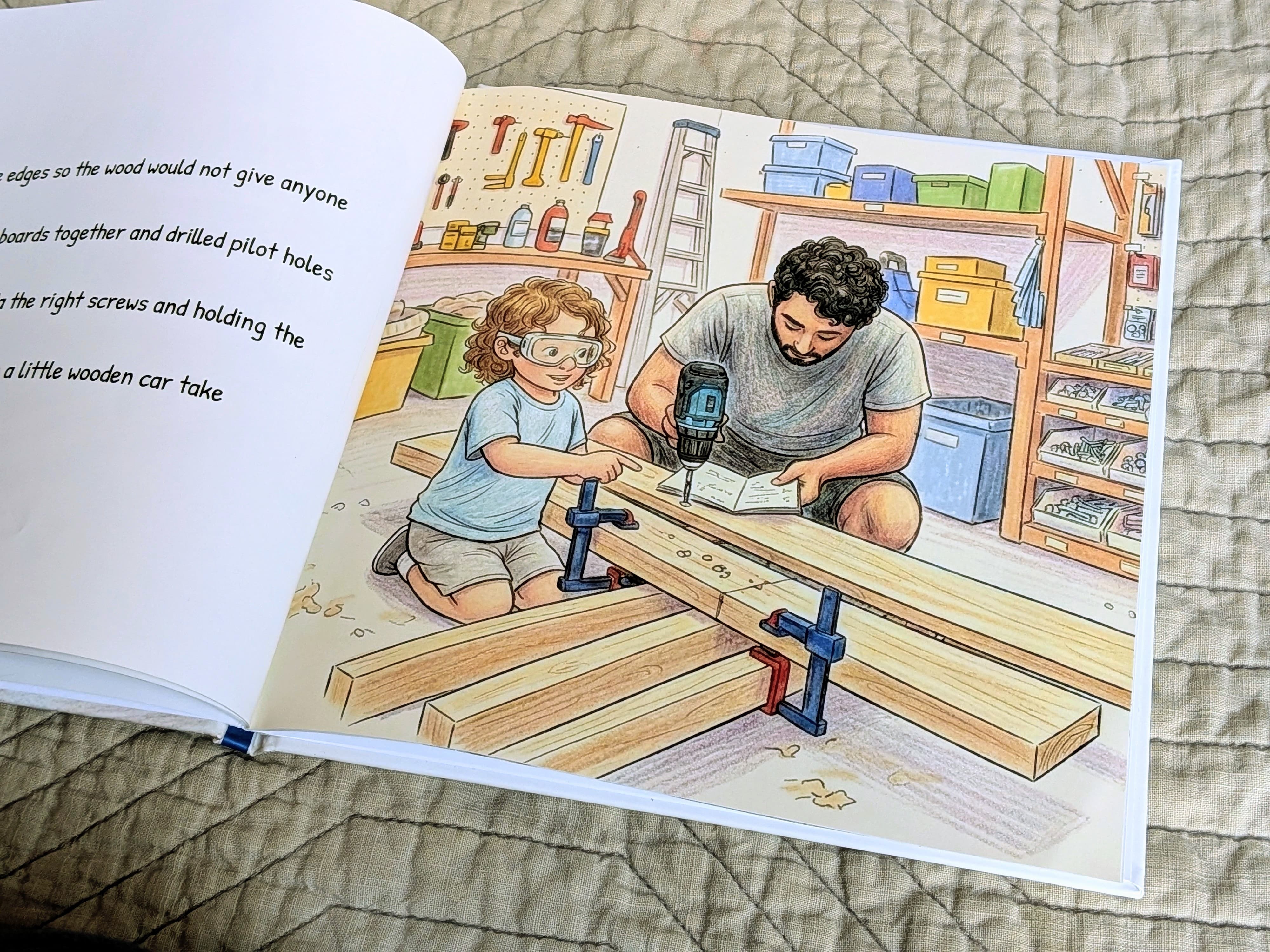
Showcase Teamwork: Create a narrative centered on a shared goal, such as building the tallest block tower ever or putting on a backyard show. This reinforces the idea that working together makes things more fun and successful.
Navigate Transitions: Use this theme to help a child process social changes. A story can help them remember a friend who moved away or ease anxiety about meeting new classmates at the start of a school year.
10. Growth Mindset and Perseverance
Stories focused on growth mindset and perseverance teach children the invaluable lesson that effort and practice lead to success. These narratives champion trying again after a setback, learning from mistakes, and embracing challenges as opportunities to grow. As one of the most empowering children book themes, this concept helps build resilience, reduces frustration with imperfection, and encourages a positive attitude toward learning new skills.
From the classic persistence in The Little Engine That Could to the innovative spirit in Rosie Revere, Engineer, these stories show that capability isn't fixed; it's developed. This theme is incredibly powerful because it helps a child reframe their own real-life struggles, seeing them not as failures but as important steps on the path to achievement.
Putting It Into Practice
To make a growth mindset story resonate, ground the narrative in a real challenge the child has faced or is currently working through. A story about learning to tie their shoes or ride a bike becomes a powerful testament to their own perseverance.
Show the Struggle: Don't shy away from showing the frustration. Acknowledge the wobbly bike rides or the tangled shoelaces, demonstrating that the process is just as important as the outcome.
Highlight Different Strategies: Illustrate the child trying multiple approaches. Did they ask for help? Did they try a new technique? This shows that problem-solving is an active, creative process.
Celebrate the Effort: Frame the victory around the hard work, not just the final success. Emphasize how proud you were when they kept trying, reinforcing the value of their effort and dedication.
10 Childrens Book Themes Comparison
Theme | 🔄 Implementation Complexity | ⚡ Resource Requirements | 📊 Expected Outcomes | 💡 Ideal Use Cases | ⭐ Key Advantages |
|---|---|---|---|---|---|
Adventure and Exploration | Moderate–high (multi-location plots, pacing) | Photos + detailed illustrations, moderate production time | Encourages curiosity, problem-solving, resilience | Travel memories, outdoor families, milestone quests | Highly engaging, re-readable, broad age appeal |
Family and Belonging | Low–moderate (sensitive family dynamics) | Many real family photos, coordination among relatives | Strengthens bonds, sense of security and identity | Gifts, reunions, everyday family rituals | Deeply personal and emotionally meaningful |
Milestone Celebrations and Achievement | Low (clear before/after structure) | Timely photos from the event, simple layouts | Validates growth, reduces transition anxiety, builds pride | Potty training, first day of school, birthdays | Therapeutic, highly relevant to specific moments |
Animals and Pet Companionship | Low–moderate (accurate pet portrayal) | Authentic pet photos, possible detailed pet art | Teaches empathy/responsibility; creates keepsakes | Families with pets, memorial books, pet introductions | Strong emotional resonance for animal lovers |
Bedtime and Sleep Stories | Moderate (careful pacing & length control) | Calming imagery, muted palette, concise text | Supports routines, reduces bedtime resistance, comfort | Nightly rituals, grandparent gifts, sleep training | High re-readability; soothes and establishes routine |
Emotions and Social‑Emotional Learning | High (age-appropriate, sensitive framing) | Expert input (educators/therapists), real scenarios | Improves emotion vocabulary, regulation, behavior | Schools, therapists, parents addressing big feelings | Strong developmental value; SEL-aligned |
Imagination and Fantasy | High (blend real + magical, sophisticated art) | Creative writing, sophisticated illustrations | Boosts creativity, symbolic thinking, imaginative play | Children who enjoy pretend play (ages 3–8) | Extremely engaging; limitless customization |
Holiday and Seasonal Celebrations | Low–moderate (cultural sensitivity needed) | Holiday photos, seasonal design, timely marketing | Builds traditions, annual emotional engagement | Holiday gifts, seasonal family rituals | Repeatable annual use; strong gift appeal |
Friendship and Social Connection | Moderate (multiple characters, consent) | Group photos, careful representation of peers | Enhances cooperation, empathy, conflict resolution | School transitions, social skill support, playdates | Validates peer relationships; supports SEL goals |
Growth Mindset and Perseverance | Moderate (authentic struggle portrayal) | Progress photos, iterative narrative structure | Builds resilience, reduces perfectionism, self-efficacy | Learning new skills, therapy, classroom use | Evidence-based; fosters long-term coping skills |
Bringing Your Child's Story to Life
As we've explored, the world of children book themes is as vast and varied as a child's imagination. From the thrilling highs of Adventure and Exploration to the quiet comfort of Bedtime and Sleep Stories, each theme serves as a powerful framework for storytelling. They are not just categories but emotional landscapes where your child can navigate complex feelings, celebrate milestones, and understand their place in the world.
The true magic happens when you move beyond generic narratives and anchor these themes in your child's own reality. A story about Friendship and Social Connection becomes infinitely more meaningful when it features a picture of your child sharing a toy with their best friend. A tale of Growth Mindset and Perseverance resonates deeper when it recounts their real-life journey of learning to ride a bike, complete with a photo of their triumphant, wobbly smile.
Key Takeaways for Crafting Your Narrative
To transform these concepts into a cherished keepsake, remember these core principles:
Authenticity is Paramount: The most engaging stories are the ones that are true. Use your family's actual experiences, inside jokes, and specific memories as the building blocks for your narrative. This grounds the story in a world your child recognizes and loves.
Structure Provides Clarity: Choosing a central theme, like Family and Belonging or Milestone Celebrations, gives your story a clear beginning, middle, and end. This structure helps young readers follow along and internalize the story's message.
Emotional Connection is the Goal: Beyond the plot, focus on the feelings. Whether you're exploring the nuances of Emotions and Social-Emotional Learning or the pure joy of Animals and Pet Companionship, your story should help your child name, understand, and feel validated in their emotional experiences.
By intentionally selecting from these foundational children book themes, you are doing more than just telling a story; you are building a library of your child’s life. You are creating a mirror that reflects their own heroism, their capacity for kindness, and their unique journey of growth. These personalized books become powerful tools for connection, serving as a launchpad for meaningful conversations and strengthening family bonds with every reading. They are tangible reminders that their life, with all its small moments and big achievements, is a story worth telling.
Ready to turn your family's precious memories into a professionally bound, hardcover storybook? At Once Upon A Memory Books LLC, our AI-powered platform makes it simple to choose from these powerful children book themes, upload your photos, and craft a one-of-a-kind narrative your child will treasure forever. Visit Once Upon A Memory Books LLC to start creating your family's next favorite bedtime story today.